What Is a Conveyor Belt for Dirt, and Why It Matters
You might ask—why talk about a conveyor belt for dirt specifically? After all, conveyor belts are everywhere, right? But when it comes to moving earth, soil, or dirt efficiently, safely, and cost-effectively — well, it’s a whole different ballgame. Across mining, agriculture, construction, and even disaster relief worldwide, these specialized conveyor systems are essential.
Globally, industries face increasing demand to optimize their soil handling. According to the International Labor Organization, over 50 million workers worldwide are involved in earthmoving and related activities. Efficient conveyor belts for dirt reduce manual labor risks and speed up operations. Plus, with global construction markets projected to grow above 5% annually (World Bank data), demand for robust dirt-handling equipment is expected to escalate. Understanding these systems unlocks better project planning, cost savings, and safety — all vital in today’s fast-changing industrial landscape.
Global Significance of Conveyor Belts in Dirt Handling
It’s not just construction sites or mines that use conveyor belts for dirt. The United Nations observes that proper land management and infrastructure development are core to sustainable growth. Conveyor belts reduce repetitive manual handling and lower environmental disruption by enabling controlled soil movement over long distances. In remote or disaster-hit areas, they become lifelines for rebuilding and clearing debris efficiently.
For example, mining operations in Australia, agriculture in Brazil, and infrastructure projects across emerging economies all rely heavily on dirt conveyor systems. Yet, challenges like soil moisture variation or abrasive particles can wear down typical conveyor belts quickly — prompting innovations tailored to soil-specific needs.
Defining Conveyor Belts Designed for Dirt
So, what exactly makes a conveyor belt suited for dirt? Simply put, these are robust belt systems designed to transport earth materials — which may include loose soil, clay, rocks, or debris. They’re engineered to withstand abrasive wear, resist slippage with variable dirt loads, and often have specialized surfaces or reinforcements.
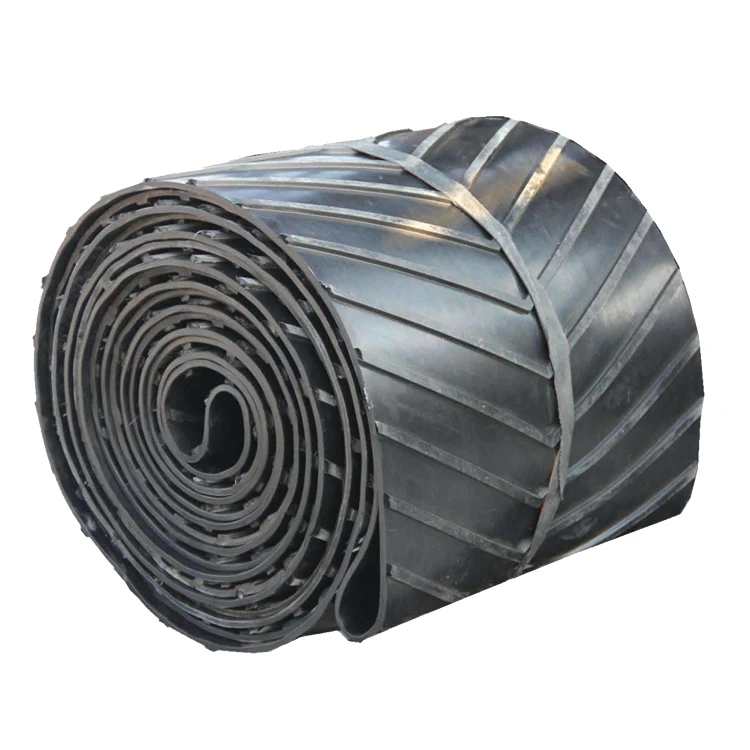
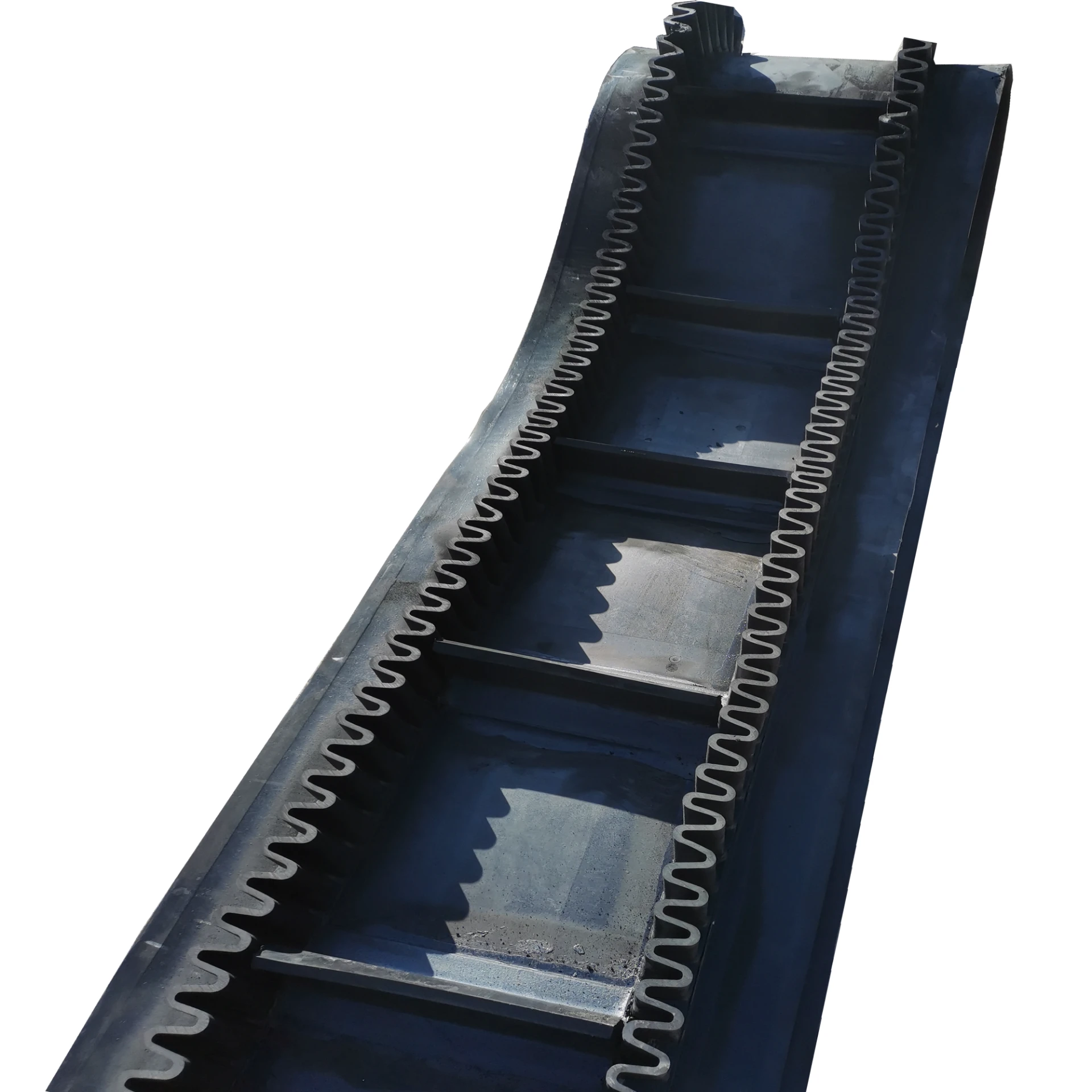
Unlike standard belts for boxes or packaged goods, dirt conveyor belts need features like enhanced tensile strength, rubber or polyurethane covers, and sometimes even cleats to help elevate heavy or sticky materials. In humanitarian contexts, they also help clear rubble post-disasters or transport soil during reconstruction phases.
Core Components and Considerations for Dirt Conveyor Belts
Durability and Material Strength
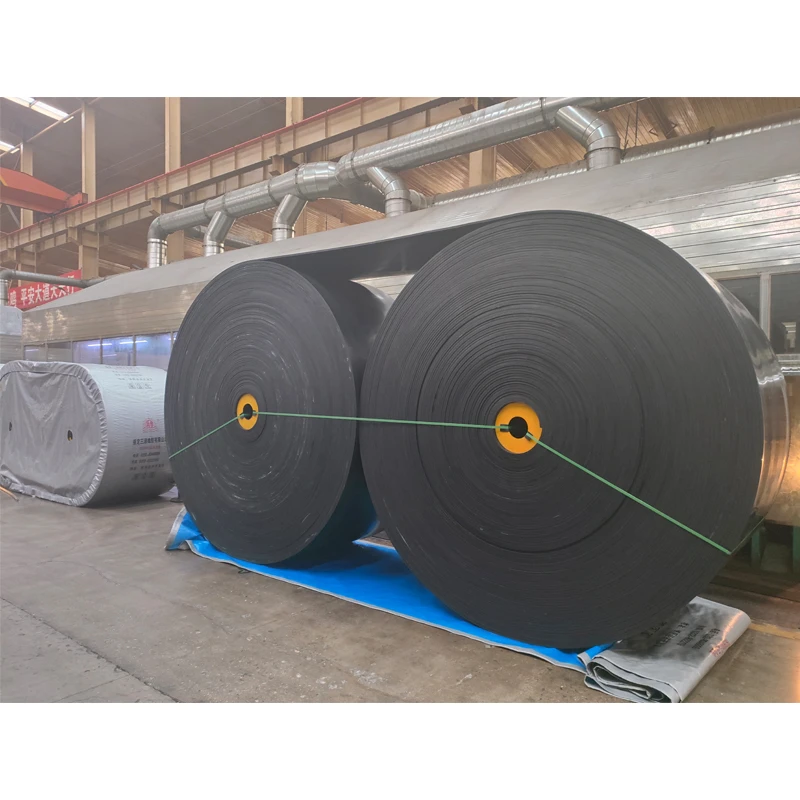
Because dirt often contains moisture, sharp particles, or uneven weights, durability is the first key. Many engineers choose belts with multiple fabric plies and rubber covers resisting abrasion and tears. Polyurethane overlays add chemical resistance for acidic soils.
Load Capacity and Scalability
The belt must handle wide ranges—from fine dust to rocky chunks—without stretching or slippage. For massive operations like open-pit mining, scalable conveyors spanning several kilometers are common.
Flexibility and Mobility
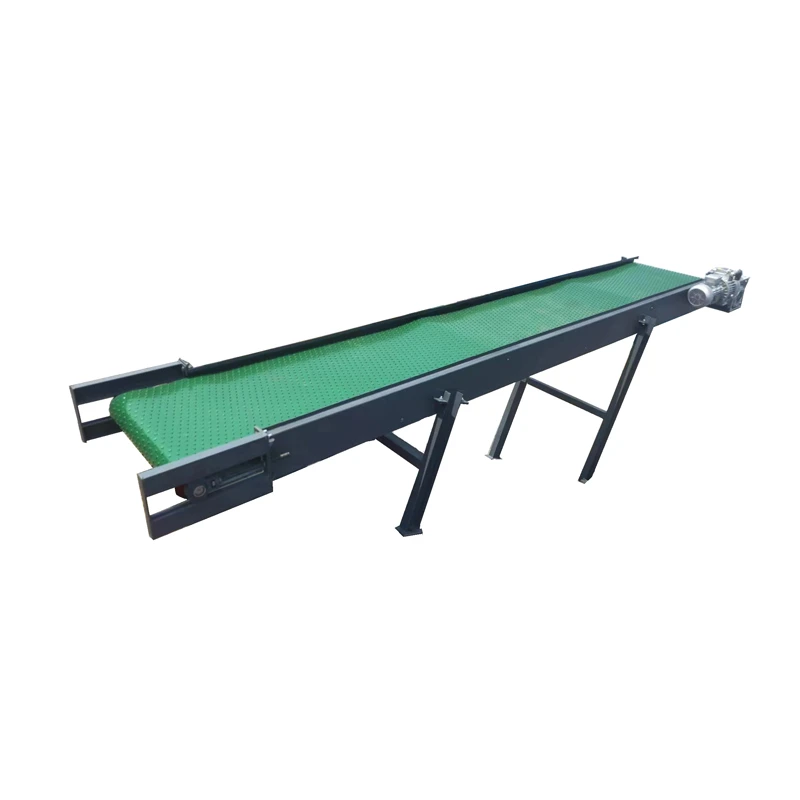
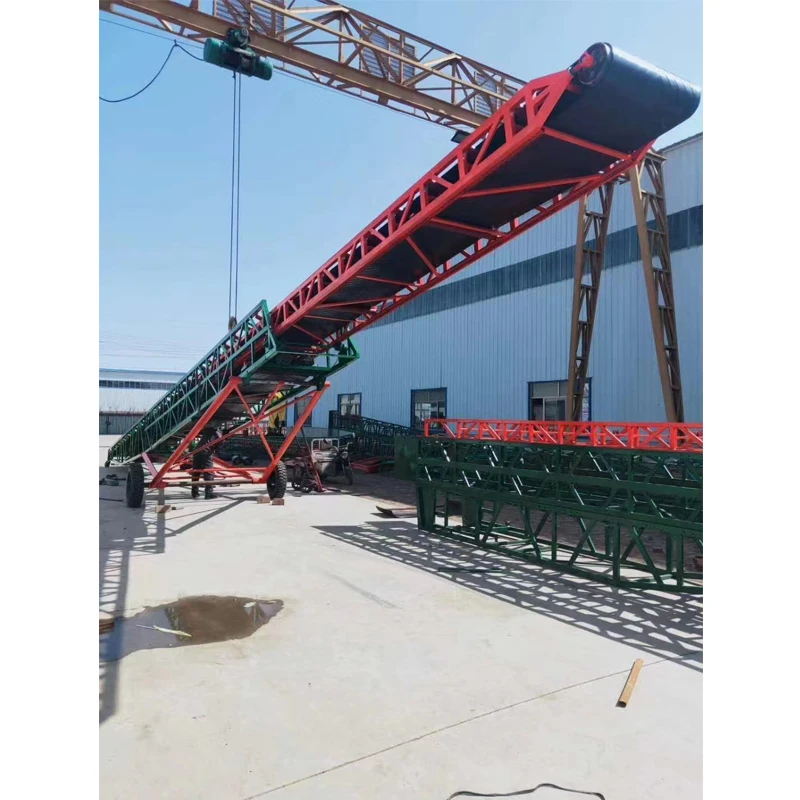
Some operations require temporary setups — say emergency debris removal. Portable or modular dirt conveyor belts, often mounted on wheeled frames, allow quick deployment and reconfiguration.
Cost Efficiency and Maintenance
Replacing worn belts can be expensive. Thus, belts designed for dirt often have replaceable covers, and manufacturers focus on easy installation and durability to reduce downtime.
Safety Features
Systems move heavy loads, so emergency stops, proper guards, and sensors detecting blockages are essential. Regular inspections minimize accident risks related to dirt spillage or belt failure.
Where Conveyor Belts for Dirt Make a Real Impact
Take the post-hurricane cleanup in Puerto Rico or roadwork in remote Alaska — modular dirt conveyors sped up debris clearing without heavy machinery access. In large-scale mining, like the copper mines in Chile, extensive conveyor networks move millions of tons of dirt daily, trimming costs and boosting safety.
Agricultural regions in India and Africa also employ conveyors to streamline soil movement for irrigation or land preparation, improving crop yields. Even humanitarian NGOs use mobile conveyor belts during disaster responses to handle rubble swiftly, reducing manual strain and restoring areas faster.
Simple Product Specification Table
| Feature | Typical Conveyor Belt for Dirt | Notes |
|---|---|---|
| Belt Material | Multi-ply polyester fabric with rubber cover | Abrasion & moisture resistant |
| Width | 600mm to 1800mm | Scalable to site needs |
| Load Capacity | Up to 2000 kg/m | Depends on belt strength & speed |
| Surface Features | Plain or cleated options | For sticky or steep material handling |
| Temperature Range | -20°C to 70°C | Suitable for most climates |
Comparing Leading Conveyor Belt Vendors for Dirt
| Vendor | Product Durability | Customization Options | Price Range | Lead Time |
|---|---|---|---|---|
| TerraMove Systems | High (5+ years avg.) | Extensive (width, surface, mobility) | $$$ | 4-6 weeks |
| DirtFlow Inc. | Moderate (3-4 years) | Standard modular options | $$ | 2-3 weeks |
| EcoBelt Solutions | High (wear resistant rubbers) | Green-certified materials only | $$$ | 6-8 weeks |
Why Invest in Conveyor Belts for Dirt?
The advantages are not just about moving soil faster. Conveyor belts offer operational consistency, reduce environmental footprint via more precise earth handling, and—importantly—they improve safety by reducing heavy lifting or vehicle transport on unstable terrain. Many operators I’ve talked to say that “the fewer trucks and shovels needed, the better.”
There’s also trust: long-term use of quality dirt conveyor belts signals reliability and responsibility to partners and regulators, especially in industries where soil displacement must meet strict standards (think ISO 14001). In humanitarian settings, they preserve dignity by enabling speedy cleanup that allows affected communities to return home sooner.
The Future of Dirt Conveyor Technology
Now, technology is pushing limits even further. The integration of smart sensors to monitor belt condition in real-time, predictive maintenance via AI, and eco-friendly materials are trends gaining traction. Solar-powered conveyor units cater to remote areas where grid access is limited.
We’re also seeing more modular, lightweight yet tough composites replacing traditional rubber in some specialized belts, which reduce energy consumption needed to drive the systems. The overall direction is clear: smarter, greener, and more adaptable dirt conveyor belts.
Common Challenges and How They’re Tackled
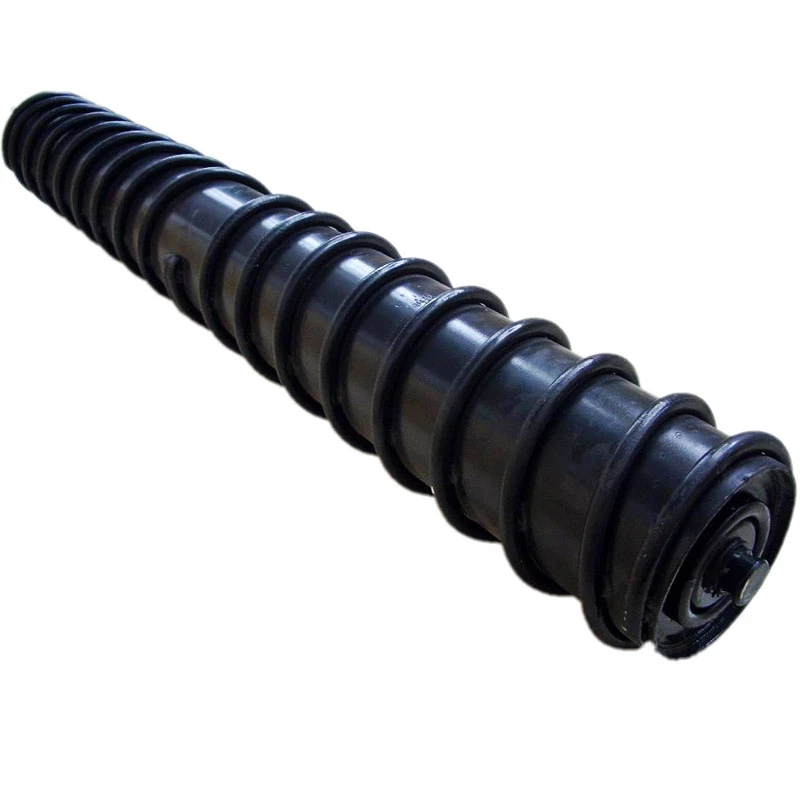
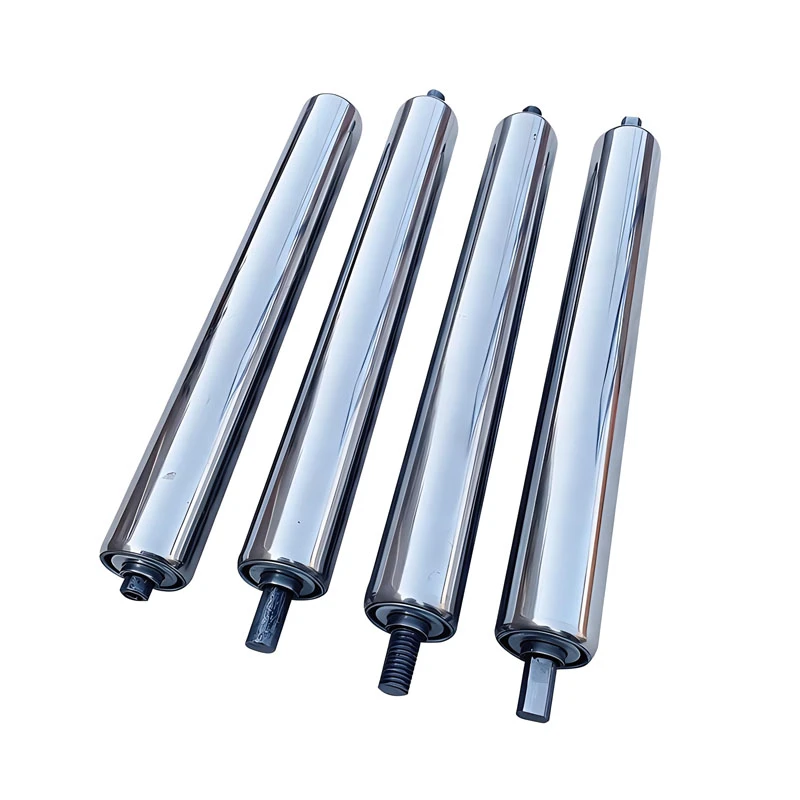
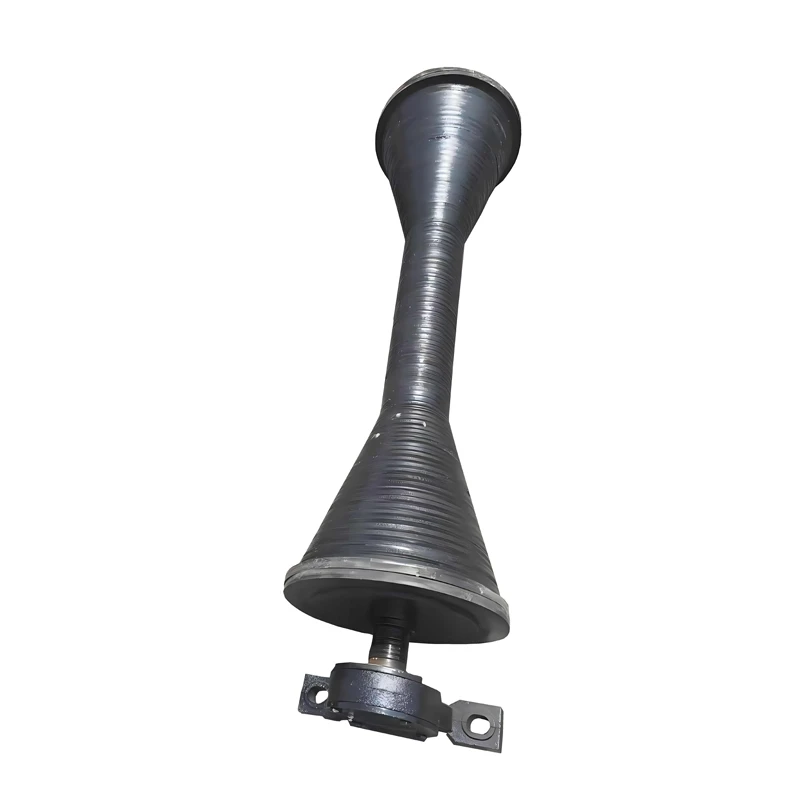
Of course, not everything’s smooth—abrasion, belt misalignment, soil compaction, and moisture are perennial headaches. But better engineering on rollers, using belt edge guides, and improved cleaning systems help mitigate these. Plus, expert vendors emphasize staff training on inspection routines to spot wear early.
Oddly enough, integrating conveyor belts to sites with varied soil types is often solved by modular designs tailored for local dirt conditions and workflow. It’s a combination of smart hardware and know-how. That’s why choosing the right supplier matters—more on that in a bit.
FAQ: Frequently Asked Questions About Conveyor Belt for Dirt
- Q: What factors should I consider when selecting a conveyor belt for dirt?
A: Focus on belt durability, load capacity, resistance to abrasion and moisture, and whether the belt surface suits your soil type—sticky or rocky materials need cleats or special coverings. - Q: How often should a dirt conveyor belt be inspected or replaced?
A: Regular inspections every 3–6 months are typical; replacement depends on wear signs like tears or loss of grip. Usage intensity affects lifespan, but quality belts last 3-5 years under normal conditions. - Q: Can conveyor belts for dirt be used in disaster relief scenarios?
A: Absolutely. Portable conveyor belts expedite debris removal and soil relocation, reducing manual labor and speeding response times significantly. - Q: Are these conveyor belts customizable?
A: Yes. Most suppliers offer customization in width, length, belt material, surface texture, and mobility to match specific project needs. - Q: How do conveyor belts for dirt contribute to environmental sustainability?
A: By reducing truck transport and manual handling, they lower emissions and soil disruption, especially when paired with eco-friendly belt materials and smart energy use.
Final Thoughts: Embracing Conveyor Belts for Dirt
The humble yet highly engineered conveyor belt for dirt quietly powers crucial activities around the world—from mines and farms to emergency relief zones. Their ability to boost safety, speed, and sustainability makes them invaluable assets in today’s industries. Curious to learn more or update your dirt-moving operations? Check out the latest innovations and trusted products at conveyor belt for dirt.