What Exactly is a Conveyor Belt Machine, and Why Should You Care?
Conveyor belt machines — those quietly humming giants of industrial efficiency — are woven into the fabric of modern logistics, manufacturing, and pretty much any operation that moves stuff en masse. Globally, these systems keep goods flowing smoothly, reduce manual labor, and boost productivity across sectors. Appreciating what makes conveyor belt machines tick isn't just an industrial geek’s pastime; it's key for businesses aiming to streamline operations, innovate sustainably, and cut costs.
Understanding the Global Impact of Conveyor Belt Machines
According to the International Organization for Standardization (ISO) and data from the World Bank, automated material handling systems like conveyor belts directly influence productivity indices worldwide. Roughly 65% of manufacturing firms globally employ some form of conveyor technology, particularly in Asia-Pacific and Europe, where rapid industrialization demands smart logistics solutions. Yet, the challenge remains: how can businesses optimize throughput while maintaining energy efficiency and safety? The conveyor belt machine is central to solving this balance.
Mini Takeaway:
Conveyor belt machines aren’t just pieces of metal and rubber; they’re lifelines for modern supply chains, making them indispensable globally.
The Conveyor Belt Machine Defined — Simply Put
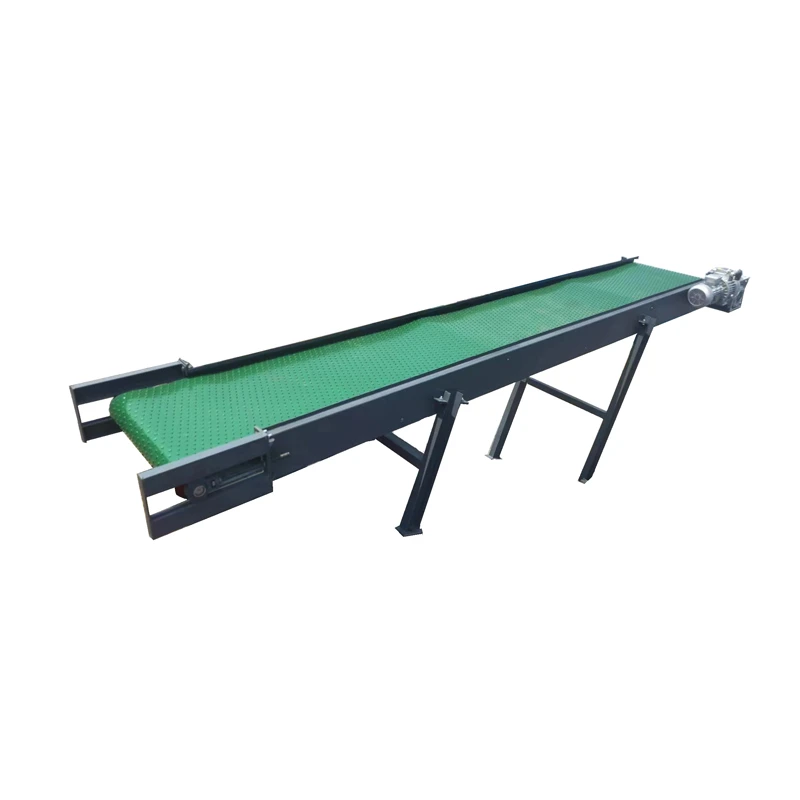
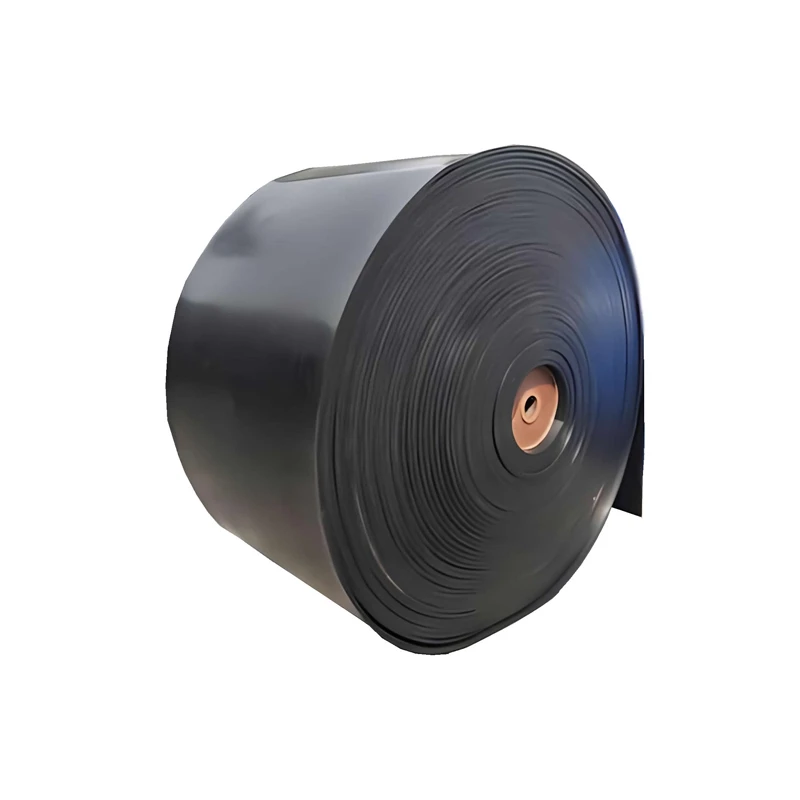
Imagine a long, endless loop of durable material—usually rubber or fabric—that carries goods from point A to point B. That’s the essence of a conveyor belt machine. It’s a mechanical lifter that transports raw materials, finished products, or anything in between. Whether moving packages in a warehouse, coal in a mine, or boxes on an assembly line, these machines automate the grunt work, replacing manual carrying or forklift shuttles. On a humanitarian note, they streamline relief supplies in disaster-hit zones, where quick, uninterrupted material flow is a lifeline.
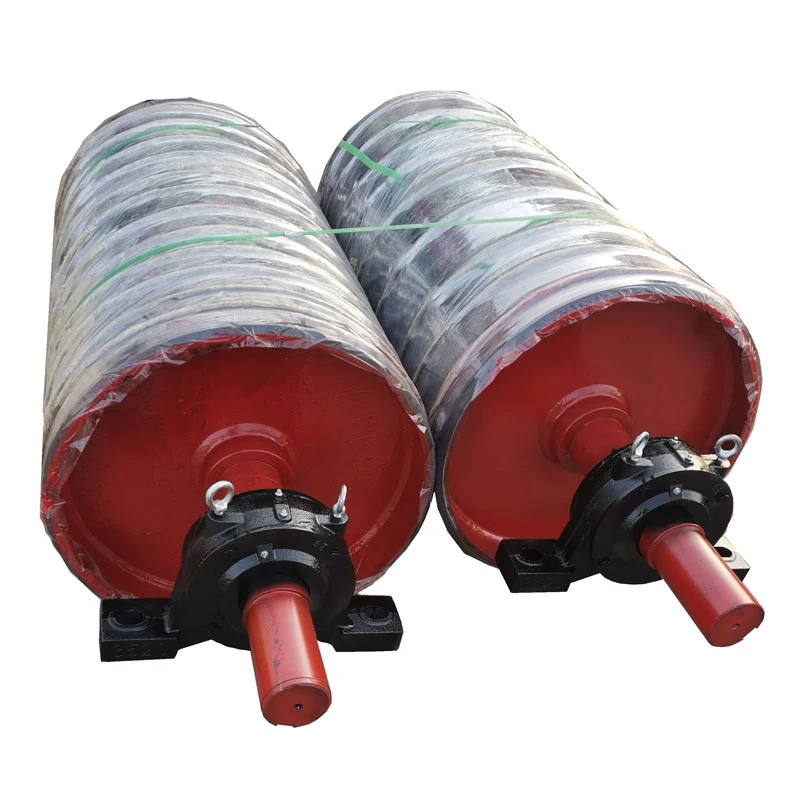
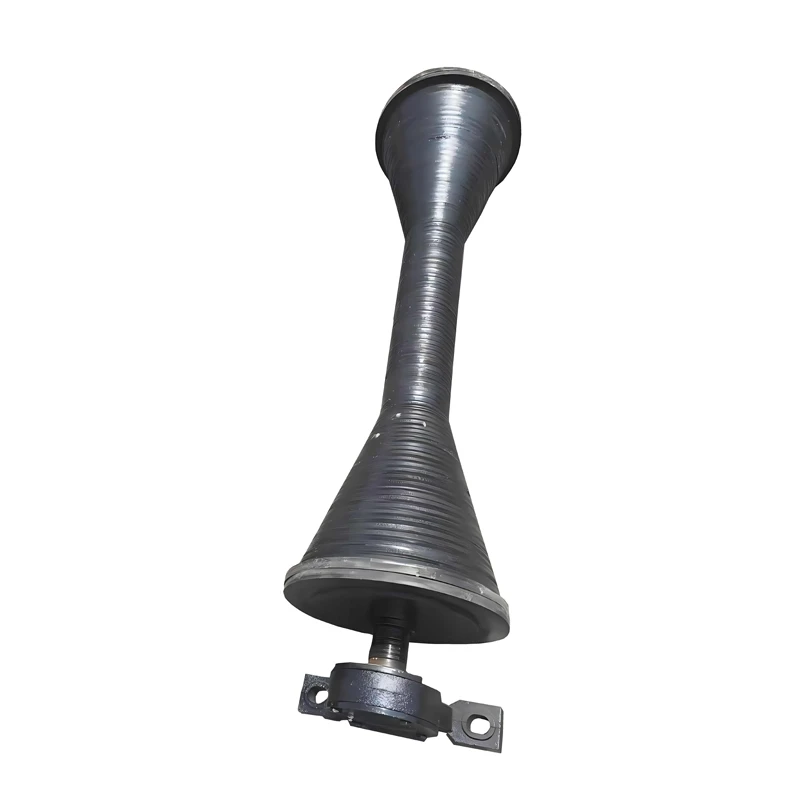
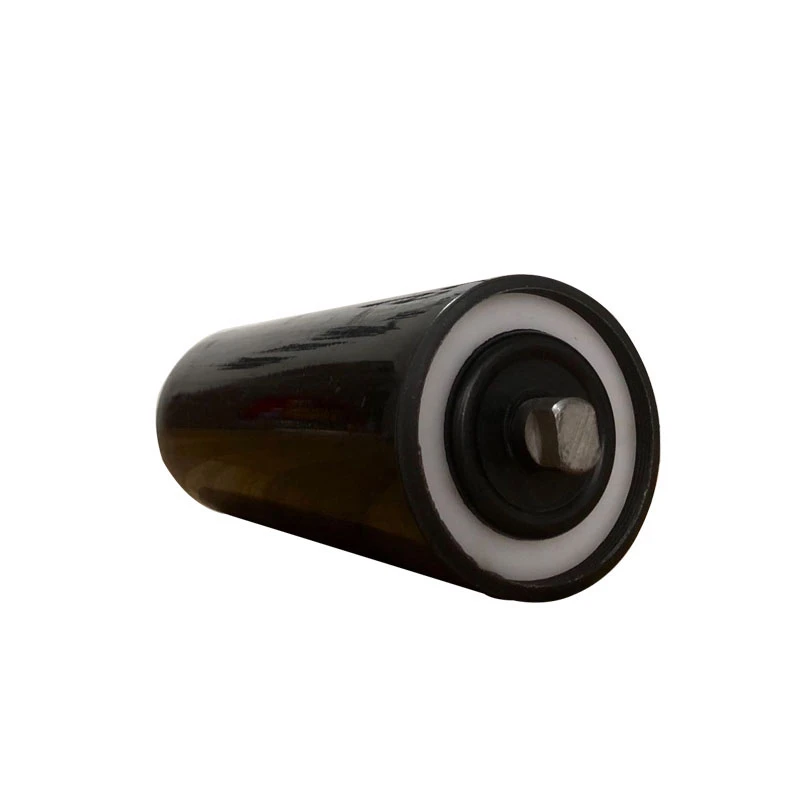
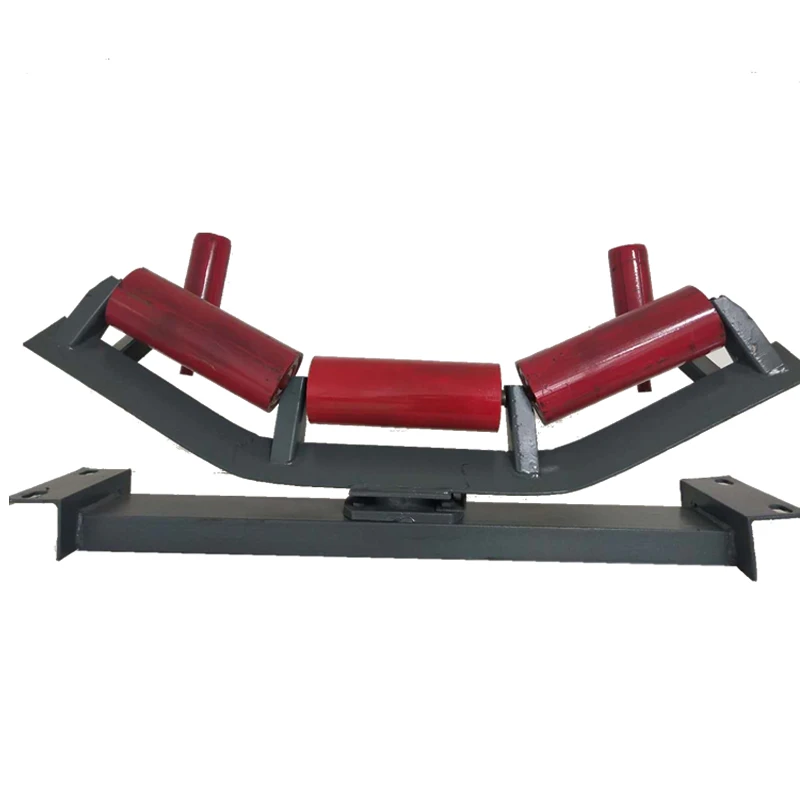
Key Components of a Conveyor Belt Machine
Durability and Material Quality
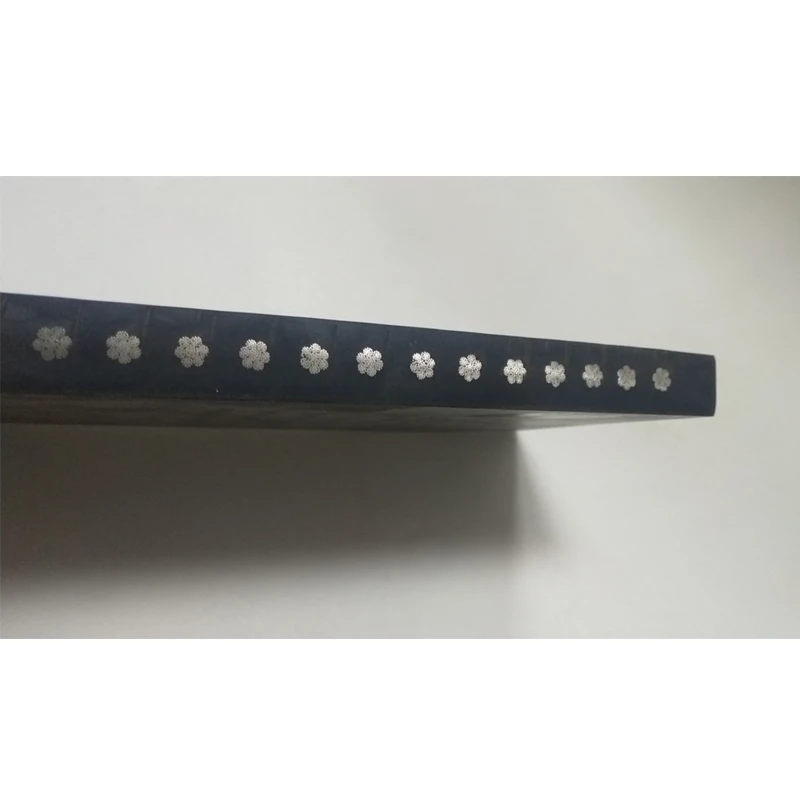
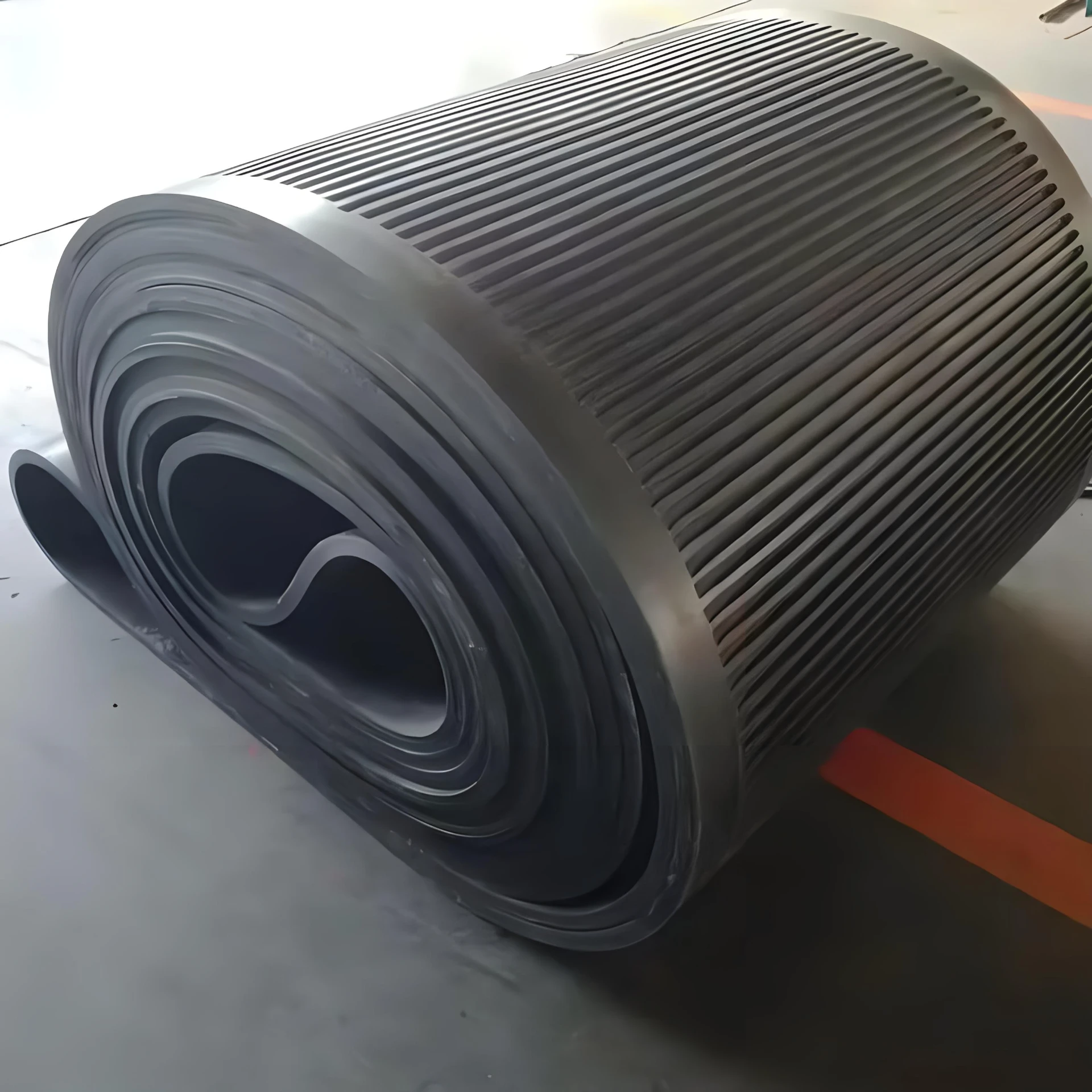
Conveyor belts endure constant friction, weight, and environmental exposure. Manufacturers often choose abrasion-resistant rubber compounded with polyester fibers to resist tears, oils, and extreme temperatures. Durability doesn’t merely extend lifespan; it minimizes downtime — a critical factor in fast-moving industries.
Scalability and Customization
One size rarely fits all. A conveyor belt machine in a tiny electronics assembly will look very different from one in a sprawling mining operation. Modular designs allow for scalable length, width, and load capacities tailored to specific needs.
Energy Efficiency
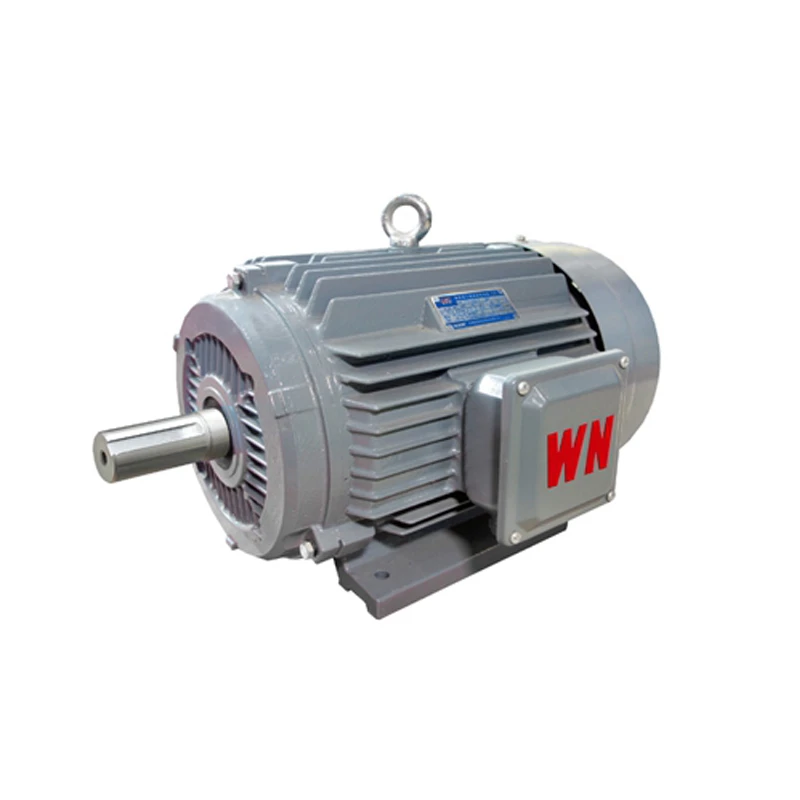
With rising energy costs and stricter environmental regulations, efficient motors and optimized speeds are must-haves. Some modern conveyor systems integrate regenerative drives, recovering braking energy to lower consumption.
Automation and Control Systems
Conveyor belts aren't just simple loops anymore. Embedded sensors, programmable logic controllers (PLCs), and IoT devices now monitor belt speed, load weight, and maintenance needs, enabling predictive upkeep and reducing costly breakdowns.
Safety Features
Emergency stops, guarding mechanisms, and non-slip surfaces help safeguard operators. These safety measures are more than compliance checkboxes—they foster trust and operational confidence.
Mini Takeaway:
Understanding the core components reveals why selecting the right conveyor belt machine is much more than picking a belt; it’s about aligning performance, safety, and sustainability.
Where Conveyor Belt Machines Make a Difference Around the World
Everywhere from the sprawling iron ore mines of South Africa to the ultra-modern Amazon warehouses in the U.S., conveyor belt machines are quietly revolutionizing operations:
- Mining and Minerals: In Australia, conveyor belts carry thousands of tons of coal and iron ore daily over vast distances, cutting extensive truck traffic and carbon emissions.
- Food Processing: Europe’s food industry relies heavily on sanitary conveyor belts designed for easy cleaning, reducing contamination risk.
- Disaster Relief Operations: NGOs have adapted portable conveyor systems during emergency supply distributions in remote, disaster-affected areas, ensuring quicker delivery and reduced manual strain.
- Automotive Assembly: Japanese manufacturers utilize high-precision belts integrated with robotics for seamless assembly line operations.
Mini Takeaway:
The conveyor belt machine is an enabler for diverse global industries — from resource extraction to critical humanitarian aid.
The Real-World Advantages of Conveyor Belt Machines
Beyond the obvious — automation and speed — a conveyor belt machine offers tangible benefits such as:
- Cost Efficiency: Reduced labor costs and fewer human-related errors.
- Sustainability: Lower emissions through energy-efficient motors and reduced vehicle use.
- Improved Safety: Less manual handling translates to fewer workplace injuries.
- Trust and Reliability: When products move faultlessly from production to shipment, client confidence thrives.
Emotionally, these machines relieve repetitive strain injuries and let people focus on higher-value tasks, contributing to workplace dignity and job satisfaction.
Specifications of a Typical Conveyor Belt Machine
| Feature | Specification | Benefit |
|---|---|---|
| Belt Material | High-strength rubber with polyester reinforcement | Durability & abrasion resistance |
| Motor Power | 3-10 kW variable speed drive | Energy efficient and adjustable operation |
| Load Capacity | Up to 1,500 kg/m per meter length | Handles heavy materials safely |
| Maximum Speed | Up to 3 m/s | Fast throughput without product damage |
| Safety Features | Emergency stop buttons, sensors | Enhanced operator protection |
Comparing Leading Conveyor Belt Machine Vendors
| Vendor | Industry Focus | Customization Options | Sustainability Initiatives | Warranty Period |
|---|---|---|---|---|
| BeltCo Systems | Mining & Heavy Industry | Full modular design, materials | Uses recycled rubber in some products | 3 years |
| ConveyPro | Food & Pharmaceuticals | Sanitized & FDA-approved materials | Energy-efficient motors | 2 years |
| EcoBelt Inc. | General Industry & Logistics | Custom widths and IoT integrations | Solar-powered conveyors available | 5 years |
Where is This Technology Headed? Future Trends in Conveyor Belt Machines
Innovation is humming right alongside the belts themselves. Expect to see more eco-friendly materials—like bio-based rubbers replacing petrochemical compounds—and smart conveyor belts loaded with AI-powered sensors that predict wear and automatically schedule repairs. The surge towards zero-carbon warehouses means many conveyors are linking up with solar energy systems or battery storage. And oddly enough, friction is becoming both enemy and tool, with new materials balancing grip and speed for optimized flow.
Challenges Today, Solutions Tomorrow
Of course, conveyor belts aren't perfect. Noise pollution in large plants, vulnerability to weather in outdoor setups, and the still hefty upfront investment can deter some buyers. But smart engineering, like noise-dampening panels and weatherproofing, plus leasing models, help ease these hurdles.
FAQ: Quick Answers on Conveyor Belt Machines
- What industries benefit most from conveyor belt machines?
- Mining, food processing, logistics, automotive, and humanitarian sectors all gain significantly by automating material transport with conveyors. They reduce manual labor and increase throughput.
- How often should conveyor belts be maintained?
- Routine inspections every 3-6 months with lubrication, belt tension checks, and motor testing keep systems efficient. Predictive maintenance using sensors extends intervals further.
- Are conveyor belt machines eco-friendly?
- Modern conveyors utilize energy-efficient motors and sustainable materials. When integrated with green energy sources, they significantly reduce operational carbon footprints.
- Can conveyor belts handle irregularly shaped goods?
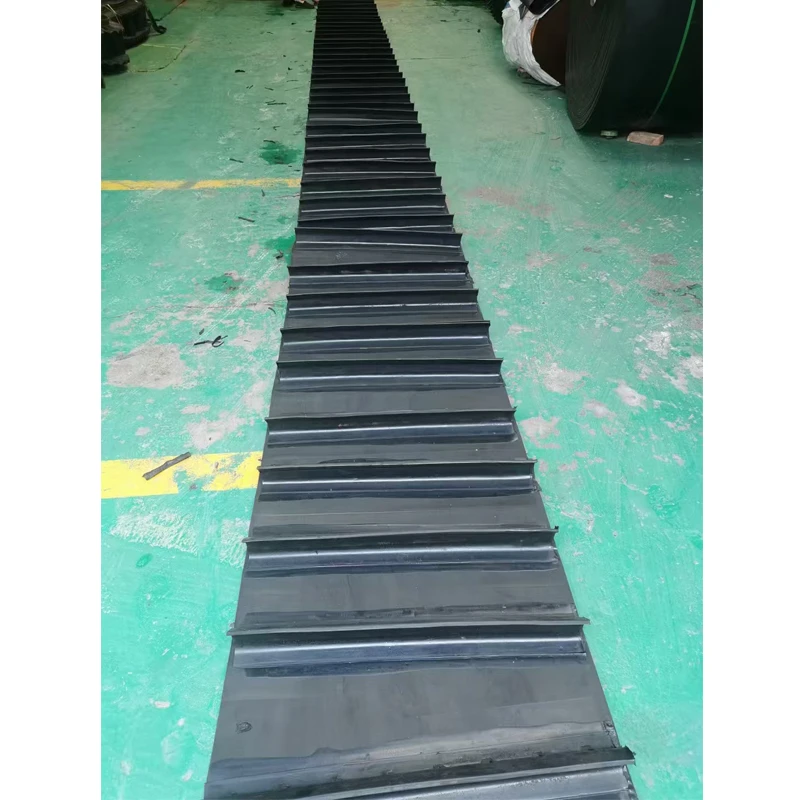
- Specialized belts with cleats or side guards manage odd shapes and prevent slippage, but some items may require customized solutions.
- How customizable are conveyor belt machines?
- Vendors offer modular designs with adjustable lengths, widths, speeds, and materials to suit a wide variety of client needs across industries.
In Closing: The Conveyor Belt Machine's Place in Your Future
It’s easy to overlook these machines, but their quiet efficiency underpins so much of the world's commerce and industry. With rising global demand and rapid tech advances, conveyor belt machines will only get smarter, greener, and more essential. For anyone looking to optimize operations or explore automation, they should be front and center.
Curious to see what a conveyor belt machine can do for your business? Drop by our site and discover tailored solutions that fit your unique needs.