Understanding the Soil Conveyor Belt: Why It Matters Globally
If you’ve ever marveled at how massive amounts of soil or earth are moved efficiently from one spot to another, chances are a soil conveyor belt was involved. Yes, those durable, moving belts you see cutting across construction sites, mines, or even reclamation projects play a vital role in modern infrastructure and environmental management.
But why should the average person care? Well, soil conveyor belts play a crucial role in global projects that affect everything from disaster relief to sustainable agriculture. They help minimize manual labor, reduce carbon footprints compared to truck-heavy logistics, and ensure material handling is not only faster but also safer.
In this article, we’ll explore soil conveyor belts: what they are, how they work, and why they’re indispensable in today’s industrial and humanitarian efforts. Plus, a quick look at future trends and some common questions answered.
Setting the Stage: Why Soil Conveyor Belts Are Vital in Today’s Global Landscape
Globally, industries like mining, construction, and agriculture face a persistent challenge—efficiently moving vast amounts of soil and earth materials. According to the United Nations Department of Economic and Social Affairs, urbanization is accelerating, increasing demand for land development projects. Simultaneously, sustainable practices call for eco-friendly transport methods.
Here is where soil conveyor belts come in. They cut down reliance on diesel-powered trucks hauling soil across sites, reducing greenhouse emissions and road congestion. For example, the International Organization for Standardization (>ISO 19904-1:2018
However, challenges like uneven soil loads and belt wear persist, urging innovation in design and materials.
Mini takeaway: Soil conveyor belts are a global solution to local challenges — enabling smarter, cleaner soil and earth handling on construction fronts and beyond.
Soil Conveyor Belt — What Is It, Really?
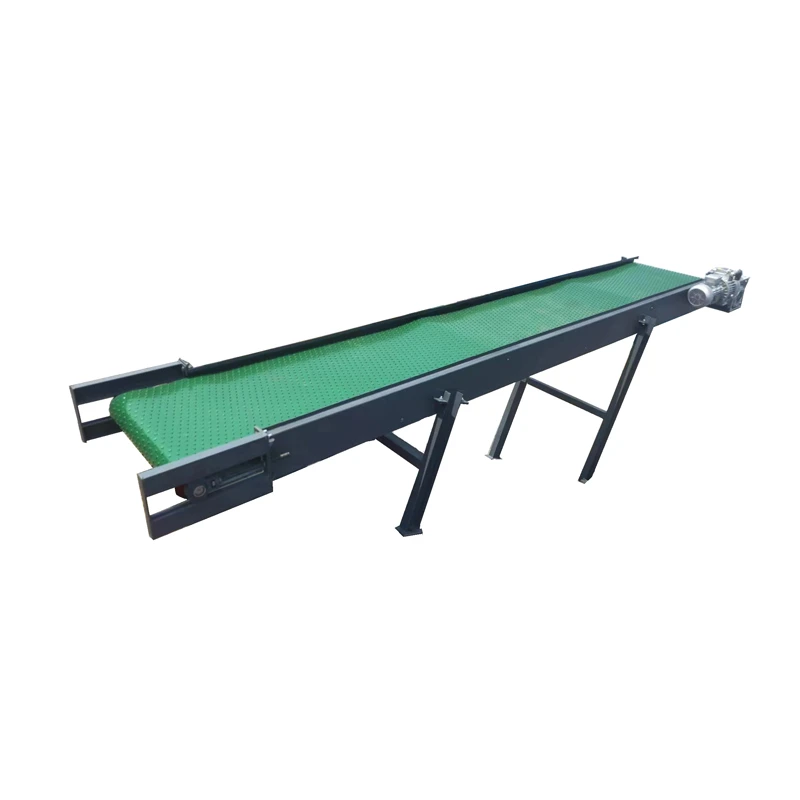
Simply put, a soil conveyor belt is a continuous belt system designed specifically to transport soil and earth materials efficiently over distances. Unlike general-purpose conveyors, these belts are engineered to handle abrasive, heavy, and sometimes wet earth materials without frequent breakdowns.
They typically consist of:
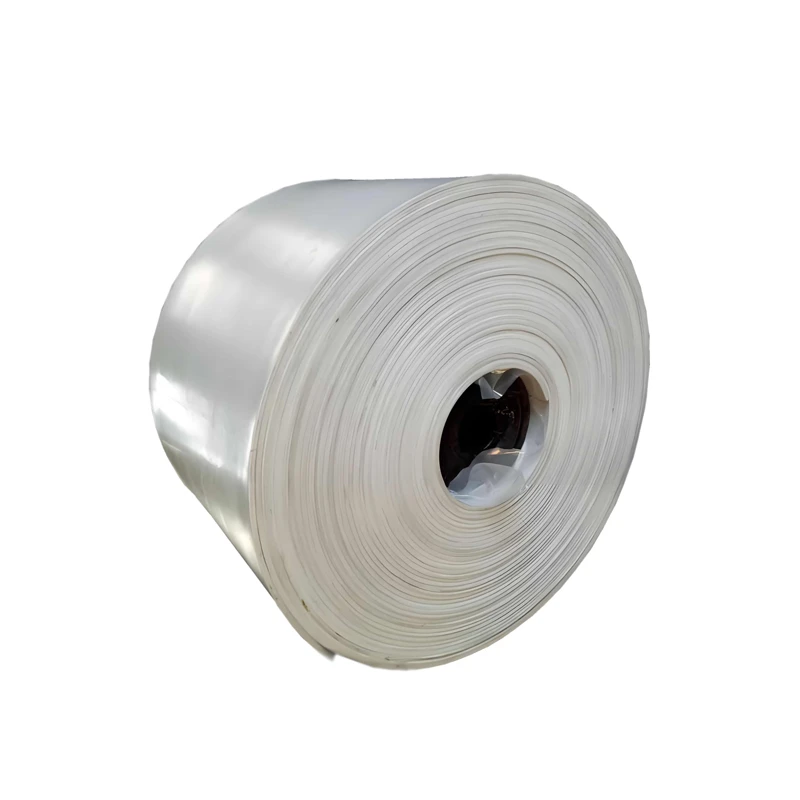
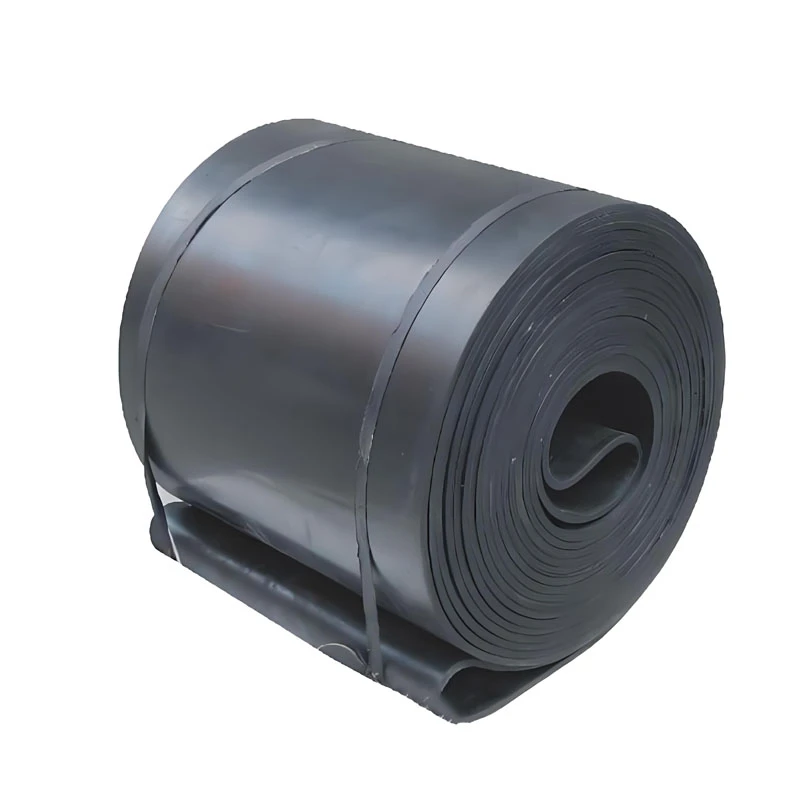
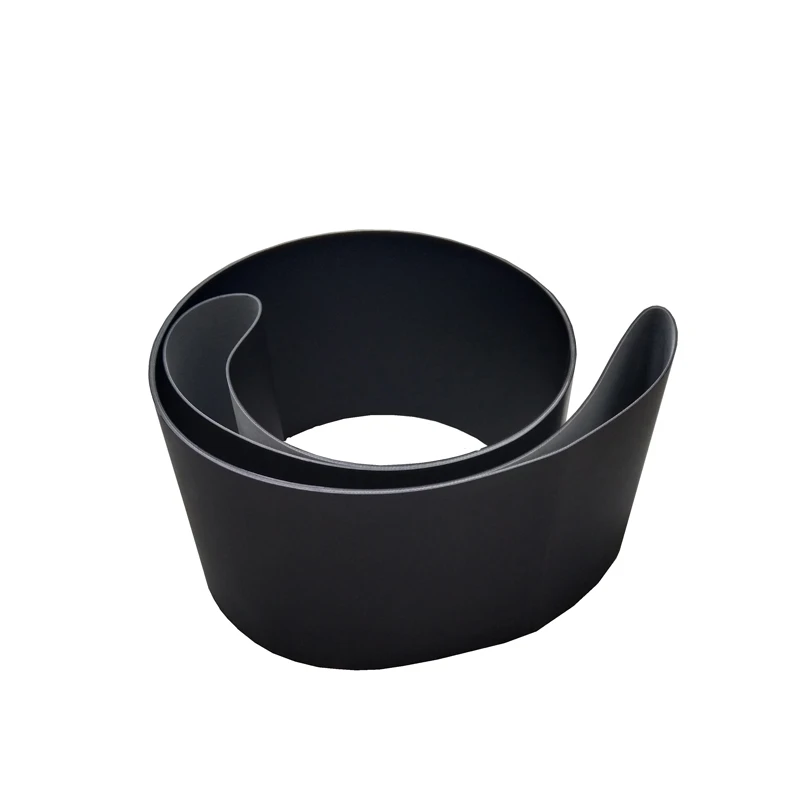
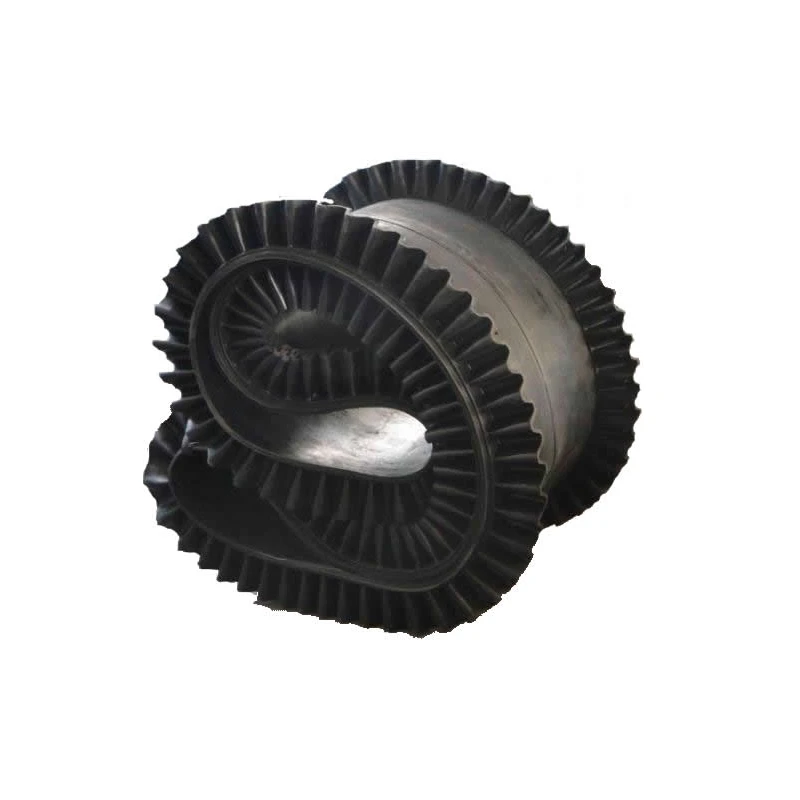
- Robust rubber or PVC belts reinforced with layers of fabric or steel cords to withstand tears and abrasion.
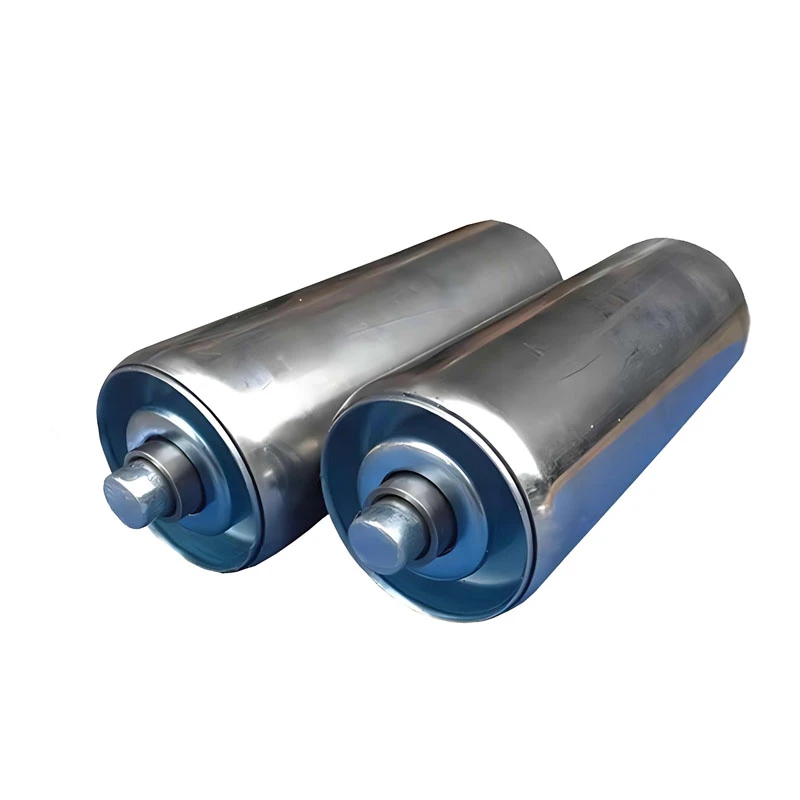
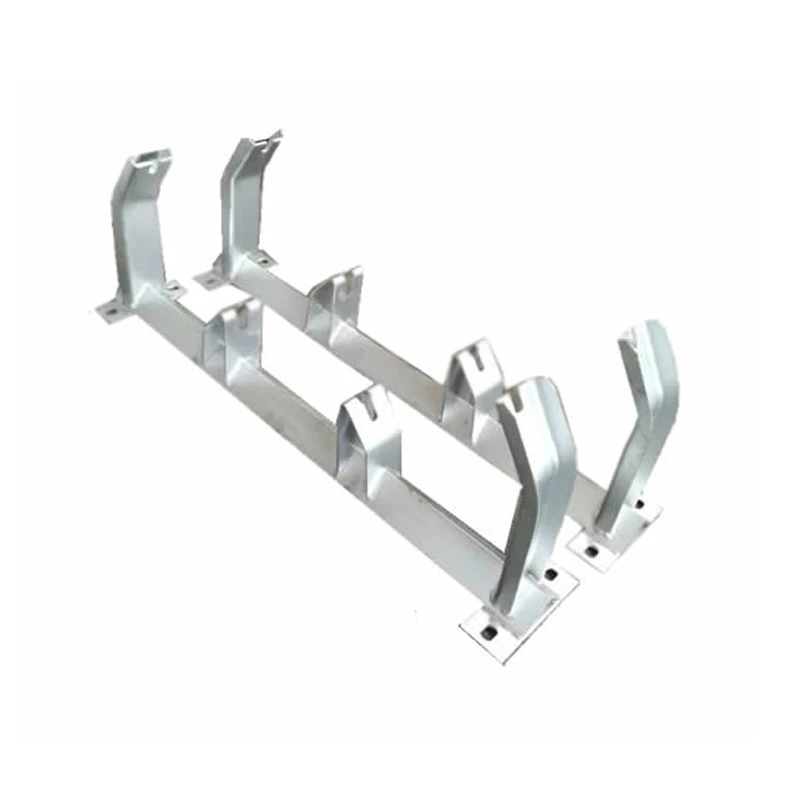
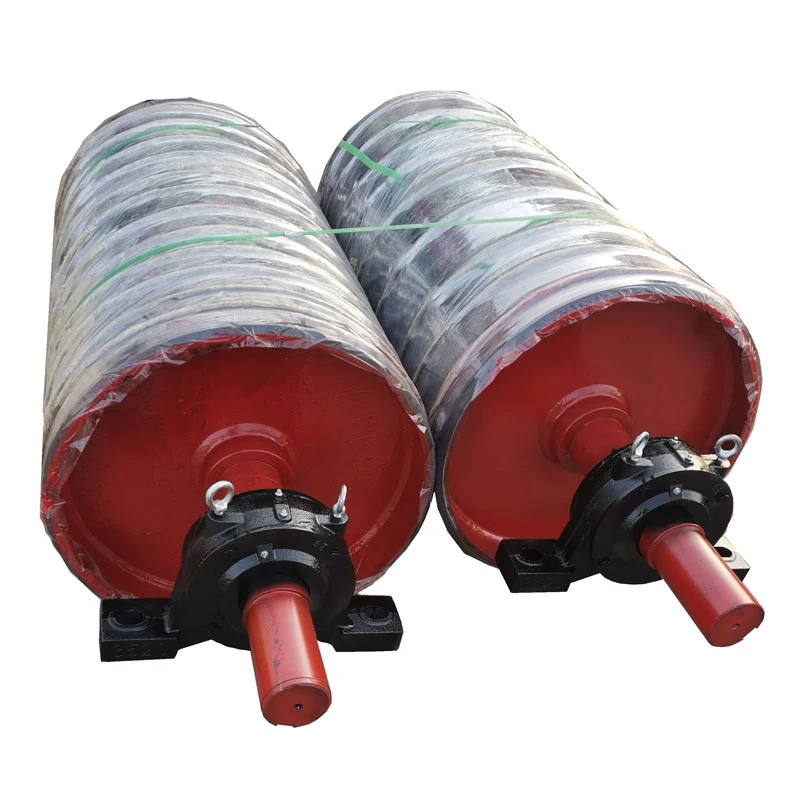
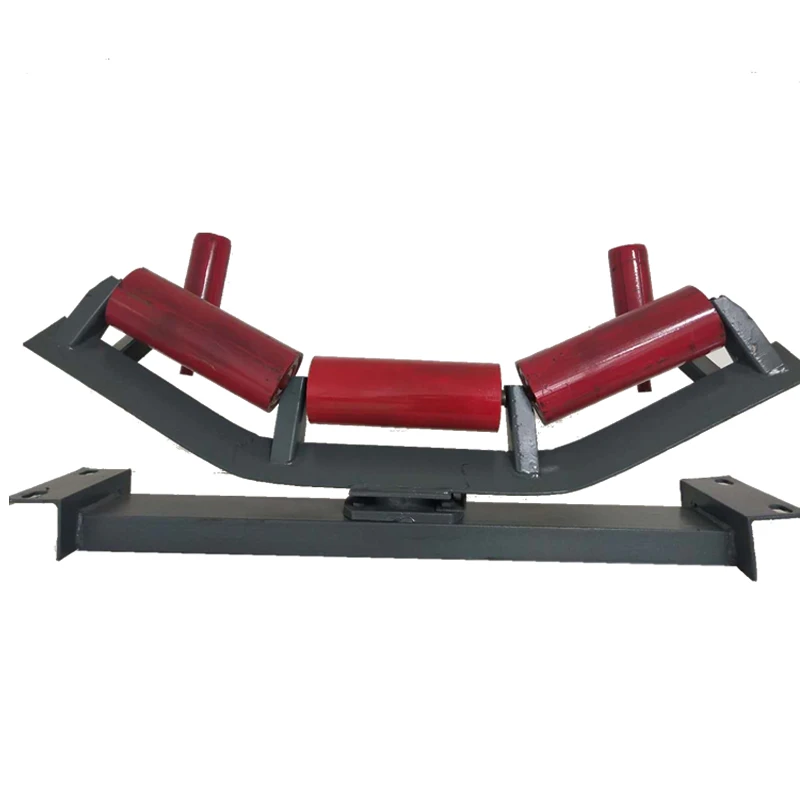
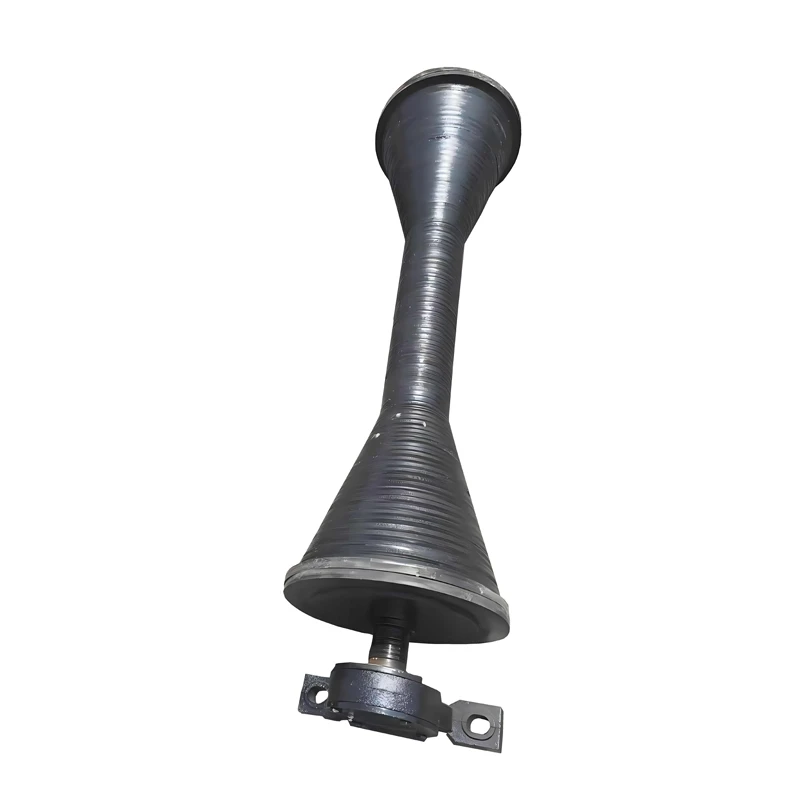
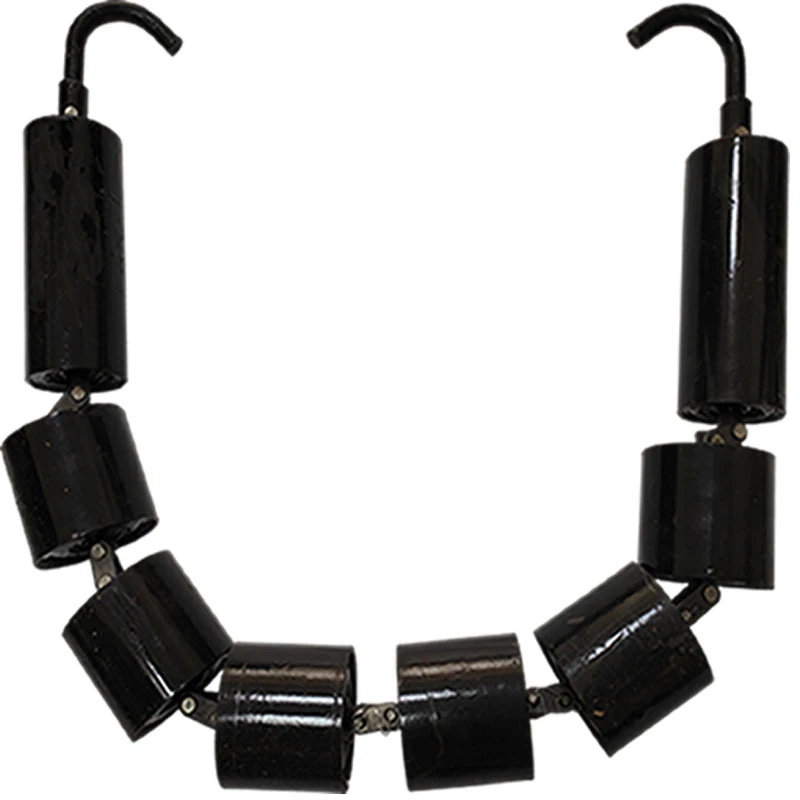
- Support rollers and pulleys designed for uneven loads.
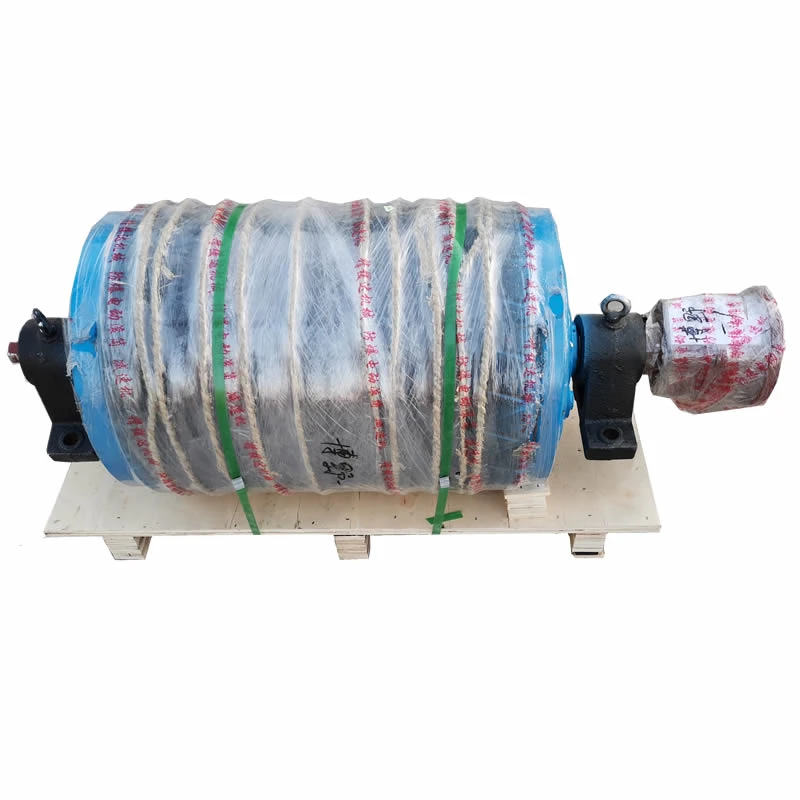
- Drive units for powering the belts at controlled speeds.
From a humanitarian perspective, soil conveyor belts help speed up disaster relief earthworks, like rebuilding embankments or creating temporary farmland quickly and safely.
Key Aspects That Make Soil Conveyor Belts Effective
1. Durability
Soil conveyor belts often endure sharp stones, moisture, and heavy soil loads. Selecting abrasion-resistant materials and reinforced layers means fewer breakdowns and longer service life. For instance, many engineers prefer belts certified to ISO abrasion resistance standards.
2. Scalability
Whether you’re moving soil a few hundred meters at a quarry or several kilometers over rugged terrain, soil conveyor belts can be custom-lengthened and modularized. This flexibility is crucial for large infrastructure projects.
3. Cost Efficiency
Compared to traditional truck hauling, conveyor belts can drastically reduce operational costs by lowering fuel use and manpower needs. Over time, the investment pays off through reduced downtime and maintenance.
4. Environmental Impact
Using conveyor belts reduces carbon emissions and dust pollution, especially over dusty processing yards. Some modern belts even incorporate pollution control add-ons like spray covers.
5. Safety
Soil conveyor belts minimize manual handling, decreasing musculoskeletal injuries and accidents related to earth-moving machinery.
Mini takeaway: Durability, scalability, and environmental friendliness make soil conveyor belts a practical and sustainable solution.
Global Applications & Real-Life Use Cases
Soil conveyor belts find their place globally. For example:
- Mining Regions: In Australia and Canada, conveyor belts haul overburden soil away to expose ore deposits efficiently.
- Post-Disaster Zones: In tsunami-hit parts of Asia, soil conveyor belts help quickly restore damaged beaches and protective embankments.
- Large-Scale Agriculture: In the US Midwest, soil conveyors aid in distributing topsoil over vast farm areas.
- Urban Construction Projects: Cities across Europe use conveyor systems to move excavated soil from underground metro tunnels out to processing yards.
Product Specification Table
| Specification | Typical Value | Remarks |
|---|---|---|
| Belt Width | 800 - 1600 mm | Customizable |
| Belt Material | Rubber w/ polyester or steel reinforcement | Abrasion & tear resistant |
| Max Load Capacity | Up to 1500 kg/m² | Depends on belt width and speed |
| Operating Speed | 1.5 - 5 m/s | Variable via drive units |
| Maximum Length | Up to 5 km | Usually modular |
Advantages & Long-Term Value of Soil Conveyor Belts
When you factor in cost savings, environmental benefits, and safety, soil conveyor belts come out on top in the long haul. Everyone from logistics managers to site workers appreciate fewer breakdowns and smoother workflows.
Emotionally, they represent innovative progress — a shift from rugged, manual labor driven projects to tech aided systems that respect worker safety and the planet. For companies, this builds trust among clients and regulators alike.
Where Soil Conveyor Belts Are Heading: Future Trends & Innovations
It feels like every year there’s some amazing tweak or upgrade — belts with embedded sensors that monitor stress and wear, or systems running on solar power to reduce onsite emissions. Digital transformation is big here. Imagine a soil conveyor belt that tells you precisely when to service it or adjust speed to minimize energy use.
Sustainability standards will likely force tighter regulations, pushing toward recyclable belt materials and less noisy operation. Automation combined with AI will transform remote monitoring and predictive maintenance, meaning less downtime.
Challenges and Solutions in Using Soil Conveyor Belts
Nothing is perfect, of course. Soil conveyor belts can be tricky with uneven loads that cause slippage or excess wear. Weather exposure leads to belt aging, and installation costs can be steep on complex sites.
However, advances like improved belt compounds, modular tracker units, and better installation planning help reduce these issues. Partnering with experienced vendors who customize solutions based on site conditions is crucial.
Vendor Comparison: Popular Soil Conveyor Belt Providers
| Vendor | Material Quality | Customization Options | Global Presence | Warranty & Support |
|---|---|---|---|---|
| ConveyorCo | High-grade steel-reinforced belts | Extensive (width, length, resistance) | North America, Australia, Asia | 5 years + 24/7 support |
| EarthMover Ltd. | Abrasion resistant polymers | Moderate (mostly belt specs) | Europe, Middle East | 3 years, online helpdesk |
| Global Conveyors Inc. | Eco-friendly, recyclable belts | High (focus on sustainability) | Global | Up to 7 years with maintenance packages |
Frequently Asked Questions About Soil Conveyor Belts
1. How long does a typical soil conveyor belt last in tough conditions?
Usually, with proper maintenance and depending on material quality, a soil conveyor belt can last anywhere from 5 to 10 years. Abrasion resistance and reinforcement layers are key factors. Environmental conditions like UV exposure and moisture can affect longevity.
2. Can soil conveyor belts be deployed quickly on temporary sites?
Yes, especially modular belts designed for rapid installation can be set up within days. This makes them ideal for emergency earthworks or short-term construction projects.
3. Are soil conveyor belts eco-friendly compared to truck haulage?
Definitely. Conveyor belts reduce carbon emissions by cutting down diesel truck use and lowering ground disturbance. Some manufacturers even offer recyclable belt materials for a greener footprint.
4. How do I choose the right soil conveyor belt for my project?
Consider load capacity, belt width, environmental conditions, and project length. Consulting with vendors who provide tailored solutions helps ensure efficiency and durability.
5. Is it possible to monitor soil conveyor belts remotely?
Absolutely. New technologies include sensors that track belt tension, speed, and wear remotely, allowing predictive maintenance and reducing downtime.
Wrapping Up: The Last Word on Soil Conveyor Belts
Soil conveyor belts may not grab headlines like flashy machines, but their role in shaping efficient, sustainable infrastructure is undeniable. From reducing environmental harm to saving costs and improving worker safety, the benefits stack up neatly. For industries and communities worldwide, the soil conveyor belt embodies a simple but powerful tool that moves earth — and progress — forward.
If you want to explore advanced soil conveyor belts or customize solutions, don’t hesitate to visit our website. The world of earth-moving just got smarter.