The Lowdown on Construction Conveyor Belts: Why They Matter Globally
If you’ve ever driven past a busy construction site or watched massive earthmoving machines shift mountains of soil, you’ve probably seen a construction conveyor belt somewhere in the background. But what’s the big deal? Simply put, these belts aren’t just mechanical workhorses; they’re integral to smooth infrastructure projects, mining operations, and disaster recovery efforts worldwide. With the global construction sector forecast to reach $15 trillion by 2030 (World Bank), understanding conveyor belts goes far beyond industrial jargon — it’s about grasping a vital link in our built environment’s supply chain and sustainability story.
The benefits? Time savings, safety improvements, and cost cutting — all wrapped up in a piece of equipment that quietly keeps projects humming. Knowing what’s under the hood means making smarter choices, whether you’re an engineer, project manager, or simply curious.
Why Construction Conveyor Belts Are Central to Global Industry and Development
Construction conveyor belts have emerged as a global necessity due to increasingly complex infrastructure demands and a push towards automation. According to ISO standards for mechanical handling equipment, these belts optimize moving bulk materials — think gravel, coal, concrete — without the backbreaking labor and inefficiencies of traditional haul trucks or manual transport.
Remarkably, the United Nations’ Sustainable Development Goals highlight the importance of resilient infrastructure and innovation — and conveyor systems neatly fit under that umbrella. They tackle a perennial challenge: how to improve site logistics while minimizing environmental footprints and risk to workers.
Consider this: on massive dam construction projects or rapid post-disaster rebuilding, time saved in moving earth or debris equals jobs saved, budgets kept, and safety improved. Yet challenges remain, such as durability under severe weather, scalability to diverse site sizes, and cost-effective deployment in far-flung regions.
Core challenge addressed:
- Reducing manual handling risks
- Handling large volumes consistently
- Improving site workflow and sequencing
- Lowering carbon emissions by cutting back on heavy vehicle use
What Exactly Is a Construction Conveyor Belt?
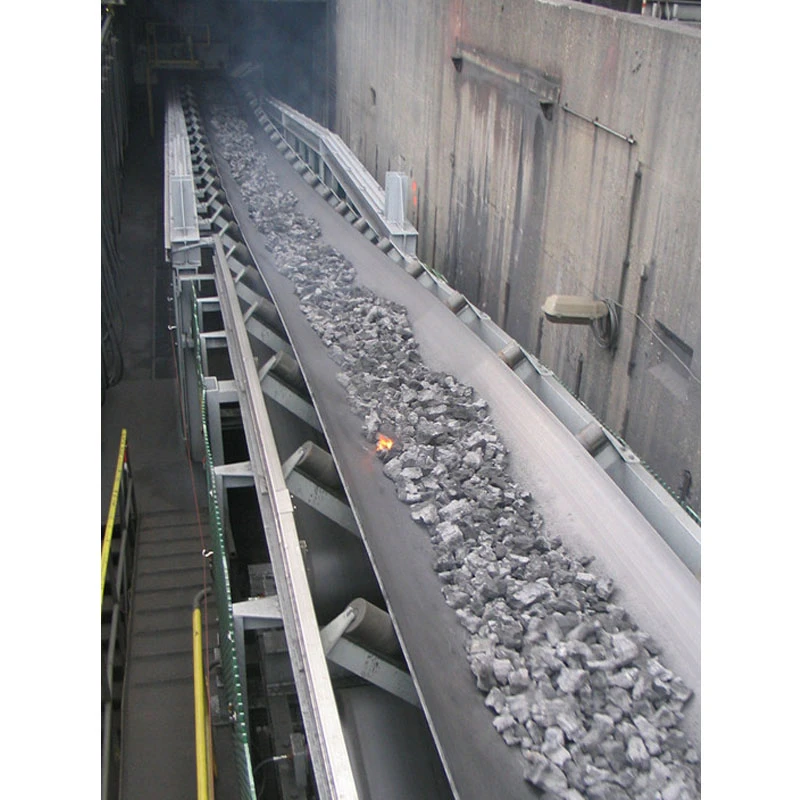
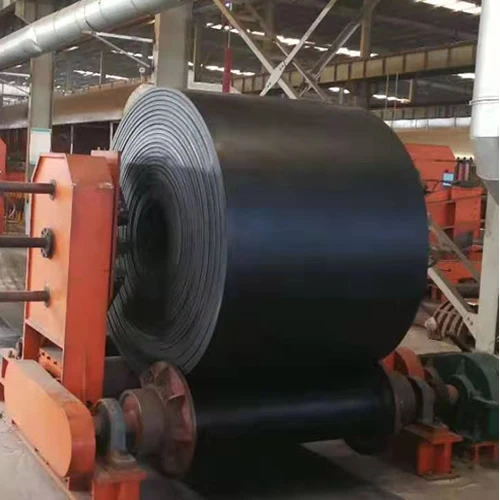
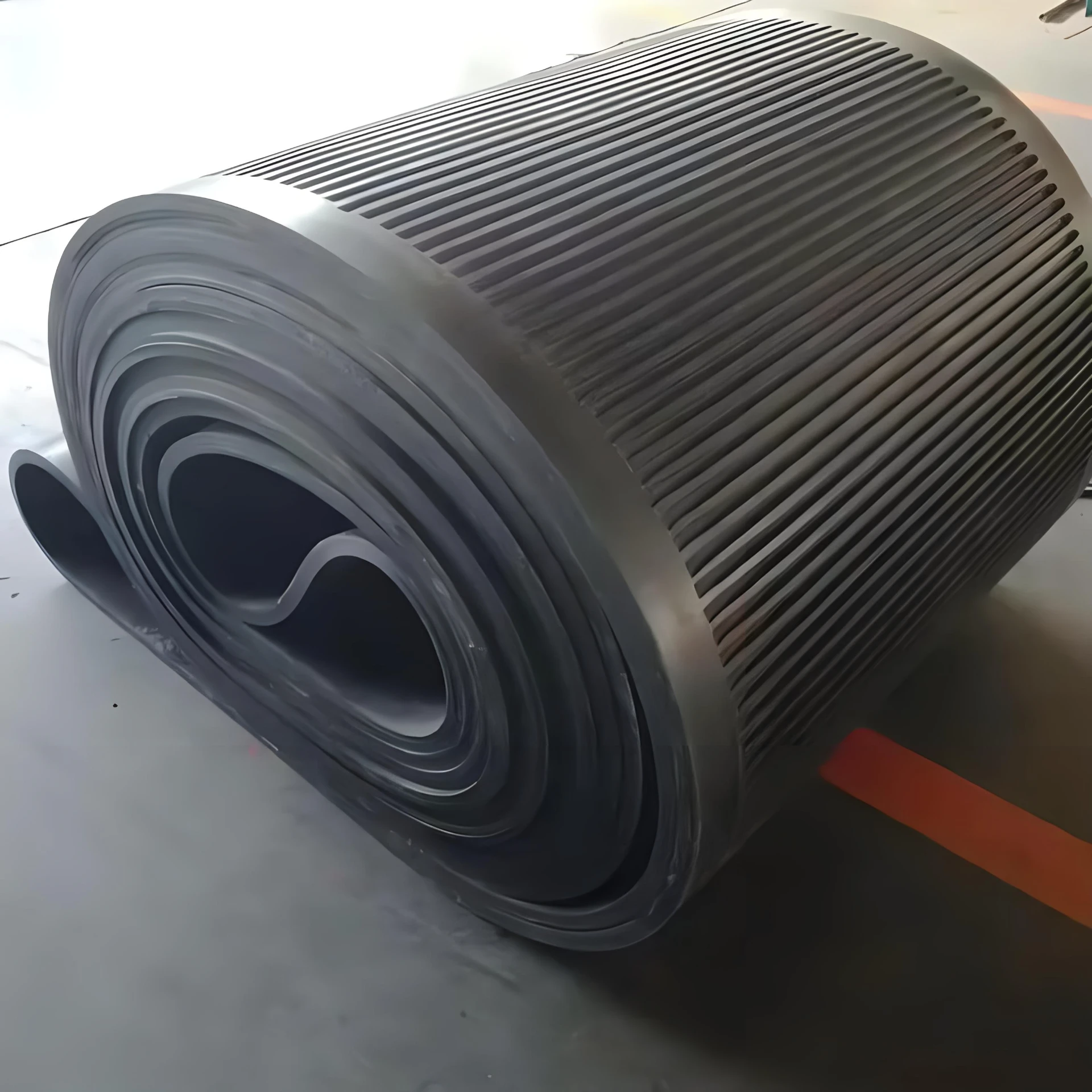
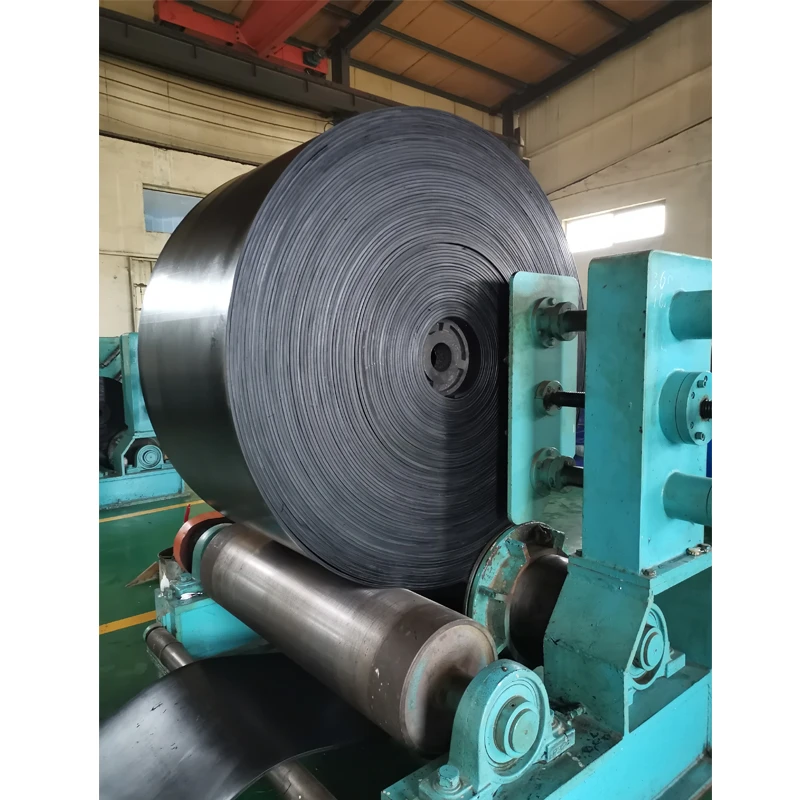
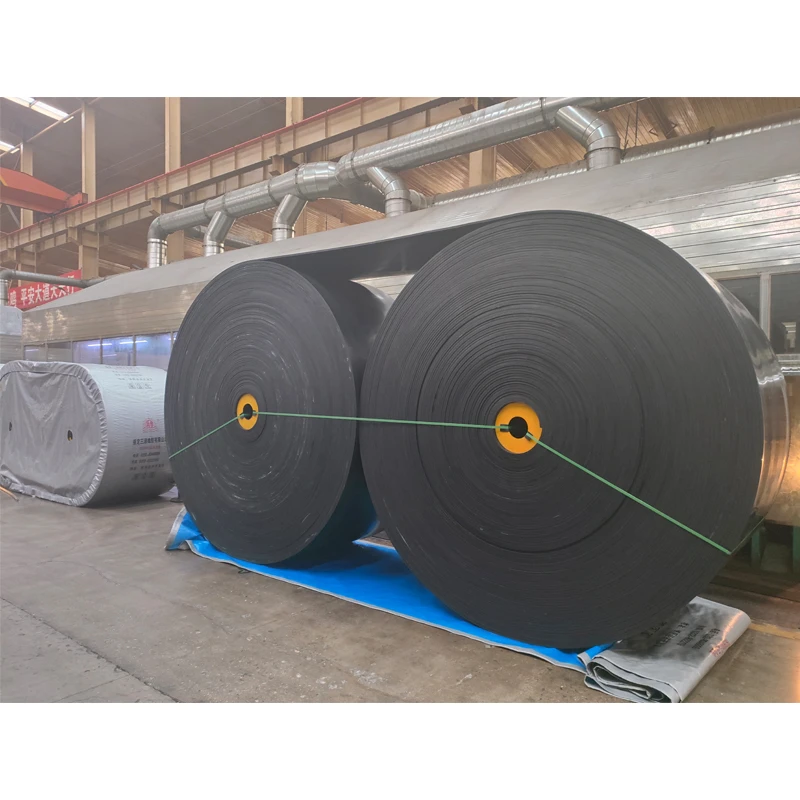
Think of a construction conveyor belt as a long, continuous loop of material — usually rubberized or synthetic fabric — stretched over rollers and pulleys. Its job? To transport bulk materials from one point to another without stopping. Unlike traditional lifts, these belts run steadily, moving tons of aggregate, sand, bricks, or demolition debris efficiently and evenly.
More than just a mechanical marvel, these belts embody industrial modernity by linking raw material sources to processing or building sites. Humanitarian organizations pick them for rapid refugee camp setups or debris clearance — anything that demands fast, reliable material movement over tough terrain.
What Makes a Construction Conveyor Belt Tick? Key Components and Features
Durability
Rough job sites and harsh climates demand belts made from tough materials — often multilayered synthetic fibers coated with abrasion-resistant rubber. This means less downtime fixing tears or misalignments, which, frankly, every project hates.
Scalability & Customization
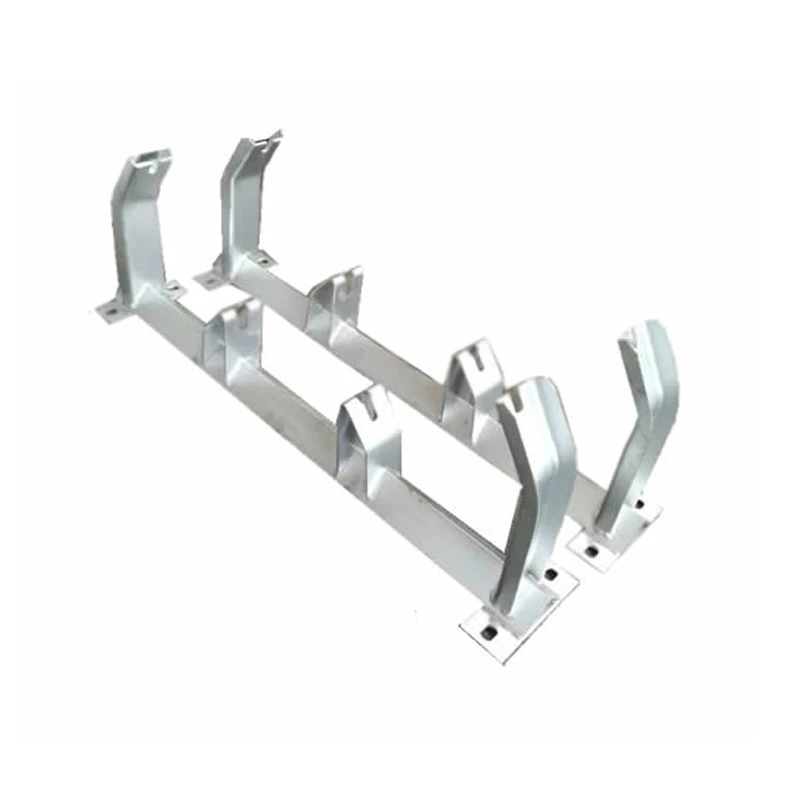
Whether you need a short conveyor for a compact urban site or a 2-kilometer-long belt along a mountainside, systems are highly customizable. Modular sections fit together, and motorized drives adjust speed to match material flow — pretty neat if you ask me.
Cost Efficiency
Initial investment aside, conveyor belts deliver value by cutting labor costs and fuel consumption for trucks, plus limiting delays. In large-scale, ongoing projects, this really stacks up.
Environmental & Safety Features
Low noise emissions, dust suppression systems, and quick emergency stops are standard now to comply with stricter occupational and environmental regulations worldwide.
Technology Integration
Many modern conveyor belts include sensors to monitor belt tension, load weight, and wear patterns — this helps engineers plan maintenance before things break, a nice dose of predictive magic.
| Specification | Typical Range/Value | Notes |
|---|---|---|
| Belt Width | 300 mm – 2000 mm | Depends on material & site needs |
| Material Capacity | 50 to 1500 tons/hour | Varies by speed and belt width |
| Max Belt Speed | 1 – 5 m/s | Adjustable for material safety |
| Operating Temperature | -20°C to 60°C | Suitable for most climates |
| Load Sensor Capabilities | Integrated or optional | Enables predictive maintenance |
Construction Conveyor Belts in Action Around the World
From the mining pits of Australia to the rapidly urbanizing hubs in Southeast Asia, conveyor belts help move mountains. Frankly, they’re everywhere. In post-hurricane Puerto Rico, conveyor systems were crucial to clear debris quickly, speeding relief efforts and allowing roads to reopen.
Remote industrial zones in Canada depend on portable conveyor belts to handle ice and rock deliverables without costly truck convoys. And millions of tons of construction aggregates in the EU highways projects move seamlessly thanks to these belts — predictable linkages in a massive chain.
Even NGOs have gotten wise. They use conveyor setups for refugee camps, moving supplies without creating unnecessary hazards or congestion.
Advantages and the Longer-Term Value You Might Not Think About
There’s the obvious stuff — speed, efficiency, safety — but I always appreciate that conveyor belts bring stability to what would otherwise be chaotic sites. Reduced heavy truck traffic limits accidents and dust clouds, which means cleaner air and safer workers.
Socially, they help maintain project timelines, providing jobs and infrastructure to communities faster, and often with less disruption. It feels a bit like building trust into every stage of construction.
Financially, the ROI makes sense especially on repeated or large-scale projects — lower emissions, fewer repairs, and better uptime add up.
Tomorrow’s Conveyor Belts: Innovation on the Horizon
Looking ahead, the sector is buzzing about solar-powered conveyor belts and AI-enabled monitoring systems that might adjust speeds and loads automatically. Green energy integration is no longer a gimmick; it’s becoming a standard as ISO pushes sustainability guidelines for construction equipment.
Robotic arms for belt maintenance, cleaner modular materials, and advanced wear-resistant coatings are also trending. Honestly, it’s as if the humble conveyor belt is stepping into a smarter, greener future without losing its rugged practicality.
Common Hurdles and How Experts Suggest Overcoming Them
- Wear and Tear: Tough environment means more frequent damage — solution? Better materials and predictive sensors to flag issues early.
- Deployment in Remote Areas: Logistics challenges addressed with modular, lightweight designs.
- Cost Barriers: Leasing models and scalable options making it accessible to smaller contractors.
Many engineers emphasize that proper installation and regular upkeep — the “boring stuff” — ends up making the biggest difference.
FAQ About Construction Conveyor Belts
- Q: How long does a construction conveyor belt typically last?
A: With regular maintenance, belts often last 5–10 years, but exposure conditions can shorten this. Choosing the right material for your project environment hugely affects longevity. - Q: Can conveyor belts operate on uneven or inclined surfaces?
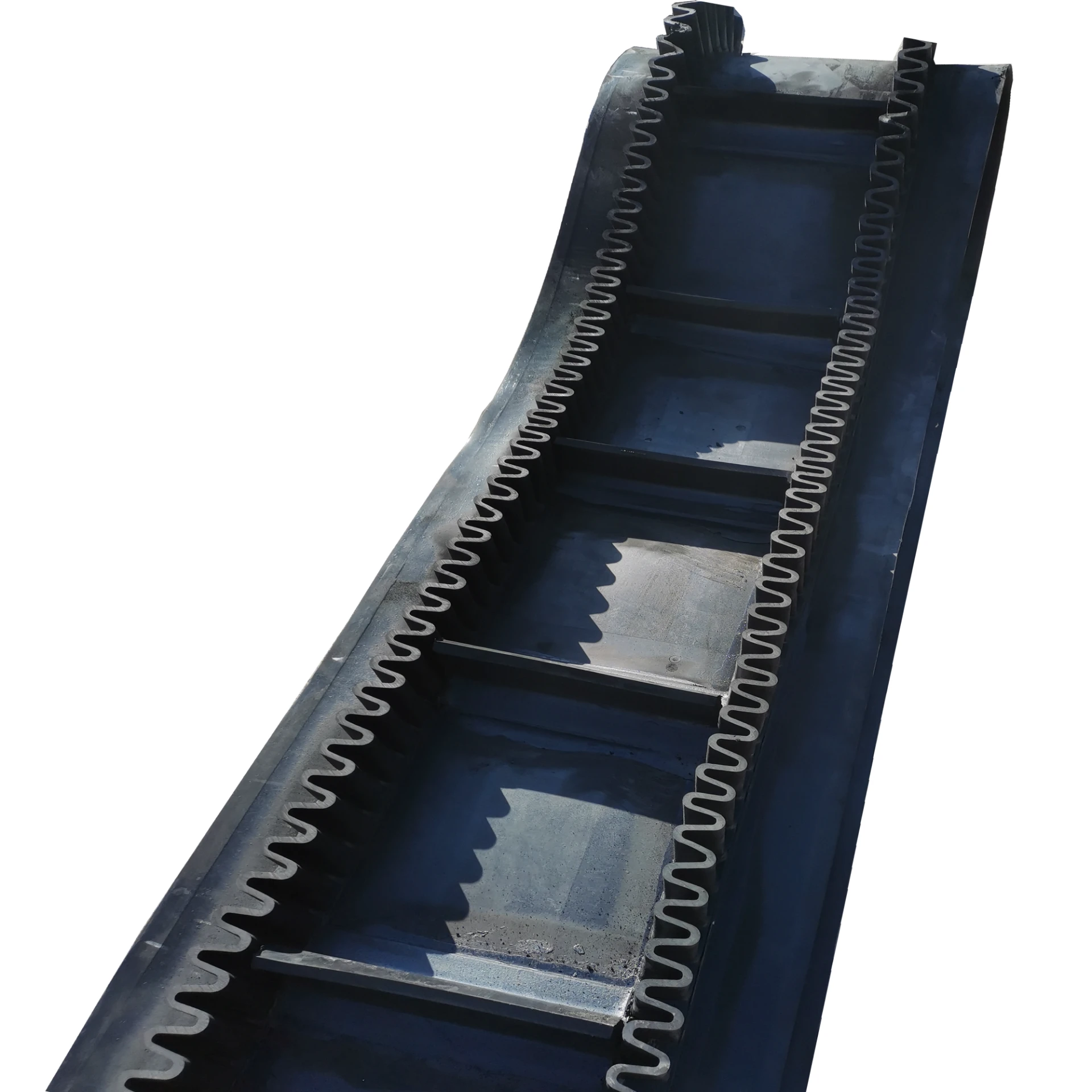
A: Absolutely. Many belts are designed with cleats and adjustable tension systems to handle slopes and rough terrain, maximizing versatility. - Q: Are these belts energy-intensive?
A: Generally, no. They are more energy-efficient than trucks hauling material over the same distance, and emerging solar-powered versions further reduce carbon footprints. - Q: How do I know which conveyor belt supplier to trust?
A: Look for companies with certifications like ISO 9001, good after-sales support, and proven track records in your industry. We’ve included a quick comparison below to help.
| Vendor | Price Range | Customization Options | Support/Service | Certifications |
|---|---|---|---|---|
| HG Conveyor Systems | $$$ | Wide range, modular | 24/7 technical support | ISO 9001, CE |
| Global Belt Inc. | $$ | Standard sizes, some options | Business hours support | ISO 14001 |
| EcoMove Solutions | $$$ | Focus on solar-powered models | Dedicated green project team | ISO 9001, LEED |
Wrapping Up: Why Construction Conveyor Belts Are Worth Your While
At the end of the day, these belts aren’t just construction site helpers; they’re vital cogs in the machinery that builds roads, dams, and homes — infrastructures that underpin modern life. They marry durability with innovation and serve as a quiet promise of progress and safety.
For anyone interested in exploring reliable options and the latest tech in this space, a solid starting point is definitely HG Conveyor Belt. Take a closer look, test the specs, and imagine how adding the right conveyor belt can shift your project from stressful to smooth.