Understanding the Incline Conveyor Belt: Benefits, Uses & Future Trends
Making Sense of the Incline Conveyor Belt: Why It Matters More Than You Think
If you’ve ever watched an airport baggage system silently shift bags upward without fuss, or a factory seamlessly transfer raw materials to the next process step, you’ve witnessed the humble incline conveyor belt at work. It’s one of those quietly brilliant pieces of engineering that moves goods upward at the right speed, angle, and efficiency — yet often goes unnoticed. But globally, in industries from mining to food processing to disaster relief logistics, incline conveyor belts help solve some surprisingly complex transport challenges. Understanding these conveyor systems matters because they enable automation in increasingly vertical spaces, where horizontal transport just won't cut it anymore. This not only saves time and labor but improves safety and reduces product damage. Plus, with growing pressures on industry to optimize every square meter of space and boost sustainability, getting smart about incline conveyors translates directly into bigger operational wins worldwide.Global Context: Why Incline Conveyor Belts are a Growing Industrial Necessity
The intertwining of global supply chains and rapid urbanization means factories and warehouses are leaning into vertical storage and processing. According to the International Organization for Standardization (ISO), industries are pushing conveyor innovations to reduce energy consumption and increase throughput efficiency. Incline conveyor belts answer these calls by seamlessly moving items upward between floors or along sloped terrain without the jarring motions of lifts. In mining, where operations often span rough hillside terrain, incline conveyors cut the reliance on trucks and manual labor, slashing costs and environmental impact. The global material handling equipment market, valued at around USD 29 billion in 2022 (Statista), is seeing incline conveyors take an increasing share as industries tackle logistical bottlenecks. Yet, challenges remain: moving products uphill puts more stress on belts and motors, risks rollbacks, and demands precise design to prevent spillage. That’s where the specifics of belt materials, motor power, and surface textures come in — but more on that soon. Mini takeaway: Incline conveyor belts are no longer niche; they're critical to modern industrial efficiency and sustainability worldwide.What Exactly Is an Incline Conveyor Belt?
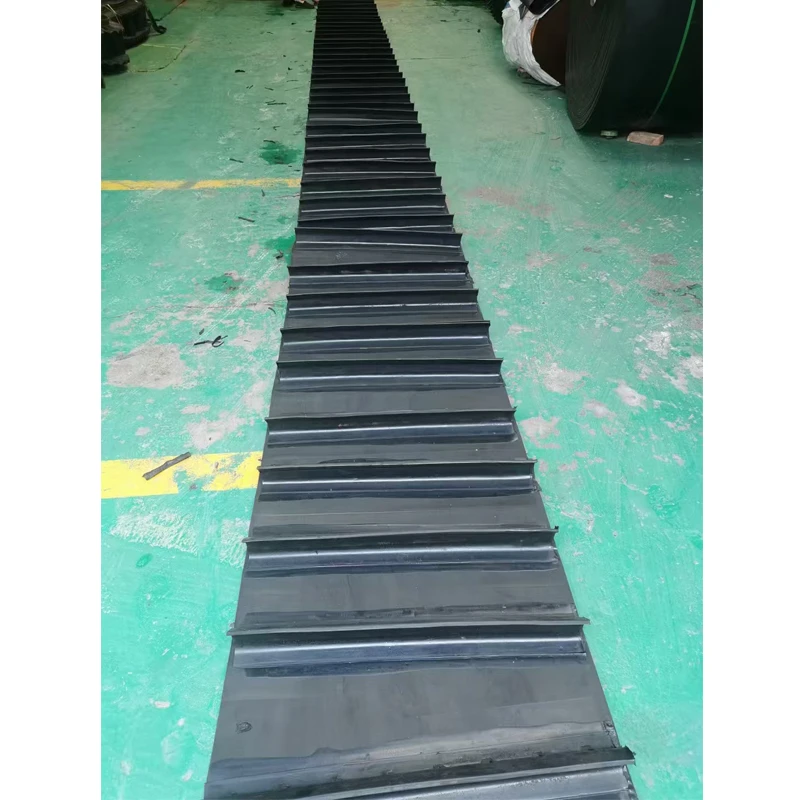
Put simply, an incline conveyor belt is a mechanical system designed to transport goods upward at an angle, ranging typically between 0° and 45°, though some custom setups push even steeper. Unlike a flat conveyor belt just moving cargo horizontally, these belts have specialized surfaces and supports to keep materials from sliding back down during transport. Behind the scenes, this means integrating strong belt materials, controlled friction surfaces (like cleats or sidewalls), and motors calibrated to handle the incline’s added resistance. Think of it as a steady, powered ramp that shoulders the task of moving items uphill smoothly — keeping pace with production or handling needs. From warehouses stacking pallets to platforms transferring food ingredients, incline conveyors fill a spot between vertical lifts and flat belts — combining the benefits of continuous flow and space-saving height management.Core Components and Key Factors of Incline Conveyor Systems
1. Durability and Material Selection
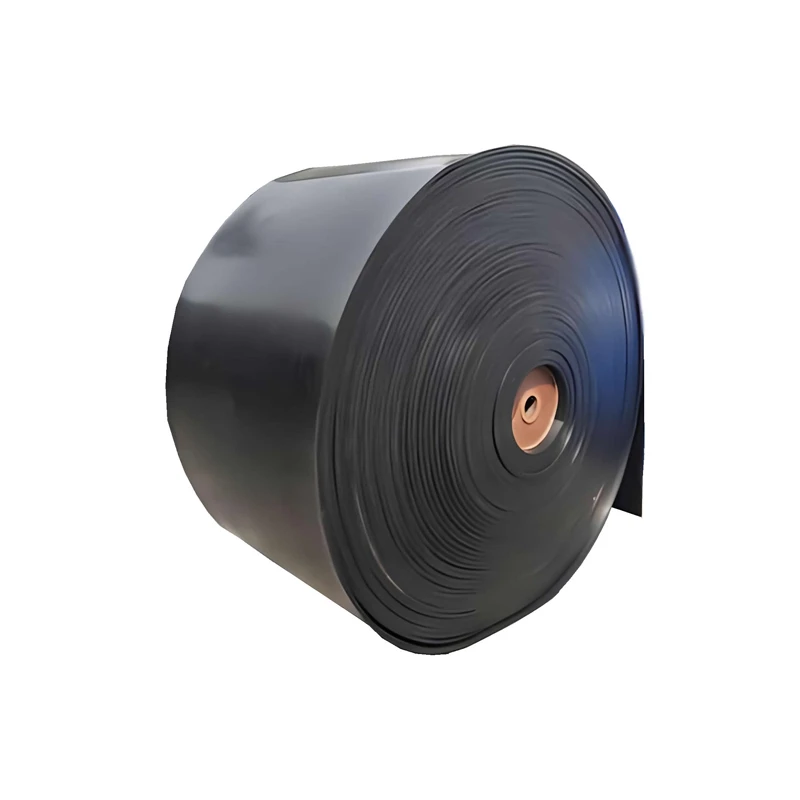
Materials vary: from rubber and PVC belts to metal mesh, each with different grip and wear characteristics. In mining or food processing, durability against abrasion, temperature extremes, or contamination is paramount. The goal is a belt that lasts but still grips cargo enough to beat gravity.2. Belt Surface and Design Features
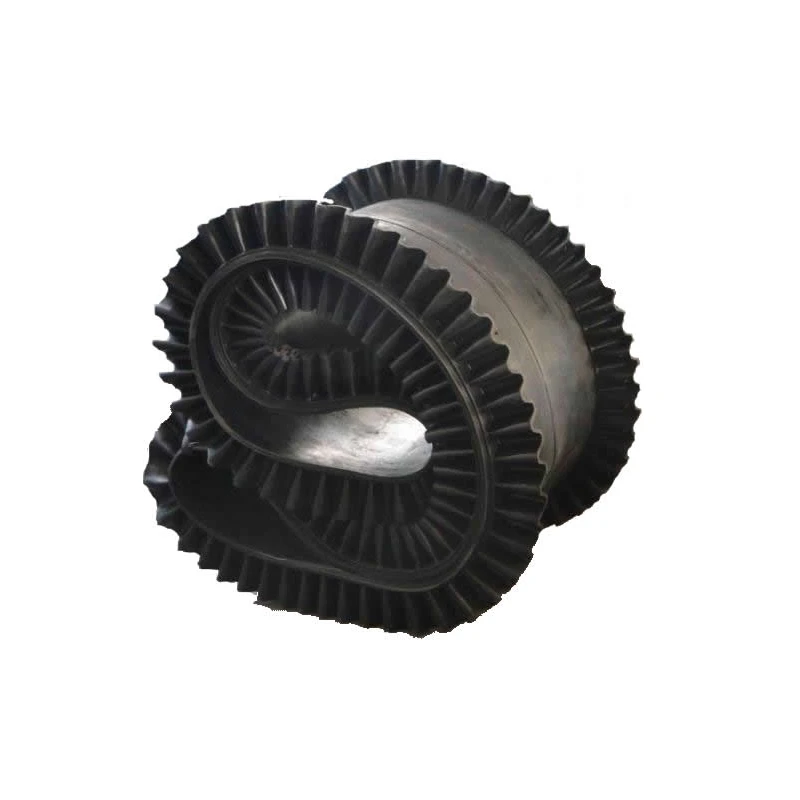
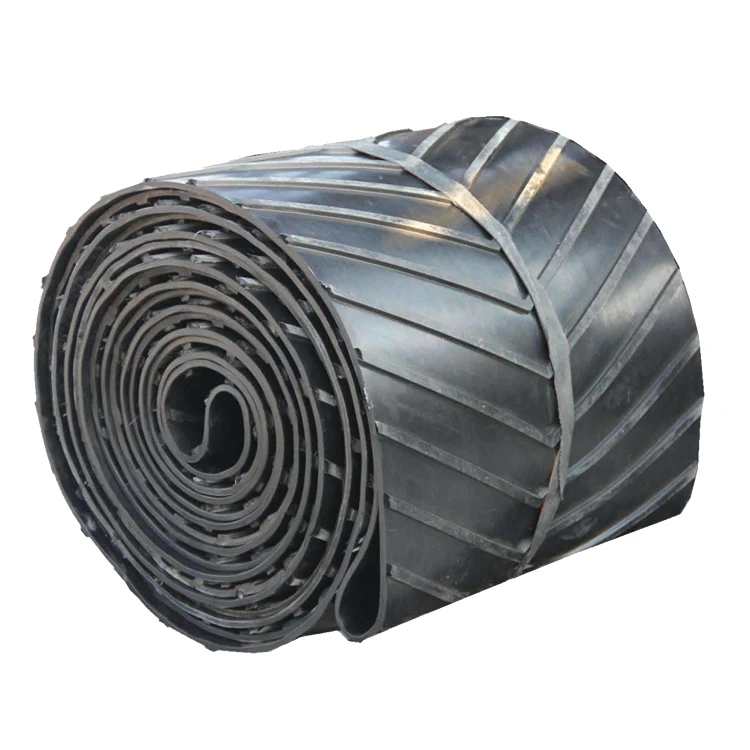
To prevent rollback and slippage on inclines, belts often come with cleats, sidewalls, or textured surfaces. These additions “catch” items and boost traction, which means smoother uphill conveyance without interruption.3. Power and Motor Control
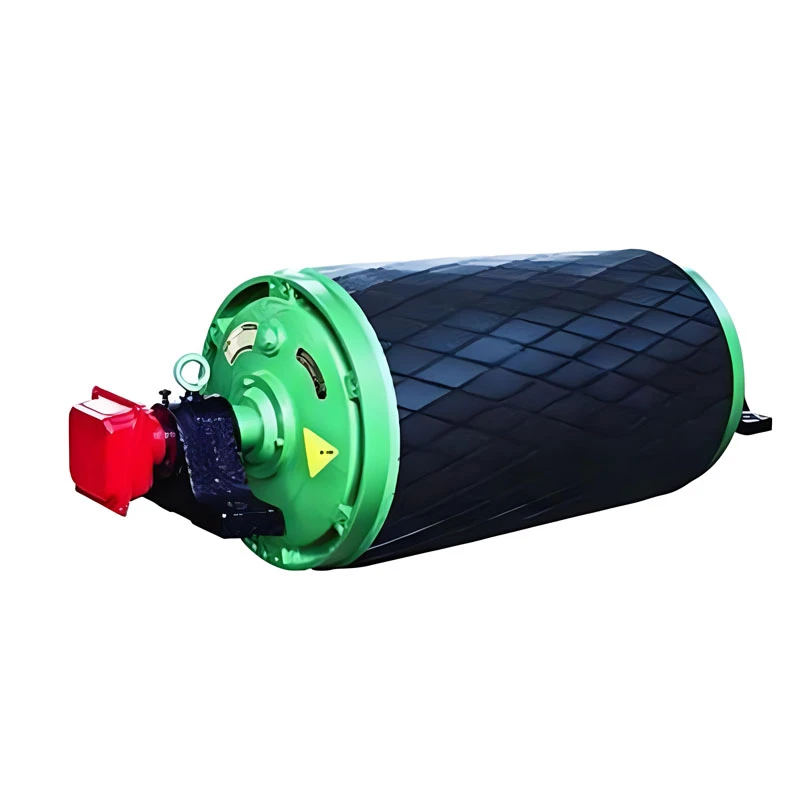
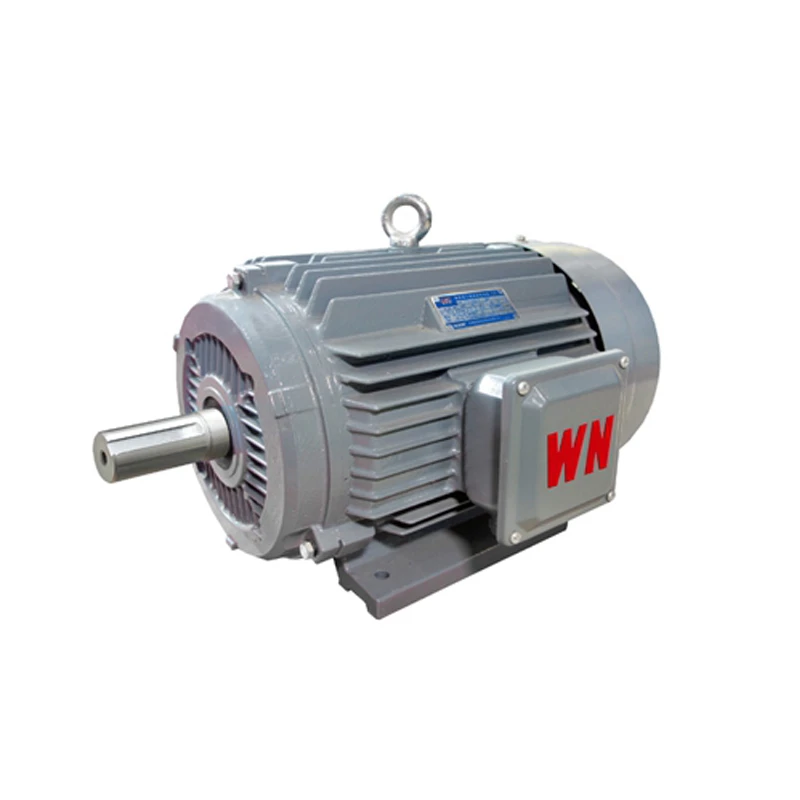
Inclines need stronger motors than horizontal conveyors due to gravity’s added drag. Variable speed drives and torque control keep acceleration and deceleration smooth — avoiding that awkward jerk when items might topple or fall.4. Scalability and Customization
Every facility’s layout and product specs differ. Wide belts for automotive parts, narrow profiles for pharmaceuticals, or modular designs that adapt to curved inclines — you name it. Scalability ensures the system grows as business demands climb.5. Cost Efficiency and Maintenance
High-quality incline conveyors often demand more upfront investment but save through reduced manual handling, less downtime, and longer lifespan. Maintenance access and modular components also matter — engineers often look for easy maintenance points that don’t slow production.6. Safety and Compliance
In industries with strict safety regulations (think food processing or hazardous materials), incline conveyors meet standards like OSHA or ISO 14120 for guarding and emergency stops — ensuring the whole operation runs without incident. Mini takeaway: Choosing or designing an incline conveyor demands balancing durability, power, customization, and safety for best real-world results.Where Incline Conveyor Belts Really Make a Difference Globally
Take Japan’s compact urban factories, where floor space is gold. Incline conveyors zip materials from ground level up to mezzanine storage, trimming footprint sizes drastically. Over in Australia’s iron ore mines, slope conveyors replace dozens of trucks shuttling uphill — reducing CO2 emissions and costs. In humanitarian relief efforts, incline conveyors have even found a place in temporary logistics hubs, where they rapidly move supplies loaded from trucks onto elevated platforms for sorting. Organizations like the UN’s World Food Programme rely on such systems for fast, damage-free handling in crisis zones. Incline conveyor belts thus stretch across continents and sectors — keeping goods flowing up and onward.Advantages and Long-Term Value of Using Incline Conveyor Belts
- Cost Reduction: Automated vertical transport reduces labor needs and speeds throughput, lowering operational costs. - Space Efficiency: Utilizing height preserves valuable floor space in congested facilities. - Environmental Impact: Replacing trucks or forklifts with electric-powered conveyors cuts carbon footprints. - Improved Safety: Minimizes manual handling in hazardous incline zones. - Product Integrity: Smooth conveyance reduces item damage and spoilage. - Scalable Investment: Modular systems grow with demand, protecting upfront costs. Emotionally, facility managers often note that watching a well-tuned incline conveyor is oddly satisfying — the perfect blend of power and grace, reliability and innovation. It’s a trust-worthy heartbeat in a complex operation.Looking Ahead: Future Trends in Incline Conveyor Technology
Smart sensors and IoT connectivity are transforming incline conveyors into intelligent parts of factory floors. Real-time monitoring of belt tension, speed, and wear means predictive maintenance can prevent costly downtime. Materials science is pushing barriers with lighter, stronger belt composites and eco-friendly coatings. Automation integration — with robots loading and unloading at conveyor endpoints — is increasingly common. And energy efficiency? Solar-powered or regenerative braking motors are no longer sci-fi ideas but practical options enhancing sustainability. Even modular designs are evolving, enabling quicker installation and reconfiguration — crucial in fast-changing industrial landscapes or emergency relief contexts.Common Challenges and How the Industry is Overcoming Them
Inclined belts struggle with spillage, vibration, and mechanical strain. Misalignments cause wear, and cleaning sticky or dusty materials can clog systems. However, engineers are developing: - Adjustable cleat profiles for specific products, - Self-cleaning belt surfaces, - Enhanced belt tracking systems using laser sensors, - And hybrid drive units that combine electric and hydraulic elements to improve power efficiency. Training operators and regular inspections remain essential. It feels like the tech’s here, but human know-how keeps it all running smoothly.FAQ: Your Top Questions About Incline Conveyor Belts
Q1: What’s the maximum angle an incline conveyor belt can safely handle?A: Typically, incline belts operate effectively up to 30°–45°, depending on belt type and surface features like cleats or sidewalls. Beyond that, specialized designs or vertical lifts may be needed to ensure safe, slip-free transport. Q2: How do I choose the best surface for my incline belt?
A: Consider your product’s friction coefficient, size, and shape. Foods may need smooth, cleanable belts, while bulk materials might benefit from cleated or textured belts to prevent backsliding. Consulting supplier specs and trials is always wise. Q3: Can an incline conveyor belt be used outdoors?
A: Yes, but outdoor use requires belts and motors that resist weather, UV damage, and debris. PVC and rubber belts with waterproofing and protective covers are common solutions. Q4: How often should maintenance be performed on incline conveyor belts?
A: Regular visual inspections weekly or monthly are standard, with thorough service every six months to a year depending on usage and environment. Predictive sensors can help optimize this schedule. Q5: Are there eco-friendly incline conveyor belts?
A: Yes. Some manufacturers offer belts made from recycled materials or with biodegradable properties. Energy-efficient motors and smart controls also improve environmental performance.
Product Specification Table: Typical Industrial Incline Conveyor Belt
| Specification | Details |
|---|---|
| Belt Width | 500 mm – 1500 mm |
| Max Incline Angle | Up to 45° (with cleats) |
| Belt Material | Rubber with PVC coating, or modular plastic |
| Motor Power | 1.5 – 7.5 kW variable drive |
| Surface Features | Cleats, sidewalls, textured cover options |
| Max Load Capacity | Up to 500 kg/meter belt length |
Vendor Comparison: Leading Incline Conveyor Belt Providers
| Feature / Vendor | ConveyorCo | BeltMaster | EcoLift Systems |
|---|---|---|---|
| Specialty Material Options | Standard rubber & PVC | Food-grade & flame retardant | Recycled & biodegradable belts |
| Max Incline Angle | 40° | 45° with cleats | 35°, focuses on energy efficiency |
| Automation Integration | Basic sensor optional | Advanced IoT monitoring included | Full smart factory compatible |
| Maintenance & Support | Standard 1-year warranty | On-site training & 2-year warranty | Remote diagnostics & 3-year warranty |
| Price Range | $12,000 – $25,000 | $18,000 – $30,000 | $20,000 – $35,000 |