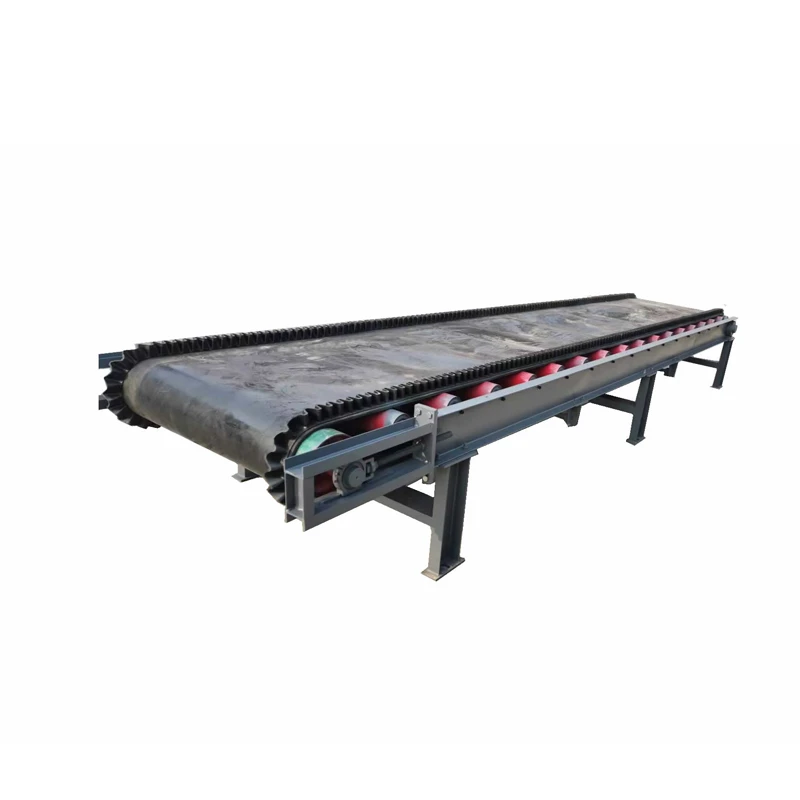
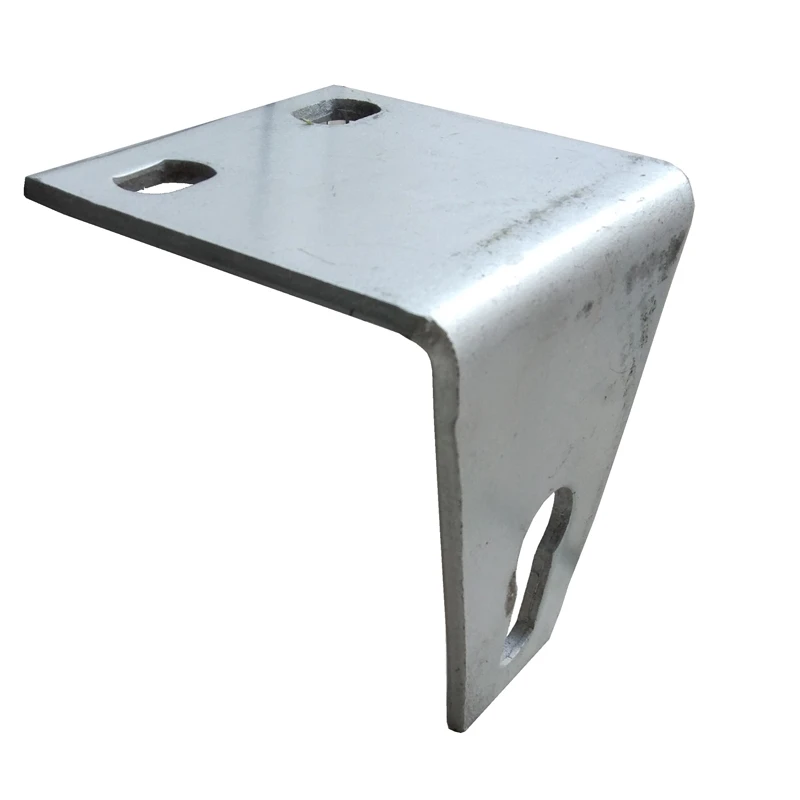
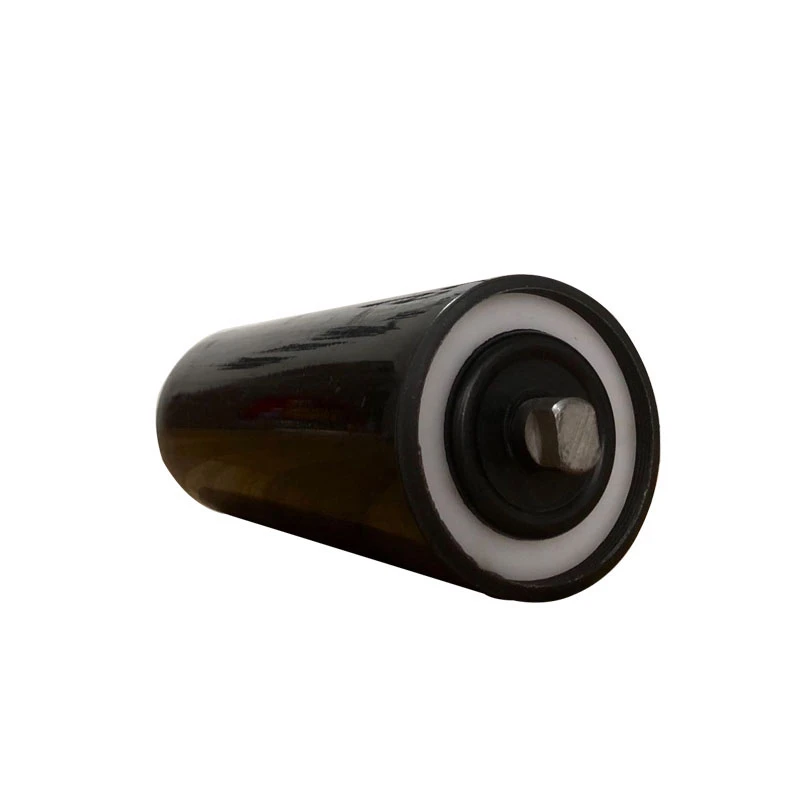
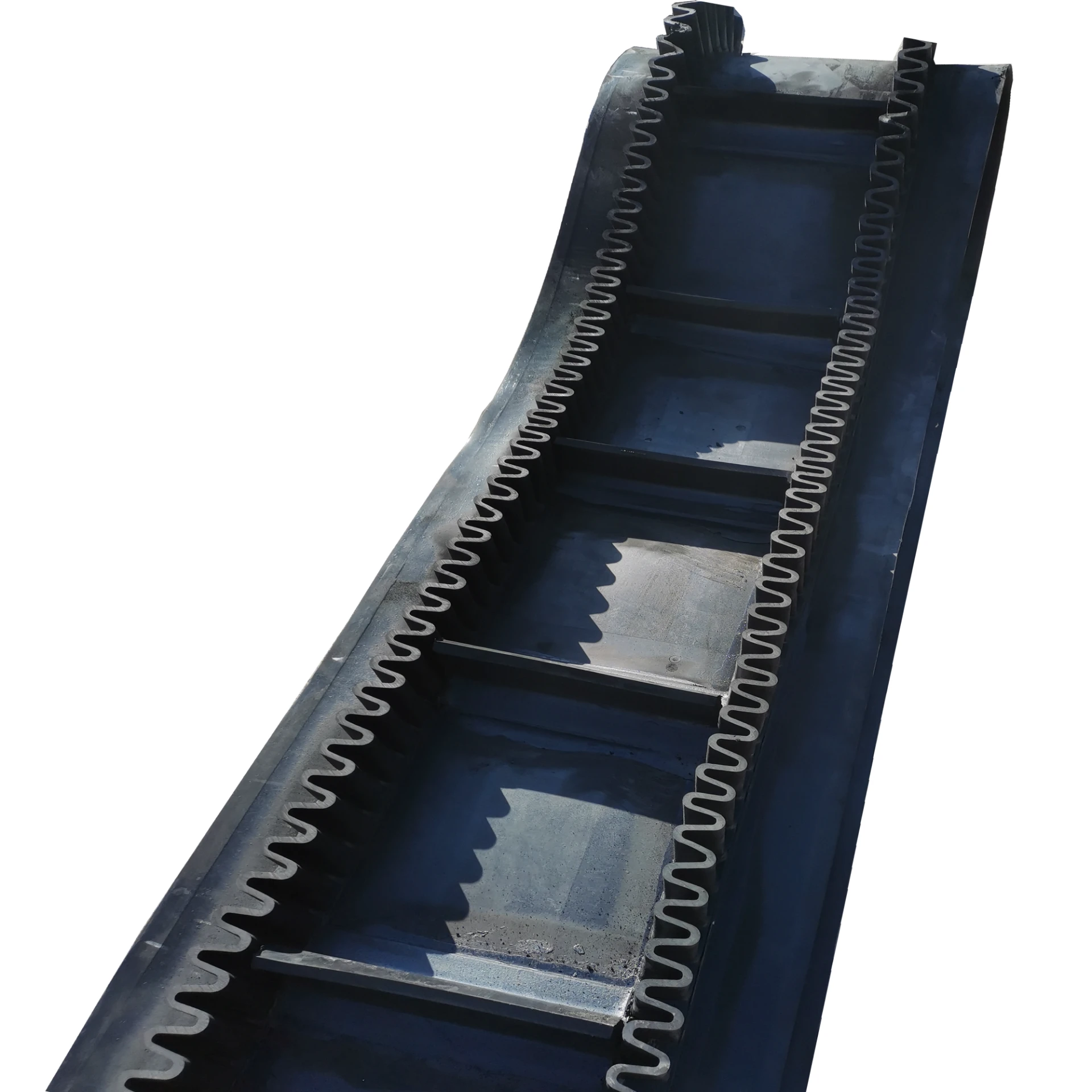
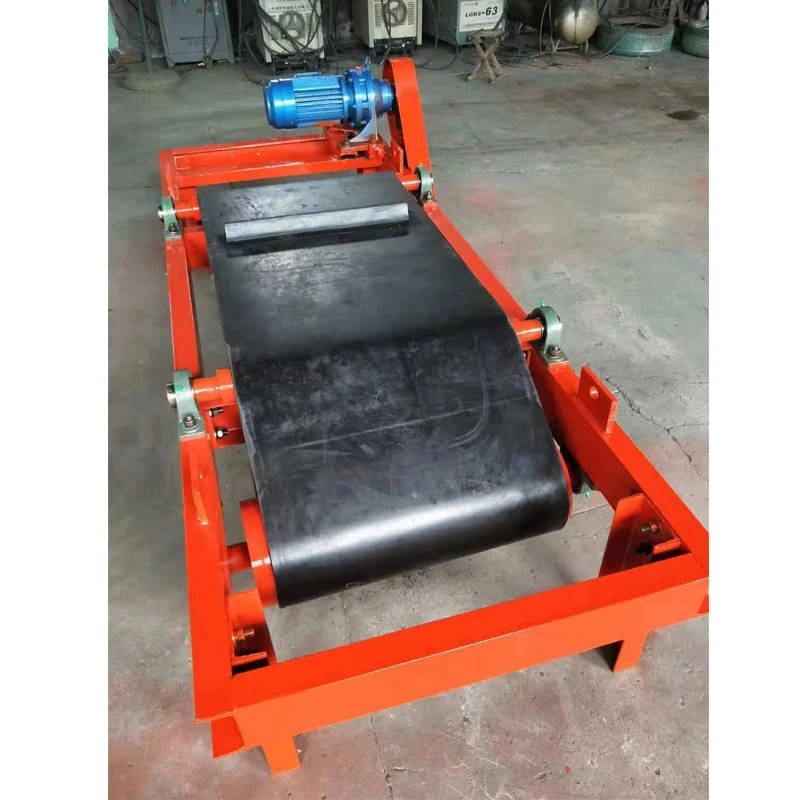
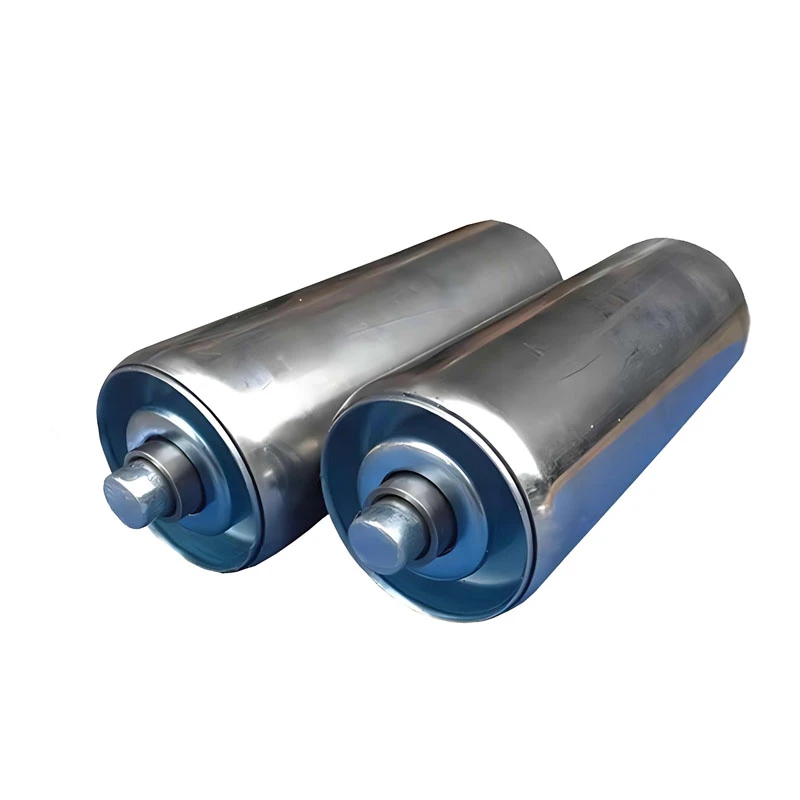
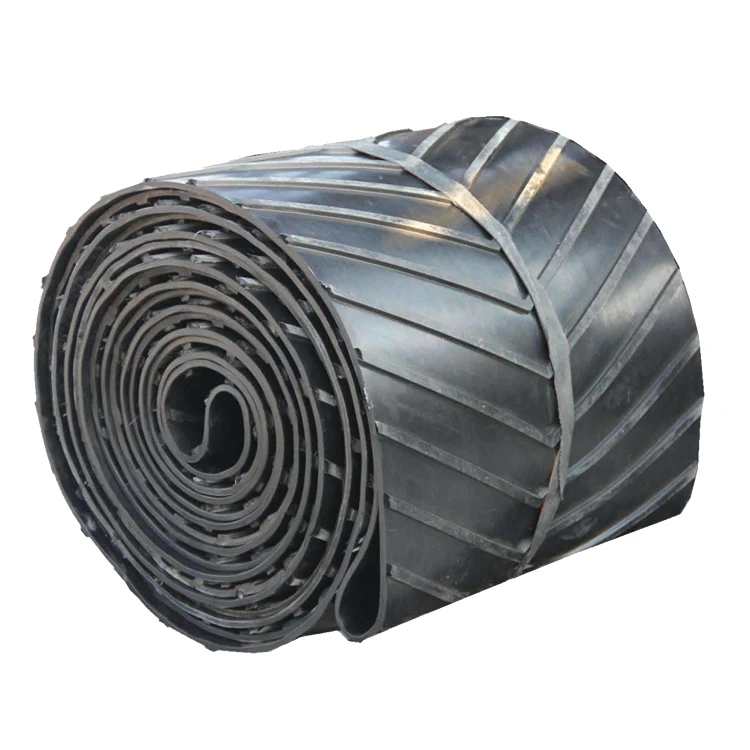
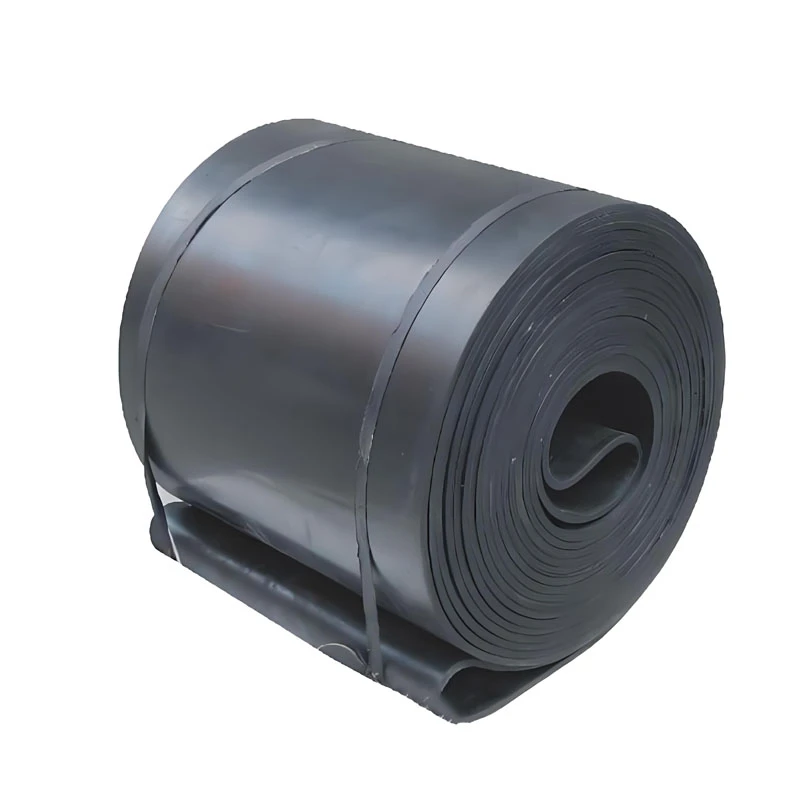
The Unsung Backbone of Modern Industry: Mesh Conveyor Belts
Mesh conveyor belts might not be the headline-grabbing tech gadget or high-profile renewable resource you first think of, but their role in global industry and logistics is nothing short of indispensable. At their core, these belts transport goods smoothly, reliably, and efficiently across many sectors — from food processing to heavy manufacturing. Understanding mesh conveyor belts is not just for engineers or factory managers; it’s a window into how modern supply chains and humanitarian operations keep turning, even under pressure.
In a world increasingly focused on speed, sustainability, and automation, grasping the benefits and nuances of mesh conveyor belts gives you an edge — whether you’re optimizing a factory or designing a scalable relief supply chain.
Why Mesh Conveyor Belts Matter Globally
Picture billions of products moving daily through warehouses, airports, and manufacturing plants. According to the International Organization for Standardization (ISO), around 50% of all automated industrial transport involves conveyor systems, with mesh conveyor belts leading the pack for applications requiring airflow, drainage, or heat resistance. The global conveyor belts market alone is expected to exceed $6 billion by 2027, highlighting their widespread impact. Yet, challenges such as material sustainability, system longevity, and handling delicate cargo remain persistent.
Mesh conveyor belts directly address many of these issues by offering customizability and versatility. For instance, they enable clean and hygienic transport in food industries while supporting heavy loads in mining operations. They can also be adapted for outdoor environments, a vital feature for global industries operating in diverse climates.
Getting to Know the Mesh Conveyor Belt
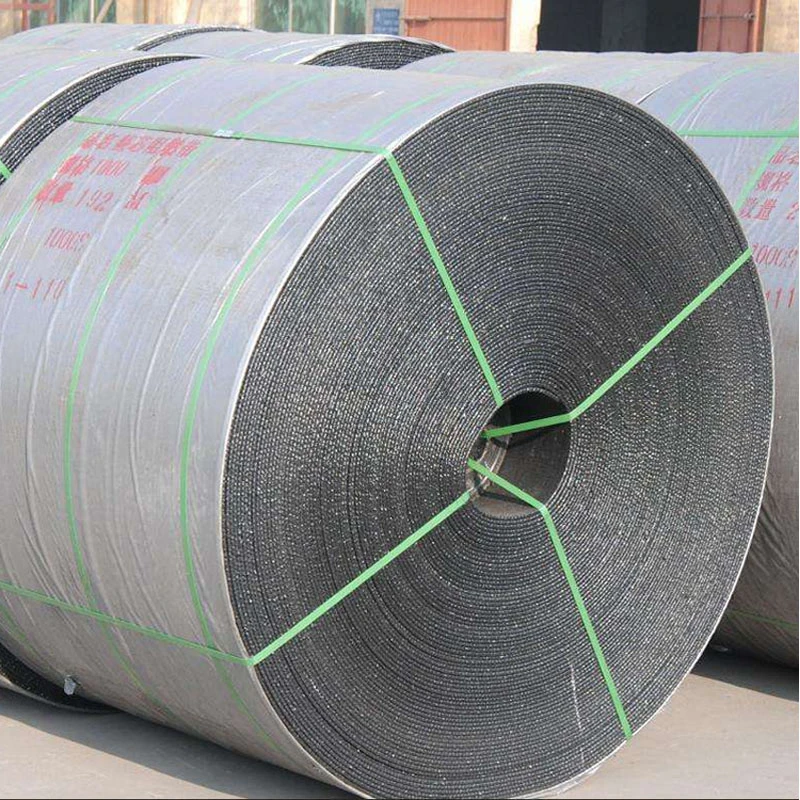
Simply put, a mesh conveyor belt is a type of conveyor belt made from interconnected metal or synthetic meshes that create a flexible, durable, and ventilated surface. Unlike solid belts, their open mesh design allows air, water, and debris to pass through, making them ideal for industries that require cooling, drying, or washing during transport.
More than just a mechanical conveyor, these belts tie directly into humanitarian logistics. For example, in post-disaster zones, mesh conveyor belts help move supplies through rugged terrain with minimal jam risk and quicker assembly. That’s kind of remarkable when you think about how basic design can have ripple effects on saving time and lives.
Core Components and Features
- Material Composition: Stainless steel, galvanized steel, or specialized synthetic meshes that match operational needs.
- Belt Configuration: Modular panels or endless belts suited for varied load sizes and shapes.
- Drive Systems: Pin or hinge rods, depending on belt type, that ensure smooth, reliable movement.
- Surface Characteristics: Open mesh allows heat transfer, fluid drainage, and airflow.
Durability
Many manufacturers design these belts to withstand abrasive environments, temperature extremes, and corrosive materials. This durability translates to reduced downtime and maintenance — crucial in industries where time literally equals money.
Scalability and Customization
Today's mesh conveyor belts can be tailored in width, mesh size, and material type to fit many different sectors. This flexibility lets businesses optimize workflows without reinventing the wheel for each new product line.
Cost Efficiency
Given their longevity and minimal maintenance needs, mesh belts often offer superior value over traditional solid belts. They also reduce energy consumption because of their lighter weight and efficient drive compatibility.
Where Mesh Conveyor Belts Are Changing the Game
From Asian electronics factories to European food processing hubs, mesh conveyor belts have found their niche worldwide. In North America, for instance, the packaging and canning industries depend heavily on mesh belts for sanitary and precise transport.
Interestingly, humanitarian organizations use mesh conveyor belts in disaster relief logistics to quickly move supplies while reducing the risk of contamination from dirt or water. In remote mining operations in South America or Africa, these belts facilitate sorting and washing ores in an efficient, sustainable manner.
| Specification | Typical Values |
|---|---|
| Material | Stainless Steel (304, 316), Galvanized Steel, Synthetic Polymers |
| Mesh Opening | 3 mm to 25 mm (customizable) |
| Belt Width | 100 mm to 2000+ mm |
| Max Operating Temperature | Up to 500°C (some metals) |
| Load Capacity | Varies with material thickness, up to 2000 kg/m² |
Mini takeaway: The secret sauce of mesh conveyor belts isn’t just the mesh itself — it’s how customizable and resilient the entire system is, making it a staple from tiny electronic parts to heavy ore transport.
Advantages that Keep Users Coming Back
Beyond basic transport, mesh conveyor belts bring a bundle of benefits that resonate on both logical and emotional levels. On the practical side, their open structure leads to superior airflow and drainage, which is essential for industries involved in cooling, drying, or washing. This directly reduces spoilage and contamination risks.
Emotionally, operators often praise the increased safety and cleanliness these belts afford. Imagine working in food processing: knowing the equipment doesn’t trap bacteria or cause toxic buildup provides peace of mind — a small but meaningful comfort when dealing with complex supply chains.
Long-term, many businesses report sizable cost savings in energy use and maintenance. Plus, by enabling smoother, faster operation, these belts support worker productivity and reduce downtime headaches.
Looking Ahead: Innovations on the Horizon
Oddly enough, the conveyor belt world is quietly buzzing with advancements. Recent materials research focuses on lightweight composites that maintain strength but are even more resistant to corrosion and wear. Additive manufacturing (3D printing) is starting to influence modular component design, allowing near-instant responsiveness to custom requirements.
On the software side, smart sensors integrated into mesh belts enable real-time monitoring of load, wear, and temperature, feeding data into factory automation systems. This digital transformation helps preempt failures before they happen.
And of course, there's a growing push for “green conveyors” — systems designed to use recycled materials and powered by renewable energy to reduce environmental footprints globally.
Common Challenges and How Experts Tackle Them
Mesh conveyor belts aren't perfect. They can cost more upfront than traditional belts, and their open structure sometimes means fine materials can slip through. Plus, selecting the right mesh size and material often feels like a delicate balancing act.
Industry veterans suggest working closely with suppliers to accurately match belt specs to product and process needs. Advanced coatings and tighter weave options can help reduce slippage. For cost concerns, longer lifespan and energy savings usually offset initial investments.
| Vendor | Specialty | Material Options | Customization Level | Lead Time |
|---|---|---|---|---|
| HG Conveyor Belt | Food processing & industrial | Stainless steel, synthetic | High (custom mesh size, width) | 2-4 weeks |
| SafeMesh Systems | Heavy-duty mining conveyors | Galvanized & stainless steel | Medium (standard modules) | 4-6 weeks |
| EcoConvey | Eco-friendly & lightweight belts | Recycled polymer blends | High | 3-5 weeks |
FAQ: Your Quick Mesh Conveyor Belt Questions Answered
- Q: What are the main benefits of mesh conveyor belts over solid belts?
A: Mesh belts offer better airflow, drainage, and heat resistance, making them ideal for food processing, drying, and washing operations. They also tend to last longer due to durable materials and reduce contamination risks. - Q: How do I choose the right mesh size for my application?
A: Consider the size and type of product you're conveying. Larger mesh openings help with drying and drainage but risk smaller items slipping through. Consulting with manufacturers helps balance efficiency and product safety. - Q: Can mesh conveyor belts be repaired on-site?
A: Many mesh belts are modular, allowing quick replacement of damaged sections without dismantling the whole system. This reduces downtime and saves costs on long-term maintenance. - Q: Are mesh conveyor belts environmentally friendly?
A: Traditional metal belts are recyclable and long-lasting, reducing waste. Emerging synthetic belts increasingly use recycled polymers and sustainable manufacturing, making them greener options.
Wrapping It Up
In the grand scheme of things, mesh conveyor belts quietly play a vital role in industries and relief efforts around the world. Their adaptability, durability, and efficiency not only simplify complex processes but add measurable value in safety and sustainability. If your operation demands reliability combined with versatility, exploring mesh conveyor belts could be the smartest, most lasting choice.
For seamless product flow solutions that fit your unique needs, don’t hesitate to visit our website and learn more about customizing mesh conveyor belt systems designed for your industry.
References:
1. International Organization for Standardization (ISO), Conveyor System Standards.
2. World Bank Industry Data Reports on Automated Material Handling, 2023.
3. Wikipedia contributors. “Conveyor Belt.” Wikipedia, The Free Encyclopedia, 2024.