This comparison helps conveyor distributors and procurement teams distinguish the Groove Type Friction Self-aligning Roller from the Self Aligning Friction Roller by conveyor context, belt-centering function, and selection considerations. The groove type suits buyers specifying fixed belt conveyor alignment, while the self-aligning friction roller suits buyers looking for a friction roller that supports material transfer, belt support, and centering across a broader conveyor range.
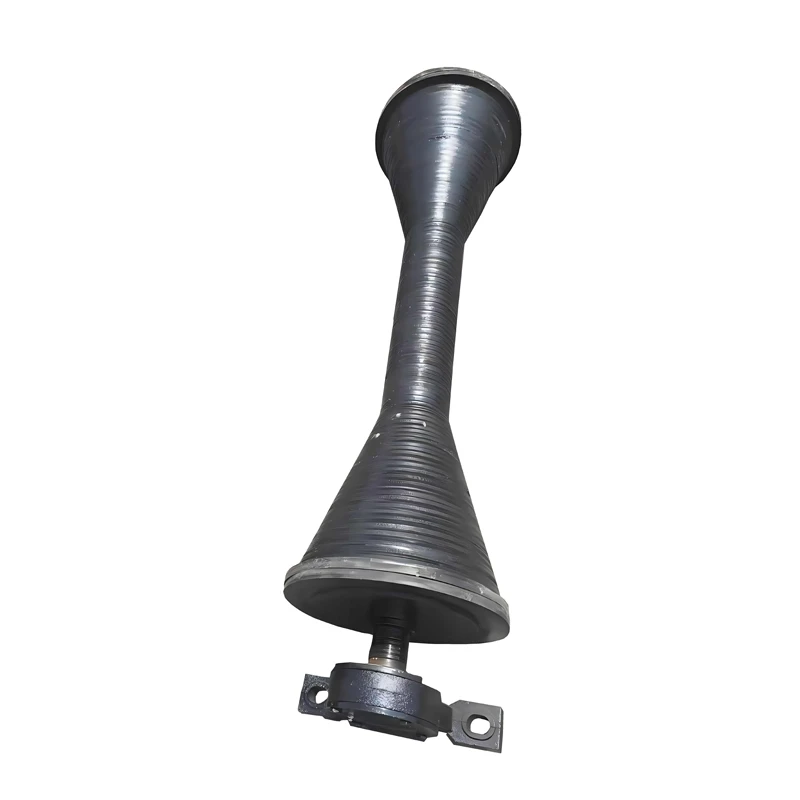
Groove Type Friction Self-aligning Roller
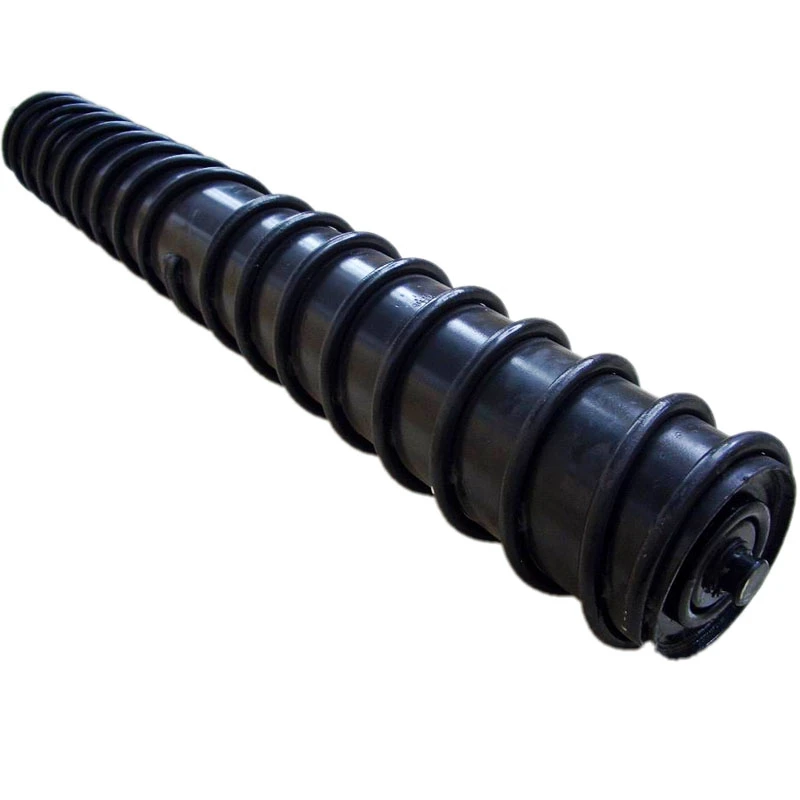
Self Aligning Friction Roller
Wholesale buyers comparing a wholesale groove type self-aligning roller with a general self-aligning friction roller need to match the roller to the conveyor job first. Both products use friction-based roller action to support belt operation and help correct belt deviation, but their stated operating contexts differ.
Quick comparison
| Criterion | Groove Type Friction Self-aligning Roller | Self Aligning Friction Roller |
|---|---|---|
| Conveyor context | Fixed belt conveyor systems | Belt conveyor systems used in mining, power, metallurgy, chemical, grain, construction, ports, and docks |
| Main function | Automatic belt centering and correction of belt deviation | Supports materials, transmits power, supports the conveyor belt, and helps prevent or correct belt deviation |
| Alignment approach | Friction-based self-alignment through a specialized groove structure | Friction resistance and friction wheel curvature create a centering effect |
| Selection focus | Material characteristics, conveying distance, and conveying speed | Conveyor application, belt support and power transmission needs, and the required centering function |
The table keeps the comparison to functions and use conditions shared by the two product types. It does not turn the similar names into a claim that the rollers are interchangeable in every conveyor layout.
Where the groove type fits
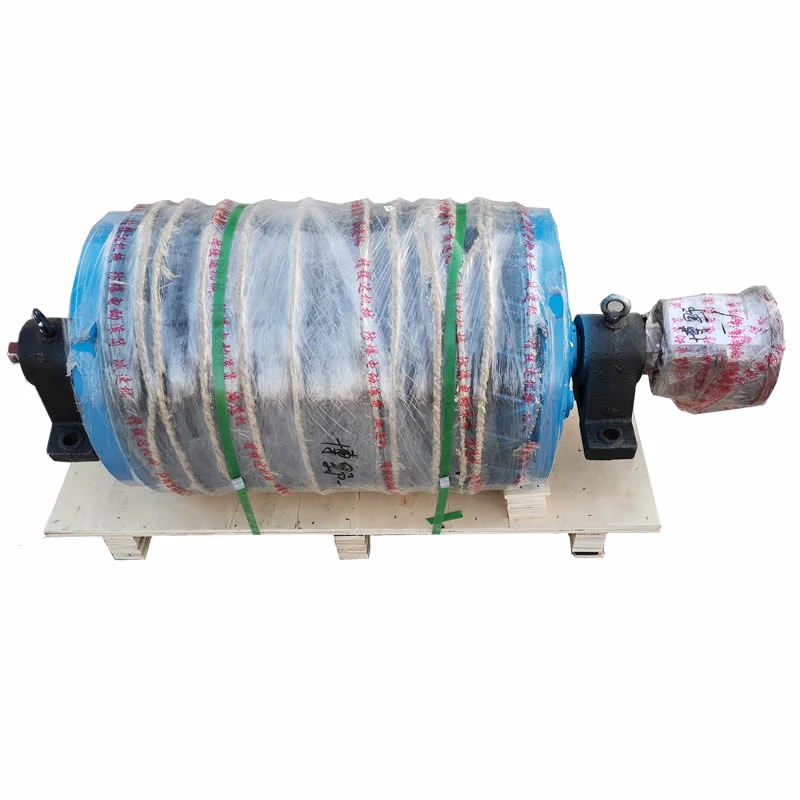
The Groove Type Friction Self-aligning Roller is aimed at fixed belt conveyor systems where belt drift is a selection concern. Its stated core function is automatic belt centering. When the belt moves away from its centerline, the roller's friction-based structure is intended to guide it back toward the center position.
This option suits a distributor or project buyer who is specifying a fixed conveyor and wants the belt-centering role to be clear in the purchase description. Picture a fixed conveyor carrying material at changing flow or speed: the ordering discussion should connect the roller configuration to the material characteristics, conveying distance, and conveying speed. Those conditions affect the model and configuration that should be selected for the system.
The groove type also fits a maintenance plan focused on reducing belt deviation, edge wear, and unplanned interruption. The product description associates self-alignment with protecting the belt, wheel boxes, and drivers from unstable belt operation. For a replacement order, match the roller to the existing conveyor arrangement and send the belt and operating details to the supplier.
Where the self-aligning friction roller fits
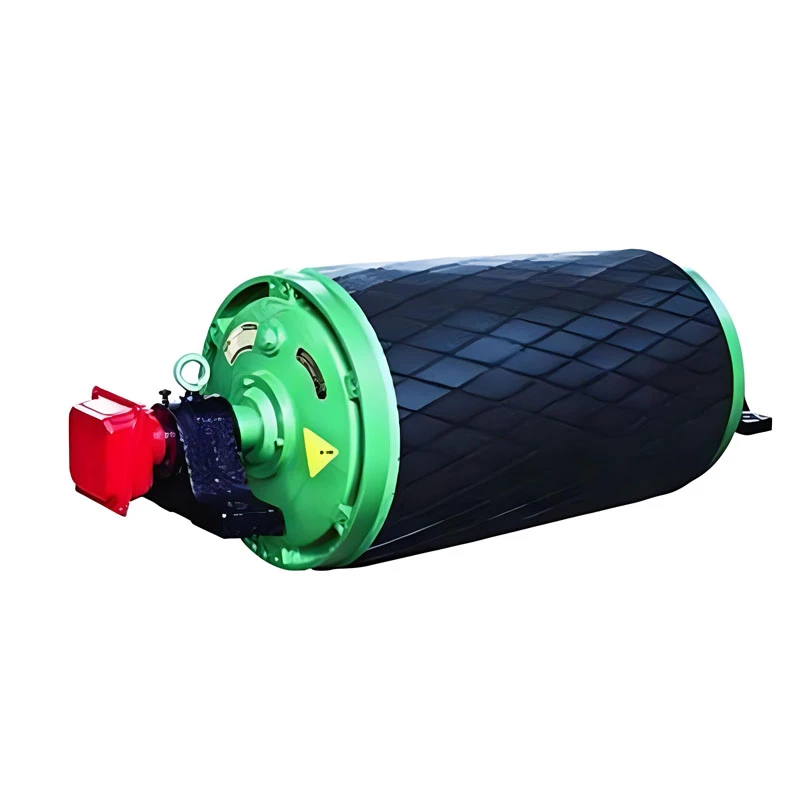
The Self Aligning Friction Roller has a broader stated conveyor and industry context. It supports materials and the conveyor belt, transmits power, and uses friction to help maintain stable belt movement. Its listed applications include belt conveyors in mining, power, metallurgy, chemical, grain, construction, ports, and docks.
That combination suits buyers whose specification includes more than belt centering. A conveyor project may require the roller to support the belt and material while also contributing to power transmission and belt tracking. The rubber-covered surface is described as wear resistant, and the rubber is described as having adhesion to the roller body. Replacement and maintenance are described as relatively convenient and requiring almost no special tools or equipment.
For a distributor building a product range, this roller is a practical match when customers describe their need by industry or by the combined requirements of support, movement, and centering. Confirm the conveyor environment, belt arrangement, material, distance, and speed before matching a configuration.
Which option should a buyer choose?
Choose the Groove Type Friction Self-aligning Roller when the order is for a fixed belt conveyor and automatic belt centering is the central requirement. It gives the specification a direct alignment focus and is suited to a buyer managing belt deviation as a defined conveyor issue.
Choose the Self Aligning Friction Roller when the requirement combines belt support, material support, power transmission, and centering across the listed conveyor industries. Its product description gives procurement teams more application context for industrial conveyor orders where the roller has several operating roles.
For either option, prepare the conveyor type, material characteristics, conveying distance, conveying speed, belt arrangement, and required quantity before requesting a wholesale quotation. These details give the supplier a usable basis for selecting the roller configuration.
The people

About the author
The company
Hebei Roule Transport Machinery Manufacturing Co.,Ltd
Hebei Roule Conveyor Machinery Manufacturing Co., Ltd. is a strong factory specializing in research and development, design, production, and sales. Since its establishment in 2010, we have been striving for excellence and committed to the development of the conveyor machinery industry. Our company specializes in roller series, conveyor belt series, conveyor belt series, drum series, and supporting conveyor machinery accessories.…
About Us ↗Visit company website ↗Your next step
Bring your brief. Start a useful conversation.
Use case, specification, quantity and delivery window: make the next conversation specific.