A Quick Dive Into Heavy Duty Conveyor Belts: Why They Matter Worldwide
If you’ve ever watched a massive mining operation or a bustling ports terminal, you’ve likely seen heavy duty conveyor belts in action—those seemingly simple straps moving tons of material with remarkable ease. More than just industrial workhorses, these belts play a crucial role globally, connecting supply chains, boosting productivity, and improving safety. Understanding what makes them tick, and why companies and governments invest heavily in them, sheds light on modern industry’s backbone. So, grab a cup of coffee—we’re diving deep but keeping it relatable.
The Global Stage: Why Heavy Duty Conveyor Belts Are Indispensable
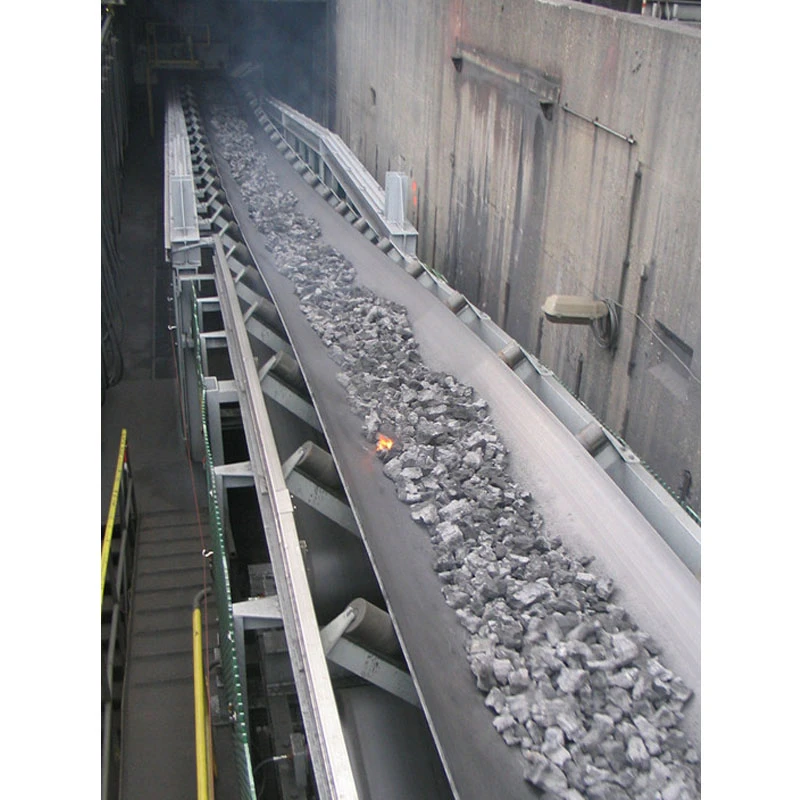
Heavy duty conveyor belts are everywhere—mining in Australia, recycling hubs in Europe, ports in North America, and large-scale agriculture across South America. According to the International Organization for Standardization (ISO), conveyor systems significantly reduce manual labor and decrease workplace accidents globally (ISO 5048). The World Bank estimates that improving logistics infrastructure, including conveyor systems, can boost emerging economies' export competitiveness by 20-30%.
Yet, despite their importance, challenges remain: wear and tear from harsh environments, adapting belts to different materials, and managing costs. This is no small feat when belts need to haul everything from gritty ore to fragile packages over long distances without missing a beat.
What Exactly Is a Heavy Duty Conveyor Belt?
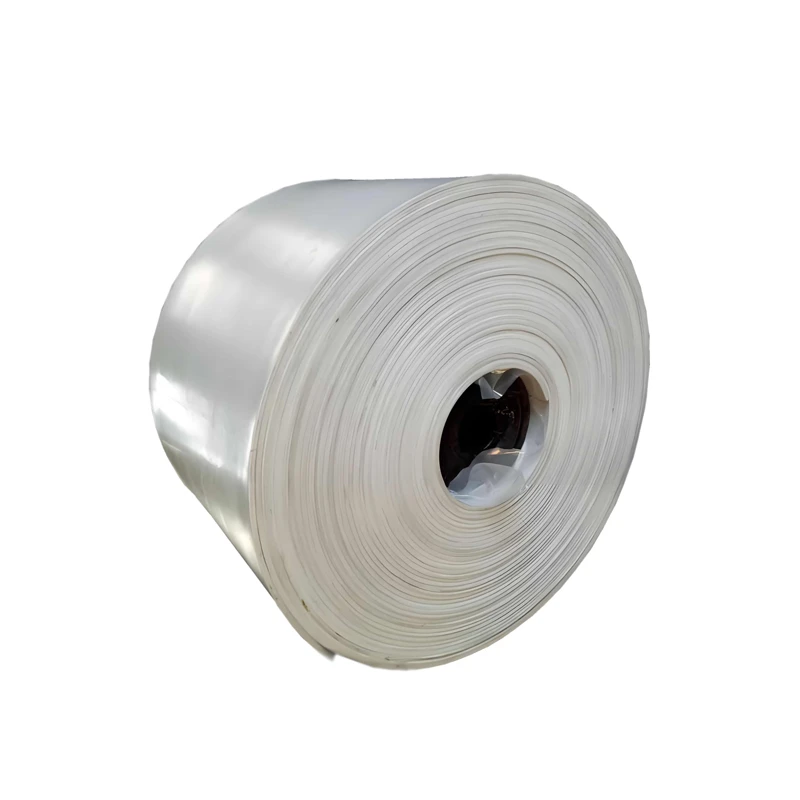
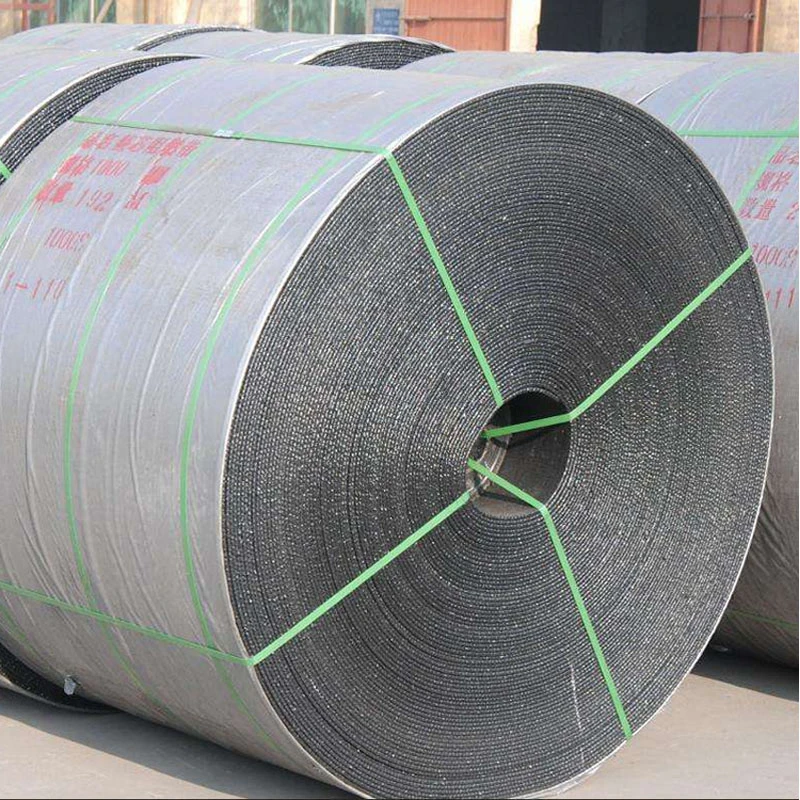
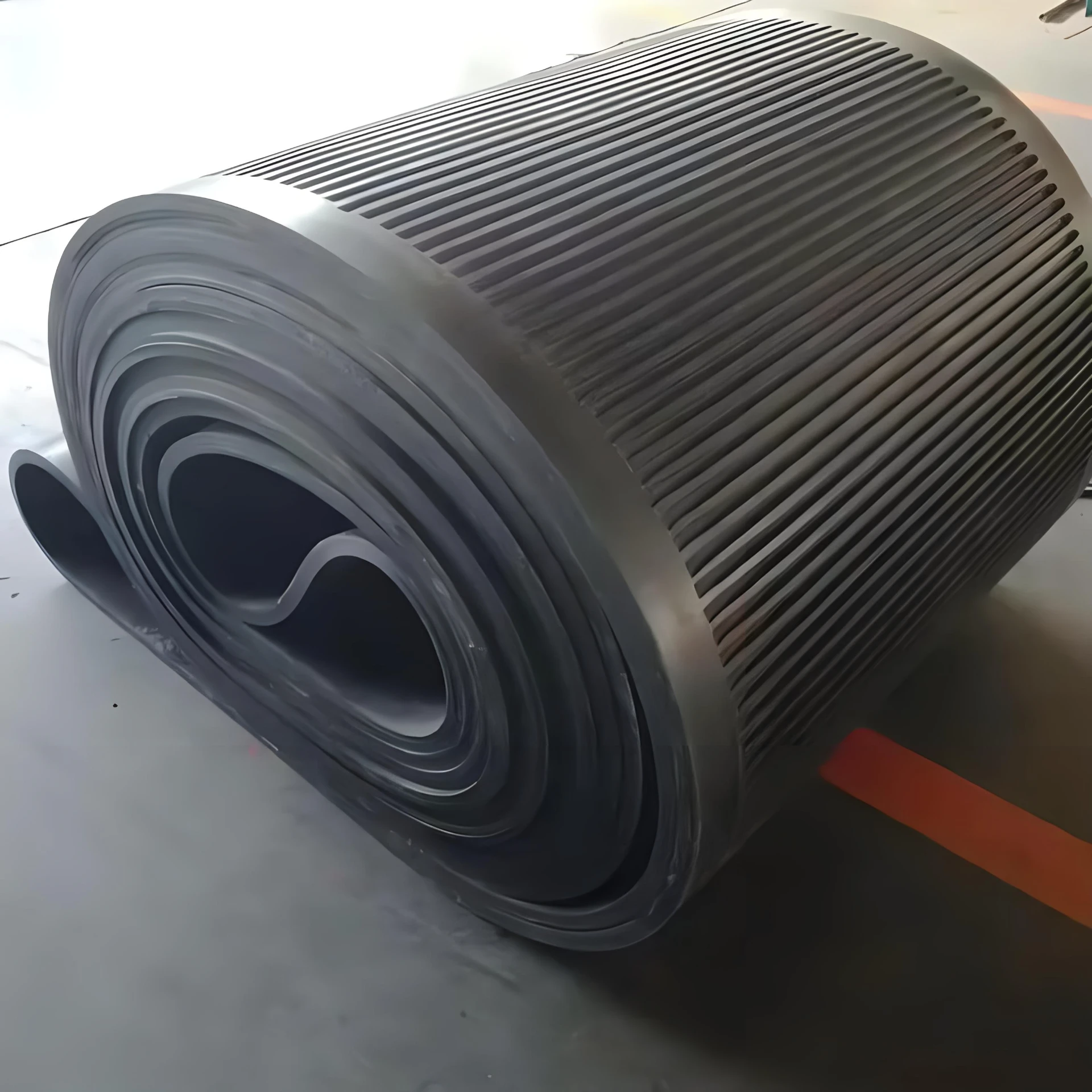
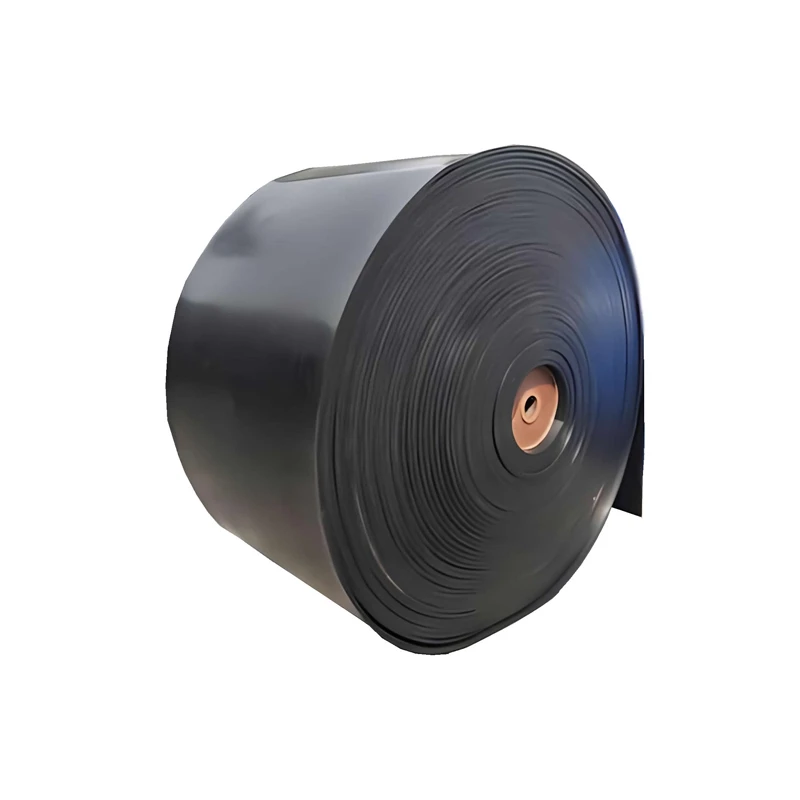
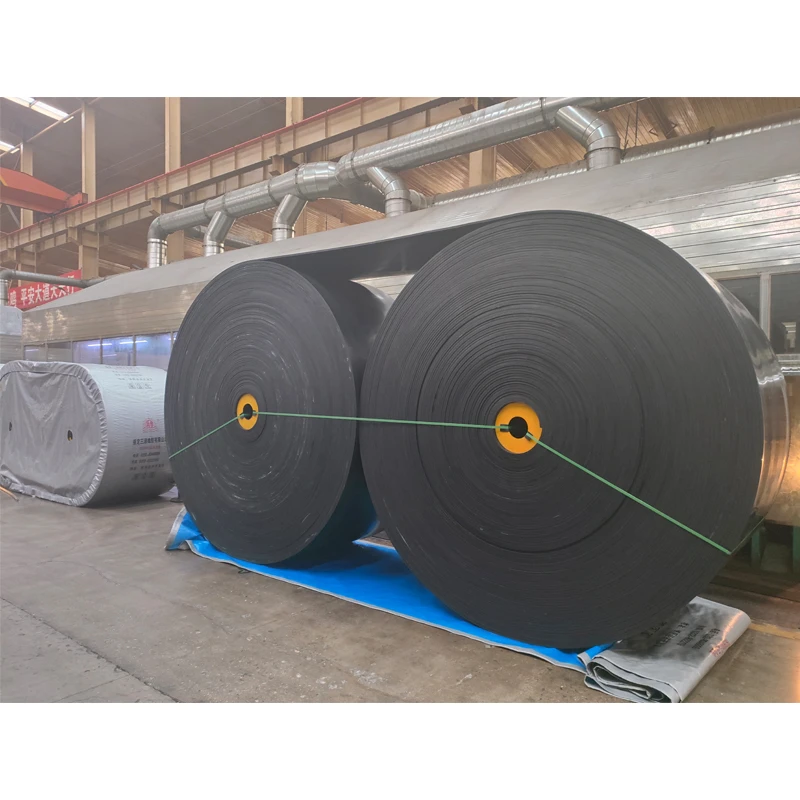
Simply put, a heavy duty conveyor belt is a reinforced, durable flexible belt designed to transport heavy loads continuously in tough industrial environments. Unlike light duty belts for packages or factory floors, these are engineered to resist abrasion, impact, and even extreme weather conditions.
From a humanitarian angle, such conveyor belts assist in swift disaster relief operations by speeding up the movement of supplies in remote or devastated areas, where time is quite literally life-saving.
Core Components and Key Factors That Make Them Tick
Durability: Built to Withstand Abuse
Durability is non-negotiable. These belts typically use layers of polyester, nylon, or steel cords, intertwined with wear-resistant rubber covers. Many engineers I've spoken to emphasize the importance of abrasion resistance and impact strength, given belts might carry sharp ores or hefty machinery parts.
Load Capacity: Handling the Heavyweights
Load capacity varies considerably—from a few hundred kilograms per meter per second, to several tons. Capacity depends on belt width, thickness, and tensile strength. Choosing the right capacity is a balancing act between cost and operational needs.
Scalability and Customization
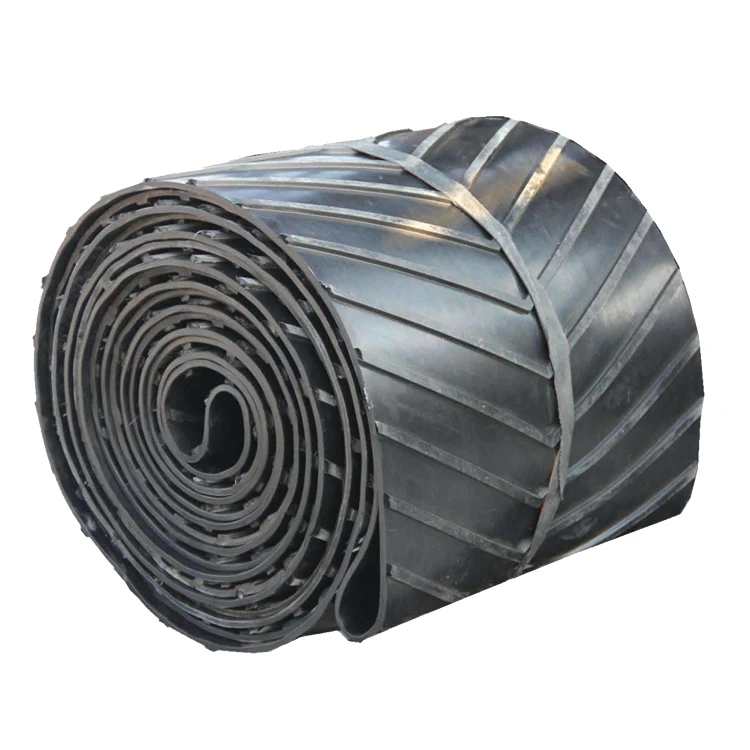
These conveyor systems are rarely “one size fits all.” They’re tailored based on industry demands—modular lengths, variable speeds, and additional features like tracking systems or modular cleats for tricky material handling.
Cost Efficiency Over Lifecycle
It’s tempting to buy the cheapest belt initially, but many say that factoring in downtime, maintenance, and replacement cycles reveals true cost. Investing in slightly pricier but longer-lasting materials can pay off handsomely.
Environmental Resistance
Extreme temperatures, moisture, and chemicals can degrade belts rapidly. Specialized coatings and materials now help conveyor belts survive in deserts, arctic zones, or chemical plants—quite amazing how far material science has come.
(ISO standards and field engineer insights)
Real-World Use Cases: Where Heavy Duty Conveyor Belts Shine
Globally, these conveyor belts underpin essential industries:
- Mining: In Chile’s copper mines or South African gold mines, belts trek kilometers underground moving ore, literally linking the earth’s riches to global markets.
- Port Facilities: At container terminals in Rotterdam, heavy duty conveyor systems help unload bulk cargo efficiently.
- Recycling & Waste Management: European countries lead in using durable conveyor belts to separate and transport recyclables, reducing manual sorting and exposure to hazardous waste.
- Emergency Relief Operations: Conveyor systems aid in swift supply distribution in disaster zones in Southeast Asia, where roads can be blocked or damaged.
Oddly enough, even in remote, off-grid industrial zones like Arctic extraction sites, conveyor belts built with cold-resistant synthetic coverings perform reliably, avoiding costly downtime.
Product Specification at a Glance
| Specification | Typical Value | Notes |
|---|---|---|
| Width | 500 mm to 2,000 mm | Depending on load and installation space |
| Material | Nylon, Polyester fabric; Steel cords in high tensile belts | Multi-layer reinforcement |
| Tensile Strength | Up to 3,000 N/mm | Critical for heavy loads |
| Operating Temp | -30°C to +80°C | With special coatings for extremes |
| Abrasion Resistance | Class M or higher | ISO 4649 testing referred |
Comparing Leading Vendors: What to Know Before You Buy
| Vendor | Material Options | Customization | Warranty | Price Range |
|---|---|---|---|---|
| ConveyorTech Inc. | Nylon, steel cords | Highly customizable; modular segments | 3 years | $$$ |
| GlobalBelts Ltd. | Polyester, rubber composites | Moderate customization | 5 years | $$ |
| HeavyDuty Conveyors Co. | Steel cord & aramid fiber options | Tailored for extreme environments | 7 years | $$$$ |
| EcoBelt Systems | Recycled rubber composites | Focus on sustainability | 3 years | $$ |
Why Choose Heavy Duty Conveyor Belts? The Advantages Behind The Scenes
There’s a lot more to these belts than meets the eye:
- Reduced Labor Risk: By automating material movement, workplace incidents drop drastically.
- Consistent Performance: Heavy duty belts keep production lines humming, improving output predictability.
- Environmental Wins: Longer belt life means fewer replacements, cutting down waste and raw material consumption.
- Cost Savings Over Time: Tackling breakdowns and downtime can save thousands, if not millions, annually.
- Morale and Trust: Knowing the operation runs smoothly fosters a team’s confidence. Hard to put a price on that.
Looking Ahead: Trends and Innovations You Should Know
The conveyor belt world isn't static. Advances include:
- Smart Monitoring: Sensors track belt wear and load stress in real time for predictive maintenance.
- Eco-Materials: Research into bio-based rubbers and recycled materials reduces carbon footprint.
- Modular Design: Easier repairs and reconfigurations make conveyor belts adaptable to shifting production needs.
- Automation Integration: Conveyor belts now integrate smoothly with robots and automated guided vehicles (AGVs).
Encountering Challenges? Common Hurdles & Solutions
Despite advances, challenges linger:
- Wear From Abrasion: Solutions boil down to material science: adding high-friction-resistant layers and better covers.
- Energy Consumption: Heavy belts can be power-hungry. Companies are switching to high-efficiency motors and regenerative drives.
- Downtime Costs: Predictive maintenance powered by IoT sensors reduces unplanned stops.
- Installation Complexity: Prefabricated and modular belts simplify setups, sometimes slashing installation time by 30%.
FAQs About Heavy Duty Conveyor Belts
- Q: How do I know if a conveyor belt is suited for my industry?
- A: Consider load type, environmental conditions, and required durability. Consulting with suppliers who provide testing data under ISO 4649 or ISO 5048 standards helps ensure compatibility.
- Q: What maintenance should I expect with heavy duty conveyor belts?
- A: Routine inspections of belt tension, alignment, and surface wear are vital. Many facilities adopt sensor-based monitoring to predict failures before they disrupt operations.
- Q: Are heavy duty conveyor belts customizable?
- A: Absolutely. They can be designed with various widths, materials, reinforcements, and additional features like cleats or embedded sensors to match specific needs.
- Q: Can these conveyor belts operate in extreme weather?
- A: Yes. Specialized materials and coatings enable belts to survive extreme cold, heat, and chemical exposure—common in mining and chemical industries.
- Q: How do sustainability efforts affect heavy duty conveyor belt manufacturing?
- A: Increasingly, manufacturers are using recycled materials and eco-friendly processes, aligning with global sustainability goals like those set by the UN Sustainable Development Framework.
Wrapping Up: Why Heavy Duty Conveyor Belts are Your Industrial MVP
It’s probably no exaggeration to say that heavy duty conveyor belts quietly power much of our modern economy. From ensuring minerals get from pit to port, to helping humanitarian efforts deliver essentials fast, these belts represent the blend of innovation, engineering, and practical problem-solving that keeps the world moving.
Want to learn more about selecting the right conveyor belt for your needs? Or looking for high-quality products tailored to exact specifications? Visit heavy duty conveyor belt to explore options and expert advice.
References:
1. International Organization for Standardization, ISO 4649:2017
2. World Bank Logistics Performance Index (https://lpi.worldbank.org/)
3. United Nations Sustainable Development Goals (https://sdgs.un.org/goals)