Understanding the Electric Conveyor Belt: How It Powers Global Industry
In the bustling pulse of modern industry, the electric conveyor belt stands as an unassuming but essential workhorse. Whether it’s quietly moving packages in Amazon warehouses or enabling massive material handling on mining sites, the electric conveyor belt is everywhere. But beyond just moving items from point A to point B, these systems are proving crucial in optimizing supply chains, boosting worker safety, and even supporting disaster relief logistics across the globe.
Given our growing reliance on automation and efficiency—coupled with environmental concerns—it’s worth diving into what makes the electric conveyor belt a keystone in contemporary industrial setups worldwide. Understanding its design, applications, and future will clarify why industries can’t just drop it without losing much more than convenience.
Global Context: Why Electric Conveyor Belts Matter Now More Than Ever
Globally, supply chains are under immense strain, trying to keep pace with surging e-commerce demand and raw material distribution.[1] According to the International Organization for Standardization (ISO), conveyor systems—including electric conveyor belts—are involved in nearly 30% of manufacturing and warehousing workflows worldwide.[2]
Yet, there are challenges: energy consumption, maintenance downtime, and adaptability to varied environments. As factories move towards Industry 4.0 standards, integrating smarter, more energy-efficient electric conveyor belts addresses these issues, boosting overall productivity and lowering carbon footprints.
Mini Takeaway:
- Electric conveyor belts streamline logistics globally, crucial for manufacturing and e-commerce.
- Standards and automation are pushing the evolution of these systems.
What Exactly Is an Electric Conveyor Belt?
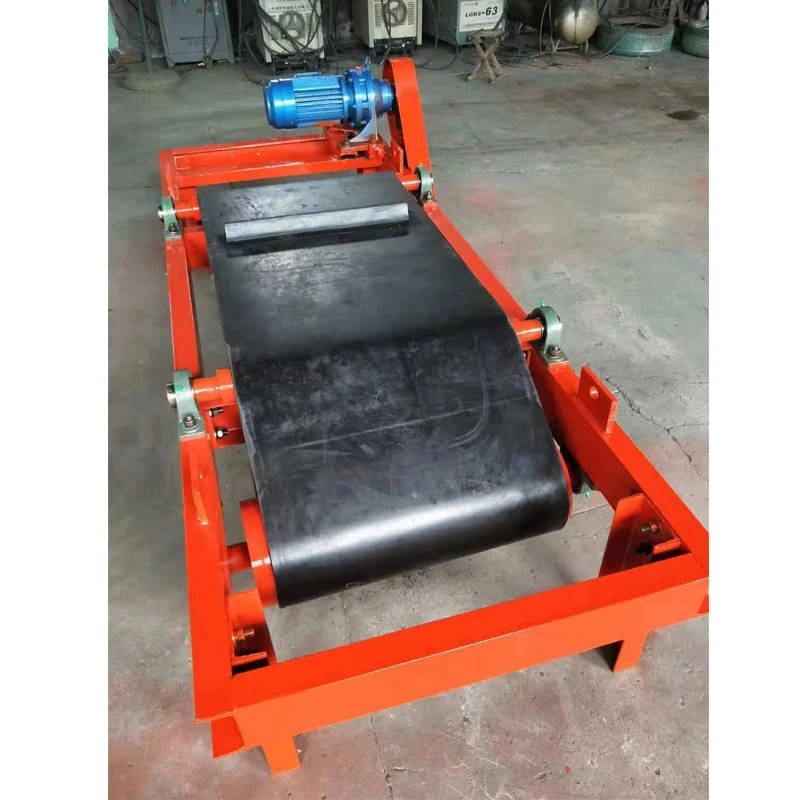
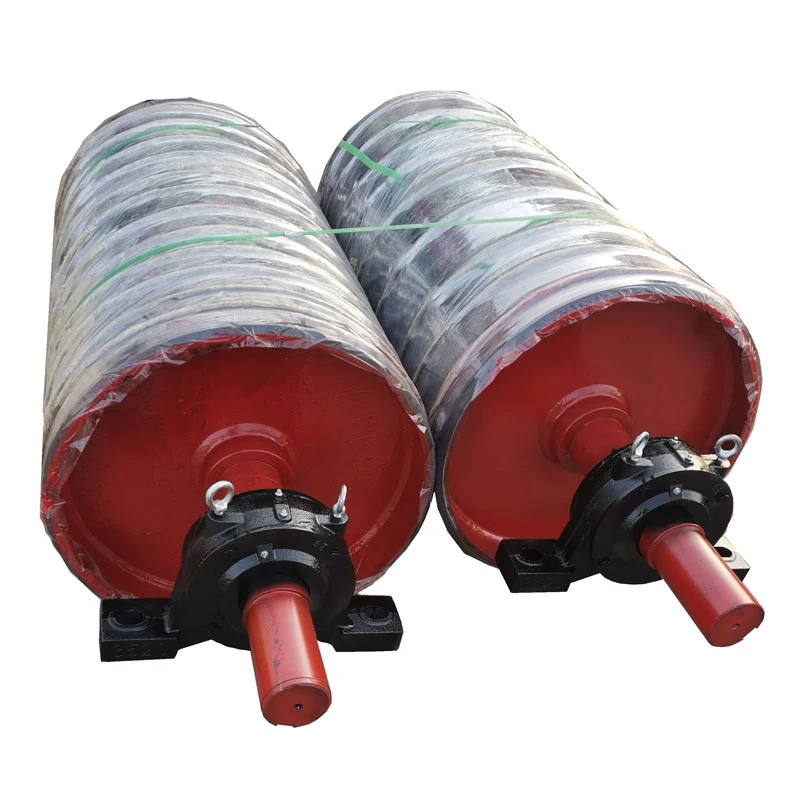
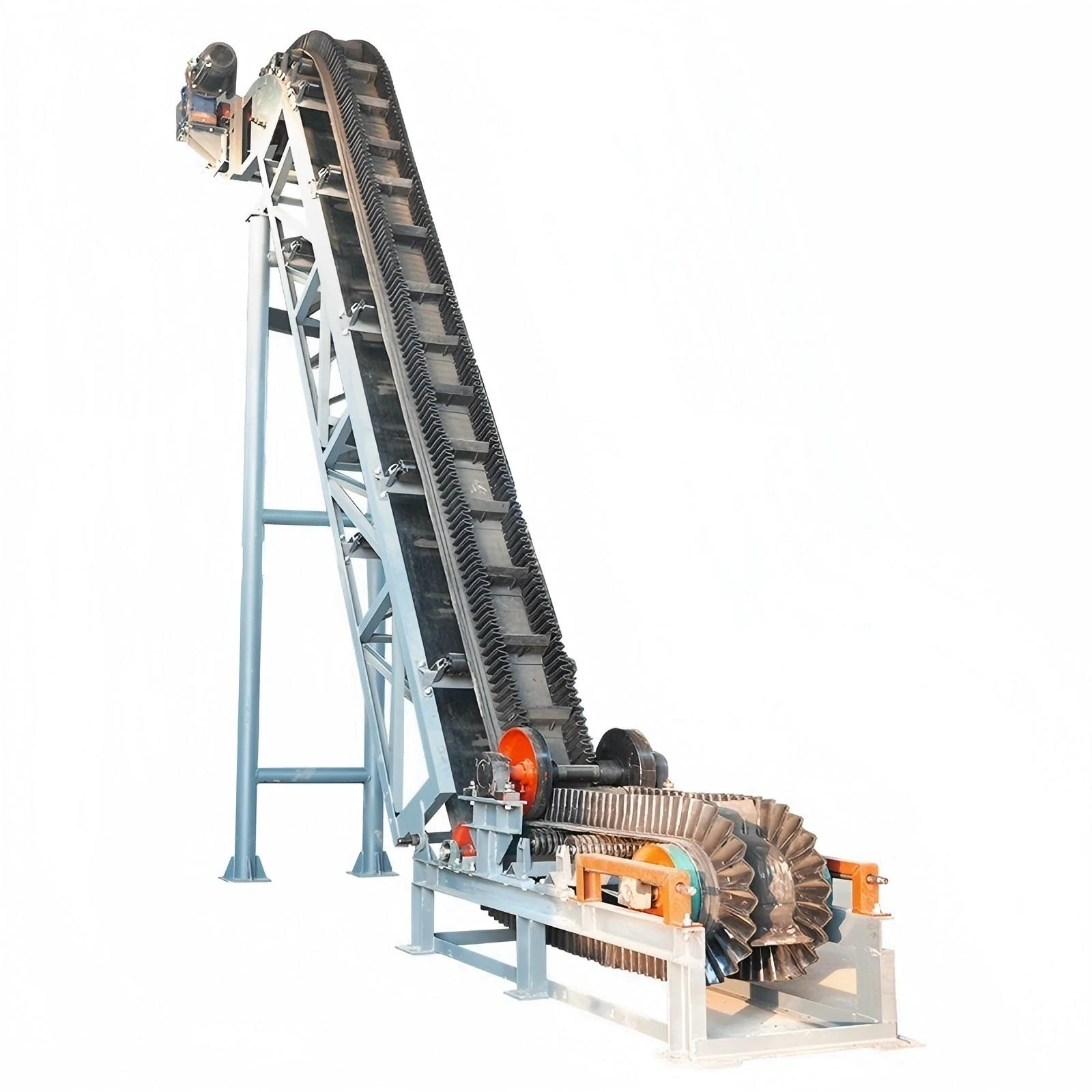
At its core, an electric conveyor belt is a powered belt system designed to continuously transport goods, raw materials, or components from one location to another. Unlike manual or gravity-fed conveyors, it uses electric motors to drive the belt, offering controlled speed and direction. They're the quiet humming veins carrying life in industries ranging from automotive assembly lines to agriculture.
But it’s not just industry — in humanitarian contexts, these belts help move supplies swiftly in disaster-hit zones where infrastructure is compromised, proving their value beyond everyday factory floors.
Mini Takeaway:
- Electric conveyor belts are powered material movers offering precise control.
- Their role extends from factories to emergency response logistics.
Core Components and Key Factors You Should Know
1. Durability and Material Quality
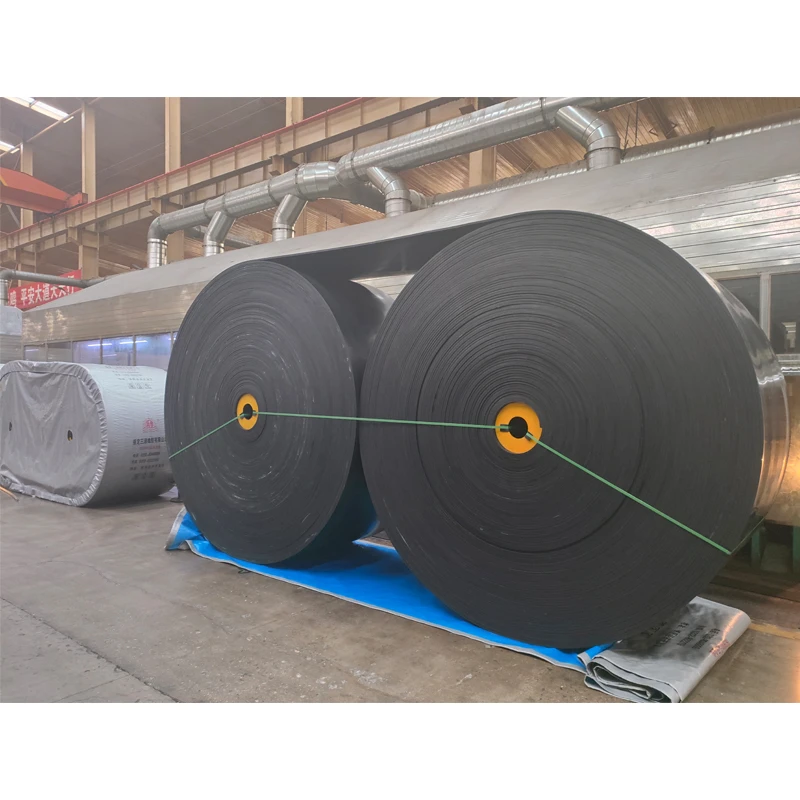
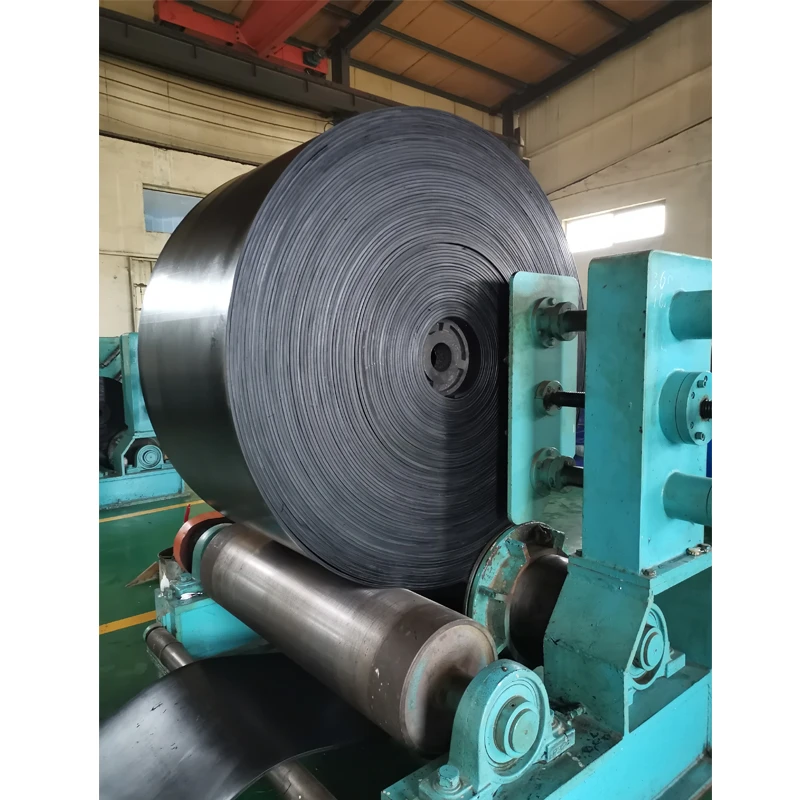
Most electric conveyor belts use high-strength polymers or rubber composites reinforced with fabric or steel cords. This design resists abrasion, moisture, and temperature fluctuations — vital for tough environments like mining or food processing.
2. Scalability and Customization
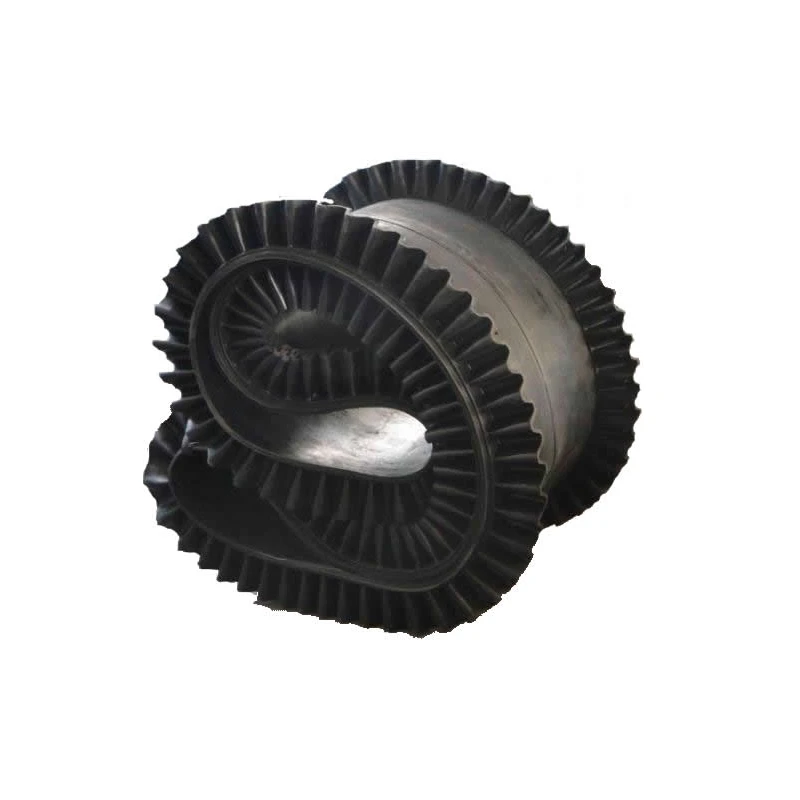
You can scale electric conveyor belts to handle anything from tiny components to massive bulk materials. Modular designs allow easy length adjustment or incline changes, which means industries don’t have to reinvent the wheel each time their process changes.
3. Energy Efficiency
Advanced belts incorporate regenerative drives or variable frequency motors to reduce energy consumption. Some newer systems even tap into solar panels in remote locations to power basic conveyor functions — a small but meaningful step toward sustainability.
4. Maintenance & Reliability
Easy access for belt tensioning, quick replacement parts, and condition-monitoring sensors are becoming part of the package. This lowers downtime, a critical factor in continuous production environments.
5. Safety Features
Modern electric conveyor belts integrate emergency stops, warning signals, and auto-shutdown mechanisms, protecting operators and increasing confidence in automated workflows.
Mini Takeaway:
- Durability and materials affect belt lifespan based on usage environment.
- Energy-efficient designs save money and help the environment.
- Built-in safety and maintenance tools reduce risks and downtime.
Where Do Electric Conveyor Belts Actually Get Used?
From sprawling warehouses in Europe to remote mining operations in Australia, electric conveyor belts keep the wheels of industry turning. Here are some notable use cases:
- Manufacturing and Assembly Lines: Automakers use conveyor belts to move chassis and parts between stations efficiently.
- Mining and Bulk Material Handling: Huge belts carry tons of ore, coal, or grain over long distances — sometimes kilometers at a stretch.
- Food and Beverage Packaging: Hygienic belts made from FDA-compliant materials transport food products safely.
- Humanitarian Aid & Disaster Relief: In events like the 2010 Haiti earthquake, electric conveyor belts in mobile warehouses accelerated distribution of supplies to isolated zones.
- Airports and Logistics Centers: Baggage handling systems rely heavily on electric conveyor belts; they must operate with precision and minimal downtime.
Regions benefiting most include industrial hubs in North America, East Asia, and parts of Europe — but emerging economies in Africa and South America are rapidly adopting conveyor technology to boost productivity.
Mini Takeaway:
- Electric conveyor belts serve diverse industries and geographies.
- Applications range from delicate food handling to rugged mining transport.
- They also play a surprisingly important part in crisis response.
Product Specifications at a Glance
| Specification | Typical Range | Notes |
|---|---|---|
| Belt Width | 300 mm to 2000 mm | Depends on volume and product size |
| Motor Power | 0.5 kW to 30 kW | Drives belt speed and capacity |
| Max Load Capacity | Up to 5000 kg/meter | Varies by belt material and design |
| Operating Speed | 0.1 to 4 m/s | Adjustable via motor control |
| Temperature Range | -20°C to 80°C | Specialized belts can handle extremes |
How Do Vendors Measure Up? Electric Conveyor Belt Comparison
| Feature | ConveyorCo | BeltDynamics | GreenLine Systems |
|---|---|---|---|
| Energy Efficiency | High (Uses regenerative motors) |
Medium (Standard motors) |
Very High (Solar & energy-saving tech) |
| Customization | Modular design Extensive options |
Limited sizes Basic options |
Flexible width and length |
| Safety Features | Advanced sensors and auto-shutdown | Standard emergency stops | Full compliance with ISO safety |
| Lead Time | 4-8 weeks | 6-10 weeks | 3-6 weeks |
| Global Support | Excellent (24/7 hotline) | Moderate (office hrs only) | Very good (regional offices) |
Why Invest in Electric Conveyor Belts? The Advantages Are Clear
For businesses, cost savings are often the first thing mentioned. But with electric conveyor belts, the benefits run deeper. Automated belts reduce human labor strain — fewer injuries and improved morale. Also, since these belts operate consistently, production uptime rises, which often translates straight to profit.
From an environmental perspective, many manufacturers are now opting for belts that minimize energy consumption and employ recyclable materials. This shift isn't only to align with regulations but to appeal to a growing eco-conscious market. Oddly enough, sustainability and efficiency are quickly becoming inseparable partners.
In humanitarian efforts, reliable conveyors mean faster delivery of essentials, restoring dignity and hope to affected communities. So there’s an emotional component embedded in this industrial technology that’s easy to overlook.
Mini Takeaway:
- Electric conveyor belts improve safety, uptime, and cost-efficiency.
- Sustainability is increasingly integrated in design and operation.
- The technology also supports vital humanitarian logistics.
What Does the Future Hold? Trends and Innovations to Watch
Smart conveyor belts with embedded IoT sensors are becoming mainstream. These "connected" belts can self-diagnose faults, predict maintenance needs, and even optimize speed in real time based on workflow data.
Additionally, new materials such as thermoplastic elastomers improve durability while remaining recyclable. Some innovations explore bio-based alternatives, cutting down on fossil fuel dependencies—a clear nod to environmental responsibility.
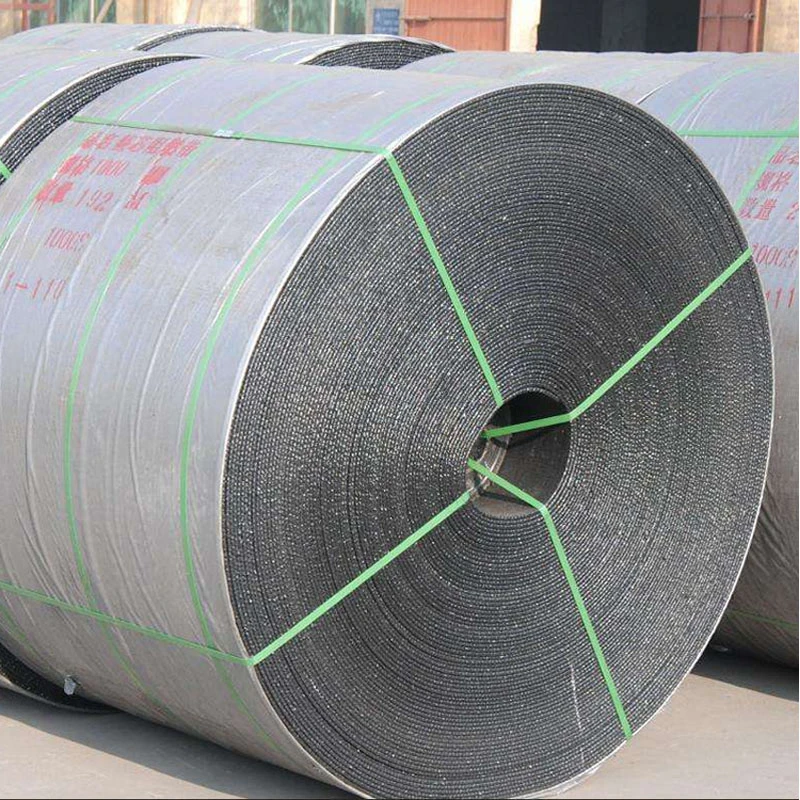
Automation isn’t just about speed; it’s also about flexibility and integration. Rolls of electric conveyor belts can now seamlessly integrate with robotic arms, drones, and automated guided vehicles (AGVs), creating holistic smart logistics systems.
Challenges and How to Overcome Them
Electric conveyor belts aren’t flawless. Challenging environments—extreme dust, humidity, or chemical exposure—can wear down components faster than expected. Maintenance accessibility is often a pain point, especially for systems installed in cramped or hazardous zones.
Experts recommend implementing predictive maintenance powered by AI-driven analytics to anticipate problems before they cause stoppages. Plus, opting for modular, easy-to-disassemble designs streamlines repairs, minimizing downtimes.
Of course, upfront costs can be intimidating for smaller operations, but with leasing options and scalable configurations, even mid-sized businesses can adopt these systems progressively.
FAQ: Practical Questions About Electric Conveyor Belts
- How energy-efficient are modern electric conveyor belts?
- Most newer models incorporate variable frequency drives and regenerative braking systems, offering up to 30% energy savings compared to older designs. This not only cuts costs but reduces environmental impact significantly.
- Can electric conveyor belts be used in dusty or wet environments?
- Yes, specialized belts with sealed motors and corrosion-resistant materials exist for such conditions. However, routine maintenance and environmental controls remain critical to ensure longevity.
- What’s the typical lifespan of an electric conveyor belt?
- With proper maintenance and quality materials, belts can last between 5 to 15 years depending on usage intensity and environmental factors.
- Are electric conveyor systems customizable for small businesses?
- Absolutely. Many vendors offer modular components and scalable options so even small to medium enterprises can adopt electric conveyor belts without excessive capital investment.
- How do I ensure safety when installing conveyor belts?
- Compliance with ISO 13849 and OSHA standards is key. This means including emergency stops, guardrails, and training operators adequately to reduce accidents.
Wrapping Up: Why the Electric Conveyor Belt Is Worth Your Attention
In real terms, the electric conveyor belt is a quietly transformative technology shaping industries worldwide. It bridges the gap between labor and automation, efficiency and sustainability, safety and productivity. As you consider upgrading or installing a belt system, reflect on its broad impact—from boosting your business operations to supporting global humanitarian efforts.
For detailed info, product specs, and tailored solutions, visit our site at electric conveyor belt. Sometimes it’s the steady, unflashy stuff that makes the biggest difference.
References
- UNCTAD, “Global E-commerce Report,” 2023.
- ISO, “Conveyor Belt Standards and Guidelines,” 2022.
- Occupational Safety & Health Administration (OSHA), “Machine Guarding,” 2020.