Understanding the Stainless Steel Conveyor Belt: Why It Matters Today
If you’ve ever watched a production line humming with precision, chances are a stainless steel conveyor belt was part of the magic behind it. But what, exactly, makes these belts so crucial in modern industry? From manufacturing plants in Germany to food processing units in Japan, stainless steel conveyor belts are a global hero — quietly enhancing productivity, hygiene, and durability for countless sectors.
Globally, industries rely on conveyor systems to handle materials efficiently. According to the International Organization for Standardization (ISO), nearly 60% of automated manufacturing lines today use some form of metal-based conveyor technology. Their corrosion resistance and longevity make stainless steel belts a more sustainable option, especially when compared with rubber or plastic alternatives that wear down faster and aren’t nearly as eco-friendly.
Understanding these belts is key — not just for engineers or procurement teams, but also for sustainability advocates and anyone interested in how technology quietly shapes economies and safety globally. In the end: a good conveyor belt means less downtime and better quality control. For a world that demands speed and precision, that’s a lot.
The Stainless Steel Conveyor Belt in Context: A Global Overview
When you zoom out and consider global manufacturing trends, you see why stainless steel conveyor belts are so relevant. The World Bank reports that emerging markets are investing heavily in industrial automation — a sector that's expected to grow by over 10% annually worldwide through 2030.
Yet, alongside growth comes challenges. High wear-and-tear environments, the need for food-safe materials, and the push for sustainability mean traditional belts just don’t cut it anymore. That’s where stainless steel, with its corrosion resistance and mechanical strength, truly shines. By addressing these challenges, stainless steel conveyor belts help industries stay compliant with international standards like ISO 22000 (food safety management) and ISO 14001 (environmental management).
In fact, data from the United Nations Industrial Development Organization (UNIDO) highlights that stainless steel belts help reduce waste by up to 30% in heavy manufacturing lines, thanks largely to their longevity and ease of cleaning.
What Exactly Is a Stainless Steel Conveyor Belt?
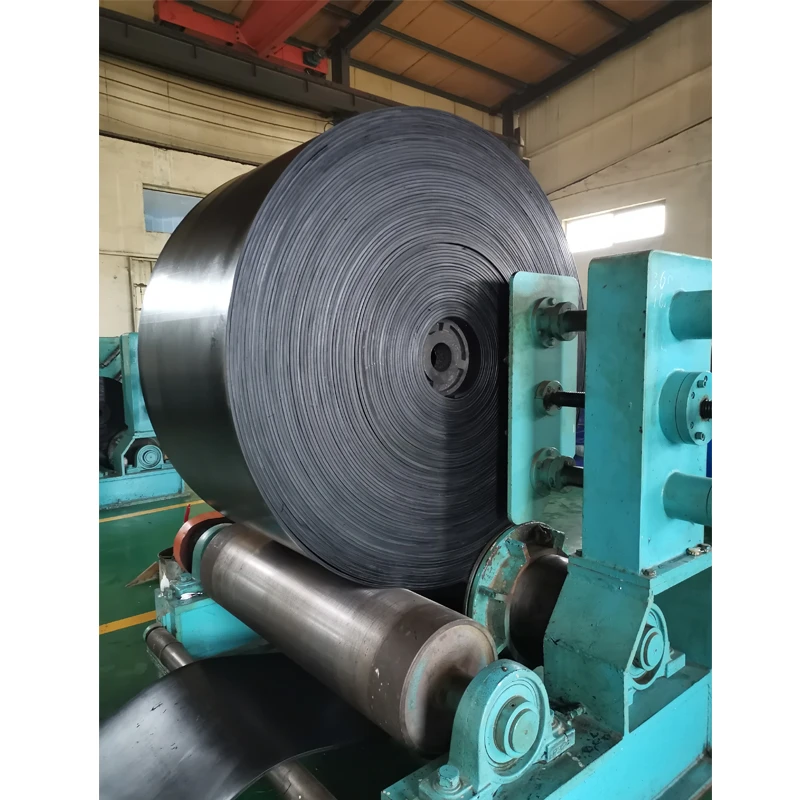
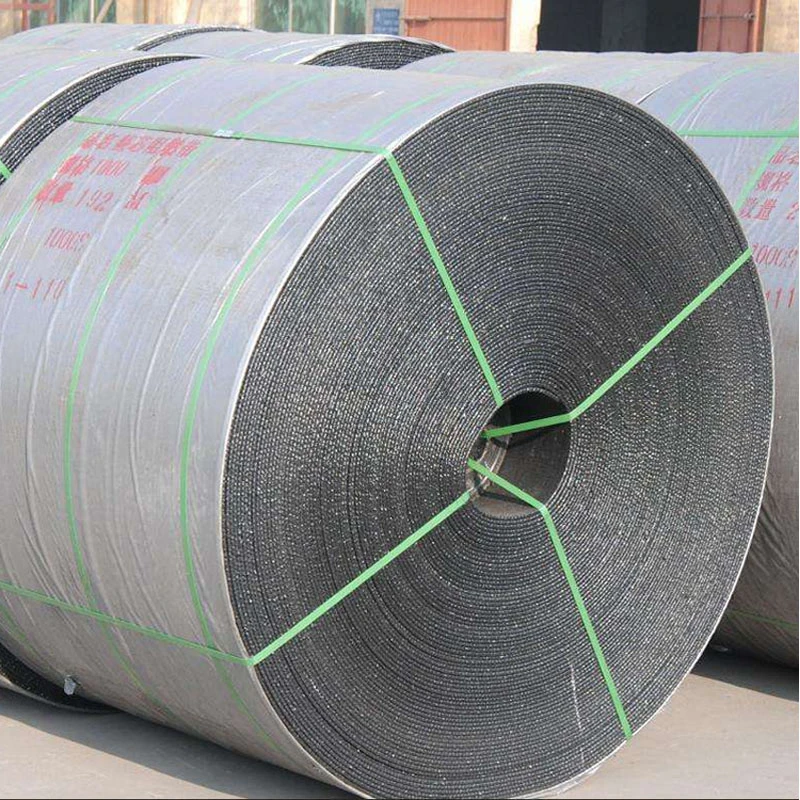
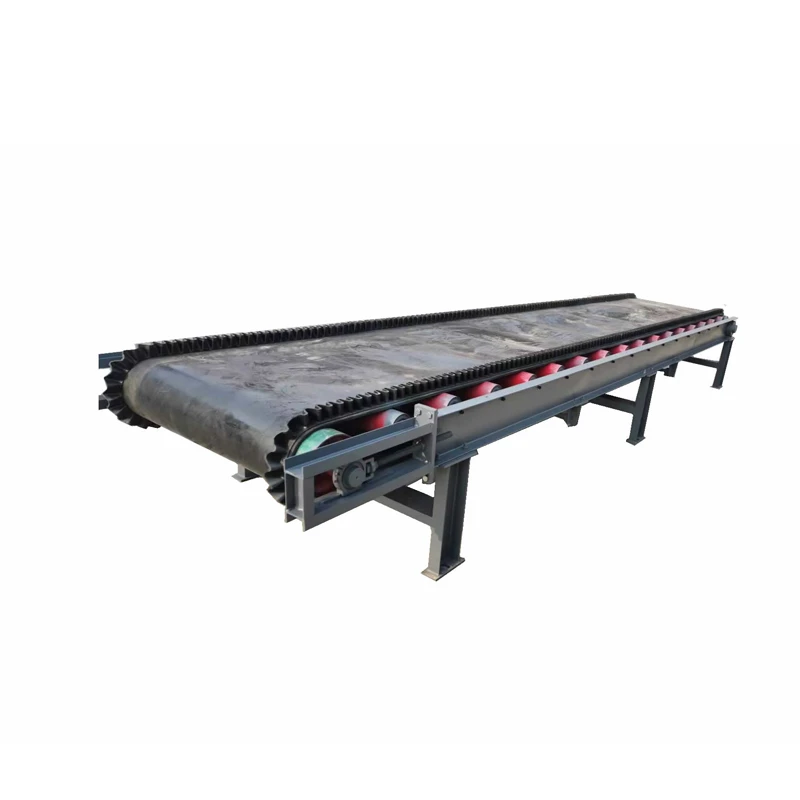
At its core, a stainless steel conveyor belt is a series of interlinked metal strips or meshes made from high-grade, corrosion-resistant stainless steel alloys. Its primary job? To transport goods or materials in a continuous loop, typically in factories, food processing plants, or even pharmaceutical setups.
Unlike fabric or rubber belts, stainless steel options resist heat, moisture, and harsh chemicals, making them essential where hygiene and durability are paramount. Oddly enough, these belts don’t just serve factories — they’ve found uses in disaster relief supply chains and cleanrooms, reflecting the breadth of their application.
Core Features That Make Stainless Steel Conveyor Belts Tick
1. Durability and Corrosion Resistance
Steel, especially stainless variants like 304 or 316 grades, stands up to rust and abrasion far better than alternatives. Engineers often note these belts last 3-5 times longer than rubber versions under harsh conditions.
2. Hygienic Design
The belt’s smooth, cleanable surfaces meet strict food and pharmaceutical regulations — no nasty bacteria buildup here. As an example, the FDA considers stainless steel belts ideal for processing fresh produce or meat.
3. Load Capacity and Scalability
Stainless steel belts handle heavy materials without sagging. Plus, they can be customized to fit tiny conveyor lines or enormous assembly operations, meaning industrial scalability is within practical reach.
4. Temperature Resistance
One of the standout uses is in heat-heavy industries, like baking or metal processing, because stainless steel can take temperatures well above 400°C without degradation.
5. Ease of Maintenance
Maintenance engineers joke that stainless steel belts clean up like a charm and usually require fewer replacements, saving money over time.
Stainless Steel Conveyor Belt: Real-World Applications Worldwide
These belts are everywhere — although sometimes unseen. For example:
- Food and Beverage: Used worldwide for hygienic transport of baked goods, frozen foods, and processed meat. Germany, Italy, and the US lead innovation here.
- Pharmaceuticals: In Swiss cleanrooms or Indian packaging labs, stainless steel belts guarantee contamination-free movement.
- Electronics: Brands in East Asia rely on these belts because they're easy to clean and handle sensitive components.
- Mining & Heavy Industry: Australia and South Africa’s iron ore plants exploit stainless steel’s strength and heat resistance.
- Logistics & Automation: Amazon and Alibaba distribution centers increasingly use metal belts to enhance operational reliability.
Interestingly, in post-disaster relief operations—where rapid, clean supply chain deployment is necessary—stainless steel conveyor belts serve as trusted workhorses to keep materials flowing smoothly without contamination risks.
Product Specifications: What to Watch For
| Specification | Typical Values | Notes |
|---|---|---|
| Material Grade | 304, 316 Stainless Steel | 316 preferred for higher corrosion resistance |
| Belt Width | 100 mm – 2000 mm | Custom widths available |
| Load Capacity | Up to 500 kg/m | Depends on belt thickness and support system |
| Temperature Range | -40°C to 600°C | Heat treatment enhances tolerance |
| Belt Thickness | 0.3 mm – 1.2 mm | Thicker belts for heavy loads |
Vendor Comparison: Choosing the Right Partner
| Vendor | Product Range | Lead Time | Price Range | Customization |
|---|---|---|---|---|
| HG Conveyor Belt Co. | Wide — all grades & sizes | 2–4 weeks | Mid-range | High (custom sizes & finishes) |
| Global Steel Conveyor Ltd. | Standard sizes only | 3–5 weeks | Budget | Low |
| Premium Belts Inc. | High-end, specialty belts | 4–6 weeks | Premium | Medium |
Advantages & Long-Term Value of Stainless Steel Conveyor Belts
So, why do so many industries prefer these belts? Because they just make life easier — and safer.
- Cost Efficiency: Despite a higher initial price, their longevity means fewer belt changes, less downtime, and fewer maintenance costs over time.
- Sustainability: Stainless steel is recyclable, so switching to these belts helps companies reduce waste and meet circular economy goals.
- Safety & Hygiene: No one wants contamination in food or pharma products. These belts enable rigorous cleaning, safeguarding consumer health.
- Reliability: They stand up under extreme conditions – wet, dry, hot, or cold – keeping operations humming without surprise shutdowns.
Emotionally, this translates into trust — workers feel safer, management sleeps better, and end customers receive high-quality products with peace of mind.
Looking Ahead: Future Trends & Innovations
Believe it or not, the world of stainless steel conveyor belts is evolving fast. The rise of Industry 4.0 means you’ll soon see smart belts embedded with sensors that track wear in real-time, enabling predictive maintenance.
Green energy also plays a part: manufacturers are developing belts that reduce friction and energy consumption. Plus, novel alloys promise even better corrosion resistance with lighter weight.
Automation companies are integrating these belts into fully robotic environments, making entire supply chains faster and less wasteful. Custom coatings, nano-treatment, and modular designs are trends that engineers swear by as game-changers.
Challenges & Solutions: What You Should Know
Of course, no technology is flawless. One challenge is the upfront cost — stainless steel belts are pricier than rubber or plastic. However, as many operations have discovered, this initial expense is balanced out by lower life cycle costs.
Sometimes, surface roughness or mesh openings can cause minor issues like product snagging. Manufacturers have addressed this by offering custom surface finishes or hybrid belts combining metal with polymer layers.
Another hurdle is weight. Steel belts are heavier, requiring sturdier drive systems. The solution? Modern lightweight stainless alloys or modular belt sections reduce the load.
Overall, experts recommend thorough consultation with suppliers and real-world testing before committing to ensure each belt fits the specific application perfectly.
FAQ: Practical Questions About Stainless Steel Conveyor Belts
- Q: How long does a stainless steel conveyor belt typically last?
A: Depending on usage conditions, good-quality stainless steel belts can last anywhere from 5 to 15 years or more, outperforming traditional belts significantly in both durability and corrosion resistance. - Q: Can stainless steel conveyor belts be used in food processing safely?
A: Absolutely. Their hygienic surfaces and heat resistance meet FDA and EU food safety standards, making them ideal for various food and beverage processing lines. - Q: Are these belts customizable?
A: Yes, vendors like HG Conveyor Belt Co. offer custom widths, thicknesses, and finishes to fit specialized needs, from cleanrooms to heavy industry. - Q: How difficult is maintenance for stainless steel belts?
A: They are relatively low maintenance and easy to clean. Routine checks for tension and wear are recommended, but the stainless surface resists buildup and corrosion exceptionally well. - Q: Do stainless steel belts contribute to sustainability goals?
A: Yes. Since they’re recyclable and longer-lasting than alternatives, they help companies reduce waste and align with global circular economy initiatives.
Conclusion: A Solid, Long-Term Investment
The stainless steel conveyor belt is more than just a piece of factory equipment. It’s a global enabler that balances durability, hygiene, and sustainability better than most alternatives. As industries continue their push for smarter, greener, and more efficient systems, these belts are poised to remain front and center.
If you want to explore top-notch options that combine proven performance with cutting-edge customization, check out HG Conveyor Belt Co.. They’ve got the full range, the expertise, and the innovation to help your operations run smoother — literally.
So next time you see a product roll effortlessly down a line, give a minute of appreciation to the stainless steel conveyor belt — quietly durable, endlessly useful, and ready for the future.
References:
1. International Organization for Standardization (ISO)
2. World Bank Industrial Trends Report
3. Wikipedia: Stainless Steel