Food Conveyor Belt: Essential Guide to Global Food Industry Transport Solutions
The Food Conveyor Belt: Why It’s More Important Than You Think
Think about the journey of food — from farm to fork, if you will. At some level, food conveyor belts quietly drive that whole parade behind the scenes. Not glamorous, but absolutely vital. Globally, with food production scaling up and supply chains stretching across continents, efficient food conveyor systems keep pace while maintaining hygiene, speed, and safety. The world’s population is expected to reach nearly 8.5 billion by 2030 (UN data), meaning the food industry needs robust solutions just to keep food moving. Conveyor belts designed specifically for food help minimize contamination risks, reduce waste, and streamline packaging — so people worldwide get fresh food quicker and safer. I mean, odd to think a simple belt can bear so much responsibility, but that’s exactly why they matter. ---Understanding the Global Context of Food Conveyor Belts
Globally, food conveyor belts aren’t just factory tools; they’re a critical node in the supply chain. According to the ISO 22000 standard on food safety management, every part of food handling counts — including transport. Conveyor belts that meet strict hygiene and durability standards help companies comply with these global rules. Complex food production facilities, whether producing baked goods in the USA or processing fruits in Spain, count on these belts to handle large volumes without compromising quality. Supply chain disruptions made painfully clear during recent global events (hello, pandemic) spotlight how reliable conveyor belts directly affect food availability. Yet, challenges loom — contamination risks, mechanical breakdowns, and inefficiencies cause food waste and hamper distribution. These make choosing the right food conveyor system not just a technical decision but a humanitarian one. ---What Exactly Is a Food Conveyor Belt?
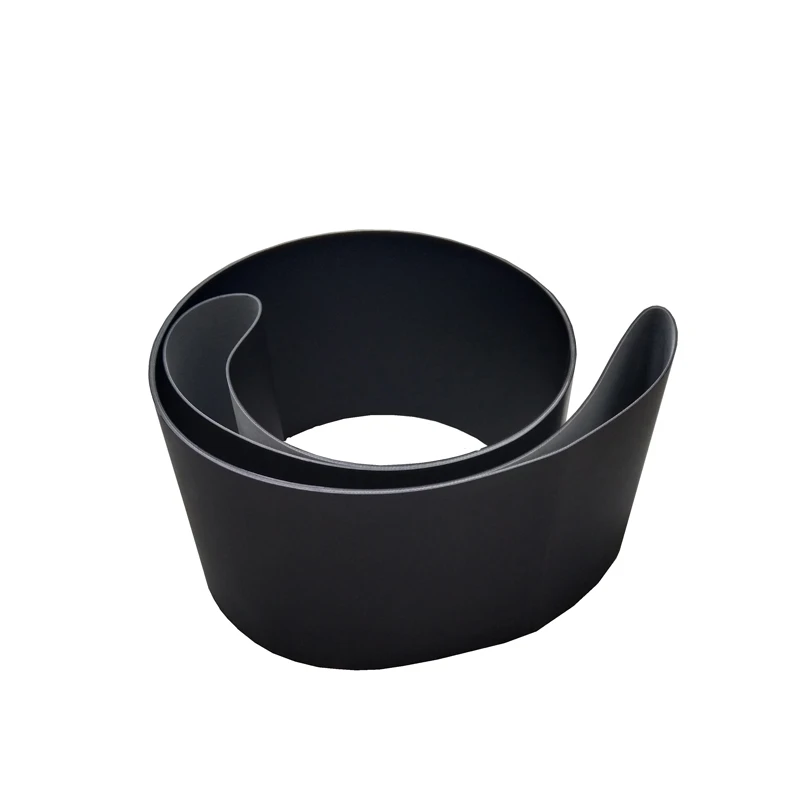
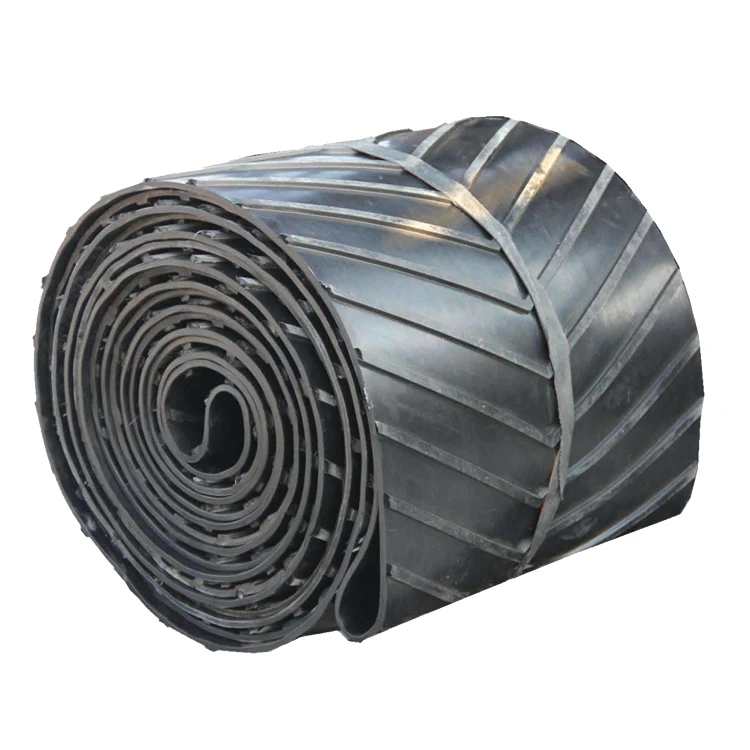
Put simply, a food conveyor belt is a moving platform specifically designed to transport food products safely and efficiently through various production stages. Unlike industrial belts used for raw materials or heavy goods, these belts are built with food-grade materials like FDA-approved PVC or polyurethane and designed for easy cleaning and resistance to oils, fats, and moisture. They are the highway on which fruits, veggies, baked goods, or even frozen items travel from sorting and washing to packaging and shipping. Their design supports sanitary processing, which is crucial for modern food safety requirements and reducing contamination risks. In humanitarian contexts — like feeding large numbers during relief efforts — these belts help speed operations, getting food on plates faster with less manual contact. It’s quite something when technology serves dignity and efficiency in equal measure. ---Core Components That Make Food Conveyor Belts Tick
1. Durability
Belts withstand constant movement, exposure to moisture, oils, and cleaning agents. High-quality food conveyor belts last longer and reduce downtime, which translates directly into cost savings.2. Hygiene & Cleanability
Food-grade materials resist bacteria build-up and allow for frequent washdowns or CIP (clean-in-place) processes. Surfaces are often smooth or use modular plastic links to minimize food trapping.3. Scalability & Customization
From small artisanal bakeries to massive processing plants, belts come in various widths, lengths, and with adjustable features like adjustable speeds or incline sections.4. Energy Efficiency
Modern belts integrate low-friction surfaces, energy-saving motors, and can even run on smart systems, optimizing power use to minimize the environmental footprint.5. Cost Efficiency
Though upfront costs vary, the right belt reduces operational expenses by cutting repair time, improving throughput, and lowering food loss from damage. ---The Real-World Impact: Where Food Conveyor Belts Shine
You’ll find food conveyor belts sprinkled all over global food sectors. In Europe, many dairy plants use modular belts to move high-moisture cheese and yogurt products safely through packaging lines. In Southeast Asia, rice mills and spice processors rely on belts to move delicate grains without contamination. Emergency response teams working in post-disaster zones — when infrastructure is barely standing — sometimes deploy mobile food conveyor setups to speed relief food assembly. Even in remote industrial zones, conveyor belts improve worker safety by automating the flow of hot or hazardous food materials. I recall a small case in a Mexican bakery that switched from manual handling to automated conveyor systems — their product waste dropped by 25%, simply because food wasn’t dropped or handled less. It feels like the conveyor belt quietly makes teamwork better. ---Advantages & Long-Term Value of Food Conveyor Belts
- Reduced contamination risk thanks to hygienic designs - Lower operational costs via minimized downtime and damage - Enhanced food safety compliance with international standards like ISO 22000 - Improved safety and worker comfort, reducing repetitive strain injuries - Sustainability angle: many belts now support recycled materials and energy-saving motors - Scalability helps businesses grow without overhauling entire infrastructure All in all, you’re looking at an investment that pays dividends not only in production speed but also in trust — customers want safe food, and conveyor belts help make that promise real. ---Where Food Conveyor Technology Is Heading
Big leaps are coming: imagine conveyor belts with embedded sensors to monitor contamination, wear, and temperature in real time. Smart conveyor belts can alert managers before a breakdown occurs, reducing downtime significantly. Sustainability is a hot topic, too. Manufacturers are exploring bio-based plastics and solar-powered belt motors. Automation and AI integration mean smarter, faster sorting and handling, minimizing human error. And, of course, customization tailored to niche products like allergen-free or organic food lines is gaining traction. ---Challenges & Clever Fixes
No system is perfect. Food conveyor belts face: - Contamination risks if not cleaned properly - Wear and tear from harsh environments - Difficulty handling irregular shapes or sticky foods How to solve? Manufacturers suggest modular belts that are easier to disassemble, regular maintenance schedules aided by IoT, and hybrid designs — combining smooth belts with cleats or sidewalls to manage tricky products. It’s a constantly evolving art and science. ---FAQ: Common Questions About Food Conveyor Belts
Q1: What materials are best for food conveyor belts?A: Food-grade PVC, polyurethane, and stainless steel components are common, chosen for non-toxicity, durability, and ease of cleaning. Q2: Can food conveyor belts handle frozen products?
A: Yes! Specialized cold-resistant belts are designed with materials that stay flexible and safe even at sub-zero temperatures. Q3: How often should conveyor belts be cleaned?
A: Cleaning frequency depends on usage, but daily wash downs are common in high hygiene environments, using appropriate CIP systems. Q4: Are food conveyor belts customizable?
A: Absolutely. Vendors tailor belt widths, lengths, and speeds to fit specific production needs — including modular designs. Q5: What are the typical lifespan and maintenance needs?
A: Lifespan varies widely but generally 5-10 years; regular inspections and timely parts replacement extend operational life significantly. ---
Product Specification Table for Typical Food Conveyor Belt
| Specification | Details |
|---|---|
| Material | FDA-approved PVC / Polyurethane |
| Belt Width | 200mm to 1500mm (customizable) |
| Operating Temperature | -20°C to +80°C (standard belts) |
| Belt Speed | Up to 120 m/min (variable) |
| Cleaning | CIP compatible, quick disassembly |
| Load Capacity | Up to 50 kg/meter |
Vendor Comparison: Choosing Your Food Conveyor Belt Supplier
| Vendor | Material Quality | Customization | Support & Service | Price Range |
|---|---|---|---|---|
| H&G Conveyors | High-grade FDA PVC | Extensive customization options | 24/7 technical support | Mid to Premium |
| FoodTech Belting | Polyurethane & seamless belts | Moderate customization | Standard business hours support | Budget to Mid |
| CleanMove Systems | FDA-approved plastics and stainless | Premium customization & integration | Dedicated account managers | Premium |
Wrapping It Up: Why Food Conveyor Belts Matter
Conveyor belts might not make food headlines, but they truly underpin the efficiency, safety, and sustainability of modern food production. Whether in bustling factories, remote relief camps, or your local bakery, their quiet, steadfast work ensures food gets handled humanely and reliably. If you’re looking to optimize your operation, picking the right food conveyor belt is more than a hardware purchase — it’s an investment in quality and trust. Curious? Feel free to explore food conveyor belt solutions and see how the right fit can transform your process. ---Mini Takeaways:
- Food conveyor belts are vital for safe, hygienic, and efficient food transport globally.
- Materials, cleanability, and customization are key factors in selection.
- Innovations like IoT sensors and sustainable materials are reshaping the industry.
- Costs balance out via savings in reduced waste, downtime, and compliance risks.
- Reliable suppliers with good support make all the difference in operation longevity.