Industrial Conveyor Belts: The Silent Global Workhorses
If you think about industries or logistics on a global scale, the industrial conveyor belt is almost always humming quietly in the background, keeping things moving. From massive manufacturing plants to remote mining operations, these belts aren’t just a conveyor of goods; they’re a backbone supporting supply chains worldwide. Frankly, grasping how these systems operate and why they're so critical unlocks an appreciation for their role in efficiency and safety — and ultimately, economic growth on a global scale.
Why Should We Care About Industrial Conveyor Belts?
Globally, the conveyor belt market is growing, with estimates from industry watchers reporting a compound annual growth rate (CAGR) north of 5% over the next decade. And no surprise here — modern industries like automotive, food processing, logistics, and even disaster relief hinge on these continuous systems to handle thousands of tons of materials daily. Plus, as supply chains become more complex, the demand for conveyor belts that can perform reliably under harsh conditions has skyrocketed.
But there's a challenge lurking: how to maintain durability, efficiency, and sustainability while reducing downtime and environmental impact? That's where understanding industrial conveyor belt systems—materials, design, and innovations—becomes more than academic.
Defining the Industrial Conveyor Belt
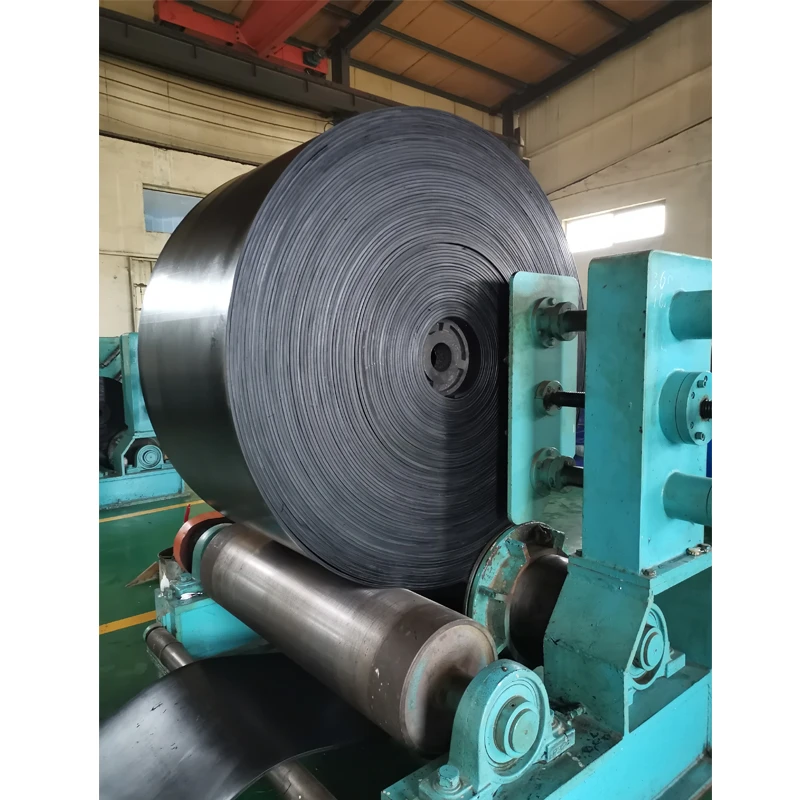
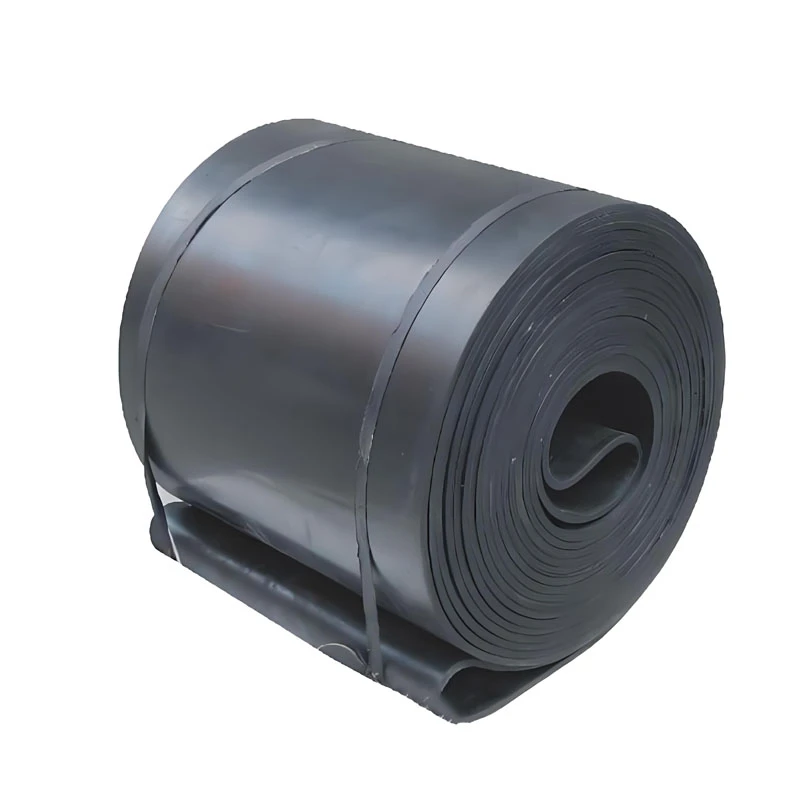
At its core, an industrial conveyor belt is a continuous loop-driven device made of durable materials like rubber, PVC, or metal composites, engineered to transport goods or materials from one point to another efficiently. It’s pretty straightforward but essential: move, sort, and deliver reliably with minimal human intervention.
More than a simple machine, it’s the facilitator of modern industry — speeding up processes that once took hours or days manually. Its impact even extends beyond factories; in humanitarian relief, these belts help quickly move supplies through logistics hubs after disasters, speeding up aid delivery when it's most critical.
Key Components That Define Conveyor Belt Performance
1. Durability & Material Composition
Durability is king. Conveyor belts must withstand abrasion, chemical exposure, temperature extremes, and constant loads. Common materials include rubber blends treated for heat resistance, PVC for food safety, or steel cords for massive power plants. Each has trade-offs—steel is heavy and expensive but nearly indestructible; PVC is lighter but can’t bear heavy loads.
2. Scalability & Customization
No two industries are identical. The ability to customize belt widths, lengths, and speed capabilities makes them fit-for-purpose, whether it’s a high-speed factory line or rugged mining terrain. Some systems offer modular belts that can be quickly replaced or extended, reducing downtime.
3. Cost Efficiency Over the Lifecycle
Capital cost is just the start. Many engineers say that maintenance costs, energy consumption, and replacement intervals tell the real story of belt economics. Choosing right at the specs stage can save tens of thousands annually in larger operations, so optimization is often part art, part science.
4. Safety & Reliability
Worker safety is paramount. Conveyor belts designed with sensors to detect jams or unexpected loads prevent accidents. Also, fire-retardant materials and anti-static properties may be required in certain industries. The best systems literally save lives.
Mini takeaway:
- Durability, adaptability, cost, and safety form the four pillars of effective industrial conveyor belt design.
- Choosing the right composition tailored to your industry can drastically affect output and lifecycle costs.
Where Does This Tech Shine Globally?
Industrial conveyor belts are ubiquitous but show different faces based on geography and industry demands.
- Mining in Australia and South Africa: Huge, tough belts move ores over kilometers, often exposed to the elements.
- Food processing in Europe and North America: Hygienic, easy-to-clean belts meet stringent sanitary standards.
- Manufacturing hubs in East Asia: High-speed, ultra-precise belts integrated with robotics streamline assembly lines.
- Disaster relief logistics worldwide: Portable conveyor systems expedite loading in airports, ports, and temporary hubs, especially after hurricanes or earthquakes.
Oddly enough, these belts don’t get much fanfare but are indispensable in everything from everyday shopping deliveries to lifesaving aid distribution.
Product Specification Table: Typical Industrial Conveyor Belt Model
| Feature | Specification | Benefit |
|---|---|---|
| Material | Multi-ply rubber with steel reinforcement | Enhanced strength & longevity in harsh environments |
| Belt Width | 800mm - 2400mm (customizable) | Fits a range of industrial applications |
| Operating Temperature | -20°C to 80°C | Safe for various climate conditions |
| Max Speed | 5 m/s | Supports high-throughput operations |
| Tensile Strength | Up to 2800 N/mm | Handles heavy loads without failure |
Advantages & Long-Term Value of Industrial Conveyor Belts
What’s striking when you step back is how conveyor belts create value beyond simple material transport:
- Cost savings: Automated transport decreases labor costs and errors, improving operational budgets.
- Sustainability: Newer low-friction belts reduce energy usage; recyclable materials close loops.
- Reliability: Lower downtime means deadlines get met and trust builds between suppliers and customers.
- Safety: Reduced manual handling means fewer workplace injuries — employees appreciate that a lot.
- Social impact: In disaster zones, fast distribution can literally save lives.
Companies investing in quality conveyor belts often see these benefits compound — a testament to good engineering married with practical foresight.
Emerging Trends & Future Innovations
Digital transformation and sustainability are reshaping conveyor technology. Here’s a quick snapshot:
- Smart Conveyor Systems: IoT sensors monitor belt wear and load in real time, enabling predictive maintenance.
- Eco-Friendly Materials: Biodegradable covers and recycled composites reduce environmental footprint.
- Automation Integration: Conveyor belts are increasingly synced with robots and AI for seamless workflows.
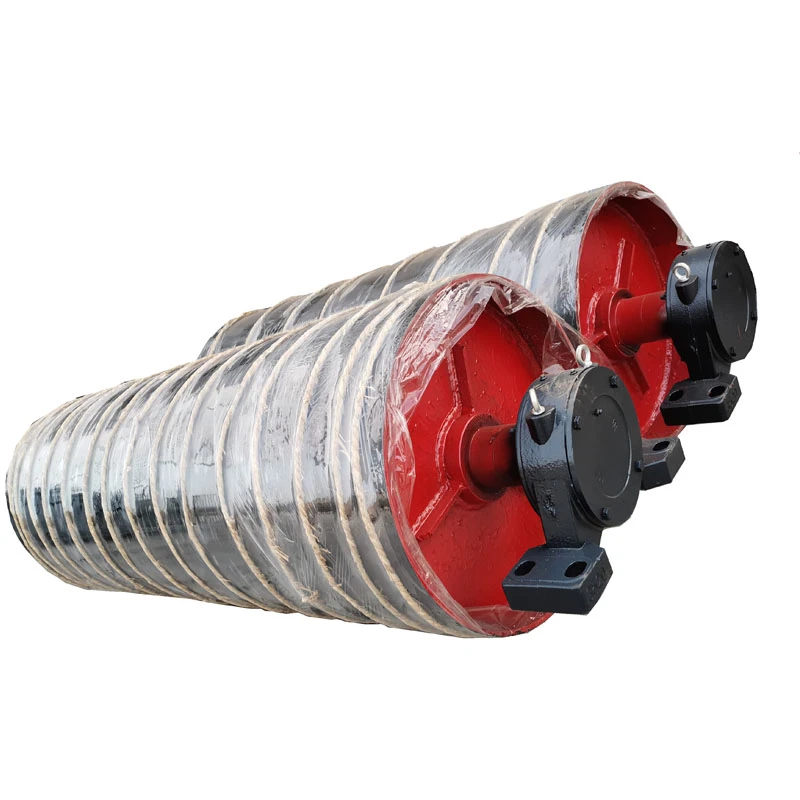
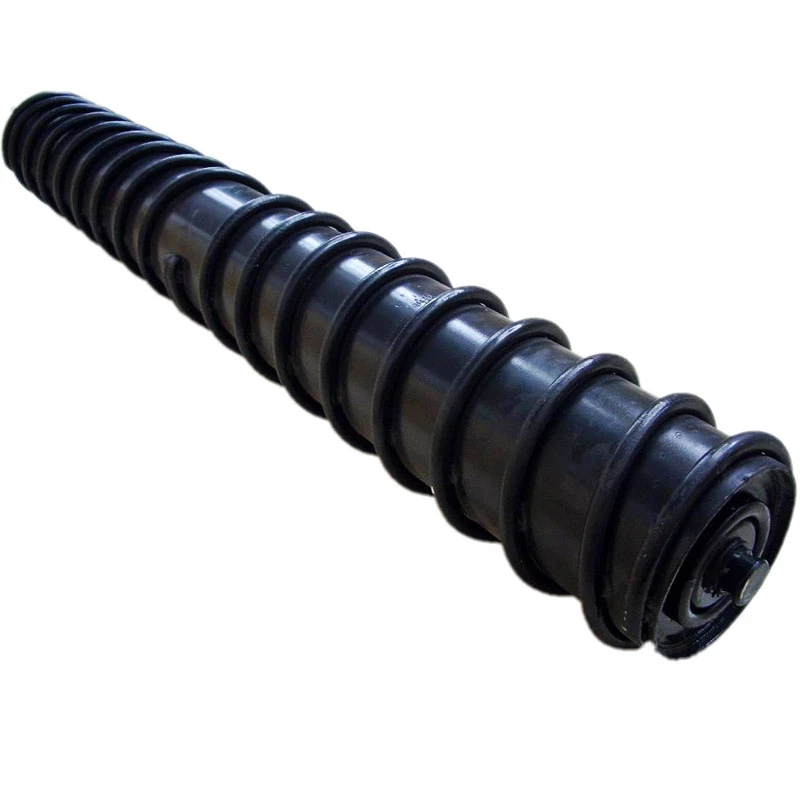
- Energy Efficiency: Low-friction rollers, regenerative drives, and solar-powered motors lower power consumption.
The race toward net-zero industrial facilities means conveyor belts must evolve fast — and often simultaneously — on multiple fronts.
Challenges & Smart Solutions
No tech is without its quirks. Conveyor belts face:
- Wear & Tear: Constant exposure demands rigorous inspection schedules.
- Material Compatibility: Not all belts suit all industries—chemical resistance can be tricky.
- Cost Constraints: High-spec belts can be pricey, although cheaper options risk safety.
- Downtime During Maintenance: Disruptions hurt productivity, and replacements can take time.
Experts advise that total cost of ownership models — including downtime, safety, and replacement parts — help select the best fit rather than just initial price tags. Plus, modular designs now allow swapping damaged sections quickly instead of the whole belt, which is a neat fix.
Vendor Comparison: Leading Industrial Conveyor Belt Suppliers
| Vendor | Specialty | Price Range | Unique Feature |
|---|---|---|---|
| BeltPro Inc. | Heavy-duty mining belts | $$$ | Custom steel cord reinforcement |
| EcoRoll Systems | Sustainable, recyclable belts | $$ | Biodegradable covers |
| SpeedLine Tech | High-speed food grade belts | $$$ | FDA & ISO compliant materials |
FAQs: Frequently Asked Questions About Industrial Conveyor Belts
- What factors affect the lifespan of an industrial conveyor belt?
- The lifespan depends on material quality, load types, environmental exposures, and maintenance routines. Harsh chemicals or extreme temperatures can degrade belts faster, while regular inspections can catch small issues before they escalate.
- How do I choose the right conveyor belt for my industry?
- Consider the weight and type of materials being moved, environmental conditions, safety requirements, and budget. Consulting with vendors who offer customization and testing data helps avoid costly mismatches.
- Are there eco-friendly industrial conveyor belts available?
- Yes, newer belts use recycled and biodegradable materials and designs that reduce energy use. These are gaining traction as companies prioritize sustainability.
- Can conveyor belts integrate with automation systems?
- Absolutely. Modern belts often come with sensor tech and interfaces compatible with robotics and IoT platforms to enable fully automated production lines.
- What maintenance is typically required for industrial conveyor belts?
- Routine cleaning, alignment checks, belt tension adjustments, and timely replacement of worn parts are crucial to ensure long-term operation and safety.
Wrapping It Up: Why Industrial Conveyor Belts Matter Now More Than Ever
In real terms, industry efficiency, worker safety, and global supply chains lean heavily on industrial conveyor belts. They reduce manual work, bolster safety, and — not-so-shockingly — make entire industries viable at scale. Whether you’re in manufacturing, mining, or aid distribution, investing in quality conveyor systems is a long-term value play.
Thanks for sticking with me through this whirlwind overview. For anyone scouting serious industrial conveyor belt solutions, check out the latest innovations and product specs at our website. Sometimes the quiet giants make the biggest difference.