Understanding the Mini Conveyor Belt: Small Device, Big Impact
If you picture a conveyor belt, you probably imagine sprawling factory floors or vast mining sites. Yet, the mini conveyor belt quietly transforms countless smaller-scale industries worldwide. These compact marvels, often overlooked, play an essential role in streamlining processes, increasing safety, and boosting efficiency everywhere from packaging lines to remote humanitarian logistics. Knowing what makes these small conveyors tick—and why they’ve become a global tool—is surprisingly rewarding, whether you're engineering a production line or tackling supply chain challenges in tight spaces.
Global Context: Why Mini Conveyor Belts Matter More Than Ever
The International Organization for Standardization (ISO) recognizes conveyor systems as a backbone in material handling, supporting countless sectors from manufacturing to food processing. Today’s mini conveyor belts address a persistent challenge: how to make belt technology accessible, flexible, and scalable for small to medium enterprises or fieldwork scenarios. According to a recent UN report, efficient logistics, particularly in rugged or humanitarian conditions, can improve delivery times by almost 40%. That’s where these nimble conveyors shine — their portability and adaptability solve problems that large conveyor systems simply can't tackle.
With global supply chains experiencing disruptions, automation and material handling solutions like mini conveyor belts help businesses maintain steady flows. Frankly, they bridge the gap where traditional equipment would struggle due to footprint or cost.
Mini takeaway:
- The mini conveyor belt is a global player in material logistics and automation.
- It offers compact, cost-effective solutions in tight spaces or challenging environments.
- International data confirm its role in improving operational efficiency and response times.
What Exactly Is a Mini Conveyor Belt?
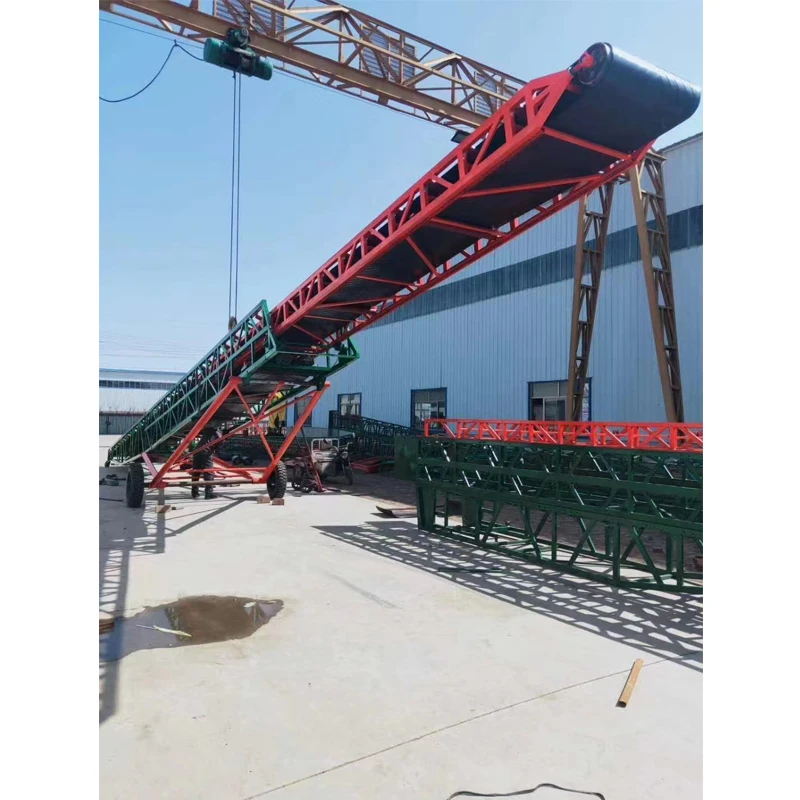
Simply put, a mini conveyor belt is a smaller-scale conveyor system designed to transport materials or goods over short distances with precision and ease. Unlike industrial belts stretching across entire warehouses, these compact belts fit in limited spaces, making them ideal for sorting small parts, packaging, or even aiding in field operations where space and power are limited.
Think of it as the Swiss Army knife of conveyor systems—a versatile, modular tool made for modern industry needs, whether in urban manufacturing hubs or rural relief centers. They align closely with the demand for scalable automation in sectors like electronics assembly, pharmaceuticals, or logistics.
Core Components and Features That Define Mini Conveyor Belts
1. Durability
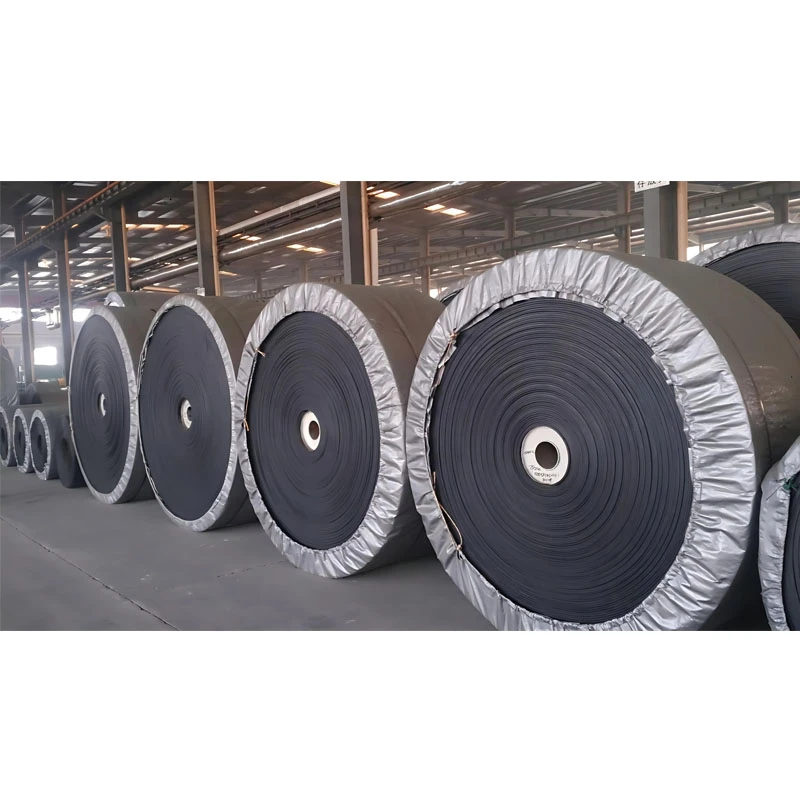
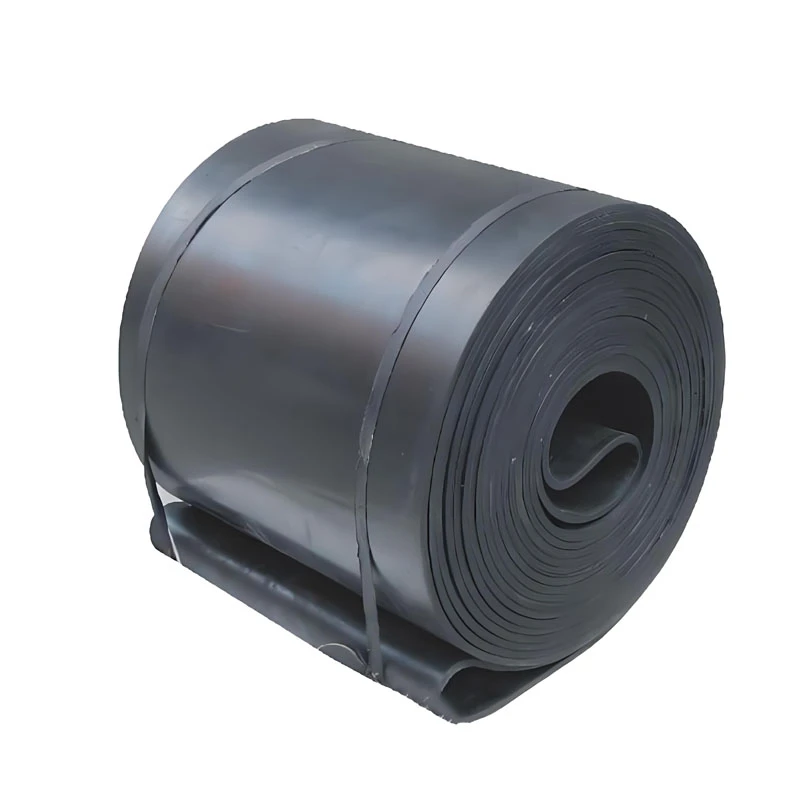
Mini conveyor belts often use rugged materials like reinforced PVC or rubber-coated belts, combined with corrosion-resistant aluminum or stainless steel frames. This makes them suitable for harsher environments, from wet food processing plants to dusty industrial sites.
2. Portability and Scalability
These belts are designed for easy transport and assembly. Modular sections can be added or removed quickly, allowing users to tailor length or complexity — a huge plus for temporary setups like exhibitions or emergency response.
3. Cost Efficiency
Compared to bulky industrial conveyors, mini belts are budget-friendly both upfront and in maintenance. They reduce labor costs by automating simple transport tasks without demanding heavy infrastructure.
4. Precision Control
Small conveyors typically feature adjustable speeds and sensors for accurate material handling — crucial when moving delicate parts or pharmaceuticals.
5. Energy Consumption
Smaller motors and efficient designs mean mini conveyor belts consume far less energy, aligning with growing sustainability targets in industry (ISO 50001 standards, for instance).
Mini takeaway:
- Durability and modularity make mini conveyors reliable in diverse conditions.
- They balance cost and precision, improving workplace safety and productivity.
- Energy-efficient designs support sustainability commitments.
Mini Conveyor Belts Around the World: Diverse Applications and Use Cases
Mini conveyor belts pop up where you might least expect them. In Japan and South Korea, automated electronics manufacturing lines rely on compact conveyors to handle tiny components with minimal human intervention. In Europe, pharmaceutical companies use them extensively for packaging and sorting. In North America, you’ll find mini belts in food processing — especially in artisanal and small batch producers who can’t justify large machinery.
Meanwhile, NGOs in disaster zones — say, after a hurricane in the Caribbean or an earthquake in Nepal — deploy mini conveyors for rapid, efficient distribution of relief supplies. Their lightweight design allows teams to set up material handling quickly, speeding up aid deliveries to hard-to-access locations. Similarly, mining operations in remote areas of Africa utilize portable mini belts to move samples or small parts where permanent infrastructure is absent.
Mini takeaway:
- Industries worldwide depend on mini conveyor belts for precise, small-scale material handling.
- From high-tech manufacturing in Asia to humanitarian relief in disaster zones, the applications are broad and impactful.
Advantages and Long-Term Value of Mini Conveyor Belts
Let’s be honest: investing in a mini conveyor belt is about more than just speed. It’s about reliability, safety, and trust. Workers who once manually moved parts can now rely on consistent, injury-reducing automation. Over time, that translates to lower costs, fewer workplace injuries, and better product handling.
Cost savings aside, mini conveyor belts contribute to sustainability — using renewable materials and low energy consumption as per ISO 14001 guidelines — which adds value in markets placing premium on green credentials.
On the emotional side, businesses gain confidence knowing their workflow is smooth and adaptable. In humanitarian work, these conveyors help safeguard the dignity of aid recipients by ensuring timely, organized delivery of resources.
Product Specifications at a Glance
| Specification | Typical Value / Option |
|---|---|
| Belt Width | 100mm – 600mm |
| Length (Modular) | 0.5m to 5m (expandable) |
| Max Load Capacity | Up to 50 kg (evenly distributed) |
| Frame Material | Aluminum / Stainless steel optional |
| Power Requirement | 110V/220V single phase, low wattage motor |
| Speed Control | 5 – 30 m/min variable |
Vendor Comparison: Picking the Right Mini Conveyor Belt Supplier
| Feature | Supplier A | Supplier B | Supplier C |
|---|---|---|---|
| Price Range | $800 - $1,200 | $950 - $1,400 | $700 - $1,100 |
| Lead Time | 2 weeks | 3-4 weeks | 1 week |
| Customization Options | High | Medium | Low |
| Warranty | 2 years | 1 year | 3 years |
| Eco-Friendly Materials | Yes | No | Partial |
Looking Ahead: Innovations in Mini Conveyor Belt Technology
One of the most intriguing shifts in the mini conveyor belt arena is the integration of smart sensors and IoT connectivity. These features let supervisors monitor performance remotely, schedule maintenance proactively, and minimize downtime. Additionally, advances in biopolymer belts and solar-powered motors promise greener, more autonomous systems.
Companies are also exploring modular automation—mini conveyors paired with robotic arms or AI-driven sorters, levelling up productivity without ballooning costs or complexity. Maybe the future is smaller and smarter than we anticipated, but definitely more connected.
Challenges and How to Overcome Them
Of course, no tech is perfect. Mini conveyor belts can face challenges like limited load capacity and vulnerability under extreme conditions. However, engineers suggest balancing modular scalability so units can be combined for larger tasks, and using specialized coatings to resist abrasive materials or moisture.
Plus, ongoing collaboration between suppliers and users—sharing feedback openly—helps refine designs faster. It’s a reminder that even the tiniest conveyor belts need big teamwork.
FAQ: Answers to Your Mini Conveyor Belt Questions
- What industries benefit most from mini conveyor belts?
- Manufacturing sectors like electronics, pharmaceuticals, and food packaging rely heavily on mini conveyor belts for precise, small-scale transport. Additionally, logistics and humanitarian aid organizations use them for efficiency in tight spaces.
- Are mini conveyor belts energy efficient?
- Yes, typically mini conveyors use low-wattage motors and optimized materials, consuming considerably less energy compared to larger systems, aligning with many organizations’ sustainability goals.
- Can mini conveyors be customized for unique tasks?
- Absolutely. Many suppliers offer modular designs and variable speeds, allowing users to tailor belts for specific product sizes, weights, and environments.
- How easy is it to maintain a mini conveyor belt?
- Maintenance is generally straightforward with accessible components, simple tension adjustments, and replaceable belts, which helps reduce downtime and service costs.
Wrapping Up: The Hidden Hero of Automation
All told, mini conveyor belts may not grab headlines like giant industrial machines, but their impact is profound—both in factories and field operations worldwide. They combine convenience, affordability, and versatility to solve complex challenges simply and elegantly. If you’re curious to explore how a mini conveyor belt could fit into your workflow or project, visit our website to check out the latest models and expert advice.
Quick takeaways:
- Mini conveyor belts are small but vital cogs in the global industrial and humanitarian machine.
- They combine durability, precision, and energy efficiency to tackle diverse material handling tasks.
- Emerging tech trends are making these systems smarter, greener, and easier to maintain.
1. ISO - Conveyor Equipment Standards – iso.org
2. UN Logistics and Supply Chain Report 2023
3. Energy Management Systems (ISO 50001)