Understanding Rubber Conveyor Belt: The Backbone of Modern Industry
Rubber conveyor belts may sound like industrial jargon, but they’re quietly revolutionizing how goods move all around the world. From mining to ports, factories to airports, these resilient belts keep operations humming 24/7. Why does it matter? Because in an increasingly interconnected global economy, the continuous, cost-effective transportation of materials is vital. The better we understand rubber conveyor belts — their design, durability, and versatility — the more we can optimize industries dependent on them.
So, what’s the big deal with rubber conveyor belts? They’re the unsung heroes carrying millions of tons of raw materials and products daily, supporting everything from critical disaster relief supply chains to high-tech manufacturing. Knowing their key traits can unlock practical insights for engineers, planners, and even humanitarian organizations.
The Global Importance of Rubber Conveyor Belts
On a global scale, conveyor belts made of rubber represent a multi-billion-dollar component of material handling. According to the International Organization for Standardization (ISO) and industry reports, over 60% of bulk material transportation in mining and manufacturing plants relies on these conveyor systems. The United Nations’ emphasis on sustainable industrial development further underscores their role — by enhancing efficiency, reducing fossil fuel consumption, and minimizing manual labor.
One challenge many industries face: moving heavy or bulky materials efficiently across difficult terrains or restricted spaces while minimizing downtime and maintenance costs. Rubber conveyor belts, thanks to their flexibility and abrasion resistance, step in here. They reduce breakdowns and improve throughput, especially in harsher environments like the Middle East’s oil fields or the dusty quarries of Latin America.
Mini takeaway: The rubber conveyor belt is more than a strip of material — it’s a critical link in global industrial chains, supporting economies and sustainable growth simultaneously.
What Exactly is a Rubber Conveyor Belt?
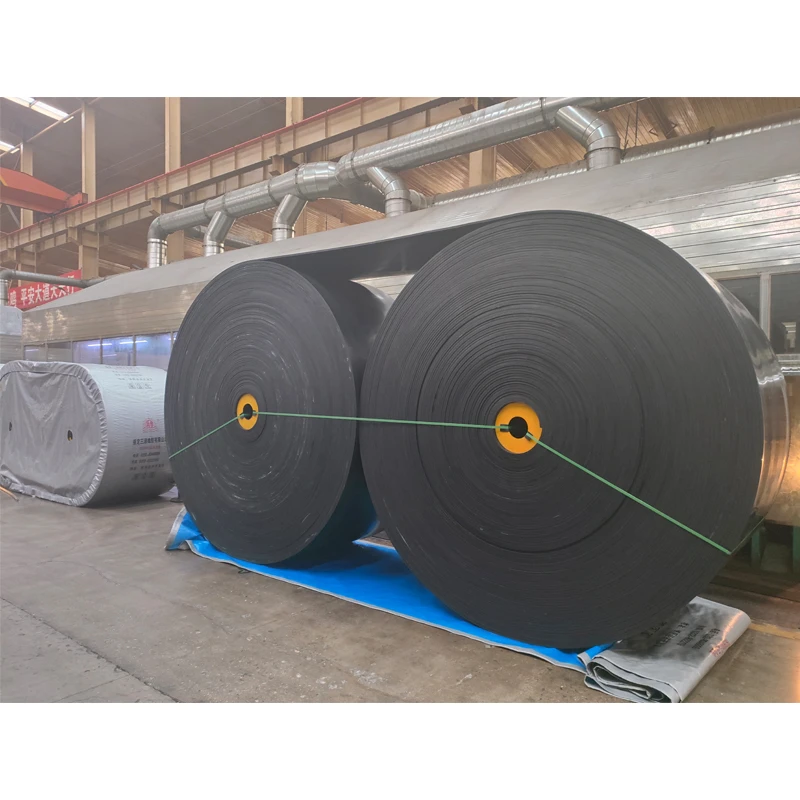
Simply put, a rubber conveyor belt is a continuous loop of durable rubber material, reinforced with layers of fabrics or steel cords, designed to transport materials smoothly over long distances. Picture a moving walkway, but rugged enough to carry coal, grain, or recycled plastics effortlessly. This combination of elasticity and strength allows the belt to flex over rollers and pulleys without cracking or deforming.
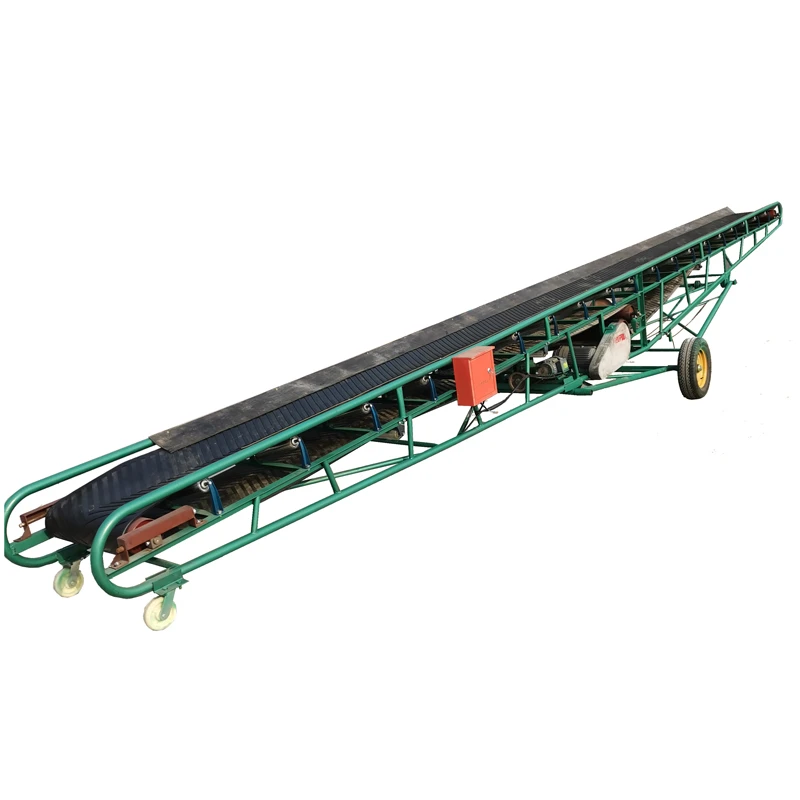
Rubber conveyor belts connect directly with modern industry and humanitarian aid by ensuring that goods can be transported safely, quickly, and continuously without human strain. In disaster scenarios, for example, temporary conveyor belt setups can expedite debris removal or accelerate supply deliveries — helping save lives.
Core Components & Key Factors of Rubber Conveyor Belts
1. Durability
Rubber conveyor belts must withstand harsh abrasion, varying temperatures, and chemical exposure. The quality of rubber compounds — often a carefully engineered mix of natural and synthetic rubber — is decisive here. Many engineers say the durability gained reduces costly downtime dramatically.
2. Load Capacity
Conveyor belts come in various widths and thicknesses to support different load sizes—from fine grains to massive boulders. Reinforcement layers such as polyester, nylon, or steel cords improve tensile strength, allowing the belt to carry heavier or faster-moving loads without snapping.
3. Flexibility & Scalability
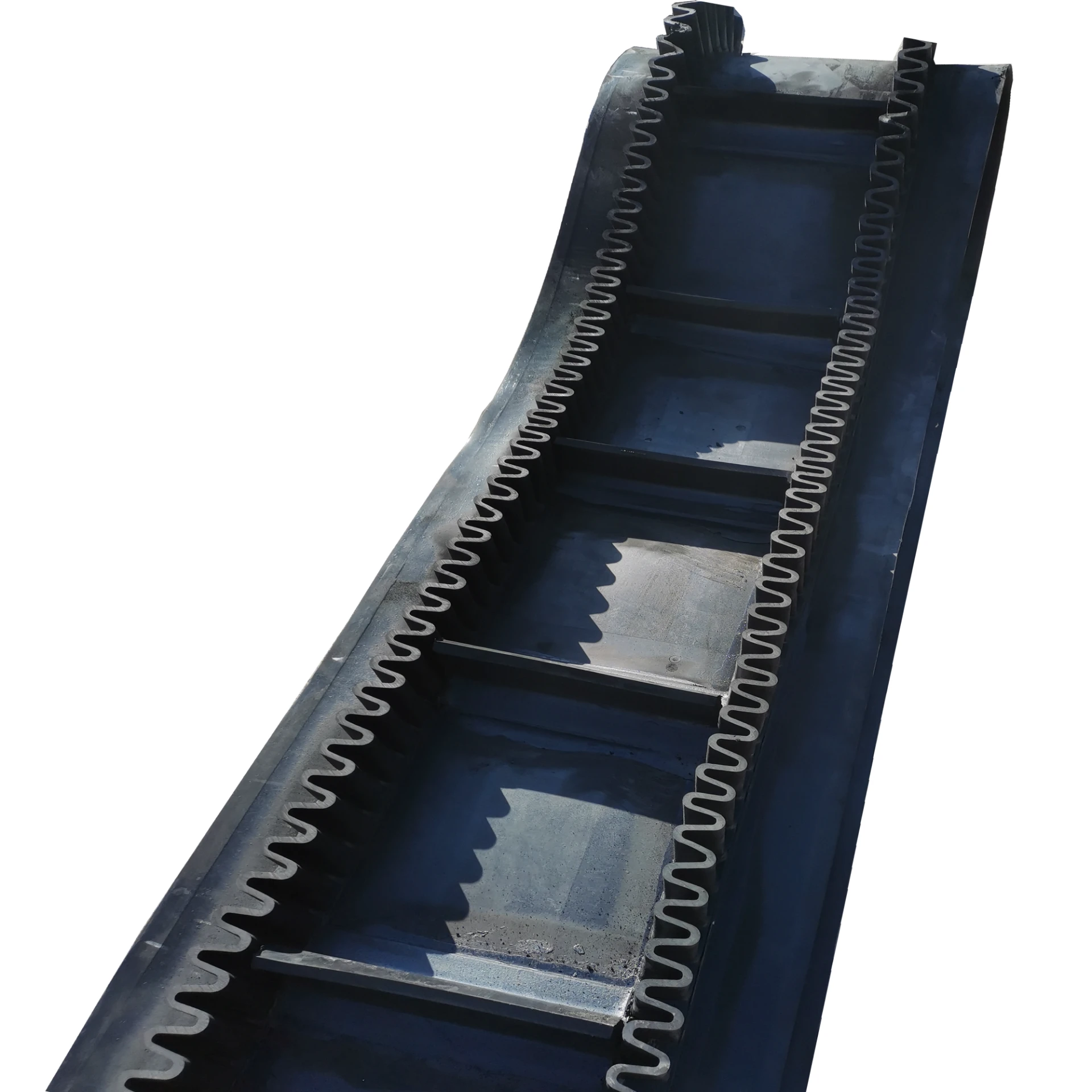
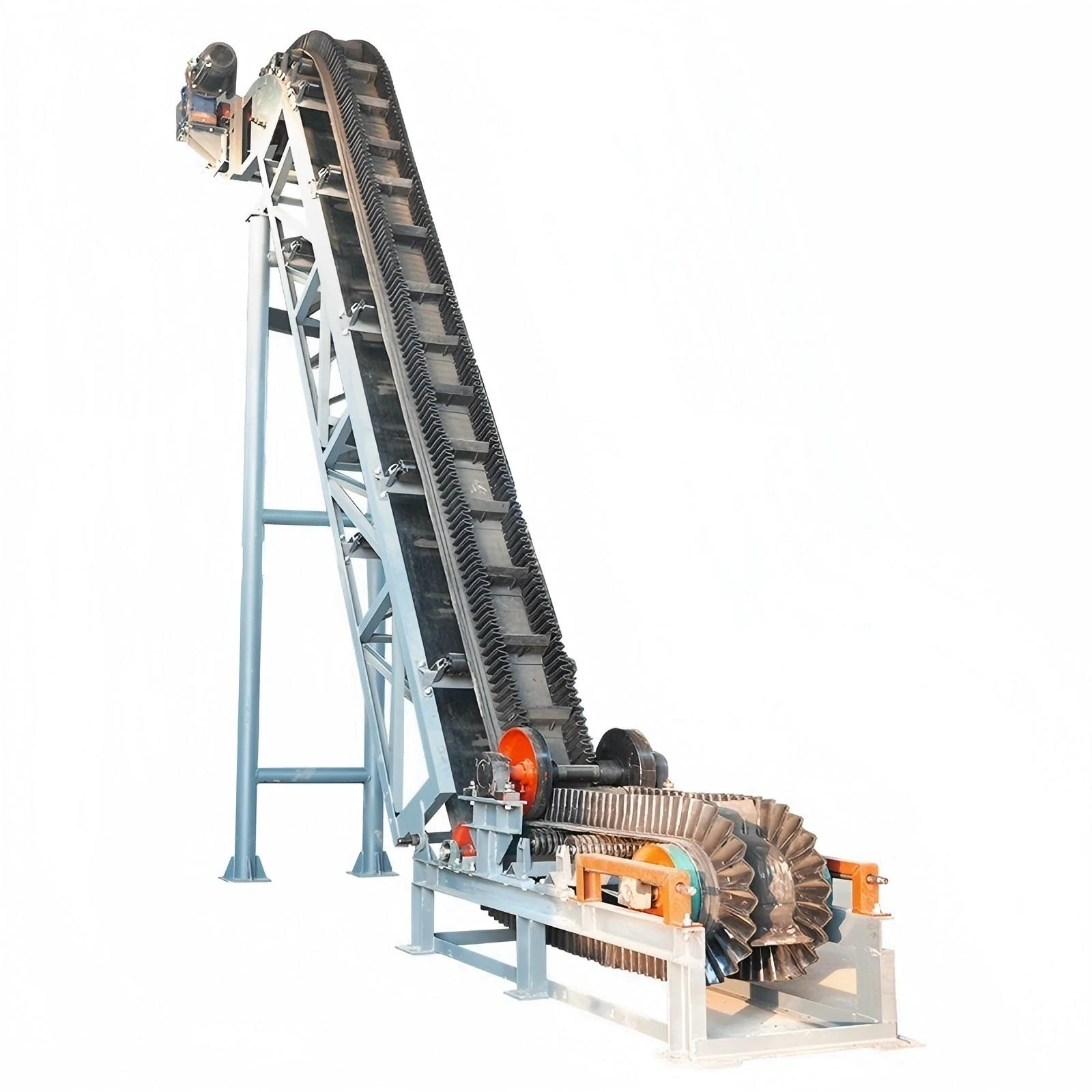
One great advantage of rubber conveyor belts is adaptability. They can be custom-sized, curved, or tapered to fit tight factory layouts or outdoor conveyor corridors. This means they can be scaled up or down depending on production volume.
4. Cost Efficiency
Even though initial investment varies, rubber conveyor belts offer low maintenance costs, longer lifespans, and energy savings by reducing friction — all of which add up to excellent total cost of ownership over time.
5. Environmental Resistance
Modern belts resist oil, moisture, UV rays, and extreme weather. This is crucial for outdoor operations and for hazardous materials handling — making them dependable tools in diverse sectors.
6. Safety Features
Some belts include flame-retardant materials or anti-static properties to reduce workplace hazards. Safety is critical when transporting flammable materials or in chemical plants.
Mini takeaway: If you think of a rubber conveyor belt as a living system, it’s clear its strength, flexibility, and resistance define its real-world effectiveness.
How Rubber Conveyor Belts Power the World: Real Applications
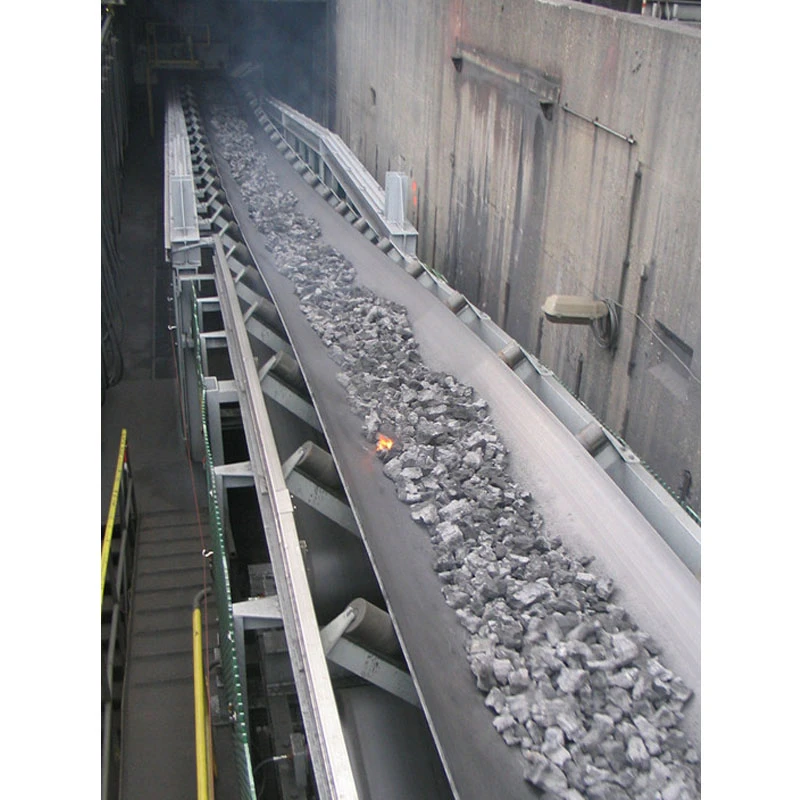
Rubber conveyor belts pop up everywhere. In mining operations in Australia, they haul massive amounts of ore with few stoppages. Ports in Rotterdam and Singapore rely on these belts for smooth container loading. Even in humanitarian efforts, NGOs deploy makeshift conveyor systems with rubber belts to move supplies efficiently in disaster zones.
A fascinating example is how rubber conveyor belts support remote mining communities in Canada’s north, where road infrastructure is minimal. Belts help ferry materials year-round despite freezing winters — an innovation bridging poverty and industry.
Industries benefiting most include:
- Mining & quarrying
- Manufacturing and assembly plants
- Agriculture & grain processing
- Ports & logistics hubs
- Waste management & recycling
- Emergency disaster relief
Product Specification Table: Typical Rubber Conveyor Belt
| Specification | Details |
|---|---|
| Material | Natural & Synthetic Rubber Blend |
| Reinforcement | Polyester Fabric / Steel Cord |
| Width Range | 300mm - 2400mm (customizable) |
| Thickness | 5mm - 15mm |
| Tensile Strength | Up to 3150 N/mm |
| Maximum Temperature | Up to 80°C (standard) |
| Special Properties | Oil-resistant, Flame-retardant options available |
Comparing Top Vendors of Rubber Conveyor Belts
| Vendor | Product Range | Lead Time | Price Level | Global Reach |
|---|---|---|---|---|
| HG Conveyor Belt Co. | Wide variety, custom solutions | 2-4 weeks | Mid-range | Global (100+ countries) |
| FlexiBelt Industries | Standard and flame-retardant | 3-5 weeks | Competitive | Asia, Europe |
| Global Convey Solutions | Heavy-duty, long-life belts | 4-6 weeks | Premium | Global |
Why Choose Rubber Conveyor Belts? Advantages & Benefits
Cost efficiency naturally tops the list — when you reduce interruptions, maintain continuous operation, and save on replacement parts, your plant’s bottom line smiles. But beyond the dollars, many operators value their environmental edge: modern rubber compounds and eco-conscious manufacturing are shrinking the footprint.
Safety is another crucial factor: fire-retardant and static-dissipative belts mitigate risks when transporting flammable materials, protecting workers and assets alike. Emotionally, having a reliable belt means fewer worries for engineers and managers — trust isn’t insignificant in an industry that runs on tight deadlines and tight budgets.
The Future of Rubber Conveyor Belts
What fascinates me is how this “old” technology embraces modern innovation. We're seeing smart conveyor belts embedded with IoT sensors, providing data on wear, tension, and temperature in real-time. This predictive maintenance helps anticipate failures before they happen — it’s like giving the belt a nervous system.
Meanwhile, greener materials — such as bio-based rubber — and recycling initiatives reduce environmental impact. Automation integration with robotics and AI also creates smoother, more adaptable production lines. Frankly, the conveyor belt sector is quietly jumping into Industry 4.0.
Challenges and How to Navigate Them
No system is perfect. Despite advances, rubber conveyor belts face wear from sharp materials, stretching over time, and degradation from UV exposure, especially outdoors. Installation errors can also shorten lifespan.
The good news? Experts suggest investing in quality materials upfront, performing regular maintenance, and incorporating cutting-edge sensors to monitor belt health. Also, collaboration between manufacturers and users leads to customized solutions that better match operational environments, solving many common headaches.
FAQ: Common Questions About Rubber Conveyor Belts
- Q: How can I choose the right rubber conveyor belt for heavy load mining?
- A: Focus on belts with steel cord reinforcement and high tensile strength ratings. Check for abrasion resistance and temperature tolerance matching your site conditions. Consult vendors for custom solutions specialized for mining demands.
- Q: What maintenance practices extend a conveyor belt's lifespan?
- A: Regular inspections for damage, proper belt tracking, cleaning debris, and tension adjustments are key. Integrating monitoring sensors helps catch issues early, allowing timely repairs.
- Q: Are rubber conveyor belts environmentally friendly?
- A: Modern rubber belts increasingly use eco-friendly materials and recycling methods. Their efficiency reduces energy use, aligning with sustainable practices promoted by ISO and the UN.
- Q: Can rubber conveyor belts be used in outdoor extreme climates?
- A: Yes, specialized belts with UV resistance, flame retardant additives, and temperature-tolerant compounds work well in extreme conditions like deserts or arctic zones.
- Q: How quickly can I get a custom rubber conveyor belt?
- A: Lead times depend on complexity but typically range between 2 to 6 weeks. Vendors like HG Conveyor Belt Co. provide expedited services if needed.
Wrapping Up: Why Rubber Conveyor Belts Matter Now and Tomorrow
The humble rubber conveyor belt connects the wheels of industry across continents and economies. Its durability, customizability, and evolving technologies make it indispensable. Whether you’re moving coal in Chile or food in Canada, it shapes the efficiency and safety of operations globally.
For anyone involved in manufacturing, logistics, or disaster relief, understanding this fundamental tool is well worth the time. If you’re curious to explore high-quality rubber conveyor belts or ready to upgrade your setup, don’t hesitate to visit our website — your next reliable solution awaits.
References: