Understanding Conveyor Belts: The Backbone of Modern Industry
Conveyor belts might not be the flashiest topic at a dinner party, but they quietly keep the gears of modern industry turning worldwide. These simple yet ingenious systems transport materials, goods, and components across factories, warehouses, and ports — making manufacturing and logistics more efficient than ever before. In a nutshell, grasping what conveyor belts are and how they work sheds light on one of the unsung heroes of globalization, automation, and even humanitarian logistics.
From bulk handling in mining operations to sorting packages in sprawling e-commerce hubs, conveyor belts form the backbone of industries that sustain our lives daily. Understanding their key benefits — cost savings, scalability, and reliability — lets businesses and engineers optimize operations for better productivity and safety.
Why Conveyor Belts Matter in a Global Context
According to the International Organization for Standardization (ISO), conveyor systems contribute significantly to industrial productivity, impacting over 60% of global material transport processes in manufacturing and distribution sectors. Roughly speaking, this means conveyor belts aren’t just convenience; they’re essential infrastructure around the world. Particularly as supply chains grow complex and demand for rapid delivery spikes, conveyor belts help reduce human labor and error, while increasing speed and throughput.
Yet, this rapid scaling presents challenges: outdated systems create energy inefficiencies, downtime risks, and safety hazards. Plus, with an increasing push for environmentally friendly industry practices, conveyor belts must evolve to align with sustainability goals without sacrificing functionality.
What Exactly Is a Conveyor Belt?
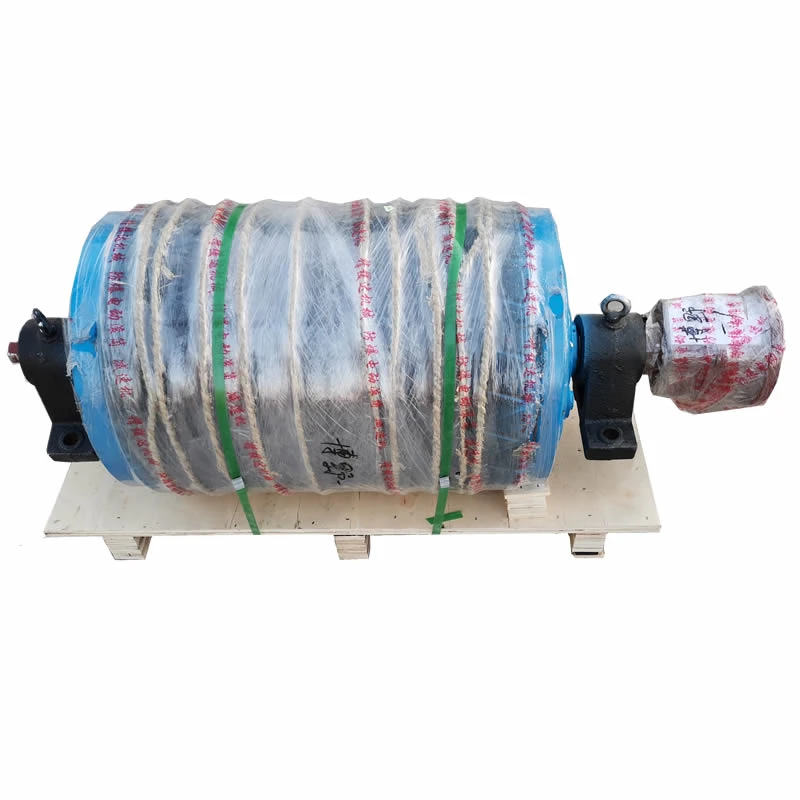
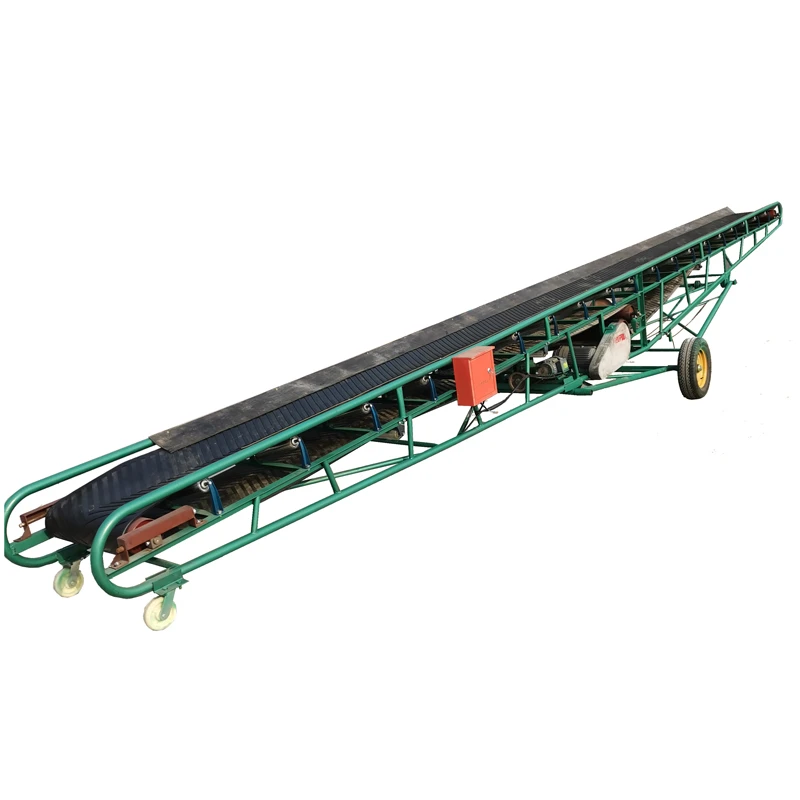
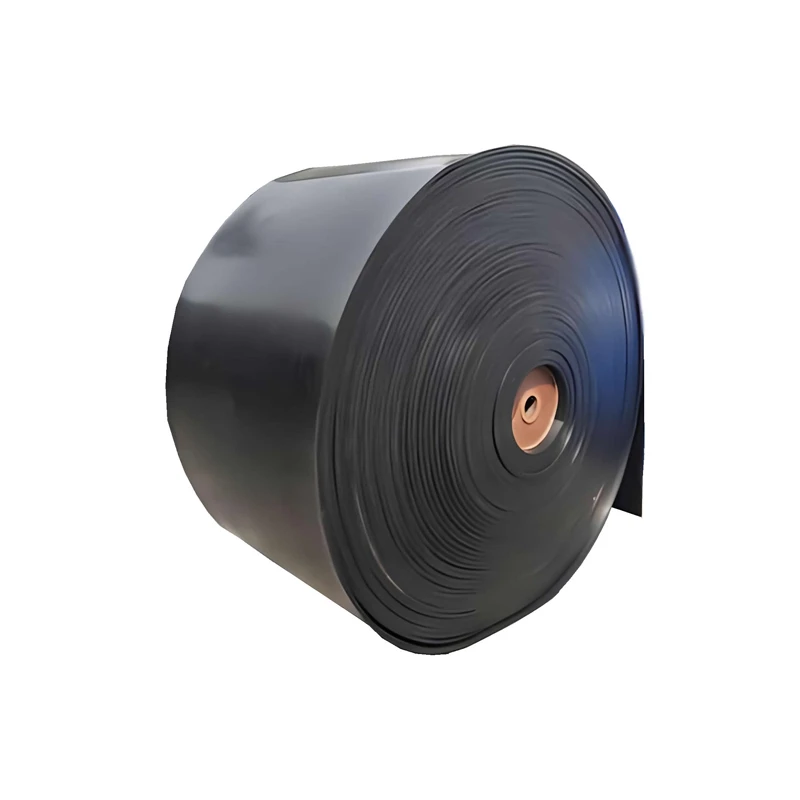
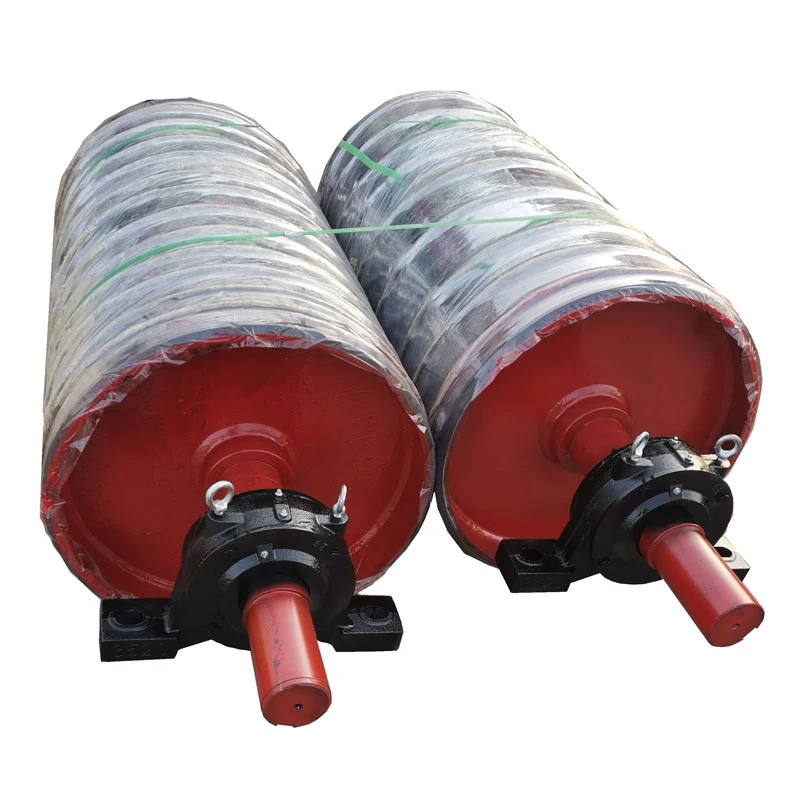
Simply put, a conveyor belt is a continuous loop of material — often rubber, PVC, or fabric-based — stretched over rollers or pulleys. It transports objects or materials from one point to another within a facility, whether a tiny parcel or raw coal. Imagine a moving walkway at the airport but designed for industrial use that can carry heavier loads and run for hours on end.
The beauty of conveyor belts lies in their link to both modern industries and critical humanitarian needs. During disaster relief operations, they enable rapid unloading and sorting of supplies, ensuring aid reaches affected people faster. Whether it’s carrying food at a distribution center or bulky goods along a production line, the conveyor belt’s fundamental role connects human needs to engineering solutions.
Key Components Defining Conveyor Belt Performance
Durability & Material Quality
One of the most important factors is how tough the belt material is. Many belts are reinforced with textile fibers or steel cords to resist stretching, tearing, and abrasion — common in mining or heavy-duty transport. Investing in high-durability materials tends to reduce maintenance and prolong lifespan, saving money in the long run.
Scalability & Customization
Not all conveyor belts are one-size-fits-all. Depending on the industry, belt widths, lengths, and speeds vary dramatically. Thankfully, modern conveyor systems are modular and can be custom-tailored — from short belts for assembly lines to long-distance conveyors spanning kilometers. This flexibility is crucial for rapidly changing industrial environments.
Energy Efficiency
Motors driving conveyor belts can be surprisingly power-hungry, especially in large-scale installations. That’s why many newer designs feature variable speed drives and smarter controls that optimize energy use without compromising throughput. In an era of rising energy costs and climate concerns, efficiency is a prime consideration.
Cost Efficiency & Maintenance
Balancing upfront investment with ongoing costs is always tricky. It's not just the purchase price but anticipated maintenance, downtime, and replacement parts. Many suppliers now offer conveyor belts with features aimed at reducing wear and simplifying maintenance — helping companies avoid expensive surprises.
Safety Features
Given that conveyor belts move heavy materials, safety cannot be overlooked. Guards, emergency stops, and sensors to detect jams or slippage are standard. The aim is minimizing accidents in workplaces where conveyor belts often run 24/7.
How Conveyor Belts Shape Industry Worldwide
Across continents, conveyor belts are integral to diverse sectors:
- Mining in Australia and Africa: Long-distance belts transport ore from mines to processing plants efficiently.
- Automotive Manufacturing in Germany and Japan: Conveyor systems tightly integrate assembly lines turning thousands of individual parts into vehicles.
- Logistics in the United States and China: Massive distribution centers for e-commerce rely on high-speed belts to sort and move packages seamlessly.
- Humanitarian Aid: In post-disaster zones, portable conveyor units speed up relief distribution, as seen during major UN operations.
One interesting anecdote comes from a remote industrial zone in Canada, where adopting a solar-powered conveyor system eliminated diesel generators, slashing fuel costs and emissions — a pioneering step for off-grid sites.
Mini Takeaway
Conveyor belts underlie everything from everyday goods to critical aid deliveries — their global footprint is as broad as it is vital.
Advantages & Long-Term Benefits of Conveyor Belts
What really makes conveyor belts shine? Aside from sheer operational efficiency, they offer:
- Cost savings: Reducing manual labor and speeding process flows.
- Sustainability: Innovations in low-energy motors and eco-friendly materials help slash carbon footprints.
- Reliability: Designed for continuous operation with minimal downtime.
- Social impact: Enhances workplace safety and dignity by automating heavy tasks.
Engineers often say a well-designed conveyor system is like the veins in a living organism — carrying essential resources efficiently, safely, and predictably. That quiet trust built over years contributes to innovations that keep industries evolving.
Future Trends in Conveyor Belt Technology
Innovation isn’t standing still. Here are some game-changers on the horizon:
- Smart conveyor belts: IoT sensors monitor wear and performance in real time, predicting maintenance needs before failures.
- Eco-materials: Belts made from recycled or bio-based polymers reduce environmental impacts.
- Energy Harvesting: Some experimental systems generate electricity from belt movement — a fascinating prospect.
- Automation and AI: Robots integrated with conveyor lines optimize sorting and packing with unprecedented speed and accuracy.
Overcoming Challenges in Conveyor Belt Systems
No technology is perfect. Conveyor belts face issues including:
- Material wear and tear — leading to unexpected downtime.
- Safety risks if guards or sensors fail.
- Energy consumption, particularly in older systems.
- Installation complexity in confined or geographically challenging locations.
Experts recommend thorough inspections, investing in predictive maintenance technology, and choosing modular components for easier upgrades. Plus, ongoing training ensures staff respond swiftly to any operational anomalies. It feels like a continuous conversation between humans and machines...
Product Specification Table
| Feature | Standard Conveyor Belt | Heavy-Duty Conveyor Belt | Eco-Friendly Conveyor Belt |
|---|---|---|---|
| Material Composition | PVC, fabric reinforced | Rubber with steel cords | Bio-based polymers |
| Max Load Capacity | 500 kg/m | 1500 kg/m | 400 kg/m |
| Speed Range | 0.5 - 2 m/s | 0.3 - 1.5 m/s | 0.4 - 1.8 m/s |
| Temperature Tolerance | -20°C to 70°C | -40°C to 100°C | -10°C to 60°C |
| Typical Industries | Packaging, food, light manufacturing | Mining, quarrying, heavy goods | Agriculture, recycling plants |
Comparing Conveyor Belt Vendors: Who Leads the Pack?
| Vendor | Specialty | Global Reach | Innovation Focus | Customer Support |
|---|---|---|---|---|
| ConveyPro | Heavy-Duty Mining | Asia, Australia, Africa | Wear-resistant materials | 24/7 Technical Support |
| EcoBelt Solutions | Sustainable Conveyor Belts | Europe, North America | Recycled & biodegradable materials | On-site Consulting & Training |
| SpeedLine | High-Speed Logistics | Global | AI-controlled sorting systems | Comprehensive Remote Support |
FAQ: Common Questions About Conveyor Belts
- How do I choose the right conveyor belt for my factory?
- Consider the materials you need to transport, load capacity, environment (temperature, humidity), and safety requirements. A thorough needs assessment combined with vendor consultation helps identify the ideal product. Also, factor in scalability if you anticipate growth or changes.
- What maintenance routines keep conveyor belts running longer?
- Regular inspections for wear, proper belt tension, pulley alignment, and cleanliness are essential. Lubricating moving parts and immediate repair of minor damages prevent downtime. Today, sensor-based predictive maintenance can warn you before problems escalate.
- Are conveyor belts energy-intensive?
- Older systems can be, but modern conveyor belts feature energy-efficient motors and intelligent controls that adjust speed based on load, saving power. Implementing these upgrades can substantially reduce operational costs.
- Can conveyor belts be used in hazardous environments?
- Yes. Specialized belts with heat resistance, anti-static properties, or explosion-proof certifications exist for industries like chemicals or mining. Always ensure safety standards compliance relevant to your industry.
- Is it possible to customize conveyor belts for unusual shapes or goods?
- Absolutely. Manufacturers can modify belt surfaces, add cleats, or adjust widths and lengths for particular handling needs. Custom solutions are common in food processing or delicate electronics assembly lines.
Wrapping Up: Why Conveyor Belts Are Worth Your Attention
The humble conveyor belt has evolved from a simple material mover into a critical enabler of efficient, safe, and sustainable industrial operations worldwide. They reduce human fatigue, speed up processes, and increasingly help meet environmental goals. If you run a business that relies on transporting materials — in manufacturing, logistics, or even humanitarian aid — digging deeper into conveyor belt options is absolutely worth it.
Ready to explore how conveyor belts can revolutionize your workflow? Visit our website for product details, consultation, and expert advice at conveyor belt.
Final Mini Reflection
Oddly enough, these endless loops of rubber and fabric carry more than just goods — they carry potential: to improve industries, protect workers, and even support communities in crisis.