Why Conveyor Belt Splicing is a Game-Changer in Global Industry
Conveyor belt splicing might sound like a niche technical topic, but its impact quietly stretches across industries worldwide. From mining in remote terrains to disaster relief logistics, knowing how to connect conveyor belts efficiently means smoother operations, less downtime, and—even more importantly—significant cost savings. In a nutshell: mastering conveyor belt splicing is critical for any business or operation that relies on continuous material transport. It keeps key supply chains moving and reduces waste and hazards. Worldwide, conveyor systems handle billions of tons of material every day — and disruptions can cost millions. This is why understanding conveyor belt splicing isn’t just an industry insider’s concern; it has ripple effects on manufacturing efficiency, natural resource extraction, and humanitarian response efforts.The Global Context: Why Conveyor Belt Splicing Matters Today
You might not realize it, but conveyor belt systems underpin much of the world’s industrial backbone. According to the International Standards Organization (ISO), the global conveyor belt market is predicted to reach a staggering $15 billion in the next few years. Regions like Australia, Canada, and parts of Africa heavily depend on conveyor systems for mining raw materials, while Asia leads in manufacturing and logistics applications. Yet, a recurring challenge is minimizing downtime caused by belt damage or wear. Roughly 20–30% of belt failures stem from improper or delayed splicing, as reported by various industry bodies like the World Bank’s mining efficiency studies. Poorly done splicing wastes resources, extends labor hours, and increases safety risks for workers. Frankly, that’s why the technical art and science of conveyor belt splicing have evolved dramatically — from quick-fit field splices to durable vulcanized joints that can withstand harsh environments. It basically keeps the wheels of modern industry turning.What Exactly is Conveyor Belt Splicing?
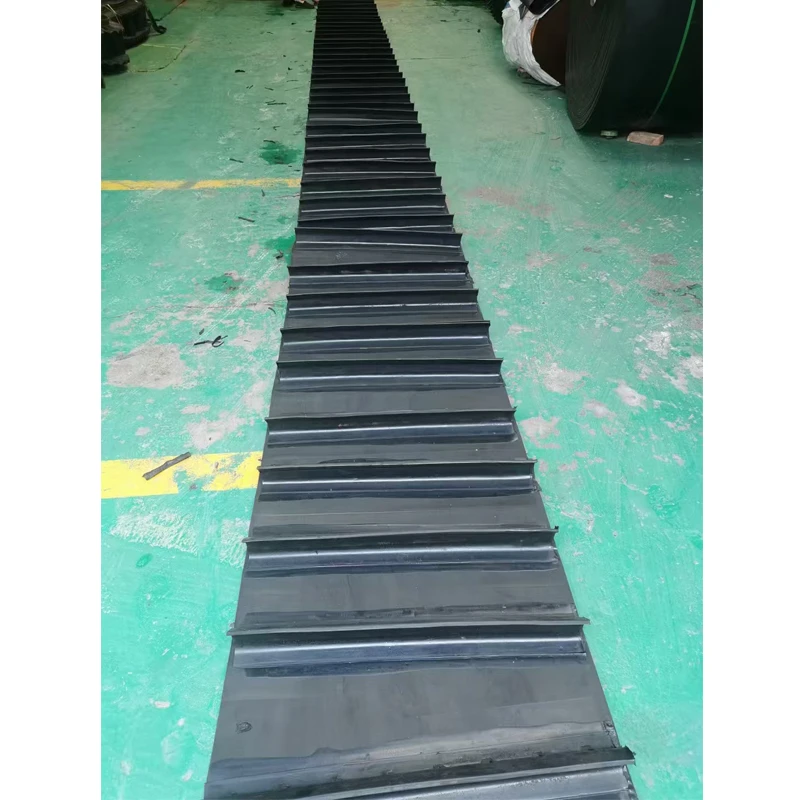
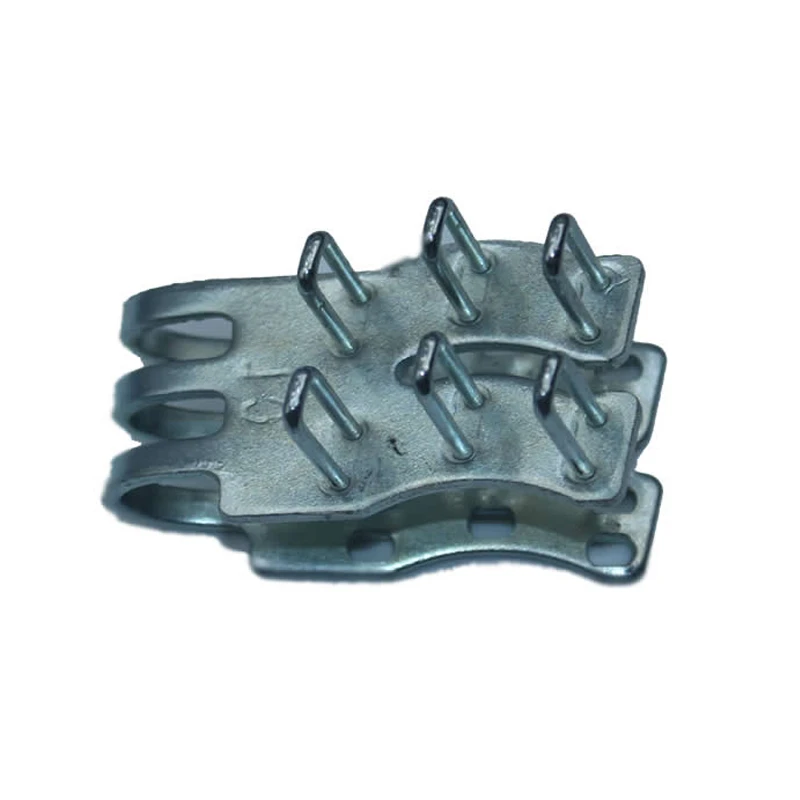
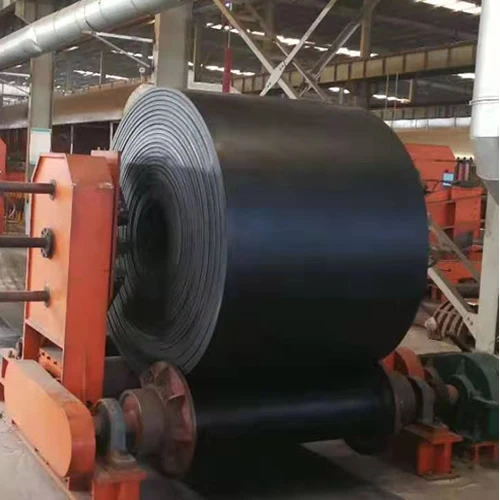
In plain terms, conveyor belt splicing is the process of joining two ends of a conveyor belt to create a continuous loop that transports materials safely and efficiently. This “splice” must be strong enough to handle heavy loads, wear resistance, and environmental factors without failing. You can think of it like sewing a pair of ripped jeans — except the stakes are higher because these belts can stretch hundreds or thousands of meters and move tons in remote mines or factories. Splicing connects the belt’s ends either by mechanical fasteners (like clips or hooks) or through more permanent methods such as vulcanization (which uses heat and pressure to fuse rubber layers). The connection isn’t just technical. It symbolizes how modern industry meets human needs: transporting food, minerals, construction materials, or waste cleanly and reliably — which, at scale, supports economies and livelihoods everywhere.Key Components Defining Successful Conveyor Belt Splicing
Durability
A splice has to last under pressure — literally. The choice of materials, from steel-reinforced belts to polyester fibers, impacts how well the splice resists tear and fatigue. Many engineers say the vulcanized splices offer superior long-term performance compared to mechanical options, which can loosen or wear down faster.Ease of Installation
In fast-moving industrial sites, downtime means lost revenue. That’s why portable field splicing kits or fast mechanical fasteners are popular for quick repairs, especially where access is limited. A good splice method balances quick turnaround with reliability.Cost Efficiency
It’s tempting to pick the cheapest method, but splicing costs are really an investment. High-quality splicing reduces frequent belt replacements or emergency repairs—which often cost more. Plus, modern synthetic belts paired with advanced splicing techniques can sometimes offset initial costs through lifespan gains and energy savings.Scalability
Conveyor systems come in all sizes, from short assembly lines to sprawling mining complexes. The splice method has to scale accordingly, accommodating wider belts, heavier loads, and extreme environments—from Arctic cold to equatorial heat.Safety and Environmental Considerations
Poor splicing increases the risk of belt slippage or tearing, causing hazards to workers and possible spillage of materials harmful to the environment. Sustainable practices now mean minimizing waste and choosing less toxic adhesives or energy-efficient vulcanization methods that reduce carbon footprints.Real-World Applications: Where Conveyor Belt Splicing Shines
In mining hubs of Western Australia or Canada’s tar sands, conveyor belt splicing enables continuous haulage that would be impossible with frequent shutdowns. Likewise, manufacturing plants across Asia depend on reliable splices to keep assembly lines humming without unexpected stops. Humanitarian agencies also benefit. For instance, in post-disaster relief operations like after earthquakes or floods, rapidly deployed conveyor belts transport rubble and supplies. Their splicing has to be robust yet quickly installed in chaotic environments. Oddly enough, even in agriculture—the often overlooked conveyor belt user—farmers rely on durable splices to move grains or fertilizers efficiently, especially in large fields or storage facilities.| Product Specification | Details |
|---|---|
| Belt Width Range | 300 mm – 2400 mm |
| Splicing Method | Vulcanization & Mechanical Fasteners |
| Operating Temperature | -20°C to 80°C |
| Tensile Strength | 800 – 3000 N/mm |
| Typical Lifespan | 5 – 10 years (depending on usage) |
The Advantages and Long-Term Value of Conveyor Belt Splicing
Beyond just connecting belt ends, well-executed splicing delivers efficiency, sustainability, and trust. Businesses save millions in downtime avoidance and replacement costs alone. Emotionally, workers feel safer with smooth-running belts, while companies boost their reputations for reliability. Sustainability benefits arise when longer-lasting splices reduce waste and lessen the environmental burden. Some recent methods now use eco-friendly adhesives and lower energy vulcanizing processes — which align with global green initiatives like those from the United Nations Sustainable Development Goals (UN SDG). It’s interesting how much of innovation here is driven not just by economics but by a genuine desire to protect people and planet. In the end, that’s what makes conveyor belt splicing more than a technical process—it’s a foundation of modern industry’s responsibility.Emerging Trends: What’s Next for Conveyor Belt Splicing?
The conveyor world isn’t standing still. We’re seeing advances like: - Smart Splicing Technology: Integration of sensors that monitor splice integrity in real-time, enabling predictive maintenance. - Advanced Materials: Use of nanocomposites and more resilient polymers that extend splice life and reduce energy consumption. - Automation: Robots handling field splicing jobs, improving safety and precision. - Eco-conscious methods: Adoption of greener vulcanization systems using renewable energy sources and biodegradable chemicals. All these trends feel like the conveyor industry quietly speeding towards a smarter, cleaner future.Challenges in Conveyor Belt Splicing and How Experts Overcome Them
Challenges persist, of course. Field conditions vary: moisture, temperature swings, or limited technician availability can make quality splicing tough. Additionally, mechanical fasteners sometimes fail prematurely, while vulcanizing requires specialized equipment. Experts recommend: - Comprehensive training for splicing teams, emphasizing quality control - Using hybrid splicing methods for critical applications - Scheduled systematic inspections supported by IT systems - Collaborations with trusted vendors who supply reliable materials and support These are not minor fixes — but a well-prepared operation can often turn challenges into manageable steps.| Vendor | Splicing Methods | Support & Training | Notable Clients |
|---|---|---|---|
| HGC Conveyor Systems | Vulcanization, Mechanical Fasteners | On-site training, 24/7 support | Rio Tinto, BHP, Caterpillar |
| Global Belt Solutions | Cold Vulcanizing, Mechanical | Remote assistance, certification programs | Vale, Lafarge |
| Swift Splice Tech | Mechanical fasteners, Emergency kits | Quick deployment training, online guides | Nestlé, ArcelorMittal |
Frequently Asked Questions About Conveyor Belt Splicing
Q1: How long does a properly spliced conveyor belt usually last?
A: With correct installation and maintenance, a well-spliced conveyor belt can last anywhere from 5 to 10 years, depending on operational conditions like load intensity and environmental factors.
Q2: Is vulcanized splicing better than mechanical fastening?
A: Generally, yes. Vulcanized splicing fuses the belt layers into a continuous piece, offering greater strength and longevity. Mechanical fasteners are faster to install but may need more frequent replacements.
Q3: Can conveyor belt splicing be done onsite without specialized equipment?
A: Mechanical fastener splicing can be done onsite with minimal tools, ideal for emergency repairs. However, vulcanized splicing usually requires specialized presses and controlled conditions for best results.
Q4: How does conveyor belt splicing impact sustainability?
A: Quality splicing extends belt life, reducing waste and resource consumption. Advances in environmentally friendly vulcanization reduce chemical and energy use, aligning with green industry standards.
Q5: Where can I find professional training for conveyor belt splicing?
A: Many suppliers and technical companies (conveyor belt splicing providers included) offer on-site and remote training programs to ensure technicians meet industry best practices.