What’s an Agricultural Conveyor Belt and Why Should You Care?
If you've ever wondered how mountains of produce, grains, or packaged food move so seamlessly from farms to factories, agricultural conveyor belts are often the unsung heroes behind the scenes. At their core, these belts automate the handling and transportation of agricultural products, drastically speeding up processes that used to require backbreaking manual labor. Globally, as agricultural production scales up to feed a growing population—estimated to top 9.7 billion by 2050 according to the UN—efficient solutions like these conveyor systems are becoming indispensable. Beyond just efficiency, their role in reducing food waste, improving worker safety, and enhancing supply chain reliability spells out why understanding them matters.
Setting the Stage: Global Trends in Agricultural Conveyor Belt Usage
It's quite fascinating when you consider that agricultural conveyor belts aren't just a simple industrial gadget—they represent a crucial node in the global food supply chain. According to recent data from the Food and Agriculture Organization (FAO) and ISO standards on machinery safety, the demand for automated material handling solutions has surged by nearly 25% worldwide over the past decade. This demand comes packaged with a challenge: rural areas with limited infrastructure desperately need reliable and durable conveyor systems to boost productivity without constant breakdowns.
For instance, in Southeast Asia and Sub-Saharan Africa, modernizing agricultural logistics with conveyor belts drastically curtails post-harvest losses — sometimes reducing spoilage by up to 30%. That's no small feat when you realize wastage contributes to roughly 1.3 billion tons of food loss yearly (UN FAO). But behind these numbers lies the complexity of designing belts that survive extreme weather, rough terrain, and irregular power supply—exactly the problems many manufacturers aim to solve today.
Breaking It Down: What Exactly Is an Agricultural Conveyor Belt?
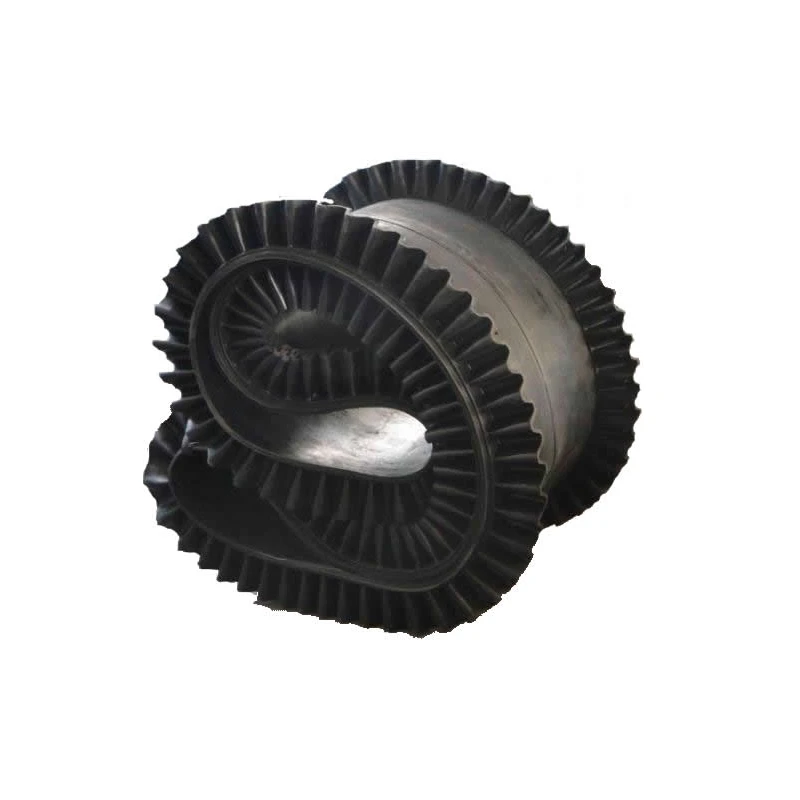
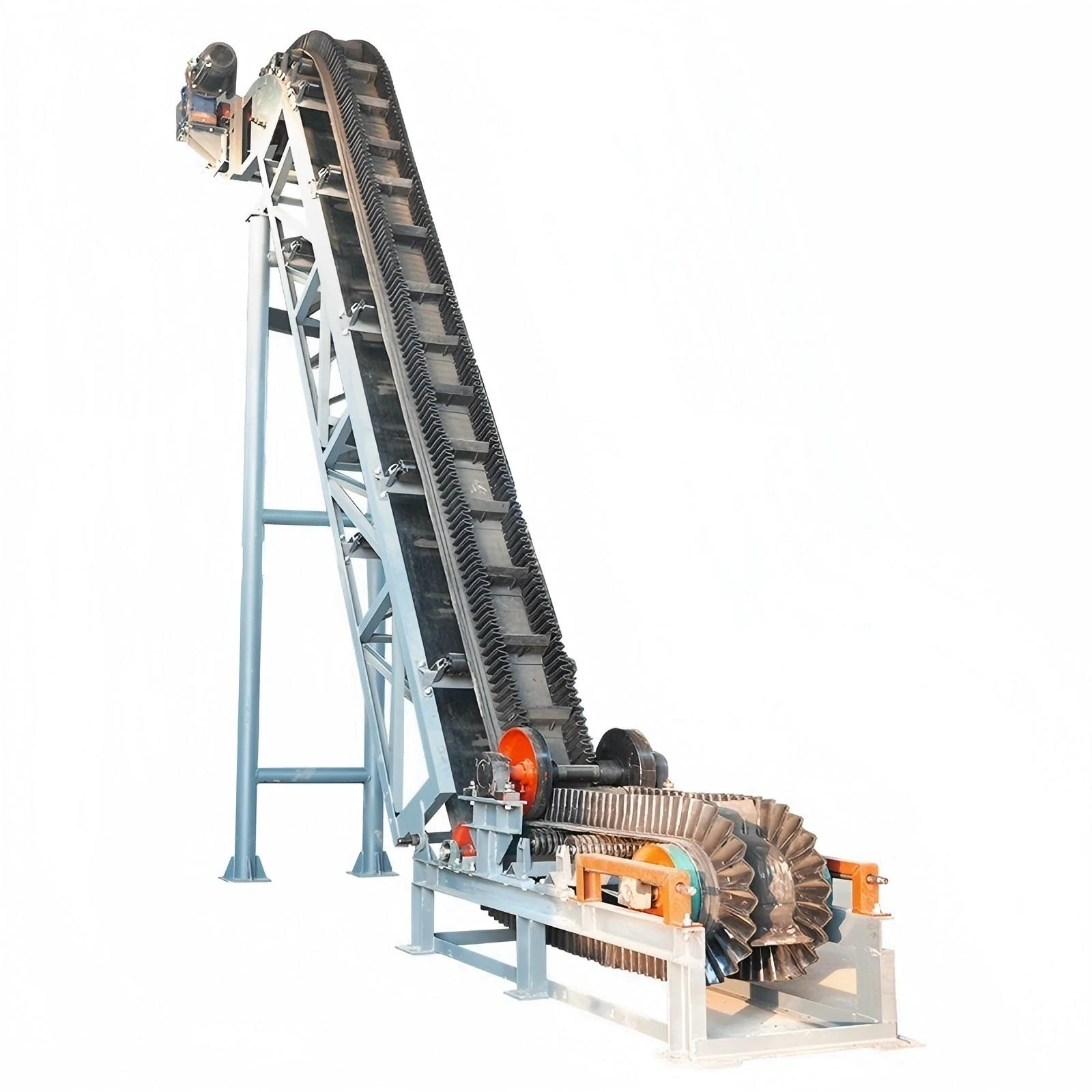
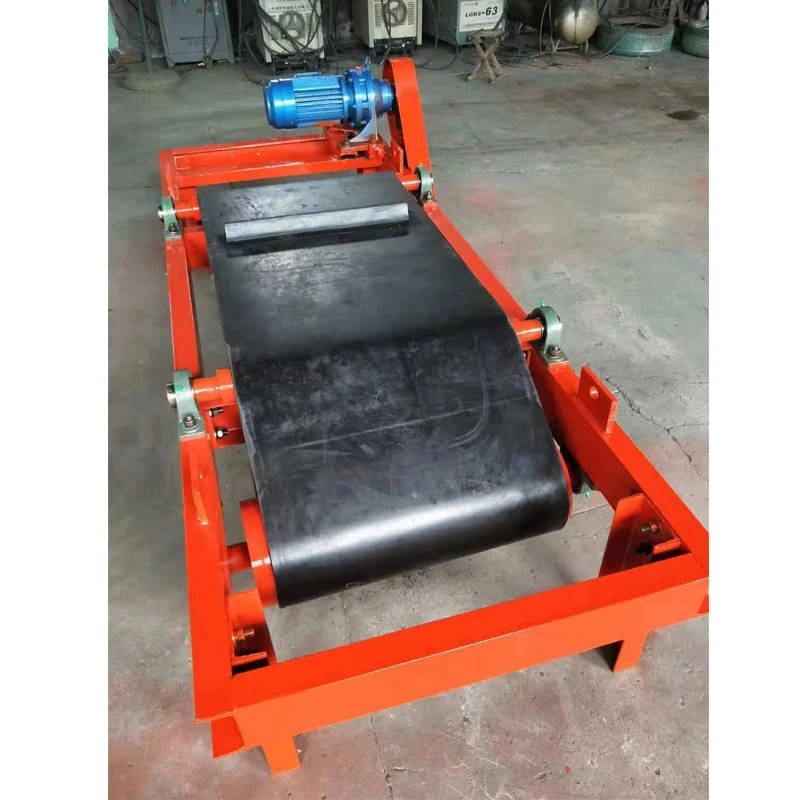
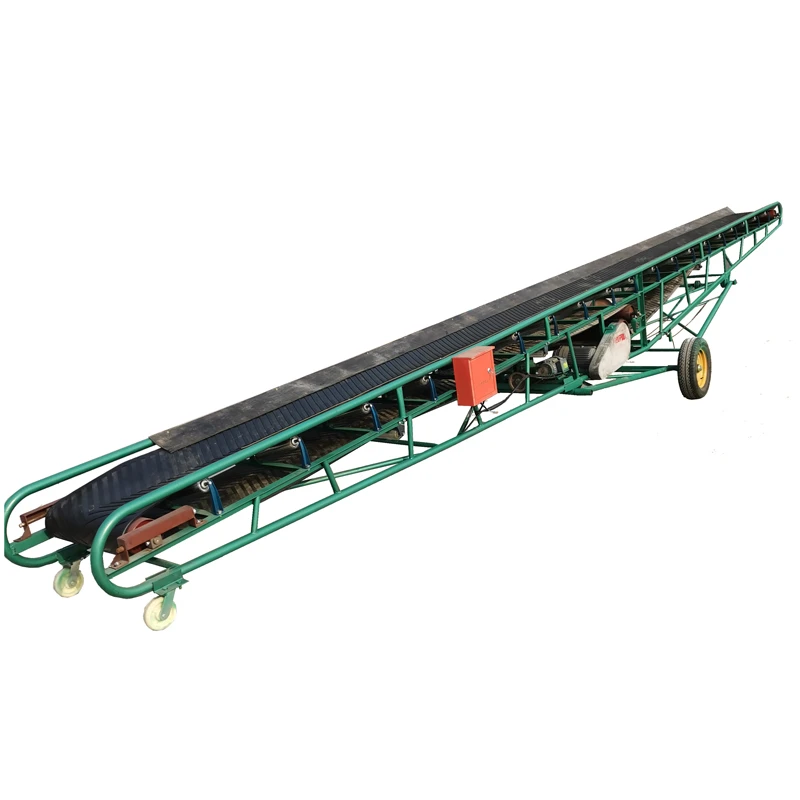
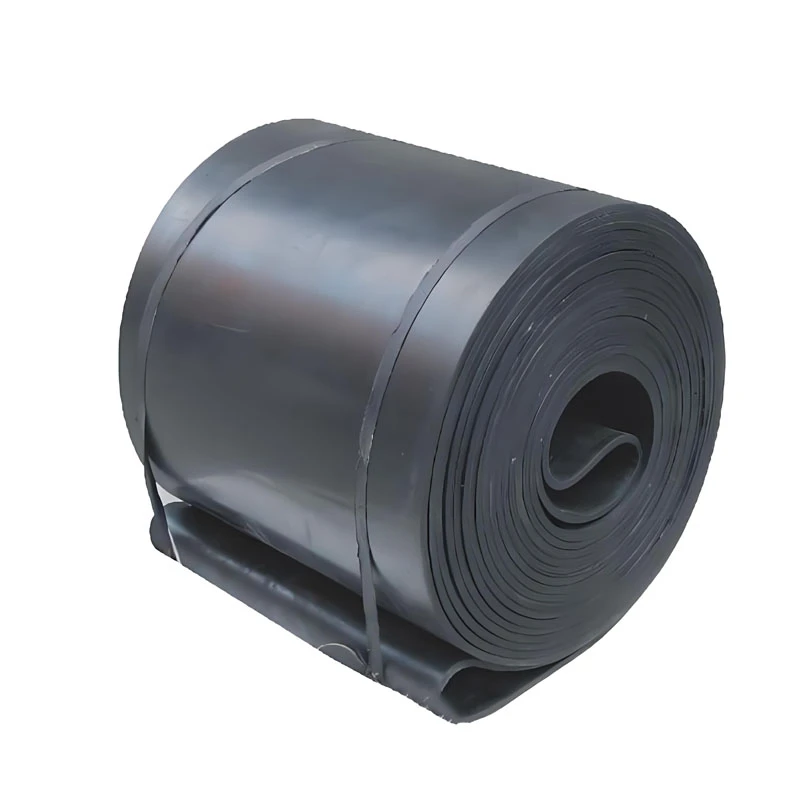
In simple terms, an agricultural conveyor belt is a continuous loop of material—usually a specialized rubber or PVC—used to transport bulk agricultural goods or packaged items efficiently from point A to point B. It's a mechanical marvel tailored to move things like grains, vegetables, fruits, seeds, and even packaging materials in farms, factories, and warehouses.
But these aren't your average conveyor belts on a pizza assembly line. They are often designed with unique features—chemical resistance, low slip surfaces, or anti-microbial coatings to preserve product quality. In modern agriculture, conveyors link machinery, reduce human contact (great for hygiene), and help scale production without skyrocketing labor costs or safety risks.
Core Components Making Agricultural Conveyor Belts Tick
Durability in Harsh Conditions
Nothing is less helpful than a conveyor belt that tears under the weight of freshly harvested sugarcane or deteriorates under searing sun exposure. The belts rely heavily on materials like reinforced rubber composites or polyester layers to maintain flexibility and resist abrasion. Many engineers swear by multi-ply fabric constructions which balance strength and elasticity, allowing the belt to endure sharp objects or heavy loads.
Scalability & Customization
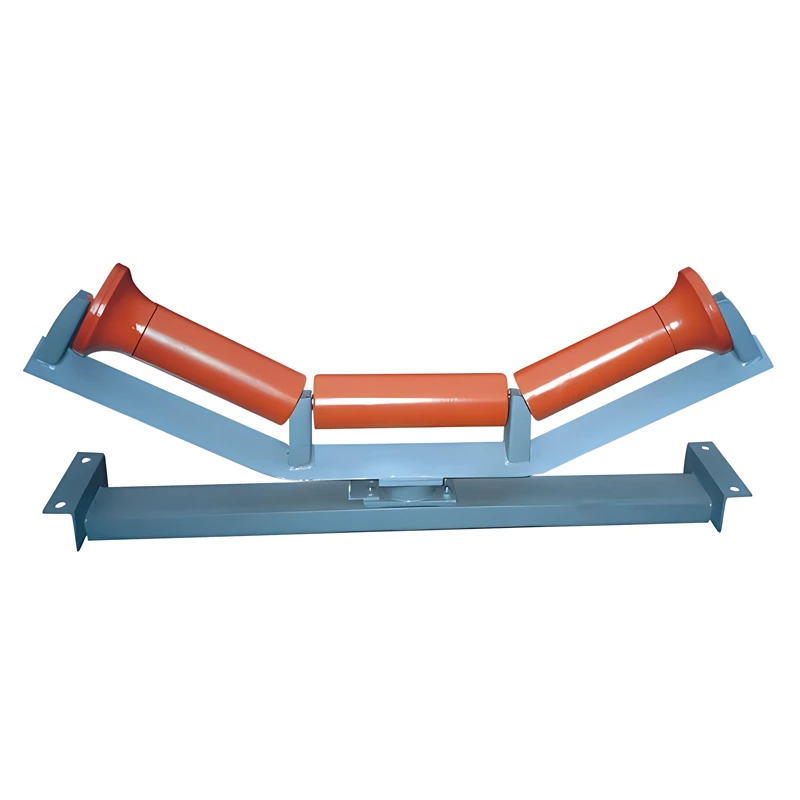
One of the nicest aspects is how easily agricultural conveyor systems scale. Whether you’re moving a few hundred kilograms per hour or tens of tons, manufacturers can adjust belt width, motor power, and troughing angles to fit the job. Oddly enough, some farms still use conveyor belts that feel custom-built—as if tailor-made just for their specific crop or terrain.
Cost Efficiency Over Time
It’s tempting to go for the cheapest belt upfront, but many producers note that better quality belts save money in the long haul by requiring fewer repairs and less downtime. I once talked with a manager who said, “We paid a premium for a high-grade belt, but it kept running through two harvest seasons without a hiccup, whereas the cheaper models needed replacing mid-season.”
Hygiene and Food Safety
Agricultural conveyor belts often come with food-grade certifications. Surfaces need to be non-toxic and easy to clean to prevent contamination. For fresh produce especially, belts with anti-bacterial treatments help prolong freshness during transport—which is a win-win for suppliers and consumers alike.
From Farm to Warehouse: Real-World Applications Around the Globe
Practical use cases for agricultural conveyor belts are all over the map. In Canada and the U.S., giant grain elevators rely heavily on conveyor systems to handle tonnes of wheat and corn. In tropical countries, conveyor belts help speed mango and coffee bean sorting within tight weather windows. I found it fascinating that in some remote African agricultural zones, conveyors powered by solar panels help bypass unreliable electricity grids—a true leap in combining sustainability with necessity.
Institutions such as the World Food Programme have even deployed conveyor belts in post-harvest storage facilities to streamline food distribution in vulnerable regions. That kind of application underlines how these belts contribute not only economically but socially.
Why Agricultural Conveyor Belts Offer Long-Term Benefits
- Reduction in manual labor: Less physical strain and fewer injuries, improving worker dignity and safety.
- Consistent quality: Uniform transport minimizes product damage and contamination risks.
- Sustainability gains: Efficient handling lowers energy usage and food wastage.
- Operational trust: Reliable conveyors build supplier-client confidence in delivery timelines.
This combination of tangible and emotional advantages makes agricultural conveyor belts vital investments, not just costs.
What’s Next? Emerging Trends in Agricultural Conveyor Technology
The future’s pretty exciting here. More manufacturers are integrating IoT sensors into conveyor belts to monitor load, speed, and temperature in real time—smart feedback loops that optimize performance. There's also growing emphasis on using recyclable or biodegradable belt materials to offset environmental impact.
Automation continues to advance too, especially with robotics handling loading/unloading paired with conveyor systems, all powered increasingly by renewable energy sources. It feels like the conveyor belt is morphing into an entire ecosystem rather than just a single component.
Facing Challenges & How Industry Experts Tackle Them
Of course, it’s not plain sailing. Abrasion and weathering remain top challenges. Cost pressures can tempt purchasers toward sub-par products. Plus, maintaining belts in rural areas sometimes means limited access to specialized repair services.
Creative solutions have emerged—like modular belt sections for fast onsite replacement, and durable synthetic materials designed for tropical climates. I suppose collaboration between manufacturers, operators, and even NGOs is key here to ensure systems stay up and running no matter what.
Quick FAQ About Agricultural Conveyor Belts
- Q: What materials are best for conveyor belts in wet environments?
- A: PVC and rubber composites with water-resistant coatings are preferred for wet conditions, as they prevent slippage and resist degradation from moisture exposure.
- Q: How often should an agricultural conveyor belt be inspected?
- A: Industry standards recommend routine inspections every 3–6 months, focusing on belt tension, wear, alignment, and cleanliness to catch issues early and avoid downtime.
- Q: Can conveyor belts handle irregularly shaped produce?
- A: Yes, conveyor belts with adjustable speed and flexible surfaces—sometimes combined with specially designed cleats—effectively transport irregular goods like pumpkins or root vegetables without damage.
- Q: Are these belts energy-intensive?
- A: Not necessarily. Modern conveyor motors use energy-efficient drives, and integration with solar or wind power sources is making operation greener, especially in remote farming communities.
- Q: How customizable are agricultural conveyor systems for different farm sizes?
- A: Very customizable. From compact portable units for smallholders to large-scale fixed installations for commercial farms, systems are engineered to fit the user's size, output, and budget needs.
Product Specification Snapshot
| Specification | Typical Value | Notes |
|---|---|---|
| Belt Width | 500 mm – 2000 mm | Custom widths available |
| Material | Polyester fabric + Rubber composite | Food-grade & UV resistant options |
| Load Capacity | Up to 500 kg/m | Depends on belt thickness |
| Max Speed | 2.5 m/s | Adjustable motor speeds |
| Operating Temperature | -20°C to +60°C | Suitable for most climates |
Vendor Comparison for Agricultural Conveyor Belt Solutions
| Vendor | Product Range | Customization | Warranty | Price Range |
|---|---|---|---|---|
| AgriBelt Inc. | Wide – from small units to industrial-scale | High – bespoke systems available | 5 Years | $$$ |
| RuralMovers Ltd. | Medium – focus on mid-sized farms | Medium – modular options | 3 Years | $$ |
| EcoTrans Solutions | Small – portable and solar-powered belts | Low – a few standard models | 2 Years | $ |
Wrapping It Up: Why Invest in Agricultural Conveyor Belts?
It feels like agricultural conveyor belts are quietly revolutionizing farming logistics worldwide, one durable belt at a time. From reducing labor strain and safeguarding food quality to embracing digital innovations and sustainability goals, the benefits stack up both for producers and consumers. As global food demands intensify, these conveyor systems won’t just be helpful—they’ll be essential. So if you are into agricultural operations or even just fascinated by how modern supply chains operate, exploring conveyor belt solutions is well worth your attention.
Interested in learning more or finding a system tailored for your needs? Do take a look at agricultural conveyor belt offerings—lots of options to consider that might just change the way you think about moving crops forever.
Quick Mini Takeaway
- Efficient material handling via conveyor belts boosts agricultural productivity and sustainability.
- Modern belts balance durability, hygiene, and cost for varied applications.
- Innovation and eco-conscious designs signal a promising future in the industry.