Understanding the Small Conveyor Belt for Dirt: An Essential Tool Worldwide
Small conveyor belts for dirt might sound like niche industrial gear, but their impact stretches far wider than just dusty factories or quarries. At a glance, these compact carriers help move soil, grit, and debris efficiently — which is critical during construction, mining, agriculture, and even disaster relief. Globally, the need to handle earth materials quickly and reliably drives innovation in small conveyor systems, balancing affordability, portability, and durability. After all, moving dirt isn’t glamorous, but it’s a task that underpins infrastructure projects, environmental efforts, and humanitarian aid alike.
Why the Small Conveyor Belt for Dirt Matters Globally
Soil and earth movement may seem straightforward, yet it poses complex challenges worldwide. According to the United Nations Environment Programme (UNEP), land degradation affects roughly 23% of the global land surface — handling displaced soil is essential to managing this crisis (1). Additionally, the World Bank estimates that infrastructure development across emerging economies will accelerate in coming decades, requiring tools to facilitate material transport in remote or rough terrain (2). And then there’s the humanitarian angle: after natural disasters, moving dirt quickly to clear debris or rebuild can save lives. In this context, small conveyor belts for dirt offer a balance of mobility and efficiency, addressing operational hurdles in areas where large machines just don't fit.
Mini takeaway: From environmental preservation to infrastructure growth and emergency response, the small conveyor belt for dirt plays a surprisingly crucial global role.
What is a Small Conveyor Belt for Dirt?
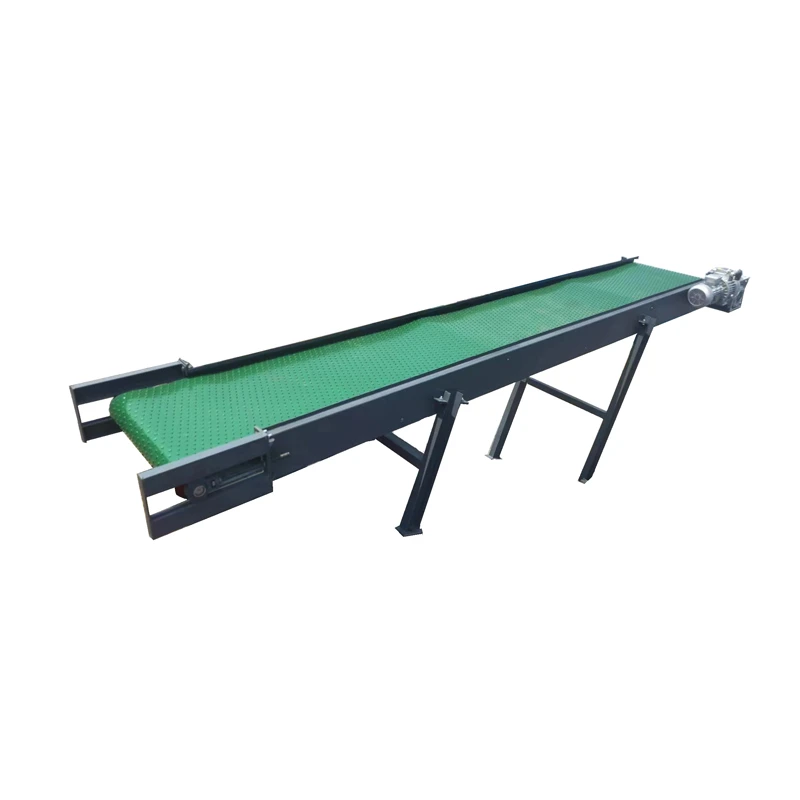
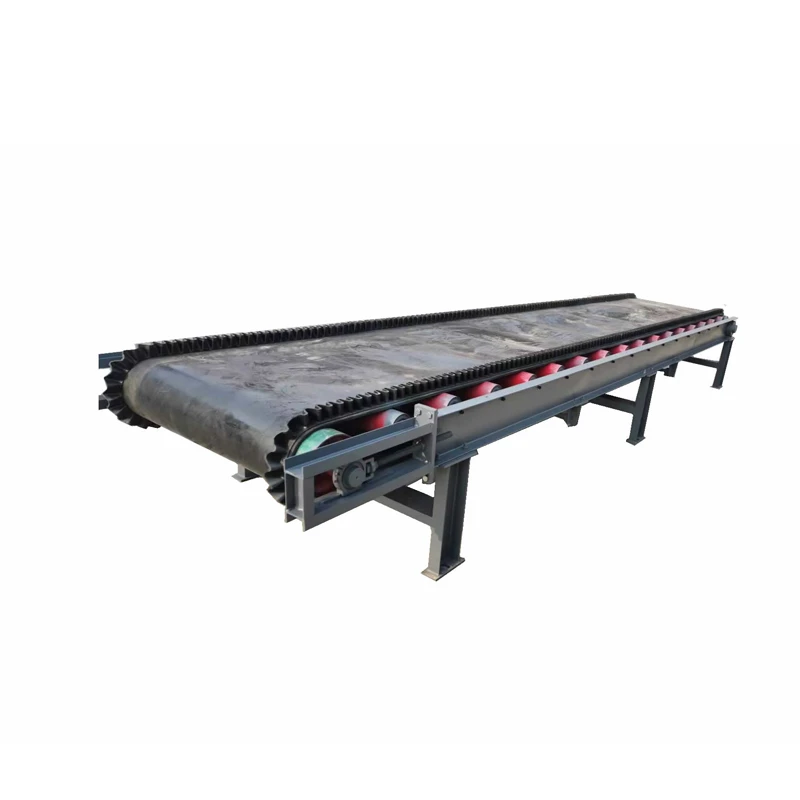
Simply put, a small conveyor belt for dirt is a compact mechanical conveyor designed specifically to transport soil, gravel, sand, or other similar debris. Unlike large, heavy-duty conveyor systems tailored for massive mining operations, small conveyor belts excel in flexibility — they’re often portable, lightweight, and easy to set up on uneven surfaces. These systems can be manual or motorized, often featuring materials and belt designs that resist abrasion from dirt and rocks while avoiding clogging or spillage.
In modern industry, they bridge gaps where manual shoveling is too slow and heavy machines are impractical. Humanitarian groups use them where rubble replacement or earth clearance is urgent but space is limited. Oddly enough, even urban gardening and landscaping have found crafty applications for these smaller conveyors.
Key Components and Considerations for Small Conveyor Belts
Durability vs. Size
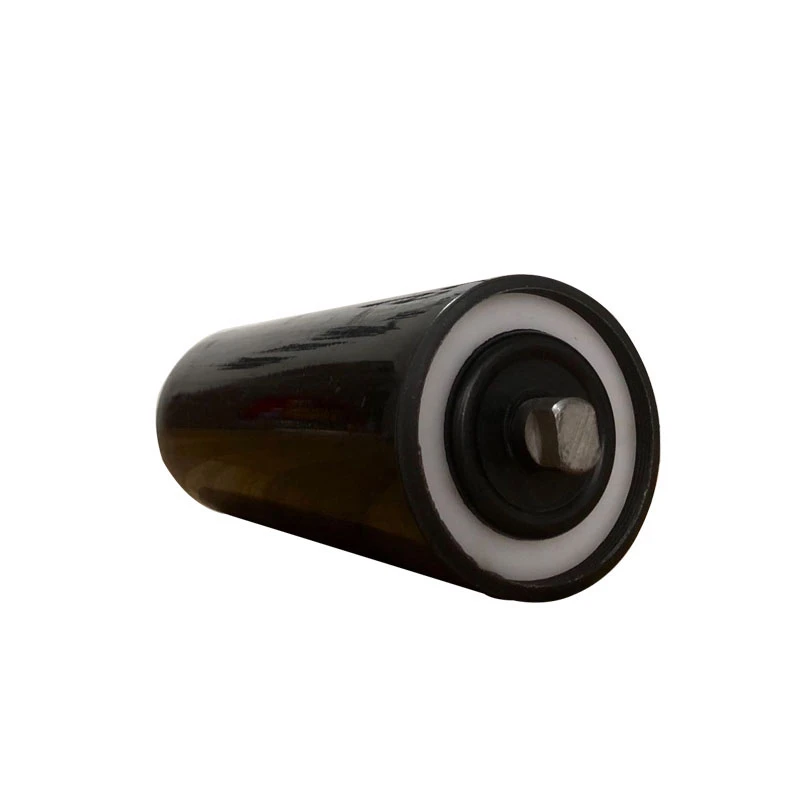
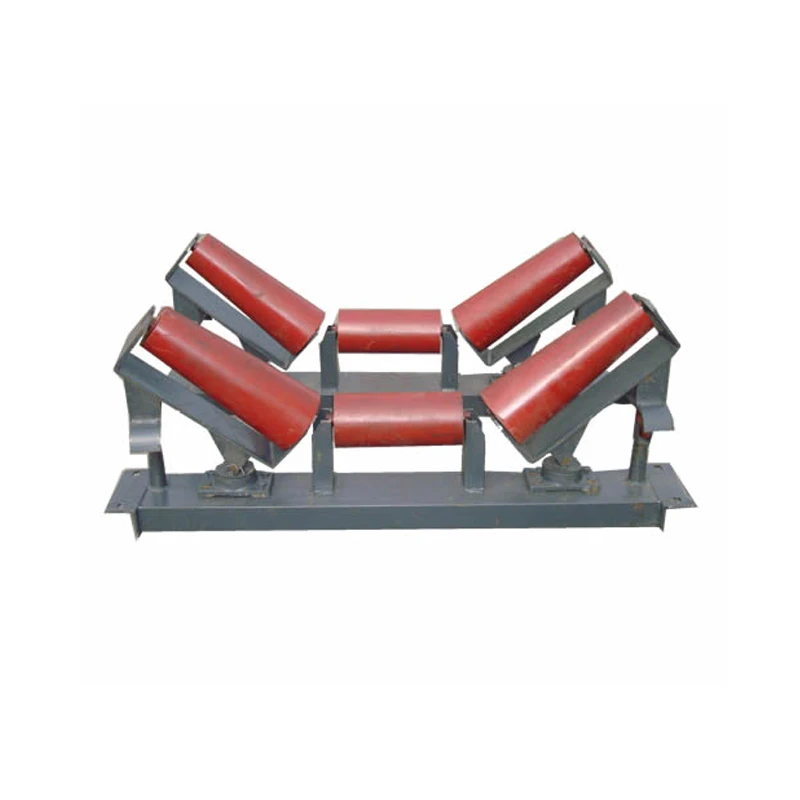
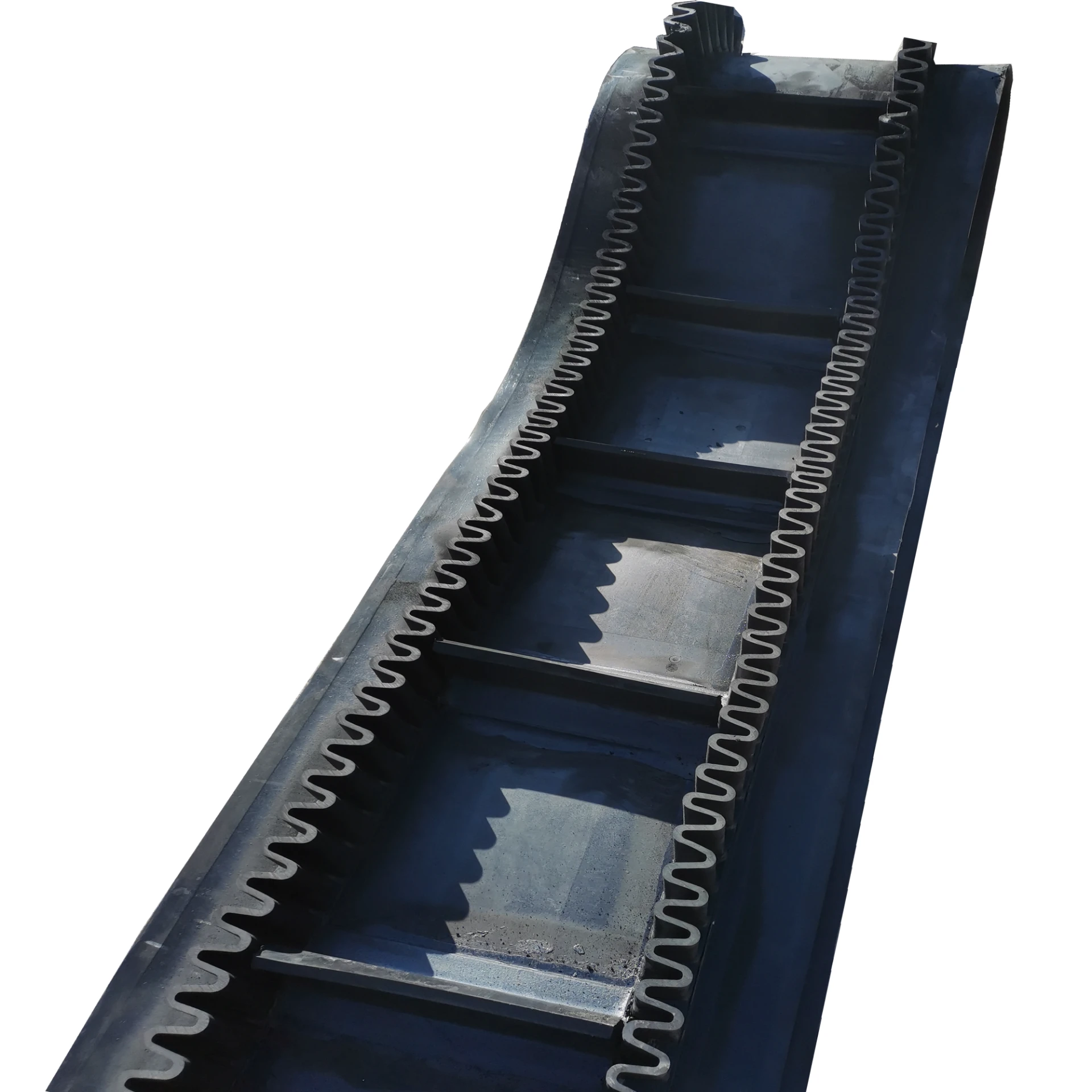
One of the tricky balances with small conveyor belts for dirt is ensuring they can withstand abrasive materials without sacrificing portability. High-tensile synthetic belts or specially textured rubber surfaces often do the trick — many engineers I spoke with stress that belt material quality is king when dirt includes sharp rocks or mixed debris.
Scalability and Modularity
A major selling point is how these conveyors can be tailored and expanded. Modular designs allow quick length adjustments or adding sections to cover longer distances on site. This means a small conveyor can start short for tricky access points, then extend as needed. Scalability like this reflects real-world demands, where terrain and task lengths shift daily.
Power Source Adaptability
Electric motors dominate, but I’ve noticed diesel or even solar-powered small conveyors cropping up in off-grid scenarios. Battery-powered units with replaceable batteries provide impressive runtime while staying emissions-free, which appeals to eco-conscious operations.
Cost Efficiency
Cost remains a thorny one. The price tag for a rugged, portable small conveyor might seem steep compared to manual labor, but in labor-intensive or time-sensitive tasks, the productivity gain quickly offsets initial spend. Plus, longer maintenance intervals and fewer breakdowns help smooth out budgeting.
| Specification | Details |
|---|---|
| Belt Width | 400 mm |
| Belt Length | Up to 10 meters (modular) |
| Load Capacity | 1000 kg/hour (max) |
| Power Source | Electric (220V) / Battery options |
| Weight | 85 kg |
| Material | Reinforced rubber belt with steel frame |
Mini takeaway: If you’re sizing up a small conveyor belt for dirt, look carefully at material resilience, power options, and flexibility in design.
How Small Conveyor Belts Are Used Around the World
In practice, these systems have proven their worth across many sectors and regions. For example:
- Disaster Relief: After earthquakes or floods, NGOs use small conveyors to clear rubble and transport debris quickly and safely — often in locations too constrained for heavy machinery.
- Mining and Quarrying: In remote or small-scale mining operations across Africa and South America, these conveyors reduce manual labor risk and speed material handling.
- Agriculture: In Southeast Asia, small conveyors help in soil preparation and moving organic dirt mixtures for farming.
- Urban Landscaping and Construction: Anywhere from the U.S. to Europe, compact conveyors ease moving dirt piles or fill within tight city sites.
One particularly interesting tidbit: a small startup in Canada repurposed these conveyors for rooftop gardens, helping move lightweight soil mixtures where cranes can’t reach, successfully marrying green initiatives and practical machine use.
Vendor Comparison: Top Picks for Small Conveyor Belts for Dirt
| Vendor | Price Range | Portability | Customization | Support & Warranty |
|---|---|---|---|---|
| TerraMove Inc. | $3,000-$4,500 | High (modular sections) | Excellent (custom lengths & belts) | 2 years + on-site support |
| DirtFlow Solutions | $2,500-$3,800 | Medium (foldable frame) | Good (standard belt options) | 1 year, email support |
| GreenMover Tech | $3,500-$5,000 | High (lightweight aluminum frame) | Moderate (solar & battery options) | 3 years, remote diagnostics |
The Long-Term Benefits of Using a Small Conveyor Belt for Dirt
The benefits speak both practically and emotionally. Tangibly, these conveyors lower labor costs, speed project timelines, and reduce wear-related downtime in dirt handling. They cut operator fatigue and injury risk because mechanical movement replaces tedious shoveling — which amounts to real human dignity on job sites.
From a sustainability perspective, many new models integrate eco-friendly power—electric or solar—reducing onsite pollution and noise. A reliable conveyor builds trust among teams and stakeholders: knowing the earth-moving task won’t grind to a halt sparks confidence on projects that often have tight deadlines or safety concerns.
Innovation and Future Trends in Dirt Conveyor Technology
The conveyor industry is quietly evolving. Digitization means smart belts can now monitor belt wear, load weight, and speed in real time, pushing notifications to operators before breakdowns. Materials science brings tougher, lighter belts using aramid fibers or recycled composites. Even automation is creeping in — sort of like conveyor ‘assistants’ that adjust belt speed based on nearby workers or terrain changes.
Green energy solutions are climbing, with solar-powered small conveyors becoming practical in off-grid or remote locations, especially in humanitarian settings. It’s all part of a future where small conveyor belts for dirt aren’t just tools but integrated smart systems assisting projects worldwide.
Facing Challenges Head-On: Solutions in Practice
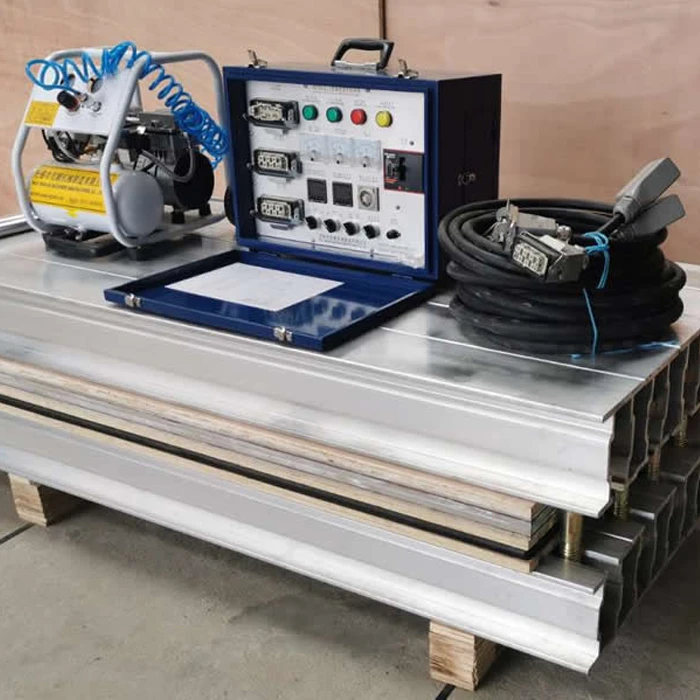
Of course, these machines aren’t perfect. They get clogged by wet or sticky soils, belts can slip on steep inclines, and maintenance remains a persistent bugbear for users in remote settings. Innovators are tackling these issues by adding anti-clog belt textures, incline conveyor designs, and simplified onsite repair kits that even non-specialist workers can use. Also, rental and leasing options for short-term projects are helping firms access top tech without high upfront investment.
FAQ: Practical Questions About Small Conveyor Belts for Dirt
- Q: How portable is a typical small conveyor belt for dirt?
- A: Most models are designed for easy transport, folding or breaking down into sections that can be carried by a couple of people or packed into vehicle trunks. Weight usually ranges from 70 to 100 kg depending on materials, making them manageable for field teams.
- Q: Can small conveyor belts handle mixed materials like dirt and small rocks?
- A: Yes, provided the belt surface is abrasion-resistant and the frame is sturdy. Some models come with cleated belts to manage uneven materials, preventing slippage and spillage.
- Q: Are these conveyors energy efficient?
- A: Modern conveyors often optimize energy use with variable speed motors and offer battery or solar-powered options, significantly reducing operational costs and environmental footprint.
- Q: How easy is maintenance for these systems in remote areas?
- A: Maintenance is simplified with modular parts and easy-access components, plus many vendors provide kits designed for onsite repairs that don’t require specialist tools.
Summing It Up: Why Invest in a Small Conveyor Belt for Dirt?
In real terms, small conveyor belts for dirt represent smart, flexible investments that harmonize productivity with sustainability and worker safety. They matter — not only as industrial workhorses but as subtle enablers of progress in agriculture, construction, disaster recovery, and urban development worldwide. If your projects involve moving soil or debris and you’re still relying heavily on manual labor or oversized equipment, it’s time to reconsider.
To explore how a small conveyor belt for dirt could revolutionize your operations, visit our website and see what modern conveyors can do.
References:
- United Nations Environment Programme, Land Degradation and Restoration Report (2021).
- World Bank Infrastructure Outlook Report (2023).
- International Organization for Standardization (ISO) Guidelines on Conveyor Safety.