What Is a Conveyor Belt for Stairs and Why It Matters Globally
At first glance, a conveyor belt for stairs might sound like something straight from a sci-fi movie. Yet, these specialized conveyor systems have real-world importance across industries and humanitarian efforts worldwide. Simply put, a conveyor belt for stairs is a mechanical device designed to transport goods—or sometimes even people—along an inclined stairway or stepped terrain, making vertical movement smoother and safer.
Given the rise of urbanization, aging infrastructure, and global logistics challenges, understanding this innovation is key not only for industries like manufacturing and mining, but also for disaster relief and accessibility. Stairs have traditionally been a bottleneck for transportation logistics, and conveyor belt systems that navigate these vertical challenges offer efficiency, safety, and scalability.
Why Conveyor Belts for Stairs Are the Unsung Heroes of Global Industry
Conveyor belt systems — especially those built for stairs — play an intriguing yet often invisible role in global supply chains. Consider the International Labour Organization's report pointing to the increase of 15% in industrial automation since 2010 — a trend that includes smart material handling solutions like these belts. According to the UN’s Sustainable Development Goals, efficient infrastructure (Goal 9) is pivotal for economic development; conveyor belts that can tackle uneven or inclined terrains directly address this.
However, one challenge remains. Traditional horizontal conveyors can't operate on stairways or uneven ground without costly redesigns or manual labor — slowing productivity. This is where stair conveyor belts shine: they extend the conveyor's reach vertically where forklifts or manual carrying pose safety and efficiency hazards.
Defining the Conveyor Belt for Stairs – What Makes It Special?
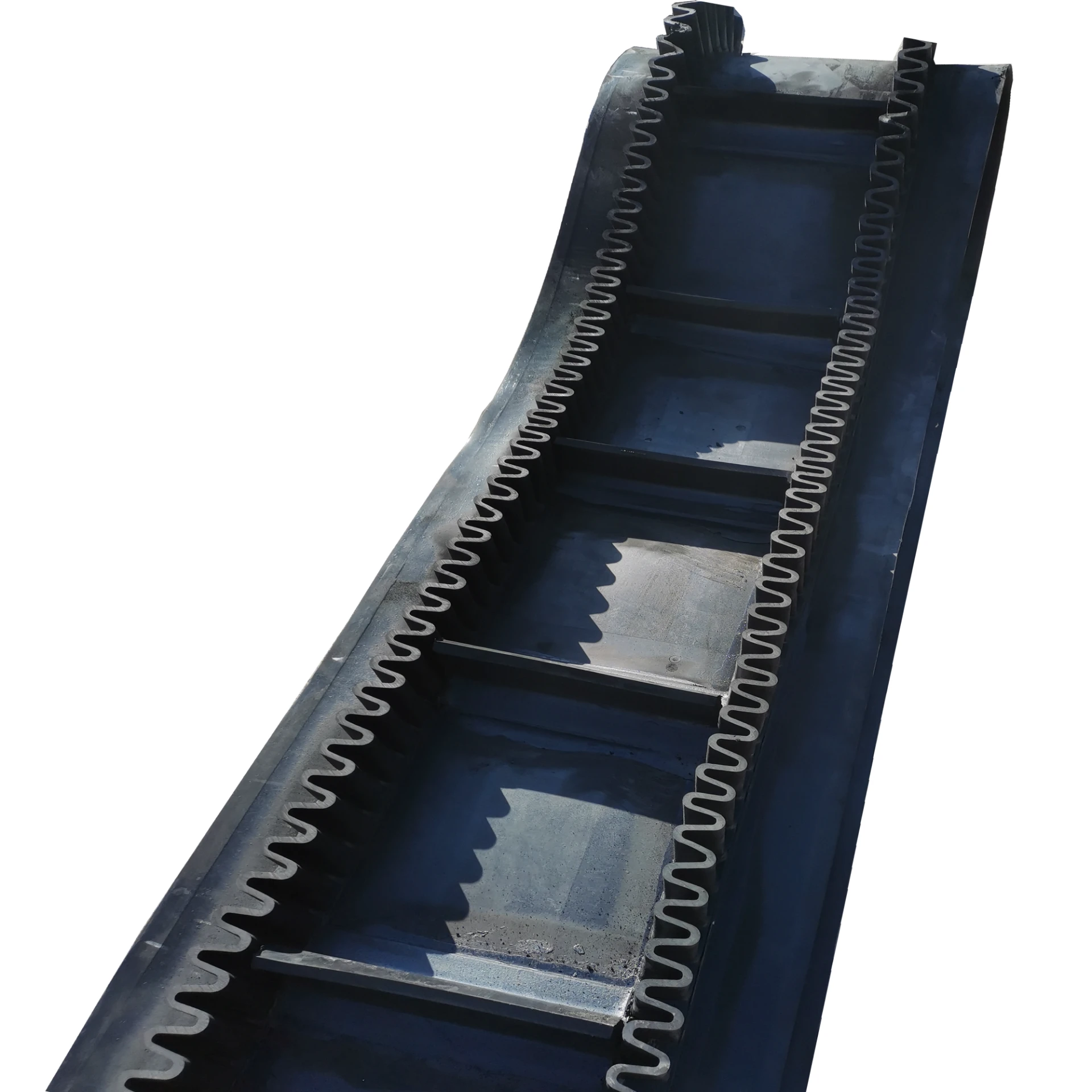
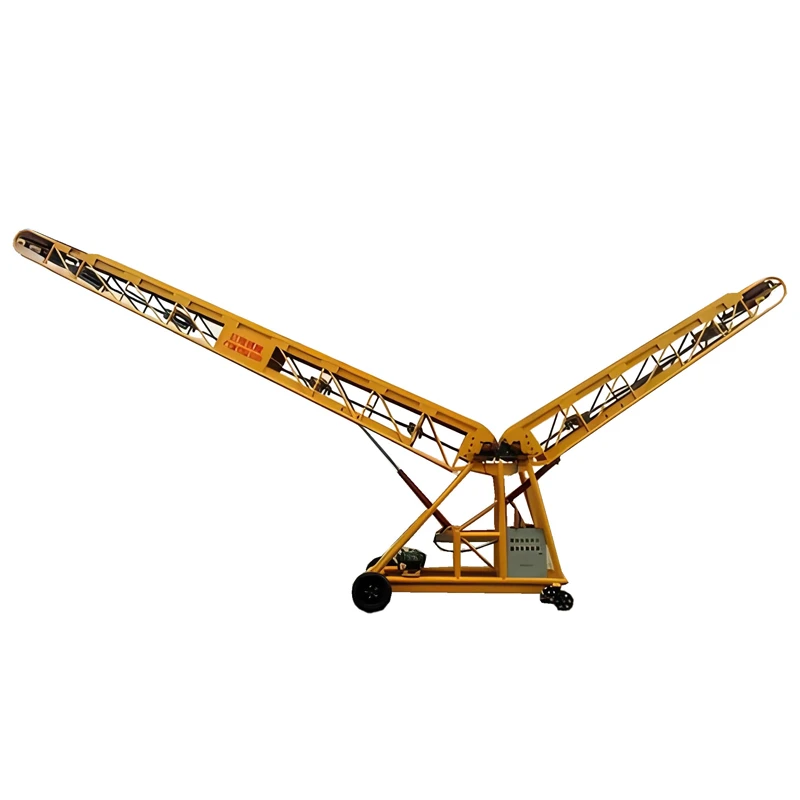
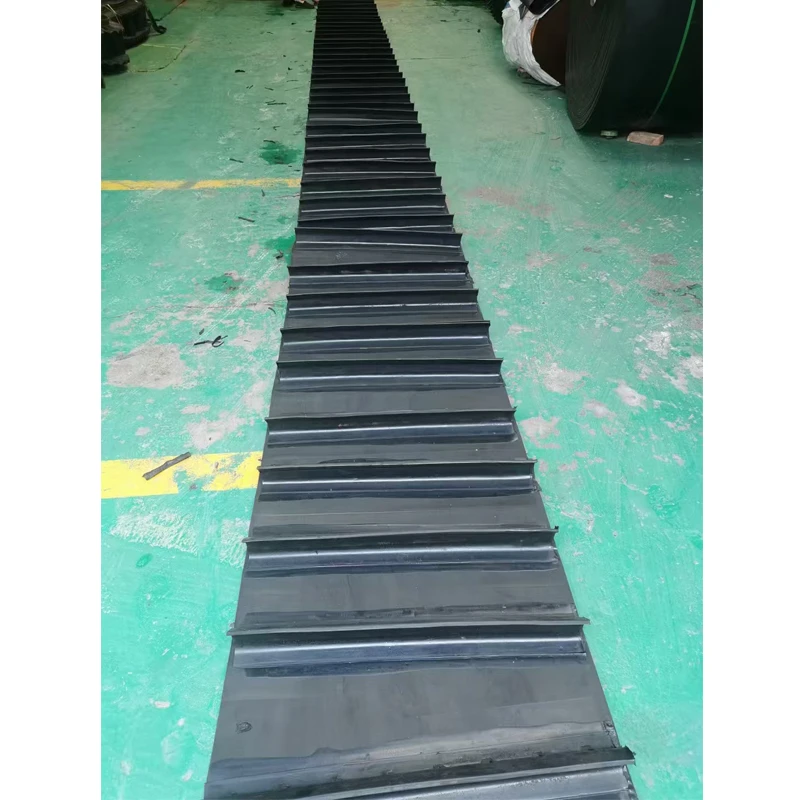
Simply put, a conveyor belt for stairs is a trussed or modular belt system specifically engineered to move items up or down staircases. These belts often include cleats or raised ridges on the belt surface that provide grip, preventing slippage of cargo when moving on steep inclines.
While conveying items on flat surfaces is standard, stairs introduce a complexity: the need to counter gravity and irregular surfaces safely. This kind of tech finds critical use in warehouses with mezzanines, construction sites, and emergency response zones where ground-level transport is challenging.
Key Components and Considerations When Choosing a Conveyor Belt for Stairs
1. Durability and Material Quality
A stair conveyor belt must withstand intense abrasion, weight, and weather conditions in some outdoor scenarios. Materials like reinforced PVC or rubber composite belts are common. Moreover, belts with anti-corrosive features ensure longevity even in humid or chemical-intensive environments.
2. Safety Features
Anti-slip cleats, emergency stops, and guards are vital. Since these systems often work on inclines up to 45°, overlooking safety can lead to accidents. Many engineers say specialized sensors that halt the belt upon detecting unusual load changes increase operational trust.
3. Scalability & Installation Adaptability
Every staircase differs, so modularity in installation matters. Systems with adjustable lengths, variable-speed drives, and adaptable frames help fit into complex layouts — be it in cramped industrial facilities or improvised disaster relief zones.
4. Cost Efficiency
The investment varies — but factoring in reduced labor and injury rates makes these belts financially sensible long-term. It’s like spending a bit more upfront but saving on hidden costs later.
Quick takeaway:
A quality conveyor belt for stairs blends tough material, safety, adaptability, and cost-effectiveness — forming the backbone of efficient vertical logistics.
Where Are Conveyor Belts for Stairs Most Commonly Used?
From bustling warehouses in Europe to remote mining operations in Australia, these conveyors make life easier. Notably:
- Manufacturing & Warehousing: Moving components between floors without forklifts or humans hauling heavy goods.
- Post-Disaster Relief: Aid organizations deploy portable stair conveyors to transport supplies into damaged, steep urban terrain where roads are blocked.
- Urban Construction: Carrying building supplies to scaffold levels swiftly and safely.
- Healthcare & Accessibility: Adapted versions assist patients or people with reduced mobility move vertically more comfortably.
- Mountainous Agriculture: Transporting harvests up steep terraces.
A recent case in Nepal showed that using temporary stair conveyor belts accelerated relief efforts by 30%, reducing manual labor fatigue and time delays.
Summary:
These belts help industries and humanitarian efforts overcome vertical transport challenges across diverse landscapes.
Advantages & Long-Term Value of Conveyor Belts Designed for Stairs
When you stop and think, the real advantage is how these systems improve safety and productivity at once. Less manual hauling means fewer workplace injuries—something you can’t easily put a price on. Plus, automation reduces errors and speeds throughput. From a sustainability angle, many modern belts incorporate energy-efficient motors or recyclable materials to reduce environmental footprints.
Emotionally, they bring peace of mind. Workers trust machinery carrying loads safely, and project managers admire reduced downtime. In humanitarian contexts, they offer dignity by minimizing the physical strain on volunteers.
Product Specification Table: Typical Conveyor Belt for Stairs
| Specification | Details |
|---|---|
| Belt Material | Reinforced PVC with anti-slip cleats |
| Incline Capability | Up to 45 degrees |
| Load Capacity | Up to 150 kg per meter |
| Motor Power | 2.2 kW variable frequency drive |
| Speed Control | Adjustable 0.1–1 m/s |
| Dimensions (WxL) | 600 mm width, lengths customizable |
| Safety Features | Emergency stop, overload sensors |
Comparing Top Vendors of Stair Conveyor Belts
| Vendor | Price Range | Customization | Lead Time | Global Shipping |
|---|---|---|---|---|
| HG Conveyors | $5,000–$15,000 | High (custom lengths & features) | 3–5 weeks | Yes |
| StairBelt Solutions | $7,000–$20,000 | Medium (standard sizes) | 4–6 weeks | Limited |
| InclineTech Inc. | $6,500–$18,000 | High (modular with add-ons) | 2–4 weeks | Yes |
Looking Forward: Trends and Innovations on the Horizon
The future for conveyor belts on stairs is pretty exciting, actually. The rise of Industry 4.0 means these systems are increasingly integrated with IoT-enabled sensors that predict maintenance needs, track loads in real time, and even optimize energy use dynamically. Add in smart materials that self-heal minor cuts or abrasions, and you have conveyor belts that last longer with less downtime.
Sustainability is also a hot topic. Green energy-powered conveyor drives, biodegradable belting materials, and modular designs focused on easy part replacements all contribute to a lower carbon footprint. Automation is pushing boundaries, making human and machine collaboration smoother on challenging angles like stairs.
Challenges and Solutions in Implementing Conveyor Belts for Stairs
No tech is without its quirks. Harsh environmental exposure, tricky installation on odd staircase shapes, and high upfront costs can make adoption slow. However, experience tells us that intelligent pre-surveying, modular flexible design, and phased implementation can greatly reduce these issues.
New developments in lightweight, high-strength composite materials seem to be a game changer, helping installers fit stair conveyors in locations previously deemed impossible or too costly.
Frequently Asked Questions About Conveyor Belt for Stairs
- Q: How steep a staircase can a conveyor belt safely operate on?
- A: Manufacturer specs vary, but most conveyor belts for stairs handle inclines up to 45 degrees safely, thanks to cleated belts and strong tensioning systems that prevent slippage.
- Q: Can a conveyor belt for stairs handle irregularly sized cargo?
- A: Generally yes — cleats and adjustable speed controls let you move various cargo types, but overly large or oddly shaped items might require custom fixtures or alternate methods.
- Q: Are these systems easy to install in existing buildings?
- A: Many modern conveyor belts for stairs come modular and adaptable, designed specifically for retrofit with minimal structural changes, although some customization is almost always necessary.
- Q: How do these conveyor systems impact worker safety?
- A: By automating cargo movement on stairs, they reduce strenuous manual labor and fall risks, thereby decreasing occupational injuries significantly according to several industrial safety reports.
Wrapping Up: Why Conveyor Belts for Stairs Are Worth Considering
It feels like the more we urbanize and aim to optimize every inch of our spaces, the more solutions like conveyor belts for stairs will matter. They’re quietly revolutionizing vertical transport, making buildings, workplaces, and aid distribution safer and more efficient. If you haven’t already, it’s worth diving deeper into how a conveyor belt for stairs system can be tailored to your unique needs and challenges.
Curious to explore further? Check out conveyor belt for stairs solutions tailored for your project’s demands.
References:
1. International Labour Organization (ILO)
2. UN Sustainable Development Goals - Goal 9
3. Wikipedia: Conveyor Belt