Understanding the Mining Conveyor Belt: A Global Industrial Backbone
When you think about the heavy lifting in mining, the mining conveyor belt is often the unsung hero quietly powering the entire operation. It’s a deceptively simple piece of equipment, yet it plays a crucial role in global industry — moving tons of raw materials day in, day out with reliable efficiency. Recognizing what makes these conveyor belts tick not only helps manufacturers and engineers optimize operations, but it also underscores how critical this technology is for sustainable resource extraction worldwide. From boosting productivity to reducing environmental footprints, getting familiar with mining conveyor belt systems offers tangible benefits for any stakeholder invested in mining or materials handling.
Global Importance of Mining Conveyor Belts: Moving Mountains Efficiently
Mining is essential for societies all over the world. According to the World Bank, mineral commodities account for about 20% of global exports by value. Conveyor belts, especially in mining, represent the backbone of material transport, reducing reliance on trucks that add emissions and costs. The ISO estimates that optimized conveyor systems can improve safety and cut energy usage by up to 25%. Industry challenges, such as handling bulk materials over long distances and in extreme conditions, push conveyor technology to evolve continuously. Mining conveyor belts help solve such logistics challenges while minimizing human risk.
In other words, mining conveyor belts aren't just moving rock and coal; they’re moving economies and shaping sustainable development.
Mining Conveyor Belt: What Exactly Is It?
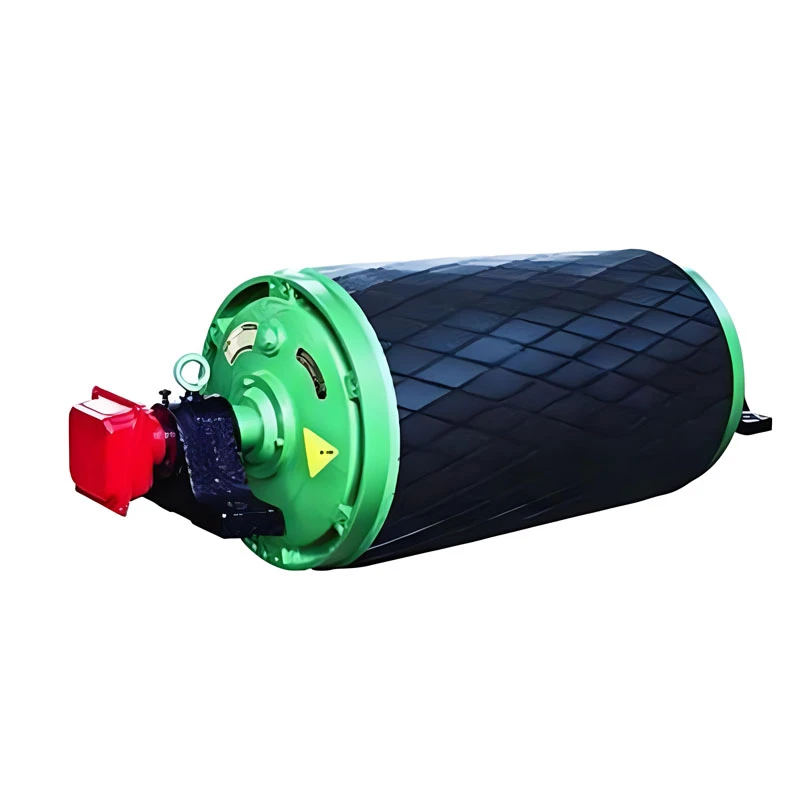
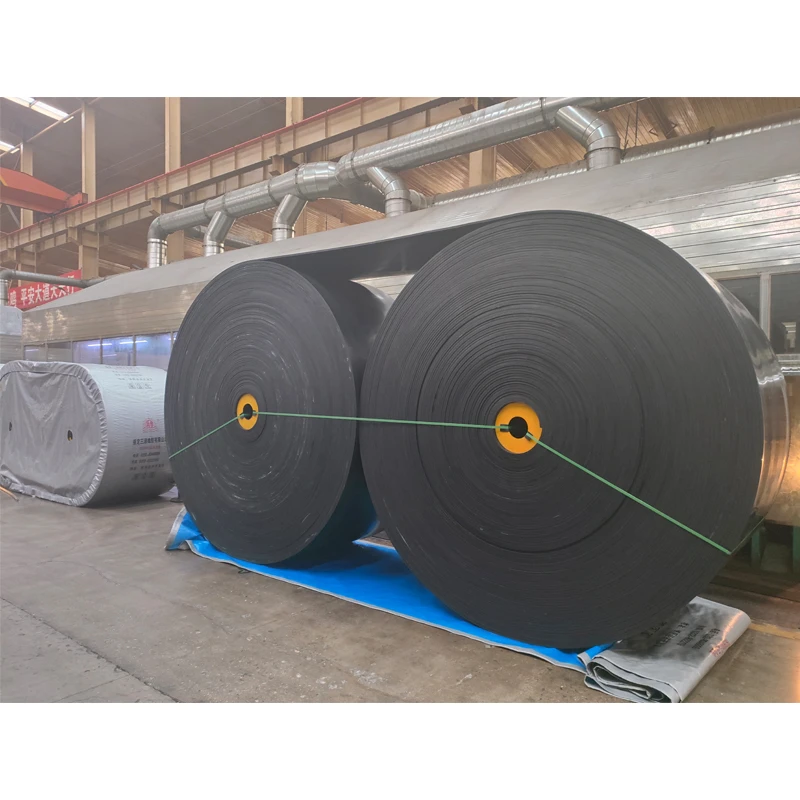
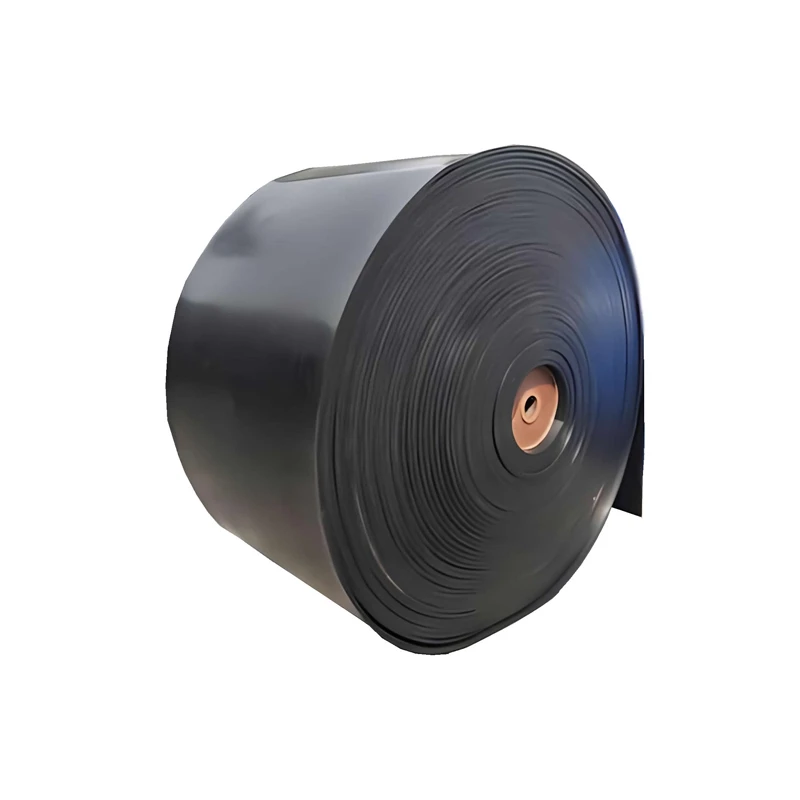
At its core, a mining conveyor belt is a continuous loop of durable material powered by a motorized system that transports mined materials from one point to another. Think of it as the veins pumping minerals from the mine face to processing plants. These belts are specially designed to endure harsh environments — abrasive rocks, extreme temperatures, and heavy loads.
The beauty is in their simplicity and robustness, supporting industries beyond mining too, such as construction or disaster relief operations where moving materials quickly makes a world of difference. There’s a human element even here: better conveyors can reduce workplace injuries and improve operational dignity for workers.
Core Components and Key Factors for Mining Conveyor Belts
Durability and Material Composition
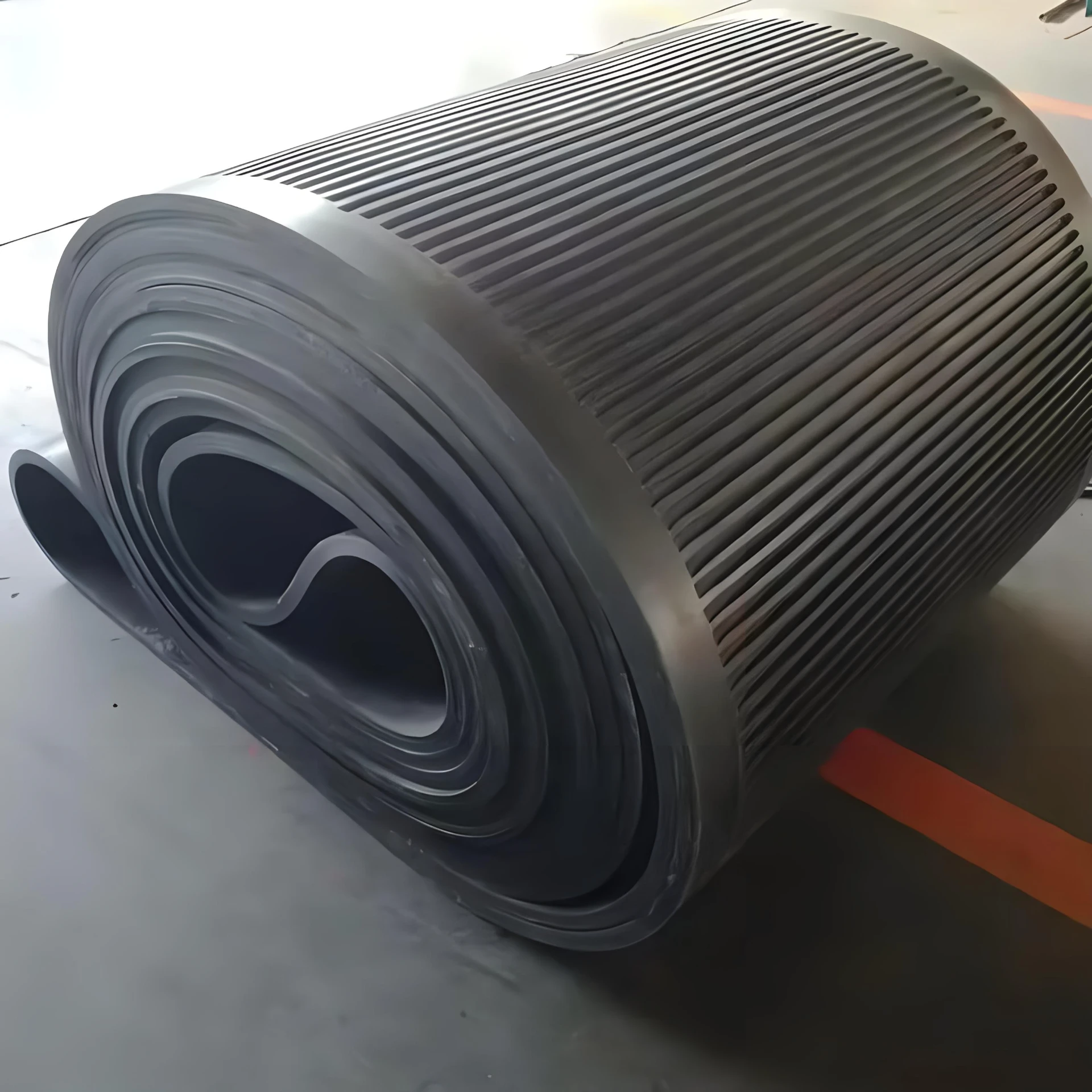
Mining conveyor belts are often made from layered rubber with reinforcing steel cords or fabric plies inside. Their resilience to wear and tear, cuts, and heat largely depends on material quality. Many engineers I’ve spoken to swear by belts layered with EPDM or neoprene for enhanced resistance.
Load Capacity and Scalability
Whether you’re moving 50 or 500 tons per hour, conveyor belts must handle varying capacities with minimal downtime. Scalability also matters because mining operations often grow or shift locations. Modular designs let operators add sections rather than replacing entire systems — pretty handy.
Energy Efficiency
Running a conveyor system 24/7 can rack up substantial energy costs. Today’s belts increasingly incorporate energy-saving drives and smart sensors to optimize speed and reduce waste. Some systems adjust speed dynamically based on load, which is a neat little innovation.
Safety Mechanisms
With all that heavy stuff flying around, safety cannot be an afterthought. Emergency stop switches, belt alignment monitoring, and fire-resistant materials are practically standard now. You might be surprised how many accidents conveyor belts help prevent compared to truck haulage.
Ease of Maintenance
Downtime is the enemy. Conveyor belts designed for quick inspection and simple replacement parts make life easier for maintenance crews and keep operations running smooth.
| Feature | Specification | Benefit |
|---|---|---|
| Material | EPDM Rubber with Steel Cord Reinforcement | High tensile strength, abrasion resistance |
| Belt Width | 800 mm | Suitable for medium to large scale mining |
| Max Load Capacity | 500 tons/hr | Supports high-volume hauling with efficiency |
| Operating Temperature | -30°C to +80°C | Effective in most climates and underground setups |
| Lifespan | 5-7 years (with proper maintenance) | Long-term investment with predictable costs |
Where Do Mining Conveyor Belts Get Used? Real-World Applications
Mining conveyor belts are everywhere—from the colossal open pit copper mines of Chile, winding endlessly across arid landscapes, to underground coal mines in Appalachia. These systems also find uses in regions like Australia’s iron ore fields and South Africa’s platinum mining.
Beyond mining, conveyor belts appear in post-disaster relief efforts moving debris out or stored materials in, speeding up reconstruction phases — a detail that sometimes gets overshadowed. In remote industrial zones, conveyor belts cut down the need for large truck fleets, which might not be feasible due to terrain or logistics.
In essence, this technology is crucial anywhere mass materials must be transported reliably and safely.
Comparing Leading Mining Conveyor Belt Vendors
| Vendor | Key Features | Typical Applications | Warranty / Support |
|---|---|---|---|
| HGC Conveyor | Custom widths, energy-efficient motors, rapid deployment | Mining, bulk materials, remote sites | 5 years warranty, 24/7 support |
| BeltMaster Inc. | High abrasion resistance belts, smart monitoring | Coal, aggregates, heavy industry | 3 years warranty, extended support plans |
| TerraMove Systems | Modular design, fast installation, IoT-enabled | Mining, disaster relief, construction | 4 years warranty, remote diagnostics |
Advantages and Long-Term Value of Mining Conveyor Belts
Conveyor belts transform raw resource handling from a cumbersome chore into a streamlined ballet of industrial transport. Key benefits include:
- Cost reduction: Less fuel and labor than truck haulage, fewer breakdowns.
- Environmental impact: Reduced emissions and noise pollution.
- Safety: Minimizes worker exposure to hazardous conditions.
- Reliability: 24/7 operation under rigorous conditions.
- Social impact: Enhances operational dignity by reducing manual hauling.
For many, investing in top-tier mining conveyor belts is a logical step toward both financial prudence and corporate social responsibility — a blend that frankly feels kind of overdue in heavy industry.
Cutting-Edge Innovations and Future Trends in Conveyor Belt Technology
The conveyor belt tech of tomorrow is already in testing labs today. Emerging focus points include:
- Eco-friendly materials: Biodegradable rubbers and recycled steel reinforcements.
- Smart automation: AI-driven belt monitoring for proactive maintenance.
- Energy harvesting: Systems recovering kinetic energy to power sensors or auxiliary devices.
- Modular and flexible designs: For quick reconfiguration on dynamic sites.
These trends dovetail nicely with broader pushes for sustainability and digital transformation in mining. Imagine conveyor belts communicating their own health, adjusting speed based on traffic flow, and even powering themselves partly — quite a leap from the old rubber loops we knew.
Recognizing Challenges and Expert Solutions
Not all is smooth in conveyor land—common hurdles include belt wear, contamination build-up, and energy inefficiency especially in older models. But innovations like advanced belt covers, self-cleaning systems, and variable frequency drives help mitigate these.
Experts also emphasize the value of routine inspection with drones or IoT devices, reducing unexpected downtime. Meanwhile, supplier partnerships for fast part replacements keep lines running continuously.
FAQ: Your Top Questions About Mining Conveyor Belts
- What materials are best for conveyor belts in mining?
- Typically, belts use a combination of synthetic rubber (like EPDM) with steel cords for reinforcement. This mix offers abrasion resistance and tensile strength – essential for withstanding heavy loads and harsh conditions.
- How long can a mining conveyor belt last in the field?
- With proper maintenance, quality mining conveyor belts can last 5 to 7 years or more. Factors include operating environment, load, and frequency of inspections.
- Are mining conveyor belts easy to repair or replace on-site?
- Many modern systems feature modular sections or quick splice options allowing for on-site repairs with minimal downtime. It’s always best to work with vendors offering robust support.
- How do conveyor belts improve safety in mining?
- By automating heavy material transport, conveyor belts reduce manual handling risks, limit traffic accidents involving trucks, and generally enhance workplace ergonomics.
- Can mining conveyor belts be customized for specific needs?
- Absolutely. Vendors often customize belt width, speed, material composition, and length to suit a mine’s unique geography and material properties.
Wrapping It Up: The Enduring Value of Mining Conveyor Belts
Mining conveyor belts may not always make the headlines, but they quietly sustain some of the largest and most complex industrial operations around the world. Their constant evolution—toward greater durability, sustainability, and smart automation—means their relevance will only grow. For professionals thinking about upgrading or optimizing their material transport, conveyor belts deliver a rare mix of efficiency, safety, and environmental responsibility that feels like a wise bet for the long haul.
Ready to explore the latest conveyor solutions? Visit our website at https://www.hgconveyorbelt.com for expert advice and tailored options.
Mini takeaways:
- Mining conveyor belts are critical for safe, efficient material transport worldwide.
- Durability, load capacity, safety, and energy efficiency remain core concerns.
- Innovations like smart sensors and eco-materials are shaping the future.
- Choosing and maintaining the right conveyor belt improves productivity and sustainability.
References:
1. World Bank Mining Data
2. Wikipedia - Conveyor Belt
3. International Organization for Standardization (ISO)