Food Safe Conveyor Belts - Hygienic Solutions for Global Food Safety
Understanding Food Safe Conveyor Belts: Why It Matters Worldwide
If you’ve ever thought about what happens between farm and fork, the role of conveyor belts might seem a bit mundane. Yet, food safe conveyor belts form the invisible backbone of global food supply chains. In an age when ensuring hygiene, speed, and safety is paramount — not just for taste but for health — these belts are indispensable. They help millions access safe, untouched food daily while boosting efficiency for producers. In a world where foodborne illnesses still threaten lives (according to the WHO, food contamination causes nearly 600 million illnesses annually), understanding food safe conveyor belts isn't just industrial jargon — it's a peek into how modern food safety is engineered.
Mini takeaway: Food safe conveyor belts are critical to maintaining hygiene and efficiency in the massive global food industry, ultimately protecting consumer health worldwide.
The Global Context: Why Food Safety in Conveying Is a Universal Concern
Globally, the food processing market is hitting highs — the UN FAO estimates food production must rise by 70% by 2050 to meet demand. Conveyor belts facilitate faster, contamination-free handling required for this growth. Countries across continents invest heavily in these systems; from North America's meatpacking giants to Europe's massive baked goods factories, and Asia's sprawling fruit and vegetable growers. Yet despite advancements, lapses in hygiene still cause costly recalls and health scares. Roughly 33% of foodborne outbreaks reported in industrialized nations are linked to processing equipment contamination, according to ISO data. This problem underlines the need for stringent standards and innovation in "food safe conveyor belts," which help address these challenges by minimizing bacterial growth and cross-contamination risks.What Exactly Are Food Safe Conveyor Belts?
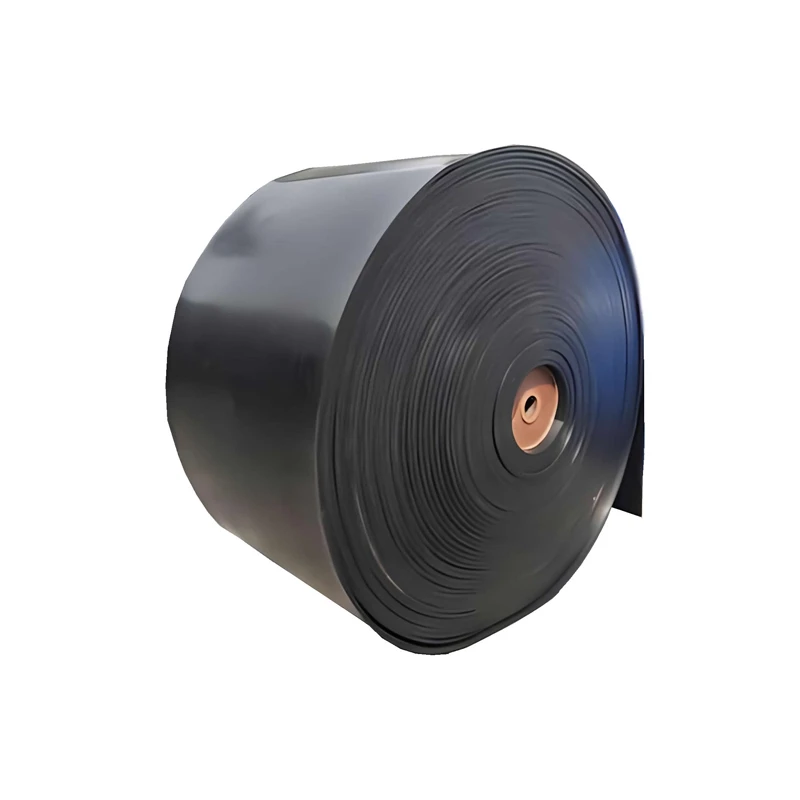
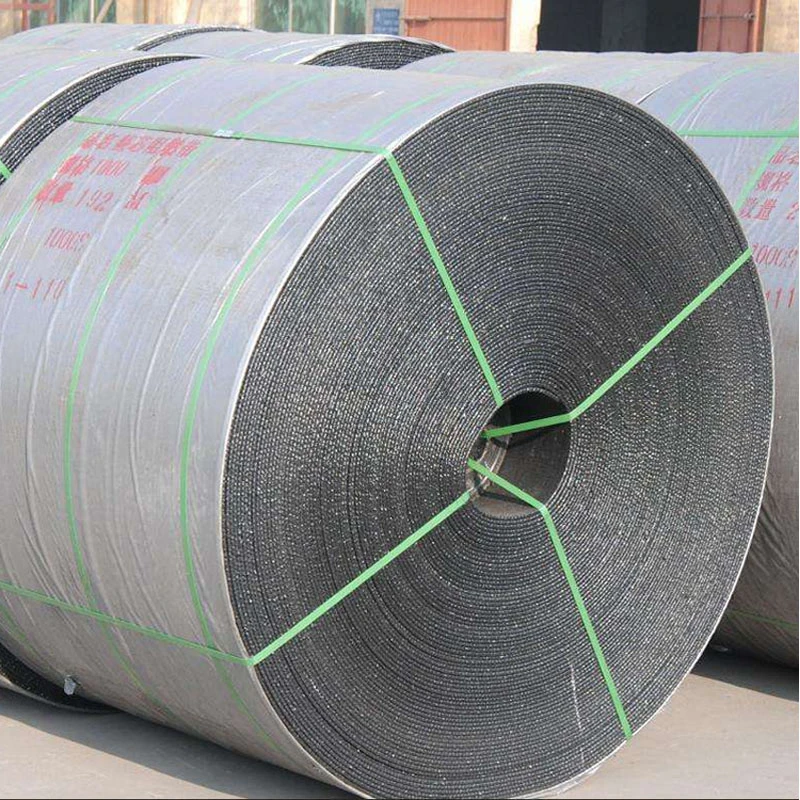
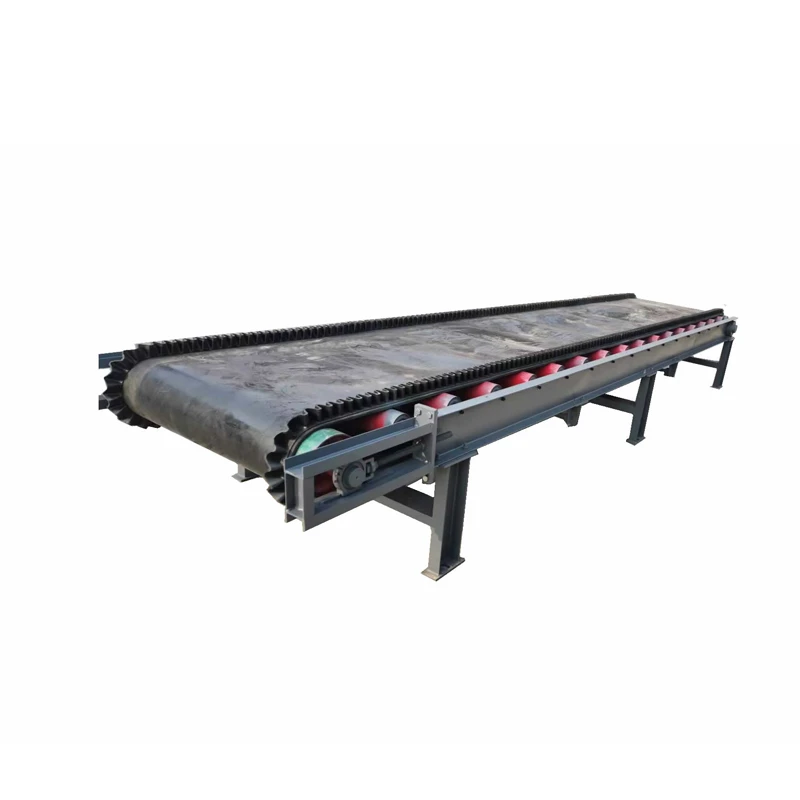
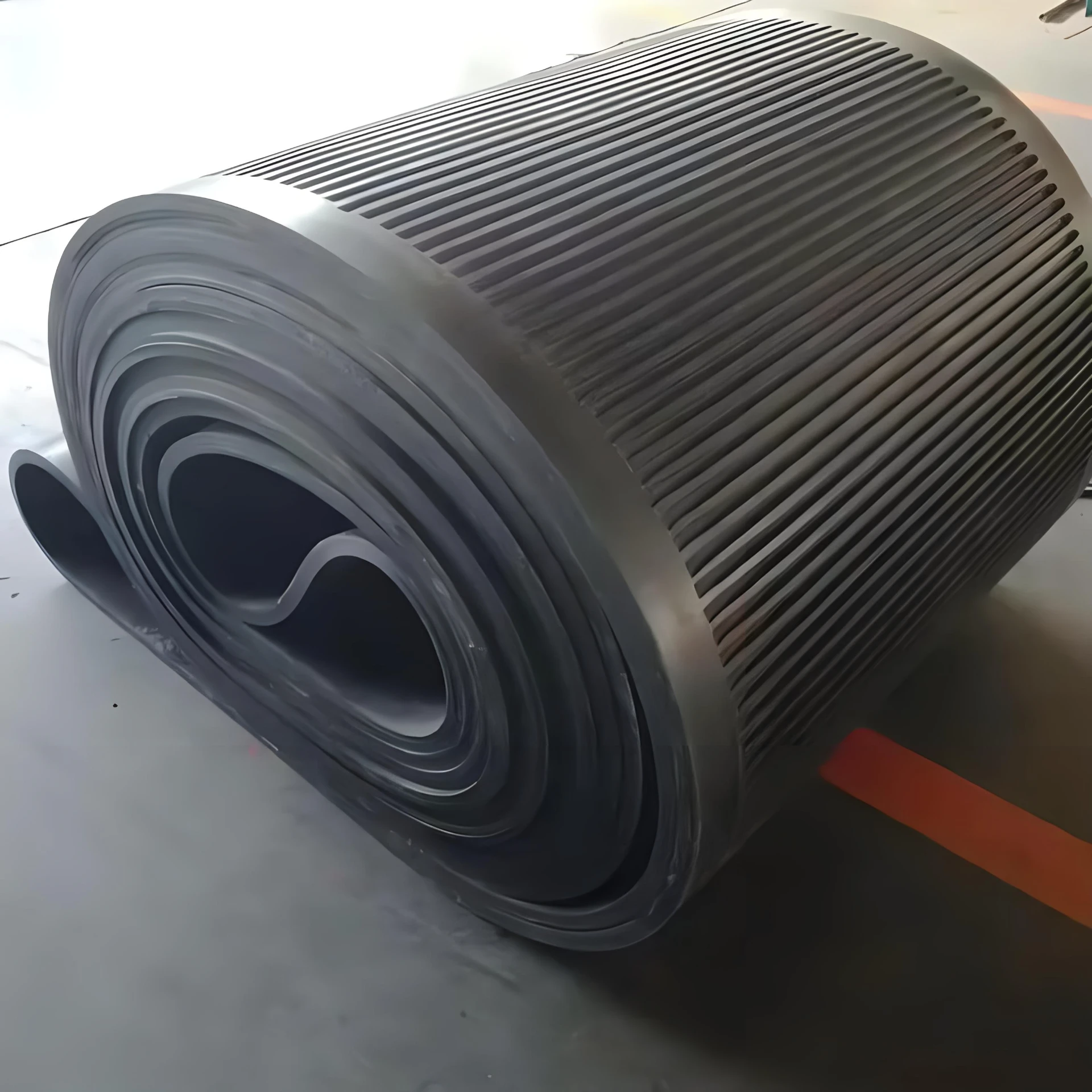
At its core, a food safe conveyor belt is a specially designed moving surface made with materials and standards that guarantee the food products it carries remain uncontaminated. Unlike standard industrial belts, these must comply with certifications like FDA 21 CFR 177.2600 or EU 1935/2004, using non-toxic, antimicrobial, and wear-resistant components. These belts’ surfaces are smooth, easy-to-clean, sometimes antibacterial, and built to resist intrusion by moisture, oils, and microbes. They’re the unsung heroes in bakeries, meat processing plants, dairies, and more — basically anywhere food travels mechanically during production or packaging. It’s interesting how such a simple concept, a moving strip of fabric or polymer, interlocks with humanitarian needs too: keeping food fresh and safe for vulnerable populations, including disaster relief efforts that rely on swift distribution of edibles.
Mini takeaway: Food safe conveyor belts aren't just “equipment” — they’re carefully engineered safety systems crucial for protecting food integrity globally.
Main Ingredients: What Makes a Food Safe Conveyor Belt Tick?
1. Material Safety
Materials must avoid toxic additives like PVC+phthalates. Common choices include polyurethane (PU), silicone, and FDA-approved PVC blends. They resist fats, oils, and acids without degrading.2. Durability & Wear Resistance
Longevity is vital; belts endure constant abrasion and cleaning cycles. PU belts can last 3-5 years in demanding environments, reducing downtime and costs.3. Easy Cleaning & Maintenance
In food processing hygiene is everything. Belts have smooth, non-porous surfaces that prevent bacterial colonies. Some feature modular designs for quick disassembly.4. Temperature Resistance
Certain food processes require belts to withstand freezing, heating, or sterilization. Silicone belts thrive in ranges from -60°C to 230°C—pretty impressive.5. Compliance & Certification
Meeting FDA standards, EU regulations, and often ISO 22000 HACCP protocols is non-negotiable. These certify the belts for direct food contact.6. Customization
Belts can be tailored with cleats, perforations, sidewalls, and other features to handle specific food types and production lines.Real-World Uses: Where Food Safe Conveyor Belts Shine
Globally, these conveyor belts facilitate everything from slicing artisanal cheeses in Italy to sorting fresh produce in California’s Central Valley, and even packaging emergency food supplies in aid missions. For instance, in post-disaster relief operations, organizations rely on belts made for quick assembly and easy cleaning to distribute ready-to-eat meals safely through mobile kitchens. In Asia’s burgeoning frozen seafood export markets, corrosion-resistant conveyor belts transport fish without risk of spoilage. Industries ranging from meat processing (think pressure on hygiene standards) to confectionery benefit from the consistent texture and temperature controls enabled by the right belts.Specification Table: Typical Food Safe Conveyor Belt Properties
| Feature | Specification | Practical Benefit |
|---|---|---|
| Material | FDA-compliant PU or Silicone | Safe for all edible contact |
| Surface Finish | Smooth/Non-Porous | Easy cleaning, resists bacteria |
| Max Temp | -60°C to 230°C | Handles freezing and cooking |
| Cleaning Method | High Temp Wash & CIP | Sanitation during production |
| Wear Resistance | Chemical & Abrasion Resistant | Long production life |
How Vendors Stack Up: A Quick Comparison
| Vendor | Material Options | Hygiene Certifications | Customization | Global Reach |
|---|---|---|---|---|
| BeltCo | PU, Silicone | FDA, EU 1935/2004 | Wide (cleats, perforations) | North America, Europe |
| SafeBelt Ltd. | PVC (Phthalate Free), PU | FDA, NSF | Moderate (sidewalls, modular) | Asia, Europe |
| HygieneTech | Silicone only | FDA, ISO 22000 | High (custom shapes, antimicrobial) | Global (incl. Africa) |
Advantages That Keep Food Safe Conveyor Belts in Demand
Beyond just moving food from point A to B, there’s a lot packed into these belts:- Health & Safety: Reduces contamination risks by maintaining sanitary conditions.
- Cost Efficiency: Durable belts reduce replacement frequency and downtime.
- Sustainability: Modern belts use recyclable or low-impact materials where possible.
- Traceability and Trust: Transparent processes supported by certified belts build consumer confidence.
Future Trends: What’s Next for Food Safe Conveyor Belts?
Innovation never sleeps. We’re seeing new materials incorporating antimicrobial nanoparticles, reducing pathogen survival on surfaces substantially. Digital integration is also rising: belts embedded with sensors that monitor microbial contamination and wear in real time, feeding data into overall plant health systems. Sustainability remains a big focus, with efforts shifting toward biodegradable or fully recyclable belts. Meanwhile, automation ensures precision and lowers human contact—a double win for hygiene and efficiency. Considering global challenges—climate change affecting food supply and pandemics reminding us of vulnerabilities—food safe conveyor belts seem poised for even greater importance.Common Challenges—and How Experts Overcome Them
One obvious challenge is balancing durability with cleanability. Some materials resist stains but break down under harsh cleaners. This calls for ongoing R&D and partnership between manufacturers and users. Customization complexity also arises. What fits a bakery line might not suit a fresh fish facility. That’s why modular designs and vendor partnerships matter; adaptability is king. Finally, cost can be a barrier for smaller producers, but leasing and maintenance contracts provide practical solutions, avoiding large upfront expenses.FAQ: Your Food Safe Conveyor Belt Questions Answered
- Q: How often should food safe conveyor belts be replaced?
- A: Typically between 3 to 5 years depending on usage and cleaning intensity. Regular inspections can extend life by catching wear early.
- Q: Are all plastic conveyor belts food safe?
- A: No, only those made with approved materials and certified to FDA, EU, or similar standards are truly food safe. Always check specs before purchase.
- Q: Can these belts handle hot and cold food products?
- A: Yes, many belts withstand temperature ranges from freezing conditions up to over 200°C, suitable for cooking or freezing stages.
- Q: Is it possible to customize food safe conveyor belts for unusual food shapes?
- A: Absolutely. Features like cleats, sidewalls, perforations, and modular sections help manufacture belts tailored to unique food handling needs.
- Q: How do I clean and maintain these belts to ensure food safety?
- Regular rinsing, CIP (clean in place) systems, and avoiding abrasive chemicals ensure belts remain hygienic. Follow manufacturer guidelines closely.
Conclusion: Why Food Safe Conveyor Belts Deserve a Spot in Your Food Chain
From global food factories to crisis relief kitchens, food safe conveyor belts quietly uphold the daily promise of safe, wholesome food. Their design, certification, and adaptability give food processors peace of mind and consumers trust. If you’re serious about reliable, hygienic food handling, investing in these belts isn’t just good practice—it’s essential. Curious to explore more about advanced options? Visit food safe conveyor belts to find solutions tailored for your needs.
Thanks for reading — sometimes it’s these quietly clever tools that hold the largest impact on our world’s health.