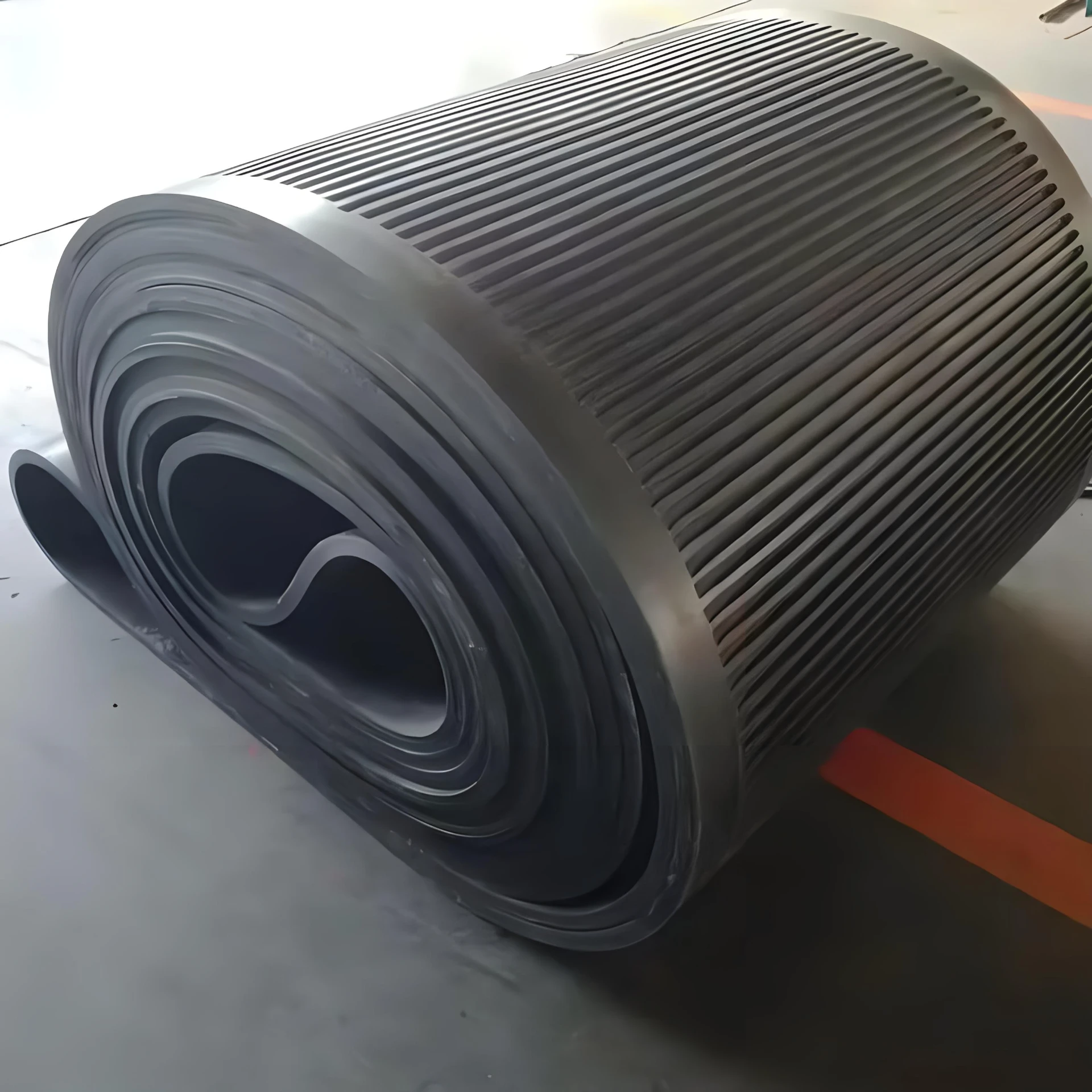
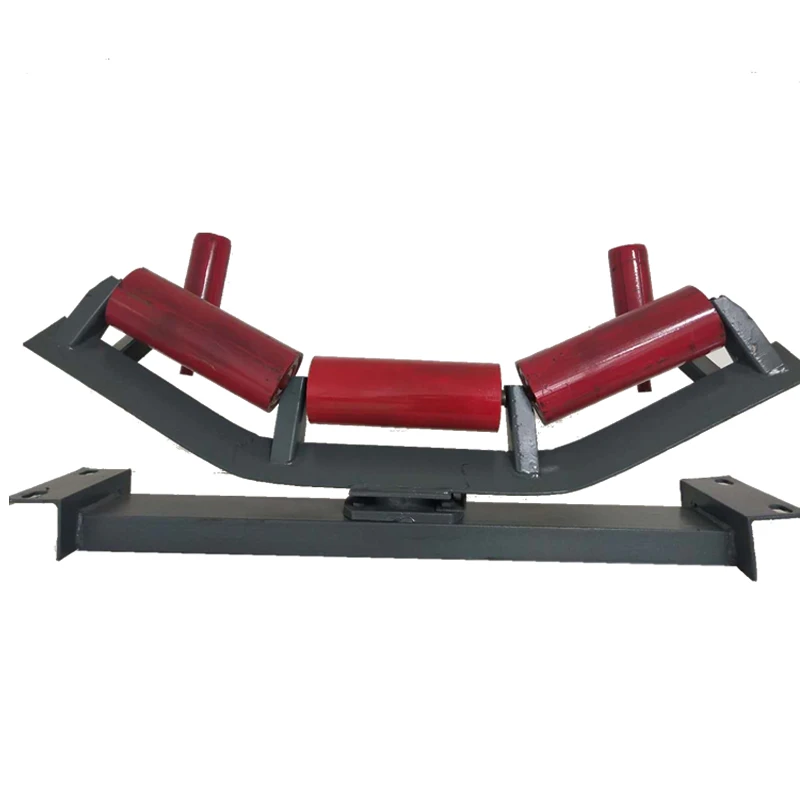
Understanding Miniature Conveyor Belt: Small Scale, Big Impact
When you hear “miniature conveyor belt,” you might imagine a tiny factory line or a neat gadget moving parts around — and you'd be spot on. These compact conveyor systems are quietly revolutionizing industries worldwide. Why? Because as manufacturing and logistics go smaller and smarter, the demand for precise, efficient, and adaptable transport grows. Think of miniature conveyor belts as the unsung heroes making production lines more agile, cleanroom-friendly, or perfect for delicate material handling — from pharmaceuticals to microelectronics.
The Growing Global Role of Miniature Conveyors
Globally, manufacturing output has seen steady growth, especially in niches like electronics assembly and packaging. According to the ISO, efficiency in these small-scale processes is a major quality benchmark. Miniature conveyor belts help tackle several challenges: tight spaces, handling fragile products, or integrating with automation systems with tight tolerances. For example, recent trends in Asia and Europe show factories doubling down on miniature belt lines to boost throughput without requiring large floor spaces.
In an increasingly globalized market, there's pressure to reduce waste, speed up assembly, and minimize downtime. Miniature conveyor belts answer these calls with precision moves that standard belts just can't match. The United Nations has flagged industrial efficiency as a sustainability goal — and small conveyors, though humble, contribute directly to that by cutting energy and material waste.
Mini Takeaway:
- Miniature conveyor belts rise in importance as industries demand precision and efficiency in compact settings.
- Global manufacturing trends and sustainability goals highlight their key role.
What Exactly Is a Miniature Conveyor Belt?
In simplest terms, a miniature conveyor belt is a small-scale, often narrow conveyor system designed to transport lightweight or delicate items over short distances within manufacturing or processing environments. Unlike large conveyors used in mining or general materials handling, these tiny belts prioritize accuracy, integration with other machines, and often have modular designs for quick reconfiguration.
They’re especially common in industries where product size is small or where environmental cleanliness is crucial — think biotech labs, electronics testing, or even automated sorting in food production. Oddly enough, while small, these belts have outsized importance — they embody how modern production has evolved from sheer brute force to gentle, precise automation.
Core Components That Define Miniature Conveyor Belts
1. Compact Design & Construction
The prototype miniature conveyor usually features a slim frame often made from anodized aluminum or stainless steel. This ensures lightness without sacrificing durability. Many engineers note that the small size means fewer moving parts, lowering maintenance needs.
2. Durability & Material Choice
Despite the “miniature” label, these belts are often crafted from tough materials like polyurethane, silicone, or specialized plastics to resist chemicals and wear. Some use flame-resistant or FDA-compliant materials for food and pharmaceutical environments.
3. Precision & Scalability
Miniature belts typically offer variable speeds with high accuracy, allowing integration with robotic arms or inspection stations. Scalability means you might chain several units together or swap out belt surfaces depending on the application.
4. Cost Efficiency in Practice
These systems generally have lower upfront costs and reduced energy consumption compared to larger belts. Plus, their modular nature means you only buy what you need — often a compelling ROI for small businesses or labs.
5. Safety & Cleanroom Compatibility
Small conveyors are often sealed or minimize dust and particle generation, which is vital in cleanrooms or sensitive manufacturing.
Mini Takeaway:
- Durability, precision, and design flexibility make miniature conveyors versatile.
- They’re built to last and integrate seamlessly into diverse production lines.
Typical Specifications for a Miniature Conveyor Belt
| Feature | Specification |
|---|---|
| Belt Width | 20 - 100 mm |
| Belt Material | Polyurethane, Silicone, PVC |
| Maximum Load | Up to 15 kg/m |
| Speed Range | 1 - 60 m/min |
| Drive Type | Electric motor, stepper motor |
| Operating Environment | Cleanroom, dry, or mildly humid |
Miniature Conveyor Belts Around the World: Applications & Use Cases
From bustling electronics factories in Shenzhen to pharmaceutical labs in Europe, miniature conveyors are everywhere. Here’s the fascinating part — while the core tech is consistent, the way it’s deployed varies dramatically.
- In Post-Disaster Relief Operations: Humanitarian groups use compact conveyors to help sort supplies efficiently in constrained temporary warehouse spaces.
- Remote Industrial Zones: Miniature belts are favored in places like offshore oil rigs or Arctic installations where space is a luxury and reliability is paramount.
- High-Tech Manufacturing Hubs: Silicon Valley firms integrate these belts with AI-driven vision systems to inspect microchips.
- Food & Packaging Industry: Modular miniature conveyors expedite sorting fruits or pharmaceuticals without contamination risks.
Mini Takeaway:
- Miniature conveyor belts are versatile — aiding industries from disaster relief to cutting-edge electronics.
- Their adaptability to space and application needs explains their varied global footprint.
Why Invest in Miniature Conveyor Belts? Advantages & the Long Game
In real terms, investing in these small yet mighty systems yields immediate benefits and long-term gains. They save floor space, reduce manual handling injuries, and lower energy bills. Beyond that, there’s a social impact angle — automating repetitive tasks at this scale improves worker safety and product quality, enhancing the overall trust in brand reliability.
Emotionally, there’s peace of mind knowing that delicate products won’t suffer damage, and processes run smoothly. Manufacturers often mention how future-proofing production lines with miniature conveyor belts allows them to pivot easily when demand shifts — a huge advantage in uncertain markets.
Spotlighting Innovation: The Future of Miniature Conveyor Belts
Automation and smart manufacturing continue to surge — and guess what? Miniature conveyor belts are keeping pace. Emerging trends include:
- Material Innovation: Biodegradable and antimicrobial belts are making inroads, particularly in food and health sectors.
- Digital Integration: IoT-enabled conveyor systems now transmit real-time data about belt health, speed, and fault detection.
- Energy Efficiency: New brushless motors and power-saving drives significantly reduce energy consumption.
- Customization & Modularity: More user-friendly, modular designs that allow swap-and-go components reduce downtime.
In fact, some vendors are experimenting with flexible belts that can bend around tighter curves for densely packed lines — combining scale savings with expanded layout freedom.
Facing Challenges: What Holds Back Miniature Conveyor Belts and How to Fix It
Even tiny conveyor belts have hurdles. One common challenge is wear and tear in harsh chemical environments, which can degrade belts faster than expected. Others deal with speed variability limits when trying to sync with super-fast robotic lines. Also, sourcing specific modular parts can sometimes cause supply chain delays.
But innovators don’t sit still — advanced materials (like carbon fiber-reinforced elastomers) and predictive maintenance technology help nip problems early. Furthermore, establishing long-term local vendor relationships drives better customization options and responsiveness.
Vendor Comparison: Popular Miniature Conveyor Belt Manufacturers
| Vendor | Product Range | Customization | Lead Time | Typical Clients |
|---|---|---|---|---|
| ConveyTech Ltd. | 15-120 mm belt widths, cleanroom models | High – custom materials & lengths | 4-6 weeks | Pharma, electronics |
| MiniMove Systems | 20-80 mm widths, modular kits | Medium – modular swap parts | 2-4 weeks | Food processing, logistics |
| NanoBelt Corp | 10-100 mm widths, IoT-enabled | High – custom electronics integration | 6-8 weeks | Advanced manufacturing sectors |
Common Questions About Miniature Conveyor Belts
- Q: How do I choose the right miniature conveyor belt for my assembly line?
- A: Consider your product size, weight, and handling needs first. Then check belt width, material, and speed range. If your line requires cleanroom certification or chemical resistance, prioritize those features. Lastly, flexibility matters if you plan to scale or modify your setup.
- Q: Are miniature conveyor belts easy to maintain?
- A: Generally, yes. Their compact size means fewer components, and many parts are modular or quickly replaceable. Regular cleaning and inspection, especially in clean environments, will ensure smooth operation and longevity.
- Q: Can these belts be integrated with robotics or AI systems?
- A: Absolutely, many modern miniature conveyor belts offer digital interfaces or sensors for real-time monitoring, making them highly compatible with automated vision systems and robotics for precision tasks.
- Q: What’s the typical lifespan of a miniature conveyor belt?
- A: Lifespan varies but generally ranges from 3 to 7 years, depending on material, usage, and environment. Proper maintenance can push that further, particularly in controlled settings.
- Q: How eco-friendly are miniature conveyor belts?
- A: Increasingly so. Many belts now use recyclable or biodegradable materials, and energy-efficient motors reduce their carbon footprint. Selecting vendors focused on sustainability can make a difference.
Wrapping Up: Why Miniature Conveyor Belts Matter
In many ways, miniature conveyor belts encapsulate a vital shift in manufacturing and logistics — from bulk movement to nimble, precise material handling. They pack a punch by improving productivity, safeguarding products, and supporting innovation across industries. Whether you’re building a new assembly line or upgrading an existing one, they’re something to seriously consider.
Fancy exploring solutions tailored to your needs? Do check out our offerings at miniature conveyor belt specialists — experts who will walk you through options, from custom builds to modular systems.
Final Mini Takeaway:
- Miniature conveyor belts symbolize smart industrial transformation.
- Their versatility touches multiple sectors—from food to high tech.
- Innovations continue to improve their sustainability and performance.