Grain Drag Conveyor: A Backbone of Modern Bulk Handling
In the vast world of bulk material transportation—especially in the grain industry—few systems are as reliable and versatile as the grain drag conveyor. At its core, this conveyor type works by pulling grain along a trough using flight bars linked to a chain, moving product gently yet continuously. But why does understanding grain drag conveyors really matter globally? Well, grain is a cornerstone food staple worldwide, and moving it efficiently connects farms, processors, exporters, and consumers seamlessly. Mastering the design and application of grain drag conveyors can help reduce losses, improve safety, and boost productivity—critical benefits for food security and economic stability worldwide.
Mini takeaway: Grain drag conveyors are quietly vital in sustaining the global food supply chain, improving how grain travels from field to table.
Global Importance and Industry Challenge
Globally, the grain industry moves hundreds of millions of tonnes annually. According to the Food and Agriculture Organization (FAO), post-harvest losses can reach up to 20% in some regions due to inefficient handling. Grain drag conveyors—which stand out for their enclosed design and gentle material handling—tackle key problems such as spillage, dust emissions, and damage during transit.
For example, in developing nations where infrastructure lacks modernization, the right conveyor systems help prevent spoilage and contamination, safeguarding livelihoods and food supplies. You might say they’re unsung heroes in grain logistics, turning chaos into controlled flow.
What Exactly Is a Grain Drag Conveyor?
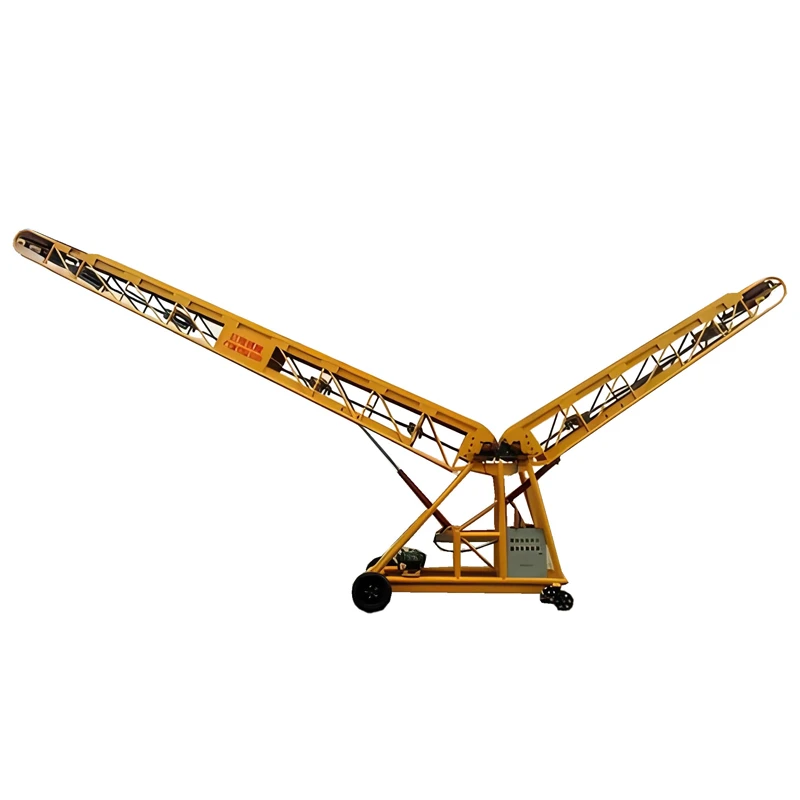
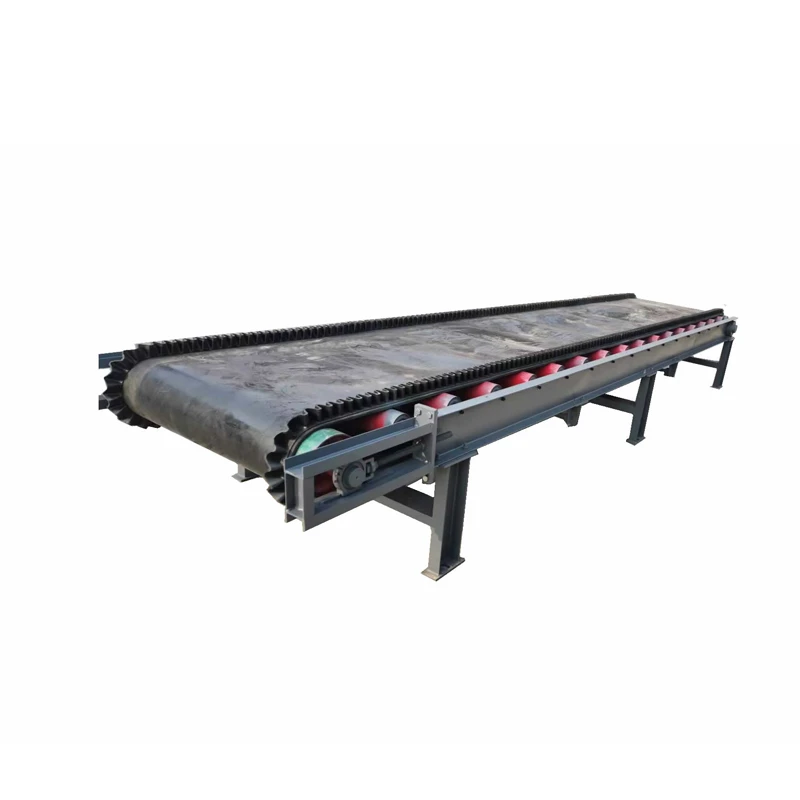
Simply put, a grain drag conveyor is a mechanical device that moves bulk grain gradually through a fixed trough by dragging the commodity along with a chain fitted with flights (small bars or paddles). This method reduces grain breakage compared to bucket elevators or belt conveyors. It’s frequently enclosed, minimizing dust and moisture contamination—traits which align well with modern food safety standards and industrial hygiene.
Because it offers controlled, low-impact movement, the grain drag conveyor supports critical humanitarian goals, such as feeding vulnerable populations in disaster zones by preserving grain quality during transport.
Core Components That Make a Difference
- Durability: Constructed with heavy-duty steel chains and sealed joints, grain drag conveyors can operate in harsh environments, extending lifespan while reducing maintenance.
- Scalability: They come in various sizes and lengths, so they adapt from small mills to massive grain terminals.
- Cost Efficiency: Their simple mechanical design drives down energy consumption compared to pneumatic or free-fall systems.
- Gentle Handling: The slow drag movement minimizes grain cracking or crushing, directly impacting product quality.
- Dust & Spillage Control: The enclosed trough reduces environmental contamination and workplace health risks.
Mini takeaway: These conveyors strike a careful balance between ruggedness and delicacy, crucial for moving grain safely and affordably.
Specifications of a Typical Grain Drag Conveyor
| Parameter | Value/Range |
|---|---|
| Conveyor Length | 5 m – 50 m (customizable) |
| Capacity | Up to 3000 tph (tonnes per hour) |
| Chain Speed | 0.3 – 1.0 m/s |
| Material of Construction | Carbon steel, stainless steel options |
| Power Requirement | 5 – 30 kW (depending on size) |
| Enclosure | Fully enclosed with weatherproof seals |
Global Applications & Real-World Use Cases
Farmers in North America load enormous quantities of wheat onto grain drag conveyors to gently transfer crops into large silos. Meanwhile, in Europe, grain processors rely on these conveyors within integrated mills to ensure minimal product loss. Oddly enough, even in remote African regions, NGOs distribute mobile grain drag conveyors alongside food aid packages, helping reduce spoilage during storage and transport.
In the post-disaster context, humanitarian agencies have applied grain drag systems to move emergency grain supplies safely through rugged terrains, ensuring quick and efficient delivery. Truly, the versatility of grain drag conveyors crosses many borders and sectors.
Vendor Comparison: Leading Grain Drag Conveyor Suppliers
| Vendor | Material Options | Customization | Typical Lead Time | Pricing Level |
|---|---|---|---|---|
| HG Conveyor Belt Co. | Carbon & Stainless Steel | High - Modular Options | 6-8 weeks | Mid-range |
| Global Bulk Systems | Standard Carbon Steel | Moderate Customization | 10-12 weeks | Lower Mid-range |
| AgriConvey Tech | Stainless Steel Only | Custom-built, High Flexibility | 8-10 weeks | Premium |
Advantages & Long-Term Value
Using grain drag conveyors translates to tangible benefits: operational cost savings, energy efficiency, and reduced product losses. But beyond cold numbers, there’s a human side: workers are safer around enclosed conveyors, and farmers experience less heartbreak over spoiled crops. In some sense, the conveyor supports food dignity by handling grain with care and respect — preserving not just kernels but pride and tradition. The reliability also fosters trust among supply chain partners, spurring innovation in larger storage and processing infrastructure.
Future Trends & Innovations
Looking ahead, new materials like wear-resistant composites extend conveyor life. Digital transformation plays a part too, with IoT sensors monitoring chain wear and grain flow in real-time. Sustainability is becoming critical—integrating solar-powered drives and adopting biodegradable lubricants reduces environmental footprint. Automation allows conveyors to self-adjust speed or detect clogs without human intervention. Oddly enough, all these sophisticated upgrades still respect the simple mechanical heart of the grain drag conveyor; it’s a beautiful mix of tradition and innovation.
Challenges & Expert Solutions
No system is without hurdles. Drag conveyors face challenges like chain wear, maintenance complexity, and limited speed. But rather than avoid them, many engineers champion predictive maintenance using machine learning algorithms, reducing downtime. Modular designs allow quick replacements of worn parts in the field, which is crucial in remote areas. Also, training operators on proper start/stop protocols significantly extends equipment life. It feels like, with the right care and tech, these conveyors can run decades — a testament to good engineering and stewardship.
FAQ: Grain Drag Conveyor Essentials
- Q: How much grain can a typical drag conveyor handle per hour?
A: Capacities vary, but most grain drag conveyors handle between 500 to 3000 tonnes per hour, depending on length, chain speed, and design specifics. - Q: Are grain drag conveyors suitable for outdoor use?
A: Yes, many are designed with weatherproof seals and corrosion-resistant materials, allowing outdoor installation even in challenging environments. - Q: How do drag conveyors compare to belt conveyors for grain?
A: Drag conveyors cause less grain damage and spillage but usually operate at slower speeds. Belt conveyors are faster but can increase product breakage and dust. - Q: Can grain drag conveyors be customized to specific site layouts?
A: Absolutely. They can be built to various lengths and configurations, including bends and inclines, making them adaptable to most facility needs. - Q: What maintenance is critical for ensuring conveyor longevity?
A: Regular inspections of chain tension, lubrication, and wear on flight bars are key. Predictive monitoring technologies can proactively alert operators to emerging issues.
Conclusion & Call to Action
Ultimately, grain drag conveyors form a crucial link in the global grain trade — unassuming, yes, yet indispensable. They marry gentleness with strength, tradition with innovation, and play a vital role where food safety, efficiency, and sustainability matter. For anyone invested in bulk grain handling, understanding this technology is practical wisdom.
Curious to see how these conveyors can transform your operations? Visit HG Conveyor Belt Co. to explore solutions tailored specifically for grain handling.