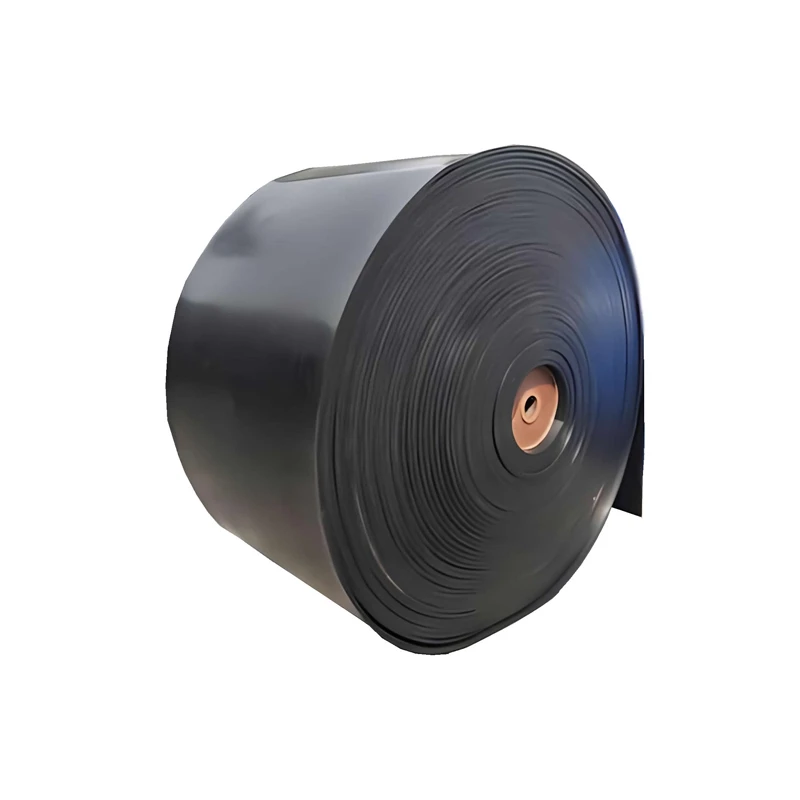
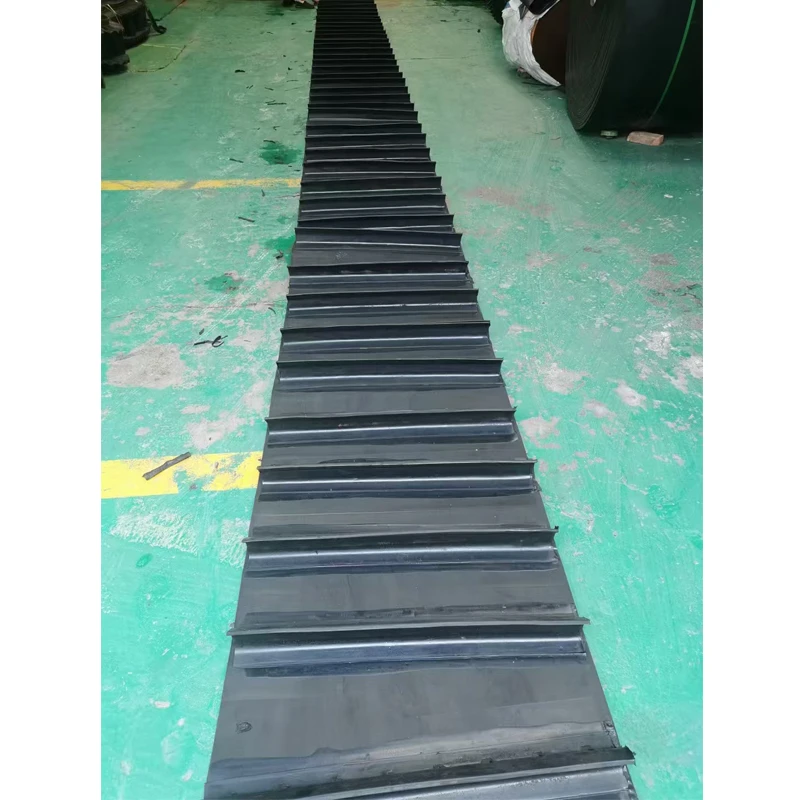
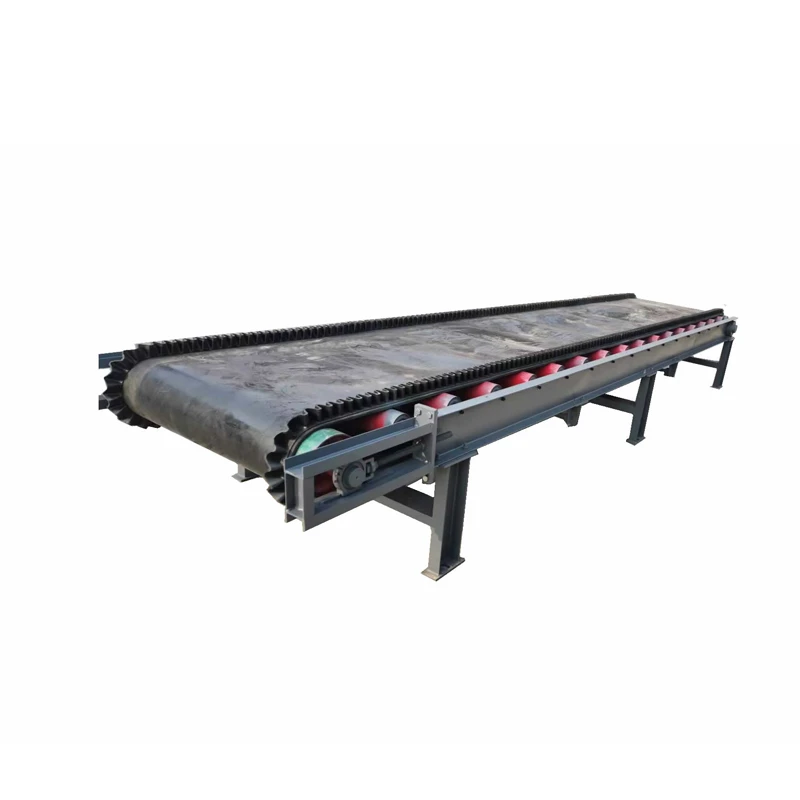
Conveyors Used In Food Industry is a key solution in the industry, specifically within food processing, packaging, and distribution. This article explores how HG Conveyor Belt supports professionals with durable, high-performance products, and explains why this product is an ideal choice for businesses in these sectors.
Table of Contents
- Conveyors Used In Food Industry Overview
- Benefits & Use Cases of Conveyors Used In Food Industry
- Cost, Maintenance & User Experience
- Sustainability & Market Trends
Conveyors Used In Food Industry Overview
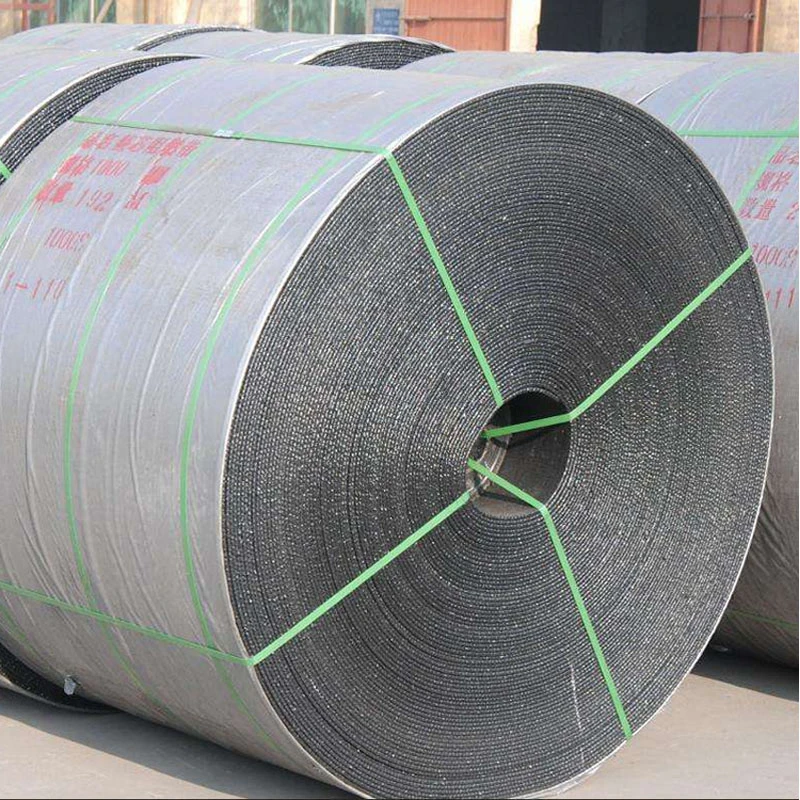
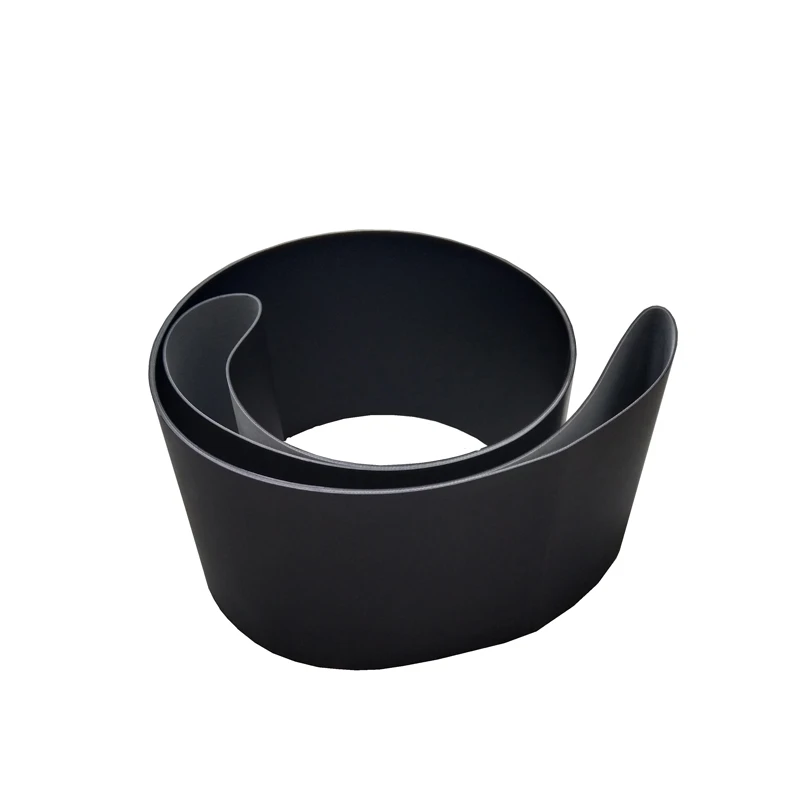
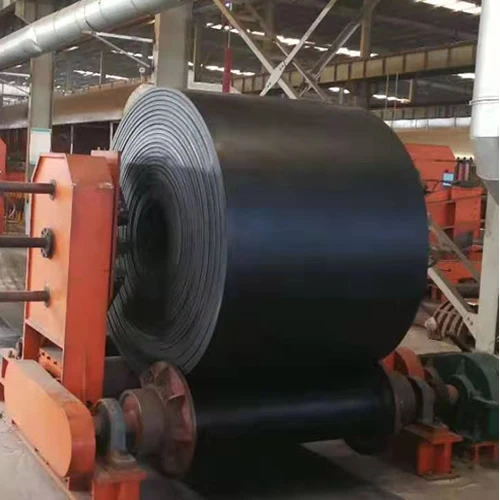
When we talk about Conveyors Used In Food Industry, what we really mean are specialized conveyor belts and systems designed to meet the stringent hygiene and efficiency demands of food production lines. These conveyors aren’t your everyday equipment; they’re crafted with materials that resist contamination and withstand regular washdowns. The technical aspect often involves FDA-approved food-grade materials and designs that minimize crevices for bacterial growth.
- Typically, conveyors in this domain are made with modular plastic belts or stainless-steel components, which simplify cleaning and extend service life.
- For instance, HG Conveyor’s food-grade modular belts often feature high flexibility and resistance to oils or fats, tested live in many meat processing plants across Asia and Europe with great success.
Benefits & Use Cases of Conveyors Used In Food Industry
The food industry loves these conveyors because they really tune into its unique requirements. Think about delivering fresh bakery goods from ovens to packaging without damaging delicate breads or pastries. Or raw meat cuts that need hygienic handling with zero risk of contamination. Conveyors designed specifically for these tasks often come with anti-microbial surfaces or FDA compliance certifications that you don’t get with off-the-shelf belts.
- In applications from frozen vegetables to bottled drinks, these conveyors provide smooth, consistent movement even in cold or wet environments.
- Their modular design supports quick repairs and easy customization — a big win when you need to adjust line speed or product flow at short notice.
| Product Spec | HG Food-Grade Modular Belt |
|---|---|
| Material | FDA-approved polypropylene & stainless steel |
| Temperature Range | -20°C to +80°C |
| Belt Widths | 100mm - 2000mm |
| Cleaning Method | High-pressure washdown compatible |
Cost, Maintenance & User Experience
Frankly, the initial investment in conveyors tailored for the food sector might seem a bit steep compared to generic belts. But here’s the kicker — the total cost of ownership usually swings in your favor. The durability, low downtime, and ease of maintenance mean businesses often see a return on investment much faster than expected.
- Many users tell us how the modular design lets them swap damaged sections without shutting down entire lines.
- Also, the hygienic construction reduces lengthy cleaning times and potential product recalls linked to contamination — which can be costly and embarrassing.
Sustainability & Market Trends
Now, sustainability is no longer just a buzzword — it's a must in food production. Conveyors designed with recyclable materials and energy-efficient motors are becoming the norm. Meanwhile, regulations keep tightening, especially around hygiene and contamination prevention. So manufacturers like HG Conveyor Belt have been proactive, developing products that not only meet but often exceed international standards.
- The market also trends toward automation-friendly conveyors that interface easily with robotics, streamlining workflows and reducing labor costs.
| Vendor Comparison | HG Conveyor Belt | Competitor A | Competitor B |
|---|---|---|---|
| Material Quality | Food-grade certified, stainless steel | Food-grade synthetic | Standard rubber |
| Customization Options | Extensive, modular belts & sizes | Limited sizes | Fixed sizes only |
| Cleaning Compatibility | High-pressure washdown | Manual cleaning required | Not recommended for wet cleaning |
| Lead Time | 2-4 weeks (custom orders) | 4-6 weeks | 6-8 weeks |
Frequently Asked Questions about Conveyors Used In Food Industry
- What is Conveyors Used In Food Industry and how does it work?
- These conveyors are specialized transporting systems designed to move food products safely along production lines. They use food-grade materials and hygienic designs to prevent contamination while ensuring smooth, efficient movement.
- What are the main benefits of using Conveyors Used In Food Industry in industrial applications?
- Key advantages include improved hygiene, durability under harsh washdown conditions, modularity for easy maintenance, and consistent product handling, reducing waste and downtime.
- How does Conveyors Used In Food Industry compare to traditional alternatives?
- Compared to traditional rubber or fabric belts, these conveyors feature FDA-approved materials, are more resistant to bacteria buildup, and often come with better customization and cleaning options.
- What industries can benefit most from Conveyors Used In Food Industry implementation?
- Primarily, sectors like meat processing, bakery, beverage bottling, frozen foods, and fresh produce rely heavily on these conveyors for hygienic and reliable operations.
Conclusion on Conveyors Used In Food Industry from china
To sum it up, Conveyors Used In Food Industry represent an intelligent investment for food manufacturers who want reliable, hygienic, and easy-to-maintain conveyor solutions. With HG Conveyor Belt’s focus on quality materials and customer responsiveness, businesses worldwide find these conveyors highly valuable. Oddly enough, often it’s the small details—like modularity and washdown resistance—that make all the difference in real-world operations.
- Recap the value of Conveyors Used In Food Industry.
- - "Visit our website: https://www.hgconveyorbelt.com"
Reflecting on these conveyors, it's clear they're more than just belts — they're the unsung heroes of food safety, efficiency, and innovation in countless production lines.