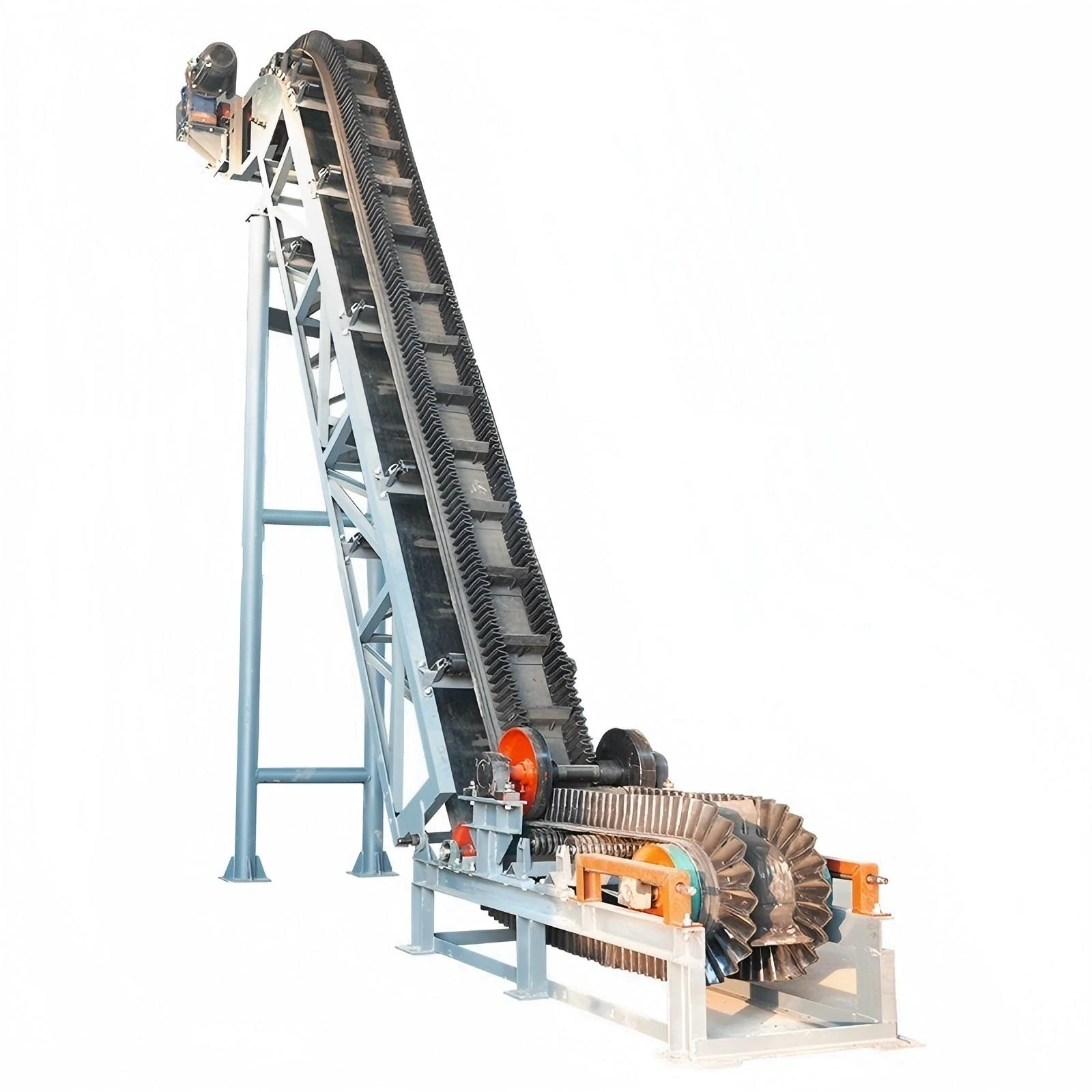
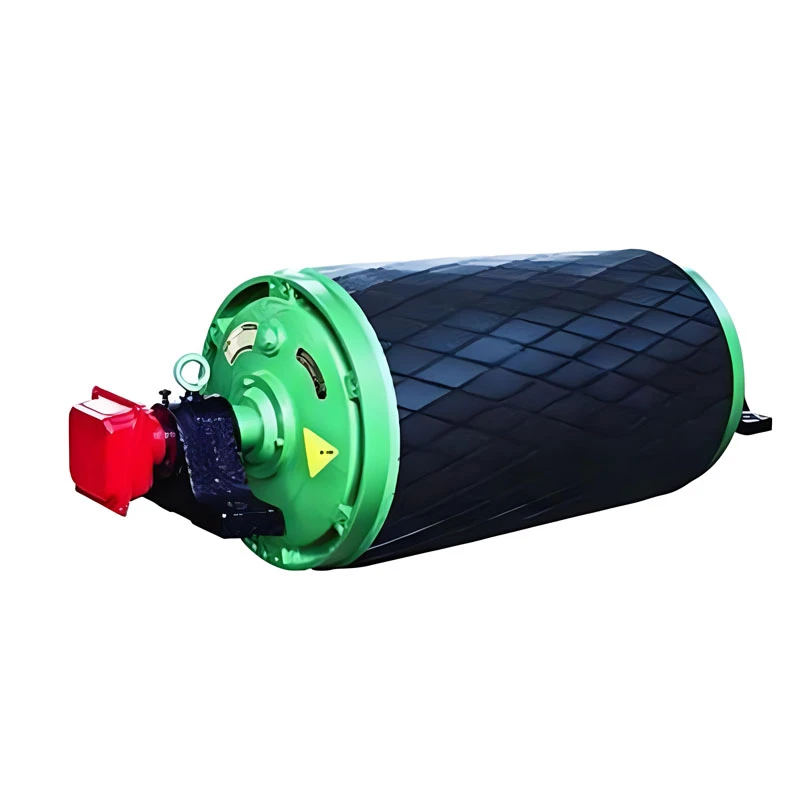
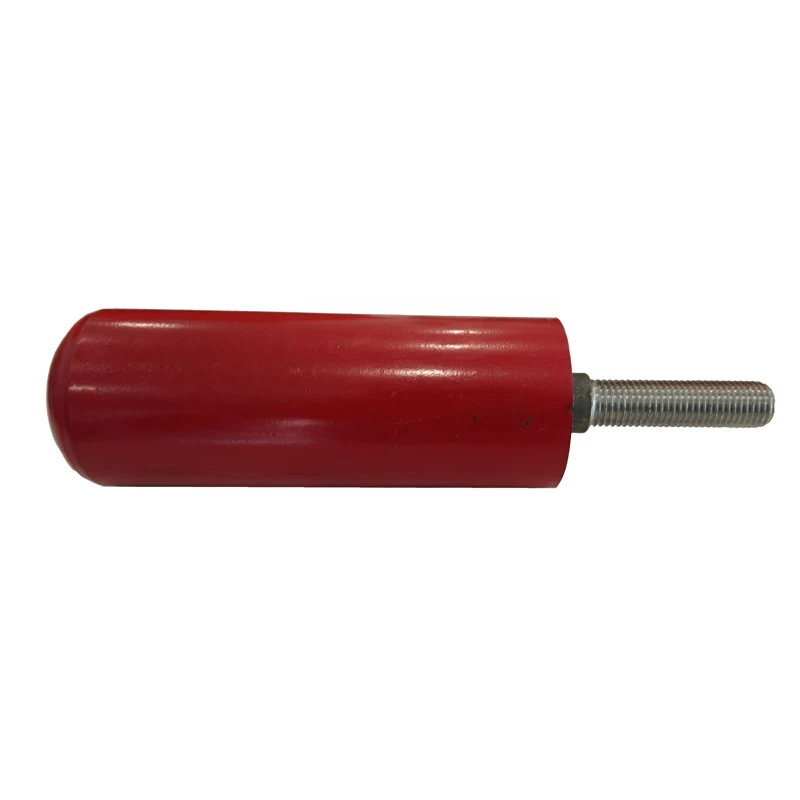
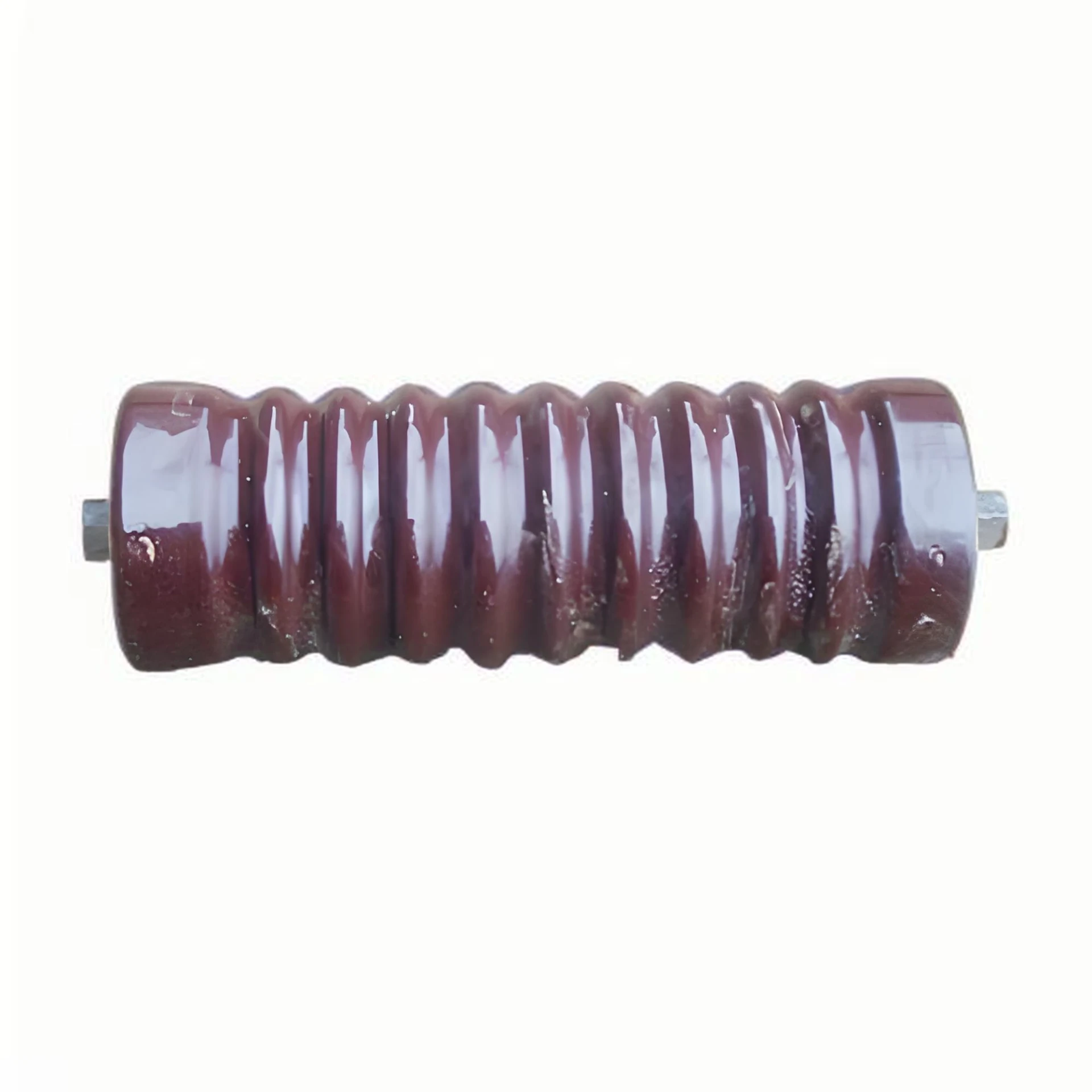
Material Handling Roller Conveyor: The Backbone of Efficient Logistics
Material handling roller conveyors might not be the flashiest part of the supply chain, but they’re absolutely indispensable in modern industry. They’re everywhere — in warehouses, factories, airports, and even humanitarian relief hubs. Oddly enough, despite their ubiquity, the humble roller conveyor often gets overlooked when we think about global logistics efficiency. Yet, understanding this system and its benefits can unlock smarter operations, safer workplaces, and a greener footprint — which matter now more than ever.
Global Context: Why Material Handling Roller Conveyors Matter on a Global Scale
Logistics and supply chain operations form the backbone of the global economy — responsible for moving more than $18 trillion worth of goods annually, according to UNCTAD. The International Organization for Standardization (ISO) highlights efficiency, safety, and sustainability as pillars for material handling systems worldwide. However, bottlenecks caused by inefficient transport inside facilities cost billions and increase safety risks. This is where roller conveyors shine: their ability to transfer materials seamlessly, reducing downtime, injury, and environmental impact at scale.
In sectors ranging from food processing in Europe to electronics assembly in Asia, roller conveyors optimize workflows. And in humanitarian contexts — such as post-disaster relief logistics in remote areas — they facilitate rapid movement of aid packages, preserving dignity and saving time. Frankly, these conveyors often help solve problems before they even arise.
Defining Material Handling Roller Conveyor
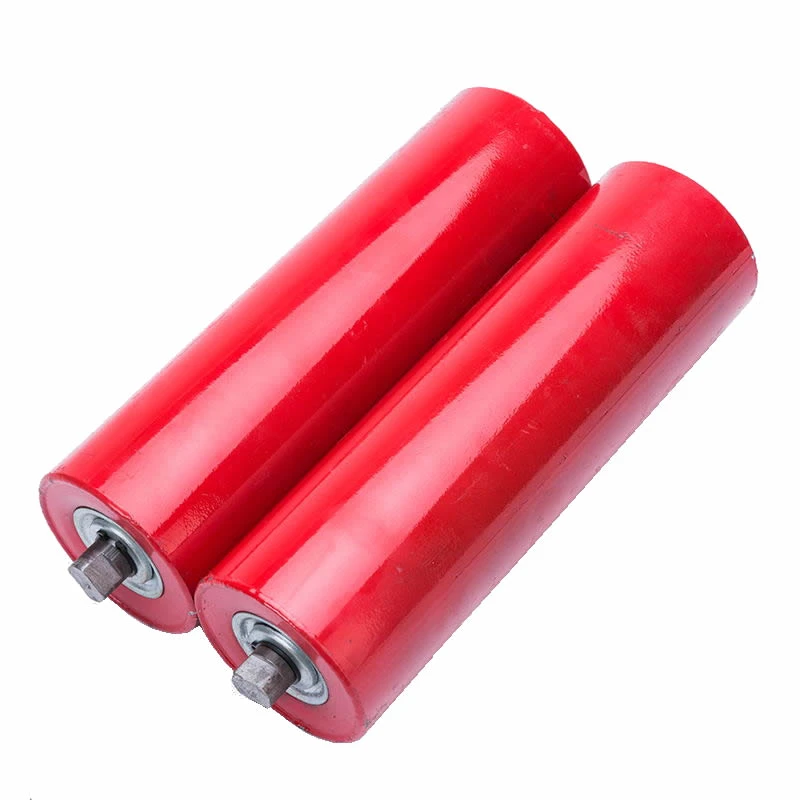
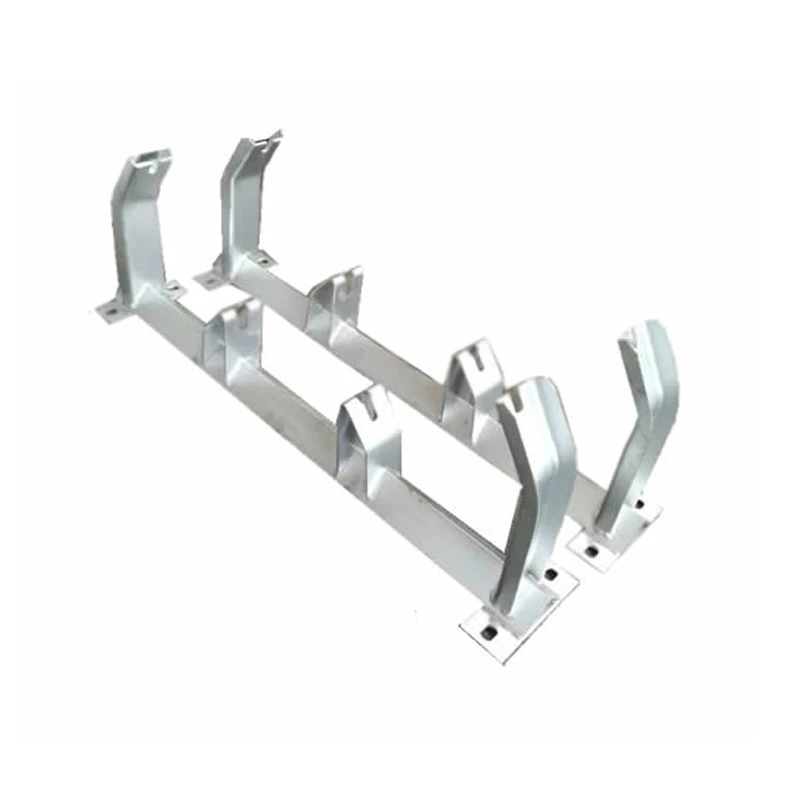
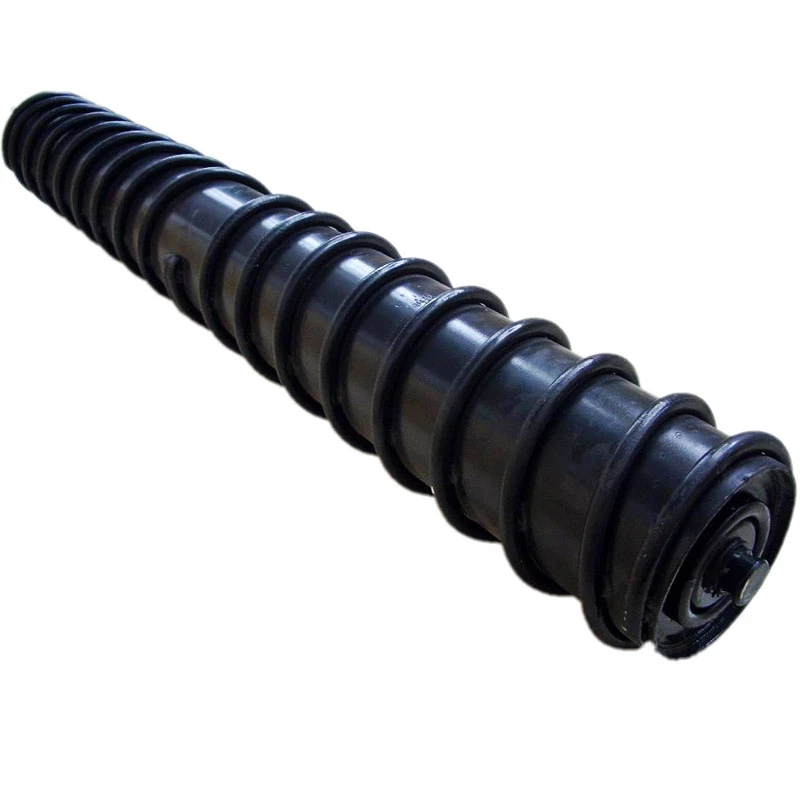
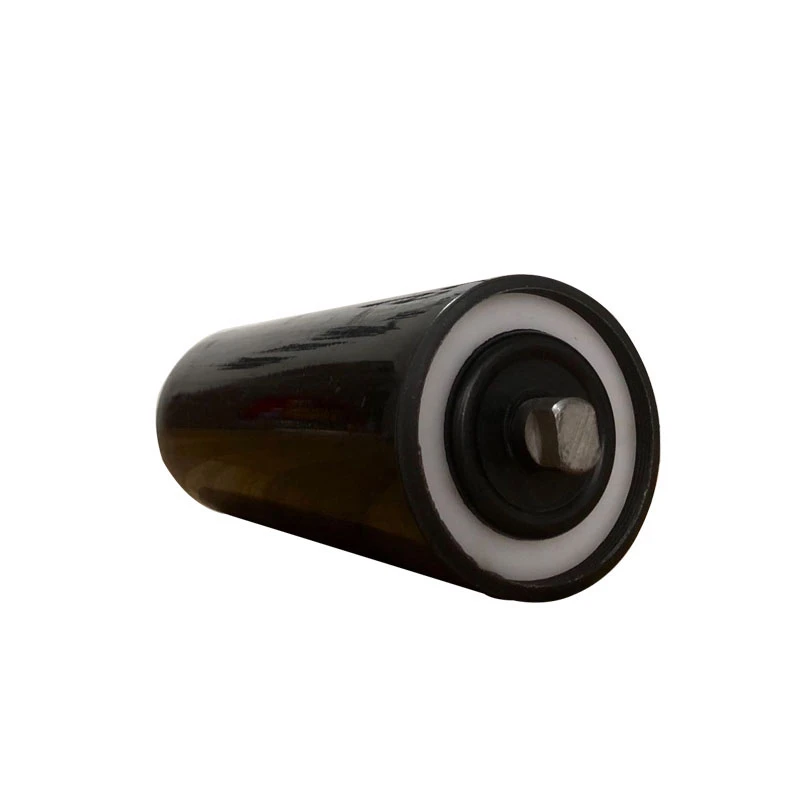
So, what exactly is a material handling roller conveyor? Simply put, it’s a mechanical system featuring a series of cylindrical rollers, aligned within a frame, to transport items of various sizes and weights from point A to B. Items roll forward either by gravity, manual push, or motor-driven rollers.
Unlike belt conveyors, rollers accommodate heavier loads and are easier to maintain. They’re a staple in warehouses and manufacturing lines — simplifying often tedious workflows. Beyond industry, they have an important humanitarian role, where rugged, low-maintenance equipment is essential.
Core Components and Key Features
1. Durability
Most roller conveyors are built using steel or aluminum rollers to withstand heavy, continual use. Durability means fewer repairs and longer lifespans — essential where downtime is costly.
2. Scalability
Modular design allows conveyors to be extended or reconfigured quickly. This adaptability makes them ideal for dynamic environments like warehouses adapting to seasonal demand fluctuations.
3. Cost Efficiency
Comparatively low installation and maintenance costs mean better ROI. The relatively simple mechanics limit expensive breakdowns, which also lowers operational costs.
4. Safety
Roller conveyors reduce manual lifting hazards and provide ergonomic workflows. Features like side guards and emergency stops add layers of safety to protect operators — a must in high-volume facilities.
5. Energy Options
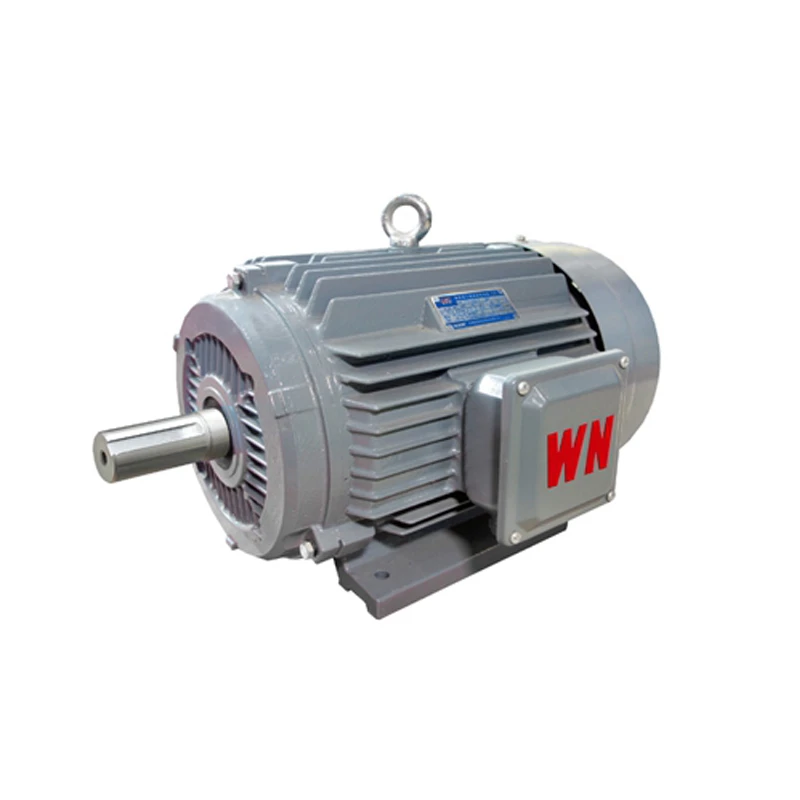
Some systems use passive gravity rollers; others integrate electric motorized rollers operated on-demand — balancing energy use with efficiency.
| Feature | Specification Range | Notes |
|---|---|---|
| Roller Diameter | 40mm - 75mm | Larger diameters handle heavier loads. |
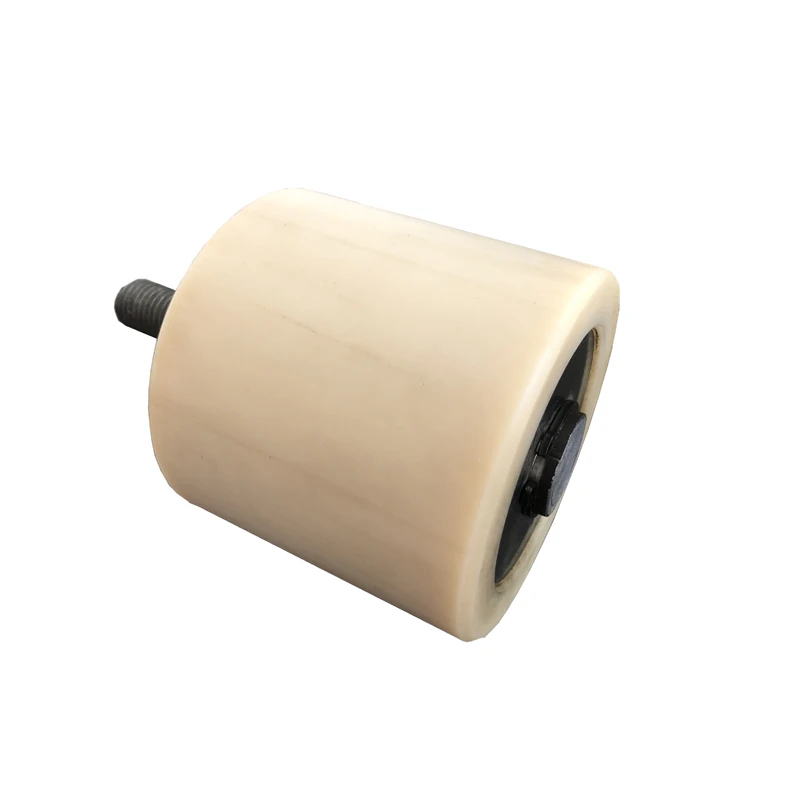
| Roller Material | Steel, Aluminum, Plastic | Material affects wear and weight capacity. |
| Conveyor Width | 300mm - 1500mm | Customizable based on item sizes. |
| Load Capacity | Up to 150kg per roller | Depends on roller type and spacing. |
| Drive Type | Gravity, Motorized | Energy consumption varies. |
Global Applications & Use Cases
In real terms, these conveyors pop up in literally thousands of places around the world. For example:
- North American distribution centers use motorized roller conveyors to speed up e-commerce fulfillment, meeting massive daily order volumes.
- European automotive plants rely on robust roller conveyors to transport heavy car parts between assembly stations.
- Warehouses in Asia integrate gravity roller conveyors in their modular systems to reduce power use.
- Humanitarian organizations set up temporary roller conveyors in disaster zones, expediting aid packages from trucks to storage.
For more on these applications, check out our material handling roller conveyor resources.
Vendor Comparison: Choosing the Right Roller Conveyor Supplier
| Vendor | Product Range | Customization | Price Range | Lead Time |
|---|---|---|---|---|
| HG Conveyor Belt | Full range, motorized & gravity | High, custom specs available | $$ | 4-6 weeks |
| Global Roller Systems | Standard modular kits | Medium | $ | 3-5 weeks |
| Industrial Conveyors Inc. | Heavy-duty options | Low | $$$ | 6-8 weeks |
Advantages & Long-Term Value
With a quality material handling roller conveyor system, companies see tangible wins:
- Cost Savings: Reduced manual labor hours and less frequent equipment repairs improve the bottom line.
- Sustainability: Durable materials and optional energy-efficient motorized rollers curb waste and power consumption.
- Worker Safety: Ergonomic design cuts injury risks, creating trust and dignity on the floor.
- Reliability: Streamlined product flows reduce delays and improve customer satisfaction.
It’s not simply about speed — it’s about creating a trusted system that serves people first and foremost. This human-centered approach is what makes roller conveyors a quiet hero in complex logistics.
Future Trends & Innovations
Looking ahead, the roller conveyor landscape is evolving swiftly:
- Smart Sensors & IoT Integration: Conveyors equipped with sensors to monitor wear and optimize maintenance schedules.
- Advanced Materials: Lightweight composites that preserve strength while reducing energy use.
- Green Energy Support: Solar-powered or energy recovery features are slowly entering the market.
- Automation & AI: Conveyor systems integrated with robotic picking and sorting to cut human error and speed throughput.
These innovations promise to enhance sustainability and operational efficiency in a constantly shifting global economy.
Challenges & Expert Solutions
But challenges remain — conveyors must handle varying load sizes, avoid jams, and fit diverse factory layouts. Engineers often wrestle with balancing cost and coverage, and retrofitting aging systems can be a headache.
Experts recommend modular designs for scalability and predictive maintenance techniques leveraging IoT data. Also, partnering with experienced vendors who offer customization is key. You know, it’s about anticipating problems, not just reacting.
FAQs About Material Handling Roller Conveyor
- Q: What’s the difference between gravity and motorized roller conveyors?
A: Gravity conveyors rely on the force of gravity to move items, meaning no power is required, which is energy-efficient but limited to decline layouts. Motorized conveyors use powered rollers, enabling flat or inclined transportation with consistent speed and control. - Q: How do I choose the right roller diameter?
A: Larger-diameter rollers are better for heavier loads and uneven surfaces; smaller rollers suit light, uniform items. Consider your product weight and shape carefully to minimize jams and wear. - Q: Are roller conveyors eco-friendly?
A: Yes, especially gravity conveyors which use no electricity. Many manufacturers also use recyclable materials and design for easy maintenance, extending service life and reducing waste. - Q: Can roller conveyors be customized for unusual shapes?
A: Absolutely. Many vendors, including HG Conveyor Belt, offer tailored designs that accommodate unique product dimensions, ensuring smooth handling. - Q: How quickly can a roller conveyor system be installed?
A: Depending on complexity, installation can range from a few days for simple conveyor lines to several weeks for large-scale setups. Modular designs speed the process significantly.
Conclusion
In summary, material handling roller conveyors may seem modest, yet they’re foundational to efficient, safe, and sustainable industrial operations worldwide. Their adaptability stretches across industries and geographies, making them a strategic asset for anyone involved in logistics or manufacturing.
If you want to learn more or explore solutions that fit your needs, visit our website — and discover how to move your operation forward with trusted, durable conveyor technology.
Sometimes, the simplest tools turn out to be the greatest enablers of progress – that's the quiet power of the material handling roller conveyor.