Apron Conveyor: A Veteran's Perspective
Having spent over a decade knee-deep in the industrial equipment sector, I can tell you the apron conveyor often gets overlooked in conversations about bulk material handling. But frankly, it's the unsung workhorse in many heavy-duty environments — from mining to heavy manufacturing. If you're here, chances are you're searching for reliable insight into these rugged conveyors. Well, pull up a chair.
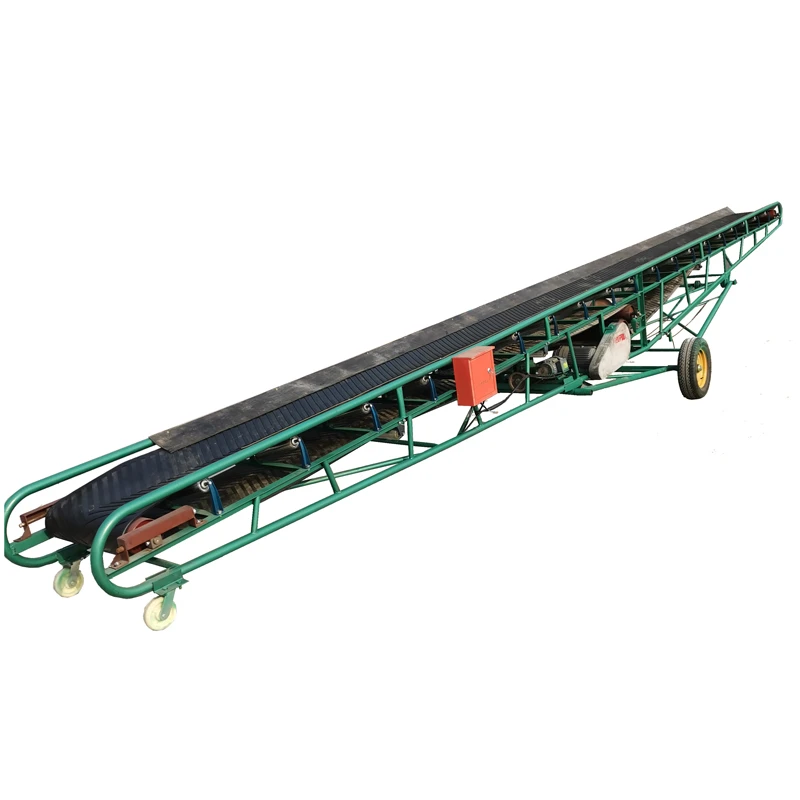
An apron conveyor isn’t your typical belt conveyor. Instead of a rubber belt, it uses overlapping steel plates—often called "aprons"—specially designed to carry heavy, sharp, fractious materials that would shred ordinary belts in no time. I’ve seen equipment managers rave about their durability, but also grumble about their bulkiness. It’s kind of a tradeoff.
One of the things I’ve admired over the years is how robustly these conveyors are built to withstand impact and rugged environments — think rock quarries or steel mills. They often come with reinforced side plates and heavy-gauge roller chains. Materials like high-tensile carbon steel or manganese steel are common, offering wear resistance and a good service life. Oddly enough, the heavier construction can complicate installation or maintenance, but tradespeople I’ve worked with usually have well-worn processes for this.
Before we dig deeper, here’s a quick glance at typical specifications of a medium-duty apron conveyor that I’ve often recommended:
| Specification | Details |
|---|---|
| Belt Width | 600 - 1200 mm |
| Chain Type | Double-strand Heavy Duty Roller Chain |
| Plate Material | Manganese Steel (≥12% Mn) |
| Working Load | Up to 50 tons/hour |
| Driving Mode | Motor with Gear Reducer |
| Speed | 0.3 - 0.6 m/s |
In my experience, the choice between vendors can be a bit like picking between heavy-duty boots: you want durability, but also comfort in how they 'fit' your operation. Here’s a rough vendor comparison for apron conveyors, based on some major players I’ve known and a handful of client feedback.
| Vendor | Build Quality | Customization | Lead Time | Price Point |
|---|---|---|---|---|
| HG Conveyor Belt | High – Quality steel & components | Excellent - Tailored plate sizes | 3-4 weeks | Competitive |
| Vendor B | Moderate | Limited options | 6 weeks | Lower |
| Vendor C | High | Good but pricier | 4 weeks | High |
Customization deserves a special mention. Over the years, I noticed many engineers and site managers request features like removable pans for easier maintenance or varying thicknesses of plates depending on what’s being transported. The apron conveyor system’s modularity is often a lifesaver, especially when downtime is costly and unforgiving.
One story I recall vividly: a steel mill in the Midwest replaced their old belt conveyors with apron conveyors specifically from HG Conveyor. The replacement cut their monthly maintenance downtime in half. It was a pricey upfront investment, but the long-term savings and improved efficiency paid off quite clearly. You know, these case studies are reminders that sometimes the initially heavy-duty choice turns out to be smarter business.
In real terms, if you deal with abrasive or irregular material sizes—like scrap metal, coal, or heavy stones—apron conveyors are difficult to beat. They can handle extreme conditions that would shred conventional belts very quickly. However, if your plant’s material flow is lighter or less aggressive, they might not be the most economical choice.
Ultimately, the key is understanding your material, environment, and maintenance capabilities. When you get that right, apron conveyors provide reliable, durable, and tailored solutions for tough material handling challenges.
For anyone looking deeper into this, let me just say: look for vendors with a strong track record on quality materials and after-sales support. And frankly, don’t underestimate the value of local engineers who’ve worked with your chosen system before—nothing beats experience when troubleshooting.
Is the apron conveyor a blunt tool? In some ways, yes. But its bluntness is exactly why it lasts so long and performs so dependably under stress. It really feels like one of those quietly tough players you want on your team.
In short, if you need industrial conveyors that endure and thrive in heavy-impact settings, you’ll want to explore apron conveyor options seriously. They might be exactly what your site needs to up its game.