Understanding Stainless Steel Gravity Rollers: Why They Matter Globally
In our quickly modernizing world, industrial efficiency and durability often come down to the quiet heroes hidden in plain sight — devices like stainless steel gravity rollers. These unassuming components play a critical role in supporting freight, manufacturing, warehousing, and myriad logistics operations globally. From the sprawling container ports in Rotterdam to the automated warehouses in Singapore, knowing the ins and outs of gravity rollers isn't just nice-to-have, but a surprisingly important piece of the economic puzzle.
Why does it matter? Because conveying systems that rely on stainless steel gravity rollers improve operational fluidity, reduce downtime, and contribute toward sustainability goals by lasting longer and resisting the harsh conditions that often plague industrial environments. As trade volumes and automation pressures rise — the World Bank reported a global trade increase of about 58% over the past decade — more industries lean on reliable conveying technologies. Understanding the role and features of stainless steel gravity rollers can help engineers, logistics managers, and even humanitarian operators streamline workflows and reduce maintenance headaches.
Introduction: The Global Context of Stainless Steel Gravity Rollers
Globally, conveyor systems underpin many sectors. According to the International Organization for Standardization (ISO 5048), standardized roller conveyors are essential in optimizing material handling efficiency. Stainless steel gravity rollers come into play wherever goods need smooth transition with minimal power use — gravity basically does the job.
Despite the simplicity, these rollers face serious demands: corrosive environments, heavy loads, and constant mechanical stress. For example, port facilities handling containerized goods in coastal climates contend with salt spray and humidity, accelerating failure risks of inferior components. Here, stainless steel gravity rollers provide an excellent solution — corrosion resistance, long life, and easy maintenance.
However, challenges remain. Many conveyors still suffer from premature wear or unexpected failures that cause costly halts. Understanding quality standards and product design trade-offs is critical.
What Exactly Are Stainless Steel Gravity Rollers?
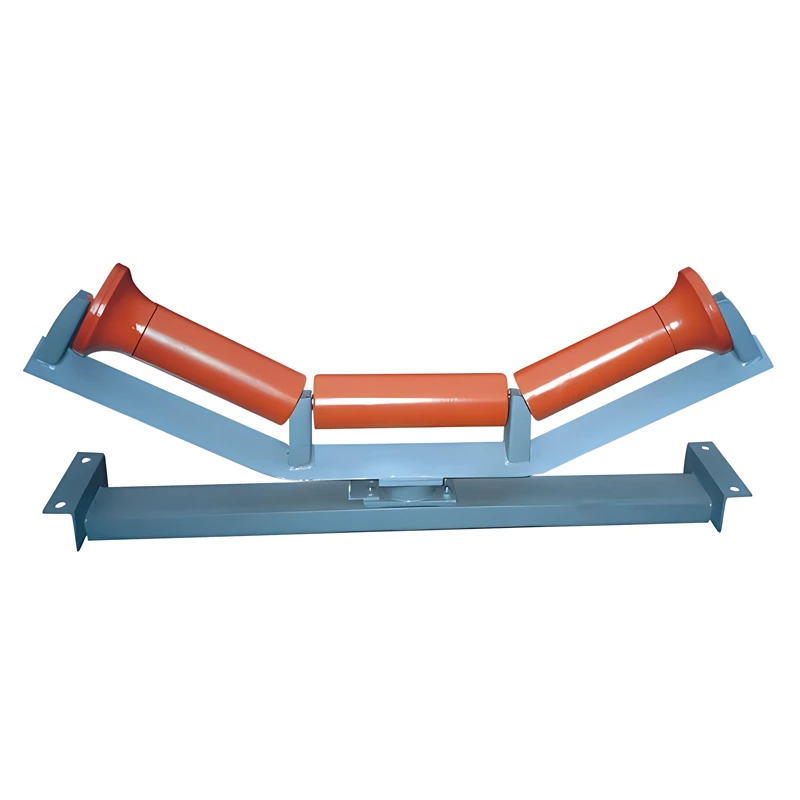
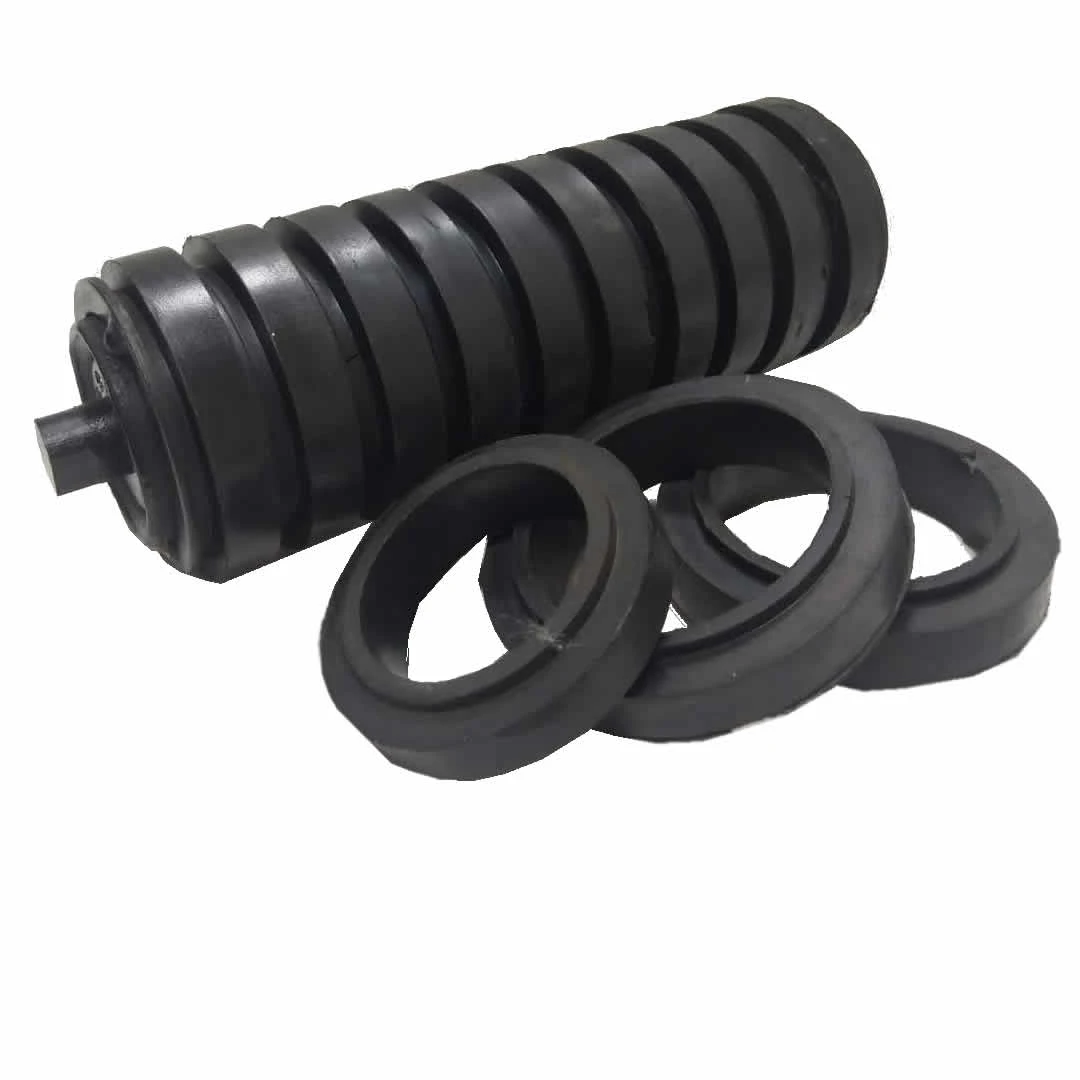
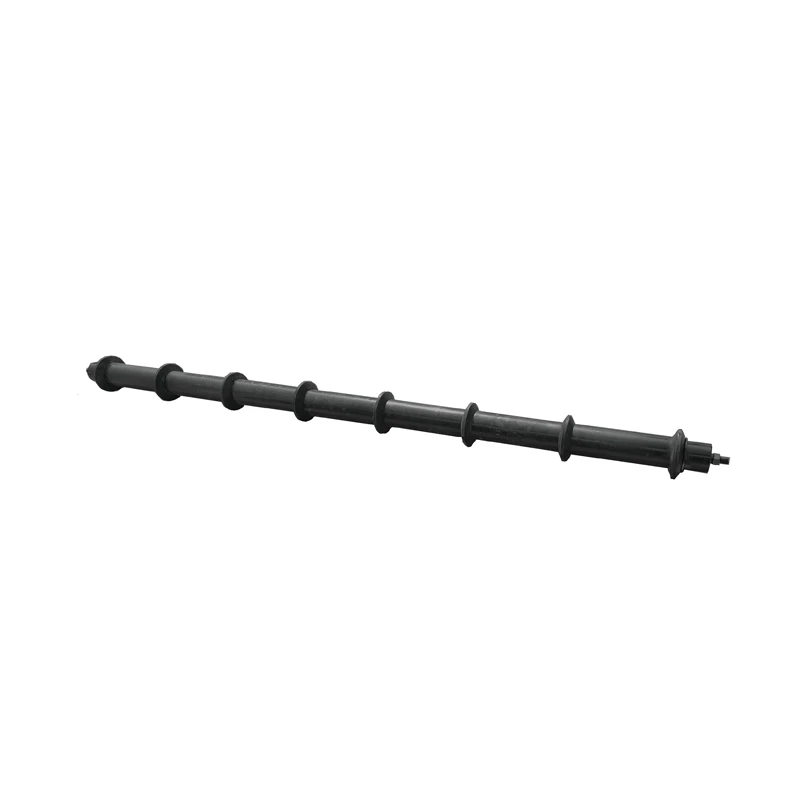
Simply put, stainless steel gravity rollers are cylindrical components mounted on conveyor frameworks that allow goods to roll along via gravity without external power. Crafted mainly from stainless steel, they resist rust and mechanical wear better than cheaper metals or plastics.
The “gravity” aspect refers to their operation — no motors or electricity required — making them energy-efficient and quieter than powered rollers. They're vital when moving pallets, boxes, or even irregularly shaped items through warehouses, airports, or sorting centers.
Beyond industry, these rollers can support humanitarian logistics — moving supplies in disaster relief zones quickly and reliably without depending on complex powered systems that might fail or be unsupported.
Core Aspects That Define High-Quality Stainless Steel Gravity Rollers
Durability & Corrosion Resistance
Stainless steel is famous for resisting rust — a must in damp or chemically harsh settings. This translates to longer service life and fewer replacements, which means less disruption.
Load Capacity & Strength
Different rollers cater to different weights. Many engineers suggest careful assessment since under-specified rollers wear down quickly or deform, damaging goods and machinery.
Precision & Smooth Rotation
Bearings inside rollers ensure smooth motion. Good bearings reduce resistance and noise, enhancing safety and speed.
Ease of Installation and Maintenance
Modular designs and corrosion-resistant finishes mean fewer stops for repair. Quick replacement options also reduce downtime.
Customization & Scalability
Conveyors need to fit unique spaces and loads. Many vendors offer variations in diameter, length, and roller spacing — it’s kind of like tailoring a suit.
Environmental Sustainability
Stainless steel rollers offer longevity and can be fully recycled, contributing to greener operations.
Mini takeaway: Stainless steel gravity rollers combine longevity, adaptability, and low maintenance to streamline operations in demanding environments.
Global Applications & Use Cases
Industries worldwide — from manufacturing plants in Germany to packaging centers in Brazil — deploy stainless steel gravity rollers in conveyor lines for smooth, energy-efficient material handling. Large distribution hubs like Amazon warehouses use them extensively to facilitate rapid sorting and transporting parcels.
Oddly enough, relief organizations in disaster-prone regions, such as those responding to typhoons in Southeast Asia, leverage gravity roller conveyors within temporary storage units to maximize the swift movement of aid supplies with minimal power needs.
Ports and food processing sectors with high corrosion risk often specify stainless steel rollers to withstand moisture and aggressive cleaning chemicals.
Typical Product Specification Table
| Specification | Details |
|---|---|
| Material | Stainless Steel 304 / 316 |
| Roller Diameter | 38mm - 89mm (custom sizes available) |
| Load Capacity | Up to 200 kg per roller |
| Bearing Type | Sealed ball bearings (maintenance-free) |
| Finish | Polished / brushed stainless steel |
| Standard Length | 1000 mm (customizable) |
Advantages & Long-Term Value of Stainless Steel Gravity Rollers
The upfront cost might be higher than alternatives — but over time, stainless steel gravity rollers pay for themselves. Reliability reduces emergency stoppages and repair budgets. Their corrosion resistance reduces product contamination risk, which is critical in food or pharmaceutical industries. They feel solid, trustworthy; many operators report greater confidence in conveyor systems outfitted with them.
On a personal note, it's reassuring knowing that your equipment is safe from sudden failures. Beyond numbers, it’s about protecting team safety and ensuring the dignity of supply chains that feed, clothe, and support people worldwide.
Vendor Comparison Table
| Feature | Vendor A | Vendor B | Vendor C |
|---|---|---|---|
| Stainless Steel Grade | 304 | 316 (marine grade) | 304 (with food-safe coating) |
| Load Capacity (Max) | 150 kg | 200 kg | 180 kg |
| Warranty Period | 2 years | 5 years | 3 years |
| Customization Options | Limited | Extensive | Moderate |
| Typical Lead Time | 4 weeks | 6-8 weeks | 3 weeks |
Emerging Trends & Innovations in Stainless Steel Gravity Rollers
It feels a bit ironic that such a simple component is seeing waves of innovation, but here we are. Advances include use of smart sensors embedded in rollers to monitor wear and load in real-time, supporting predictive maintenance models. Environmental concerns also push new coatings that further reduce friction and extend life cycles while improving recyclability.
The integration with green energy systems means conveyors can operate not only powered by gravity but designed to complement solar-powered logistics hubs — especially in remote or developing regions where infrastructure is sparse.
Challenges faced—and how the industry tackles them
Of course, stainless steel gravity rollers aren’t perfect. Their higher cost can be a barrier, especially in cost-sensitive markets. They also require precision manufacturing to ensure smooth operation — subpar production leads to failures.
Thankfully, advances in manufacturing automation and quality control, alongside modular replacement schemes, mitigate these issues gradually. Industry-standard certifications (ISO 9001, CE marking) help filter quality products from the chaff.
Frequently Asked Questions About Stainless Steel Gravity Rollers
- What are the advantages of stainless steel gravity rollers over plastic ones?
- Stainless steel rollers offer superior durability, corrosion resistance, and load capacity compared to plastic rollers. They’re better suited for harsh environments and heavy-duty applications, leading to longer equipment life and less downtime.
- Can stainless steel gravity rollers be customized for different conveyor widths?
- Absolutely. Most manufacturers offer a range of diameters, lengths, and bearing types to fit specific conveyor widths and load requirements, ensuring optimal performance.
- How do stainless steel gravity rollers contribute to sustainability?
- Their durability reduces waste and replacement frequency. Moreover, stainless steel is 100% recyclable, making it an environmentally friendly material choice in conveyor systems.
- Are stainless steel gravity rollers suitable for food industry applications?
- Yes, especially those made with food-grade stainless steel like 304 or 316 with smooth finishes meet hygienic standards and resist contamination.
Conclusion: Why Stainless Steel Gravity Rollers Are a Wise Investment
When you think long-term, investing in quality stainless steel gravity rollers pays dividends in reliability, safety, and sustainability. Whether you’re moving goods across a sprawling factory floor or responding to humanitarian logistics challenges, these rollers quietly keep the wheels turning, quite literally.
Curious to see how they can fit your application? Visit our website at https://www.hgconveyorbelt.com to explore our range of stainless steel gravity rollers, tailored solutions, and industry expertise.