Why Roller Stainless Is a Game-Changer in Industrial Conveyance
If you’ve ever peeked inside a massive warehouse, manufacturing plant, or even an airport’s baggage system, chances are you’ve seen roller stainless components quietly humming away. But why the fuss? Roller stainless parts—especially rollers made from stainless steel—aren’t just fancy metal tubes spinning around. They represent a fundamental shift in how industries move goods with efficiency, durability, and hygiene. On a global scale, their role extends beyond simple conveyance; they're enabling supply chains to be greener, safer, and more reliable in sectors from food processing to pharmaceuticals.
Understanding roller stainless isn’t just an engineering curiosity. It’s key to optimizing costs, improving sustainability, and solving real-world logistics challenges, especially as global trade booms and consumer expectations rise. Oddly enough, the right roller can be the difference between a smooth operation and constant downtime.
The Global Context of Roller Stainless in Industry Today
According to recent ISO studies, stainless steel conveyor components have seen a 20% growth in usage worldwide in the last five years, with Asia-Pacific and Europe leading the charge. The UN’s latest trade reports emphasize how just-in-time manufacturing and e-commerce have put enormous pressure on material handling systems to be reliable yet flexible.
The problem? Many traditional conveyor rollers couldn’t keep pace with increased throughput or harsh environments. Corrosion and wear often meant frequent replacements, delays, and high costs. Stainless steel rollers—thanks to their corrosion resistance and mechanical strength—address a lot of these pain points.
Plus, in industries like food and pharmaceuticals, regulatory bodies like the FDA and EU hygienic design standards make roller stainless critical to maintaining sanitary conditions. So it’s not just convenience, but compliance that’s driving adoption.
What Exactly Are Roller Stainless Components?
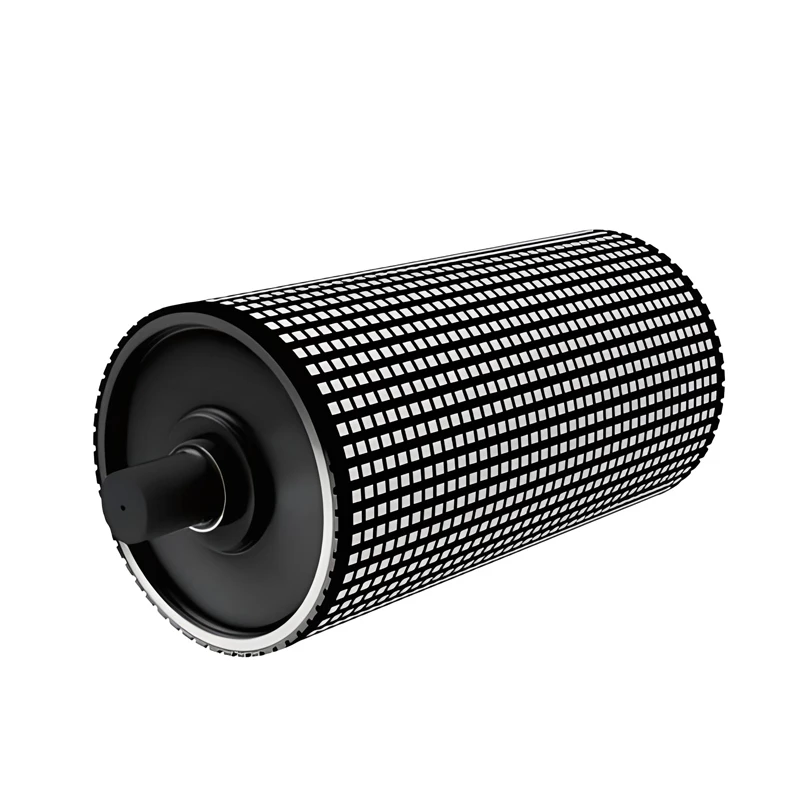
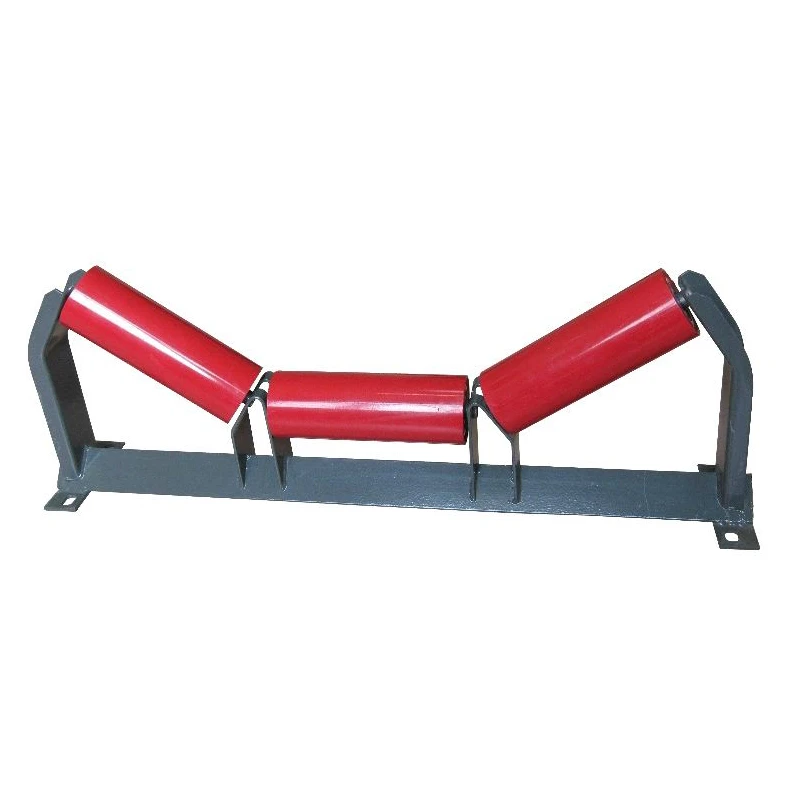
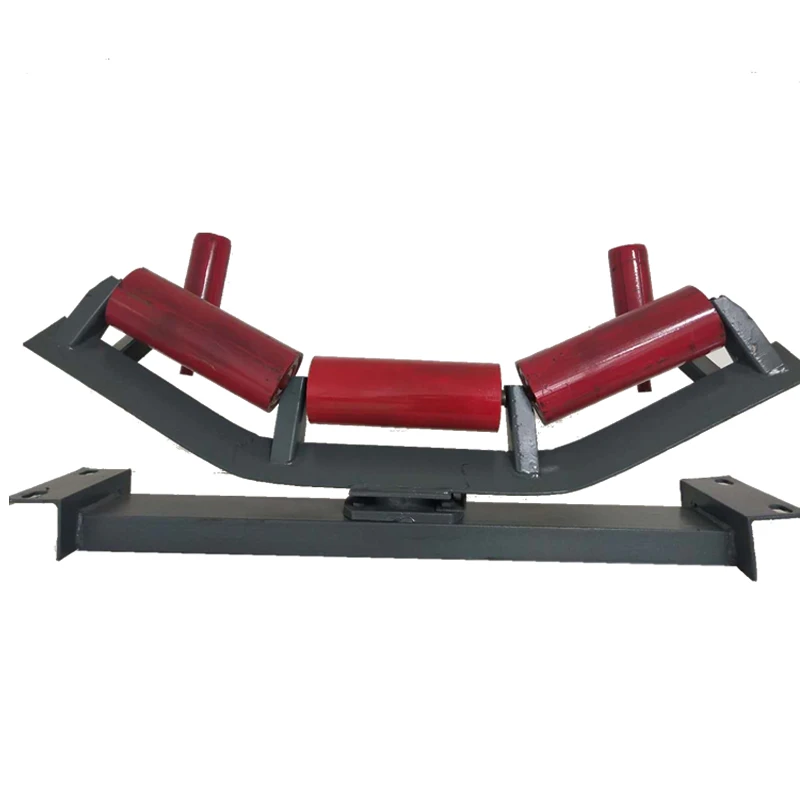
At its core, roller stainless refers to rollers fabricated primarily from stainless steel alloys, used in conveyor systems to support and move materials. These rollers typically consist of a cylindrical drum mounted on bearings with stainless steel casings and shafts. The "stainless" part denotes corrosion-resistant metals like 304 or 316 grades, which can endure harsh chemicals, moisture, or extreme temperatures without rusting.
In real terms, they’re the little things that keep conveyor belts rolling smoothly—whether shifting packages at an Amazon fulfillment center or moving fresh produce in a processing plant. They’re also crucial in humanitarian contexts, for example, facilitating automated sorting in warehouses distributing aid supplies safely and hygienically.
Key Factors Defining the Roller Stainless Advantage
Durability and Corrosion Resistance
One of the main draws of roller stainless is its exceptional resistance to corrosion, especially compared to carbon steel rollers. Whether you're in coastal factories or exposed to cleaning chemicals daily, these rollers stay rust-free and last years longer. It’s not just claims — many engineers share stories about how switching to stainless rollers cut maintenance time by half.
Hygienic Design
Food and pharma companies can’t compromise on cleanliness. Stainless rollers are easily sanitized, with smooth surfaces that prevent bacteria buildup. Plus, some designs adhere to strict hygienic standards defined by EU regulations and FDA guidelines.
Load Capacity and Scalability
Depending on diameter, wall thickness, and shaft strength, roller stainless can handle loads from lightweight parcels to heavy pallets. This scalability makes them perfect across sectors. Need a durable roller for a foundry or delicate ones for cleanroom manufacturing? Stainless rollers cover both.
Customization and Compatibility
Manufacturers offer various finishes (polished, brushed), coatings, and sealed bearings to tailor rollers to different environments and conveyor belt types. This customization helps industries optimize roller lifespan and performance.
Cost Efficiency Over Time
At first glance, stainless steel rollers might cost a bit more than alternatives. But in the long run, reduced downtime, lower replacement needs, and compliance advantages save money. It’s the classic "buy better once" strategy.
Global Applications & Real-World Scenarios
Where don’t you find roller stainless today? They’re crucial in:
- Food & Beverage Processing: Ensures hygiene while moving raw and packed goods in factories in Europe and North America.
- Pharmaceutical Manufacturing: Complying with stringent cleanliness in processing plants across Asia and the EU.
- Mining and Heavy Industry: Durable rollers moving gritty materials under tough conditions, especially in South America and Australia.
- Humanitarian Distribution Centers: Supporting rapid sorting systems for relief goods by NGOs worldwide.
- Airport Baggage Handling Systems: Stainless rollers help reduce corrosion from exposure and increase reliability in global hubs.
For instance, a leading humanitarian organization once switched to stainless rollers in their East African supply depot. The result? Faster, contamination-free sorting and distribution of medical supplies during drought response.
Product Specification Table: Typical Roller Stainless Conveyor Roller
| Specification | Value / Range |
|---|---|
| Material Grade | 304, 316 Stainless Steel |
| Diameter | 50 mm – 200 mm |
| Length | 200 mm – 1600 mm |
| Load Capacity | Up to 500 kg per roller |
| Bearing Type | Sealed ball or roller bearings |
| Surface Finish | Brushed, Polished, or Matte |
| Sealing | IP65 / IP67 options available |
Vendor Comparison: Leading Roller Stainless Manufacturers
| Vendor | Material Options | Customization | Global Reach | Typical Industries |
|---|---|---|---|---|
| ConveyPro Inc. | 304, 316 SS | High (custom sizes, finishes) | North America, Europe | Food, Pharma, Logistics |
| SteelRoll Solutions | 316L SS, Marine Grade | Medium (standard lines) | Asia-Pacific, Middle East | Heavy Industry, Mining |
| StainRoll Technologies | 304, 430 SS | Low (focus on volume) | Global | Airport, Packaging |
Advantages & Long-Term Value of Roller Stainless
Beyond specifications, the benefits of roller stainless ripple through an entire operation. Financially, fewer replacements and downtime save companies thousands or more annually. Environmentally, stainless steel’s recyclability plays nicely with green energy initiatives and corporate social responsibility goals. Socially, workers operate under safer conditions — no harmful rust or contaminants — which boosts morale.
And frankly, it inspires trust. When a factory runs smoothly, deadlines are met, and products arrive uncontaminated, confidence grows. It feels good to know your operation isn’t just efficient, but also responsible. These intangible benefits build brand loyalty over time.
Emerging Trends and Innovations in Roller Stainless
Now, here’s where things get exciting. The conveyor sector is embracing automation, predictive maintenance, and smart sensors embedded directly in roller assemblies. Soon, stainless rollers won’t just roll — they’ll communicate wear levels or operating speeds in real time.
Materials science is pushing harder stainless alloys and incorporating antibacterial coatings, driven by pandemic-era hygiene concerns. Meanwhile, sustainability efforts drive demand for rollers made from recycled stainless and manufacturing processes with less carbon footprint. All this aligns well with digital transformation sweeping logistics worldwide.
Common Challenges and How Experts Address Them
- Cost Barriers: Stainless steel rollers can have higher upfront costs. Solution? Lifecycle cost analysis often reveals lower total cost thanks to longevity.
- Weight Concerns: Stainless steel can be heavier than alternatives, impacting conveyor design. Emerging hollow shafts and lighter alloys mitigate this.
- Customization Lead Times: Tailoring rollers takes time. Vendors are shortening lead times by modular designs and flexible manufacturing.
- Compatibility: Ensuring seamless integration with existing conveyor belts can be tricky; careful measurement and standards adherence solve this.
Like any technology, roller stainless has trade-offs, but proactive engineering and vendor collaboration make the difference.
FAQ: Your Questions About Roller Stainless Answered
Q1: What industries benefit most from roller stainless?
A1: Industries prioritizing corrosion resistance and hygiene like food processing, pharmaceuticals, and logistics benefit greatly. Heavy industries also use them where durability matters.
Q2: How long do stainless steel rollers typically last?
A2: Depending on usage and environment, stainless rollers can last 5-15 years or more, often significantly outlasting carbon steel rollers.
Q3: Are stainless rollers more expensive than alternatives?
A3: Initial costs are higher, but reduced maintenance, downtime, and compliance savings usually offset this over time.
Q4: Can roller stainless components be customized for my specific conveyor?
A4: Nearly all reputable manufacturers offer customization in dimensions, bearings, finish, and sealing to fit diverse conveyor systems.
Q5: How can I source roller stainless parts internationally?
A5: Many vendors provide global shipping and support. Working with experienced suppliers and understanding import regulations will smooth the process. Also, consider local distributors tied to international brands.
Conclusion: The Last Word on Roller Stainless
Roller stainless components may seem like small players in complex logistics and industrial ecosystems — but they pack serious punch. Their combination of durability, hygiene, and cost efficiency uniquely positions them to tackle modern supply chain challenges worldwide. Whether moving fresh food, heavy equipment, or lifesaving aid, rollers made from stainless steel quietly assure things keep rolling smoothly, safely, and sustainably.
Ready to explore how roller stainless solutions could power up your operations? Visit our website for expert advice, custom products, and more.
Because sometimes, it’s the small parts that make the biggest difference.