Stainless Steel Rollers for Conveyors: Why They Matter Globally
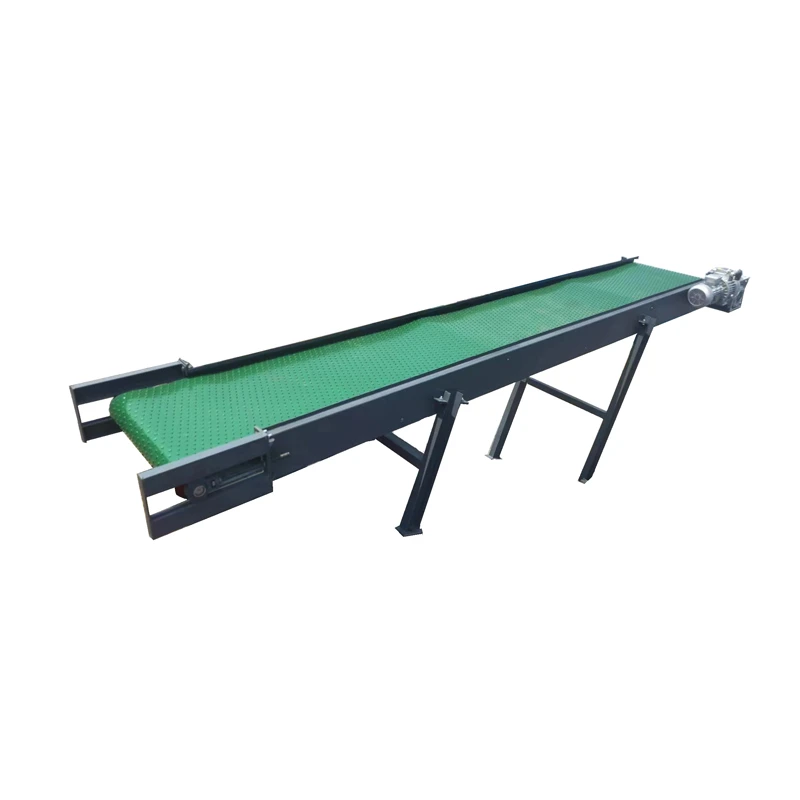
When you think about modern manufacturing, logistics, or even disaster relief operations, conveyors quietly play a pivotal role in moving goods and materials efficiently. At the heart of many conveyor systems are stainless steel rollers for conveyors, components that might sound mundane but actually have a huge impact on productivity, sustainability, and safety worldwide.
Why this global concern? According to the International Organization for Standardization (ISO), conveyor systems account for roughly 20% of industrial material handling globally. And with increasing globalization, supply chains have become more complex — putting more pressure on the reliability of conveyor components like rollers. Durable stainless steel rollers are integral to reducing downtime, corrosion, and contamination — especially in highly regulated industries such as pharmaceuticals and food processing.
Simply put, understanding these rollers isn’t just technical trivia; it’s about industrial resilience, environmental compliance, and even humanitarian logistics, whether you're in China’s booming manufacturing zones or facilitating relief in flood-affected regions of Europe. That’s why a deeper look at these rollers seems both timely and necessary.
Understanding Stainless Steel Rollers for Conveyors
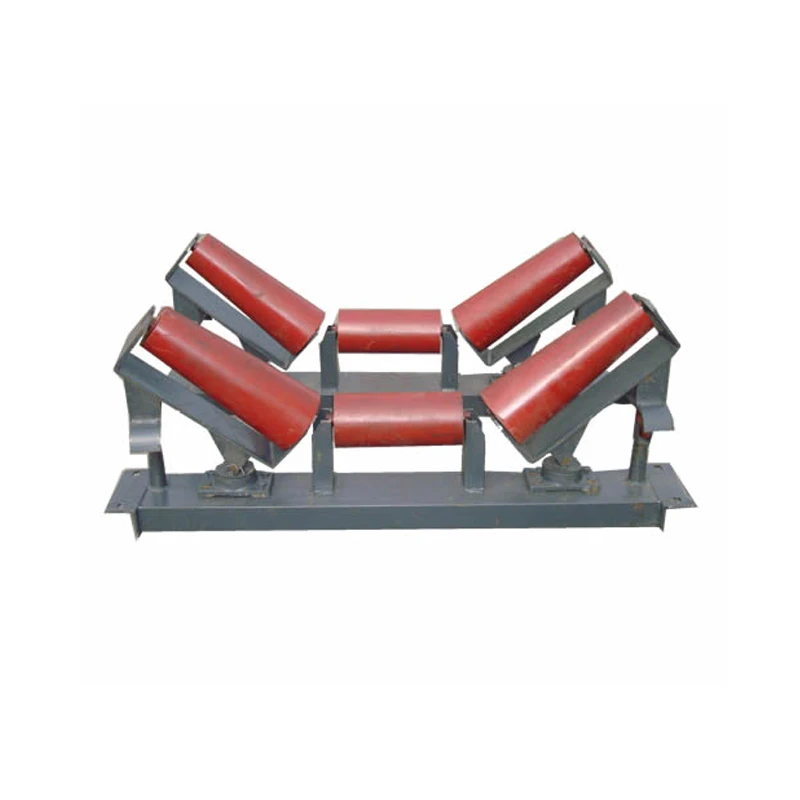
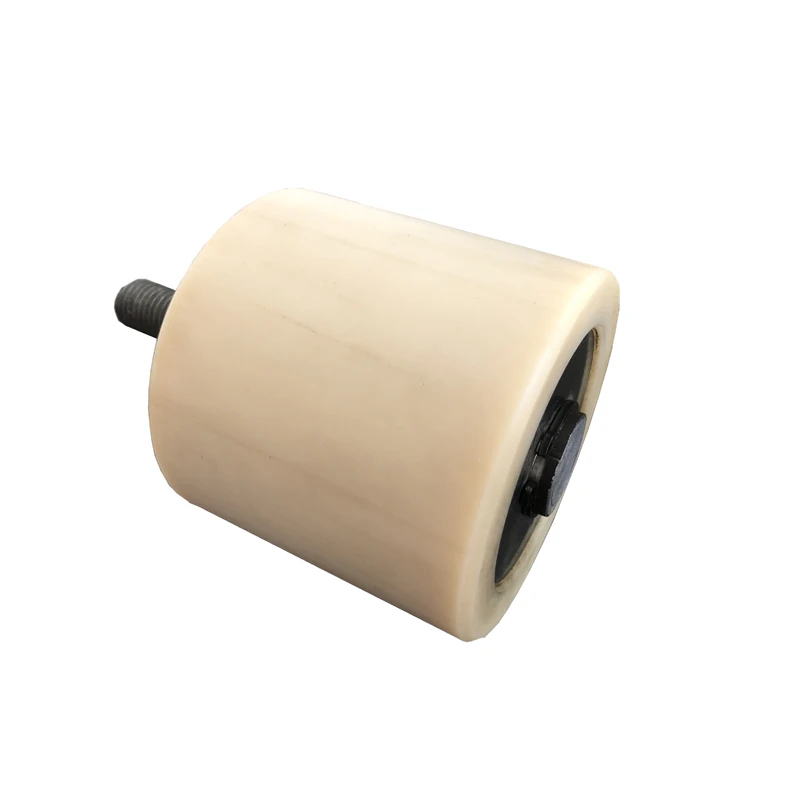
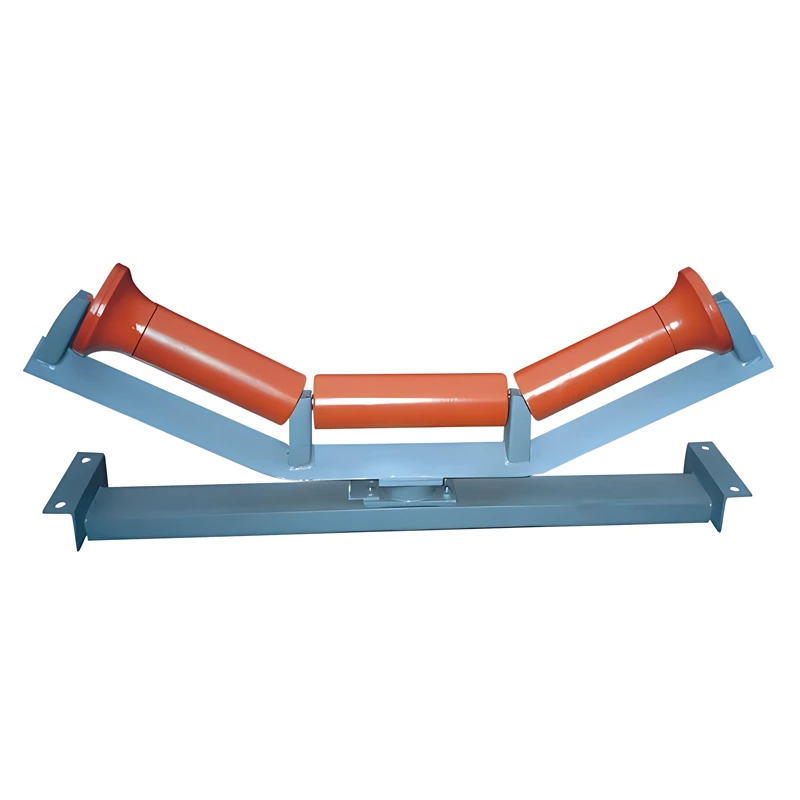
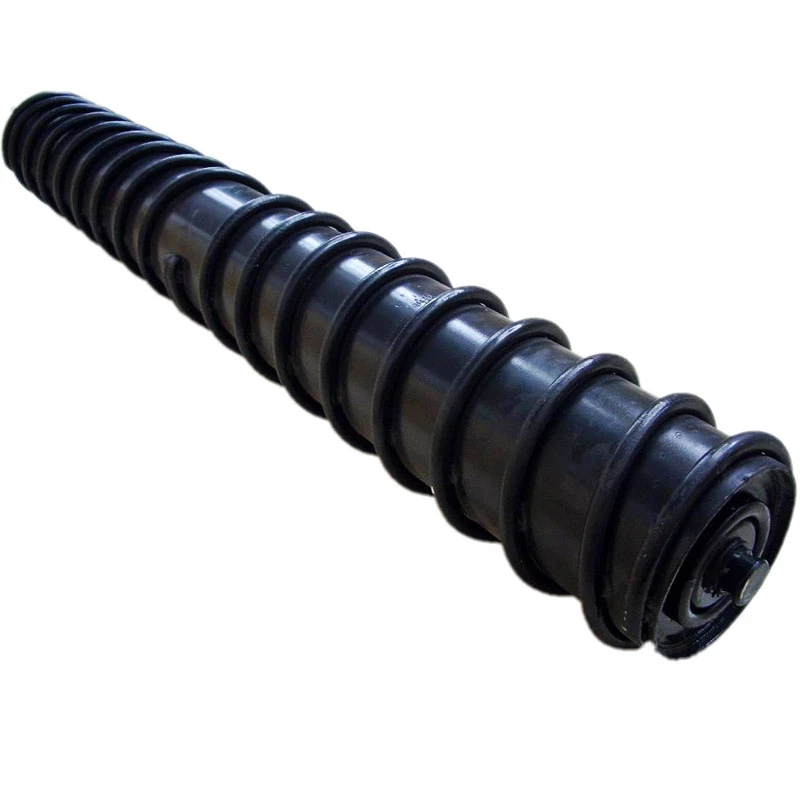
In straightforward terms, stainless steel rollers for conveyors are cylindrical components made primarily from stainless steel alloys that rotate on an axis, facilitating the smooth movement of goods along a conveyor belt. These rollers act like wheels but are specially designed to resist rust, withstand heavy loads, and endure harsh environmental conditions.
Why stainless steel? Well, unlike painted or galvanized rollers, stainless steel offers superior resistance to corrosion — critical for wet or chemical-intensive environments. Plus, it assures sanitary conditions vital in food and pharmaceutical processing where any form of contamination can have catastrophic consequences. So, these rollers aren’t just mechanical parts; they’re enablers of modern industrial standards and humanitarian supply chains alike.
Core Components and Essential Factors to Consider
1. Durability and Corrosion Resistance
Stainless steel rollers are prized for their long lifespan, thanks to their resistance to rust and chemical degradation. This makes them ideal for outdoor use or exposed environments — like coastal factories or food processing plants where moisture is constant.
2. Load Capacity
Depending on the conveyor’s role, rollers must accommodate heavy weights without warping. Engineers often choose from stainless steel grades such as 304 or 316 to match load requirements, with 316 preferred in more corrosive conditions.
3. Precision and Smooth Rotation
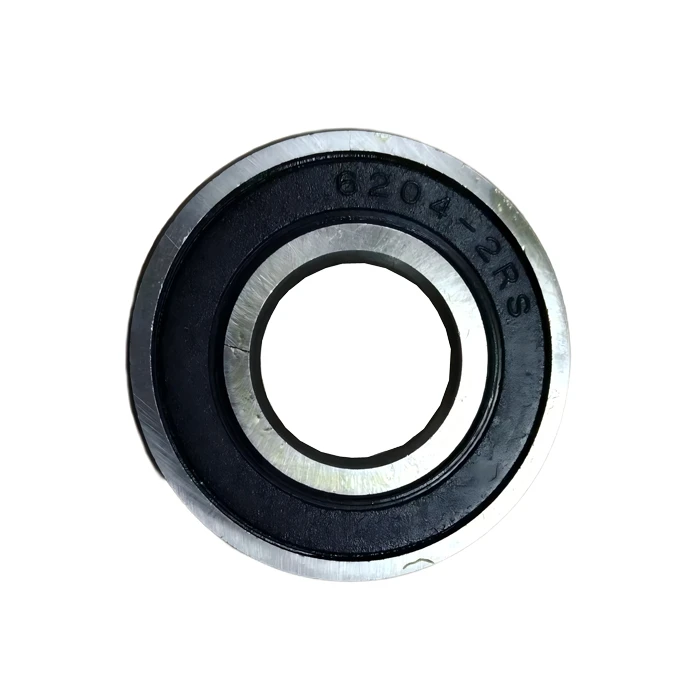
High-quality bearings embedded within rollers guarantee smooth motion, minimizing friction and energy consumption. This directly correlates with increased conveyor efficiency and reduced maintenance.
4. Sanitation Standards
In sectors like pharmaceuticals, rollers have to comply with hygienic design guidelines, meaning smooth welds, seamless surfaces, and easy cleaning. Stainless steel’s non-porous nature supports these standards.
5. Cost Efficiency Over Time
While stainless steel rollers might have higher upfront costs, their durability and minimal maintenance usually yield lower total costs during conveyor life cycles.
Typical Product Specifications
| Specification | Detail |
|---|---|
| Material | 304 or 316 Stainless Steel |
| Diameter Range | 25 mm to 150 mm |
| Length Range | 100 mm to 1200 mm (customizable) |
| Bearing Type | Sealed Ball Bearings |
| Load Capacity | Up to 600 kg per roller |
| Surface Finish | Polished / Brushed |
Where Are Stainless Steel Rollers Used Around the World?
It’s fascinating how these rollers appear in diverse industries and geographies:
- Food and Beverage: Europe and North America have stringent hygiene rules — stainless steel rollers enable conveyors that meet these sanitation standards.
- Mining & Heavy Industry: Australia’s mining operations rely on rugged stainless steel rollers to resist dust and wear.
- Pharmaceutical Manufacturing: Asia’s pharmaceutical hubs use stainless rollers to avoid contamination during production.
- Disaster Relief Logistics: Nonprofits in flood-prone areas of South America use conveyor systems equipped with stainless rollers for quick unloading of supplies, thanks to their durability.
Oddly enough, in remote areas where replacement parts are hard to come by, the durability of stainless steel rollers means less downtime and less worry. Many engineers I’ve talked to say it’s a sort of quiet reassurance in tough environments.
Benefits: Why Invest in Stainless Steel Rollers?
Considering tangible benefits:
- Longevity: Resistant to corrosion and wear, they outlast cheaper alternatives by years.
- Cost-effectiveness: Less frequent replacements and maintenance keep expenses down.
- Compliance: Meet strict hygiene and safety regulations.
- Sustainability: Stainless steel is recyclable, supporting circular economy goals.
- Peace of mind: Safety and reliability translate to fewer accidents and equipment failures.
Beyond logic, there’s an emotional facet too — for operators on factory floors, having equipment they trust means less stress and more confidence. Innovations in roller coatings or bearings also inspire hope for even better performance ahead.
Emerging Trends and Innovations
Looking forward, stainless steel rollers for conveyors aren't staying still:
- Smart Rollers: Embedded sensors for predictive maintenance are appearing, reducing unexpected downtime.
- Eco-friendly Manufacturing: New stainless steel alloys promise lower energy production footprints.
- Automation Integration: Rollers designed to work seamlessly with AI-driven conveyor systems, improving efficiency.
- Modular Designs: Quicker installation and interchangeability for agile manufacturing environments.
It feels like the conveyor roller world is quietly embracing Industry 4.0—no flashy headlines, but steady progress.
Typical Challenges and How to Overcome Them
Despite their strengths, stainless steel rollers aren’t perfect:
- Initial Cost: Stainless steel is pricier initially than mild steel or plastic rollers.
- Weight Considerations: They’re heavier, which sometimes requires sturdier conveyor frames.
- Wear on Bearings: Bearings still need protection against contamination.
Solutions? Custom alloy selection can balance cost and durability. Engineers often specify sealed bearings or protective housings, and lifecycle cost analyses prove that upfront spend pays off long term.
Vendor Comparison: A Quick Look
| Vendor | Material Grade | Customization | Typical Lead Time | Warranty |
|---|---|---|---|---|
| HG Conveyor Solutions | 304 & 316 ASTM certified | Full custom sizes & finishes | 4-6 weeks | 3 years |
| SteelRoll Systems | 304 only | Standard sizes only | 2-3 weeks | 2 years |
| Global Roller Inc. | 316 specialized | Custom & modular designs | 6-8 weeks | 5 years |
FAQs About Stainless Steel Rollers for Conveyors
1. How long do stainless steel rollers typically last in industrial use?
With proper maintenance and under normal operating conditions, stainless steel rollers can last 10–15 years or more. Their resistance to corrosion and wear significantly extends their lifespan compared to cheaper alternatives.
2. Are stainless steel rollers suitable for food processing industries?
Absolutely. Stainless steel’s non-porous surface and corrosion resistance make it ideal for hygiene-sensitive environments like food and beverage production, conforming to strict sanitary standards.
3. Can stainless steel rollers be customized for unusual conveyor designs?
Yes, most reputable vendors offer custom sizes, finishes, and bearing types to match unique conveyor needs, whether small-scale packaging lines or heavy-duty mining operations.
4. What maintenance do stainless steel rollers require?
Routine cleaning to prevent debris buildup and inspection of sealed bearings is usually sufficient. Compared to other materials, they require less frequent maintenance, saving time and costs.
5. How does the cost of stainless steel rollers compare to other materials?
While the upfront cost is higher than plastic or galvanized steel rollers, the total cost of ownership tends to be lower due to enhanced durability, lower downtime, and compliance benefits.
Conclusion: Moving Forward with Stainless Steel Rollers
Stainless steel rollers for conveyors might not be glamorous, but they’re undeniably vital in keeping industries efficient, safe, and sustainable worldwide. Investing in quality rollers means embracing durability, hygiene, and innovation — qualities that pay dividends in both everyday operations and extraordinary situations. For a closer look at premium stainless steel rollers tailored for your conveyor needs, visit HG Conveyor Belt Solutions. Your conveyor systems—and your bottom line—will likely thank you.
As someone who’s spent time in industrial yards and has seen conveyor lines saved by solid rollers, I can tell you: it’s the quiet things that keep the big world turning.
References: