Understanding Stainless Steel Roller: Why It Matters in Today’s Industry
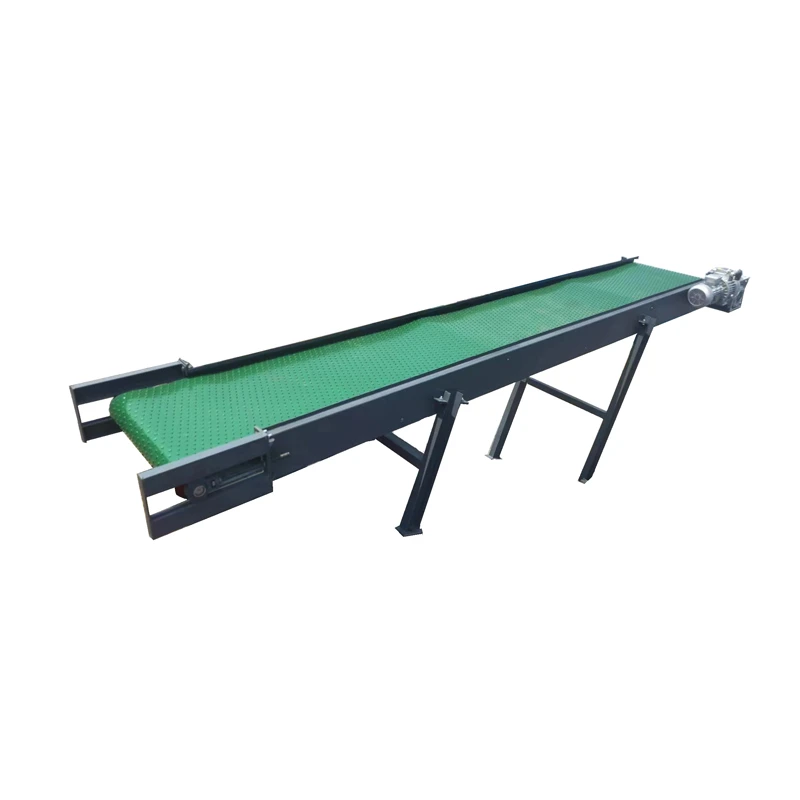
In a world that constantly demands efficiency and resilience, stainless steel rollers stand as unsung heroes behind many industrial processes. Whether you’re into manufacturing, food processing, or logistics, these components quietly power the backbone of conveyor systems and machinery you’d rarely see but definitely rely on. The global drive towards durability, hygiene, and sustainability makes stainless steel rollers increasingly significant. They embody a blend of corrosion resistance, mechanical strength, and adaptability that addresses real-world challenges — from harsh factory floors to delicate packaging lines.
But why should you care? Because understanding these rollers lets you make smarter choices about equipment longevity and operational uptime. In many ways, mastering the ins and outs of stainless steel rollers gives industries a literal and figurative edge.
The Global Context: Stainless Steel Rollers and the Bigger Industrial Picture
Globally, the industrial conveyor market is growing at a steady clip, projected to exceed USD 8 billion by 2027 according to recent research. Behind this growth is an increasing reliance on robust conveyor components that can withstand corrosive environments, temperature swings, and heavy use.
Stainless steel rollers fit right into this narrative, especially in food processing arenas (where hygiene is non-negotiable), pharmaceutical plants, and even mining or pharmaceutical sectors. The ISO 9001 quality management standards keep pushing manufacturers to upgrade to components like these for reliability.
Oddly enough, many challenges revolve around maintaining clean, corrosion-free operations. Rust or degradation in rollers can cause delays, product contamination, or worse — safety issues. So investing in stainless steel rollers isn’t just about parts; it’s about upstream risk management and sustainability.
Mini Takeaway
- Industry growth fuels a need for stronger, cleaner conveyor components.
- Stainless steel rollers address core challenges: corrosion resistance and hygiene.
- Global quality standards nudge the market towards high-performance rollers.
What Exactly Is a Stainless Steel Roller?
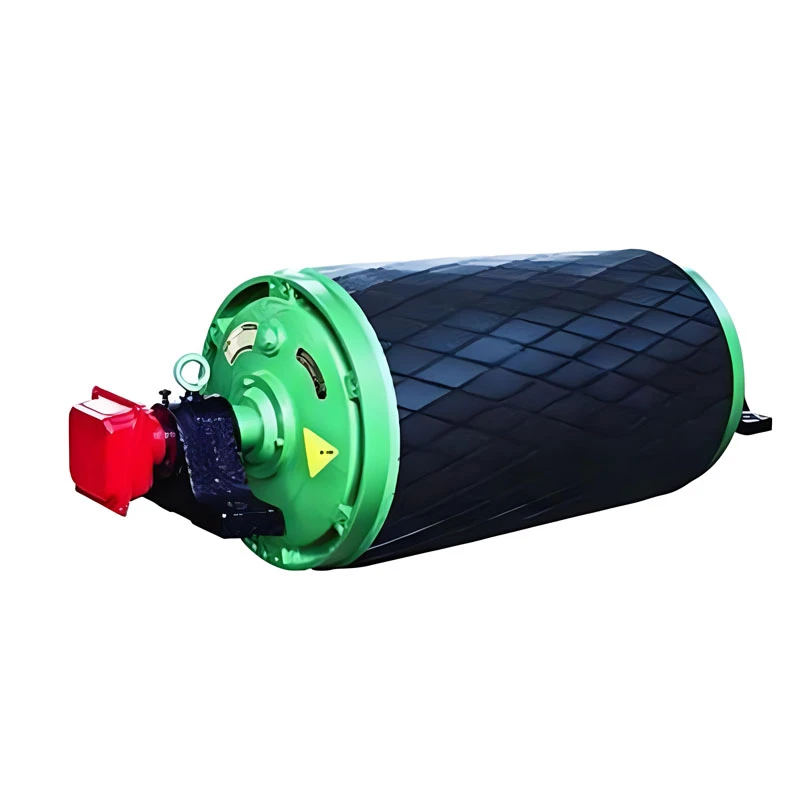
Simply put, a stainless steel roller is a cylindrical component made primarily from stainless steel alloys designed to rotate and support materials moving along conveyor belts or processing machinery. Unlike traditional rollers made from mild steel or PVC, stainless steel rollers excel where durability and resistance to rust are priorities.
From a humanitarian perspective, stainless steel rollers play a vital role in ensuring equipment longevity in disaster relief logistics or mobile medical facilities — places where reliability can translate directly into lives saved.
Key Factors Behind Stainless Steel Rollers' Effectiveness
Corrosion Resistance
Stainless steel's defining trait is its resilience to rust and chemical damage. This is essential in environments exposed to moisture (think seafood processing or pharma clean rooms).
Mechanical Strength
High tensile strength means these rollers carry heavy loads without bending, cracking, or losing alignment—key for continuous operation.
Hygiene and Cleanability
Non-porous and easy to sanitize surfaces make stainless steel rollers a top pick for food and medical industries, preventing contamination.
Customization and Scalability
These rollers can be precisely engineered for a wide range of diameters, lengths, and surface finishes, suiting everything from tiny packaging belts to large industrial conveyors.
Longevity and Maintenance
Despite a higher upfront cost, their low maintenance requirements and long lifespan mean better total cost of ownership.
Mini Takeaway
- Stainless steel rollers are corrosion-resistant and strong.
- They meet strict hygiene needs and support heavy loads.
- Customizable specs make them versatile across industries.
Real-World Applications of Stainless Steel Rollers
Stainless steel rollers are everywhere once you stop to look. In Europe’s advanced food processing plants, they keep conveyor belts sanitized and fail-safe. In Asia’s electronics assembly lines, they handle delicate substrates without contaminating them. You’ll even find them in Middle Eastern mining operations where dust and abrasive materials threaten machinery lifespan.
NGOs operating mobile field hospitals and disaster relief centers have adapted stainless steel roller-equipped logistics for safely transporting medical supplies through rugged terrains. The USA’s pharmaceutical manufacturers rely on these rollers for maintaining sterile conditions.
Specification Table: Typical Stainless Steel Roller Features
| Feature | Specification | Notes |
|---|---|---|
| Material | 304 or 316 Stainless Steel | 316 preferred for harsh chemicals and marine |
| Diameter | 25–150 mm (typical) | Custom sizing available |
| Length | 50–1500 mm | Depends on conveyor width |
| Surface Finish | Polished, matt, or brushed | Polished for hygiene-sensitive lines |
| Bearings | Sealed ball or roller bearings | Sealed for dust and moisture resistance |
| Load Capacity | Up to 1000 kg per roller | Varies with diameter and bearing |
Comparing Top Stainless Steel Roller Vendors
| Vendor | Material Grades | Customization | Typical Lead Time | Price Range |
|---|---|---|---|---|
| HG Conveyors | 304/316 | High (diameter, finish, bearing type) | 2–4 weeks | Mid-range |
| GlobalRoller Inc. | 304, 316L | Moderate | 3–6 weeks | High-end |
| RS Industrial Parts | 304 only | Low | 1–2 weeks | Budget |
The Advantages and Long-Term Value of Stainless Steel Rollers
Anyone who’s managed industrial equipment knows that downtime is like money slipping through your fingers. Stainless steel rollers cut downtime by resisting corrosion and wear, reducing the frequency of replacements. This translates directly into cost savings over years.
But there’s more than just economics. Stainless steel’s hygienic qualities support safer food and pharma products, evoking trust and protecting public health. I sometimes think of these rollers as the "invisible guardians" in factories, doing their part to keep things moving smoothly and safely.
Environmentally, the recyclability of stainless steel and its long lifespan mean less waste—again reinforcing sustainability goals many companies chase today.
Looking Ahead: Future Trends in Stainless Steel Roller Technology
Automation and Industry 4.0 concepts are increasingly integrating sensors and smart coatings with rollers. Imagine stainless steel rollers embedded with wear sensors that notify maintenance teams before any failure occurs—avoiding surprise stoppages.
Meanwhile, greener manufacturing processes using recycled steel and improved surface treatments aim to boost sustainability without sacrificing performance. Digital twins that simulate roller wear patterns are also gaining traction, helping firms optimize design and lifecycle management.
Challenges and How Industry Innovates to Overcome Them
There’s no perfect roller. Sometimes stainless steel rollers can face issues with initial cost or weight, which might complicate retrofits in older systems. Also, in highly abrasive or very high-temperature environments, special alloys or coatings become necessary.
Experts suggest combining stainless steel rollers with modular bearing units or hybrid materials to tailor solutions without breaking budgets. A few companies are exploring ceramic-coated rollers for extremes, blending toughness with stainless steel backbone.
FAQ: Stainless Steel Roller Essentials
- Q: What advantages do stainless steel rollers have over plastic rollers?
- A: Stainless steel rollers offer superior strength, corrosion resistance, and hygiene, making them ideal for heavy-duty, clean environments. Plastic rollers may be cheaper but have limitations in load capacity and durability.
- Q: How can I ensure my stainless steel rollers last longer?
- A: Regular maintenance, choosing the correct stainless grade (304 vs 316), and ensuring proper bearing sealing to prevent contamination will significantly extend roller life.
- Q: Are stainless steel rollers suitable for outdoor conveyor systems?
- A: Yes, especially 316 stainless steel. Their corrosion resistance protects rollers from weather effects, but consider UV protection for adjacent conveyor components.
- Q: Can stainless steel rollers be customized for special applications?
- A: Absolutely. Vendors like HG Conveyors offer custom diameters, finishes, and bearing types to meet specific industrial needs.
Bringing It All Together
To wrap up, stainless steel rollers are more than just mechanical parts — they’re critical assets that enhance reliability, safety, and efficiency in modern industrial and humanitarian operations. As manufacturers and industries push for smarter and greener solutions, these rollers seem poised to roll (pun intended) right into future tech innovations.
If you’re considering an upgrade or new installation, exploring stainless steel roller options from trusted suppliers is your first step toward long-term operational success.