Material Conveyor Systems: A Practical Look from the Trenches
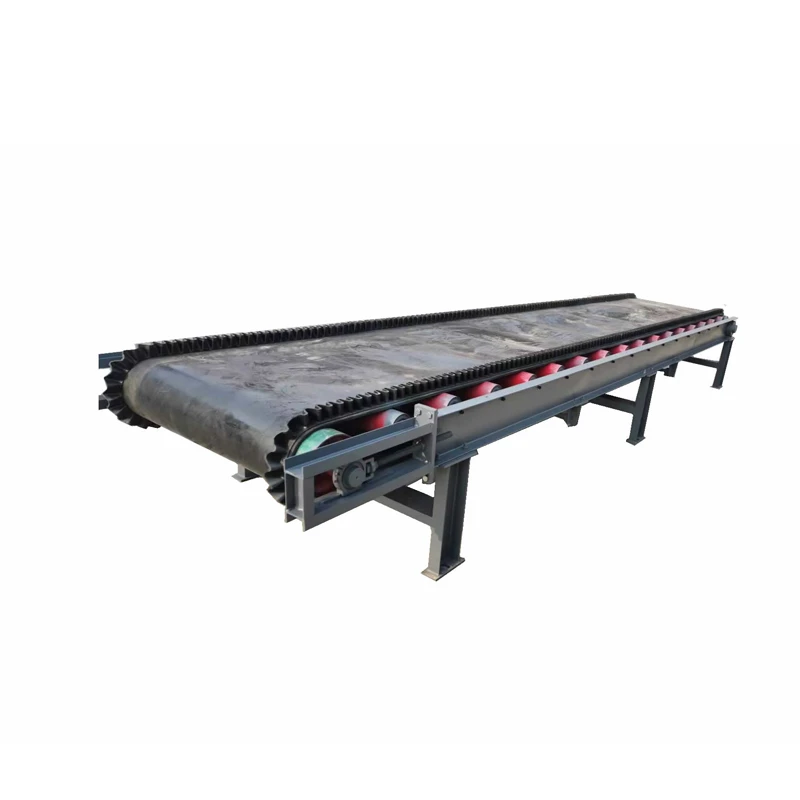
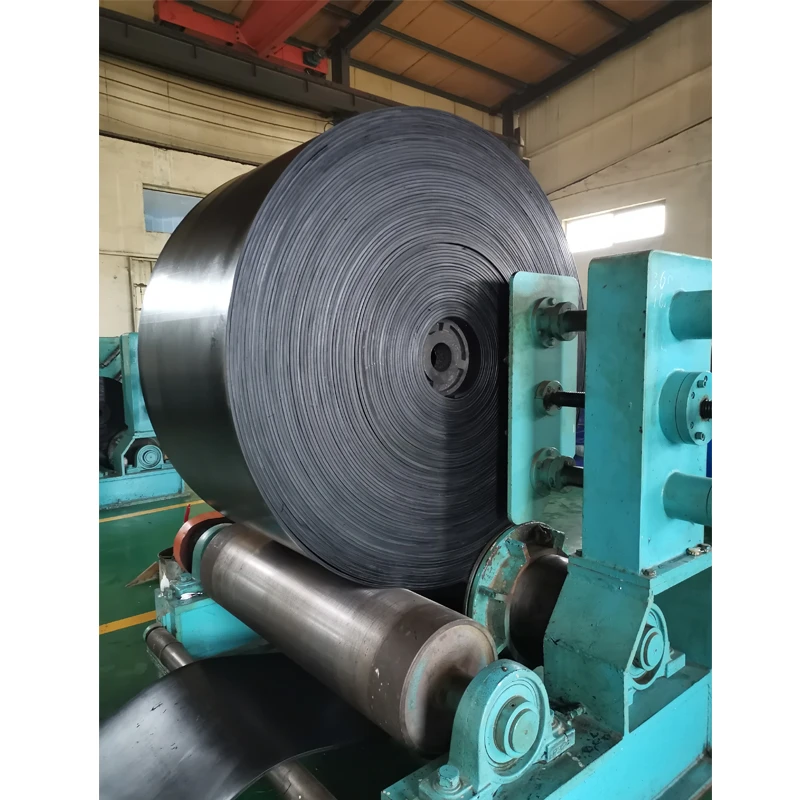
Having spent over two decades working around industrial gear — especially material conveyor systems — I can tell you it’s one of those deceptively simple technologies. At first, you might think, “It’s just a moving belt, right?” But the reality is far richer, oddly enough. These systems are the silent backbones of so many operations, from mining to manufacturing — quietly hauling tons of material every hour without fanfare.
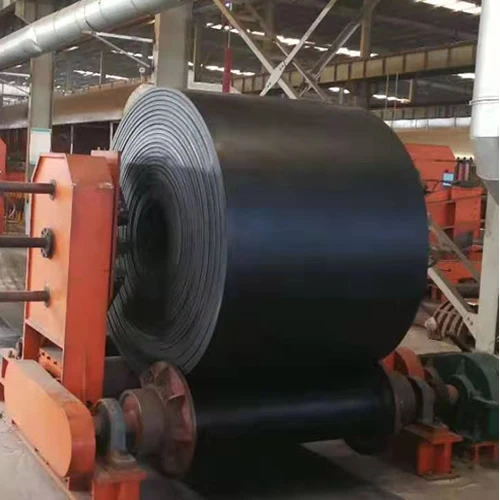
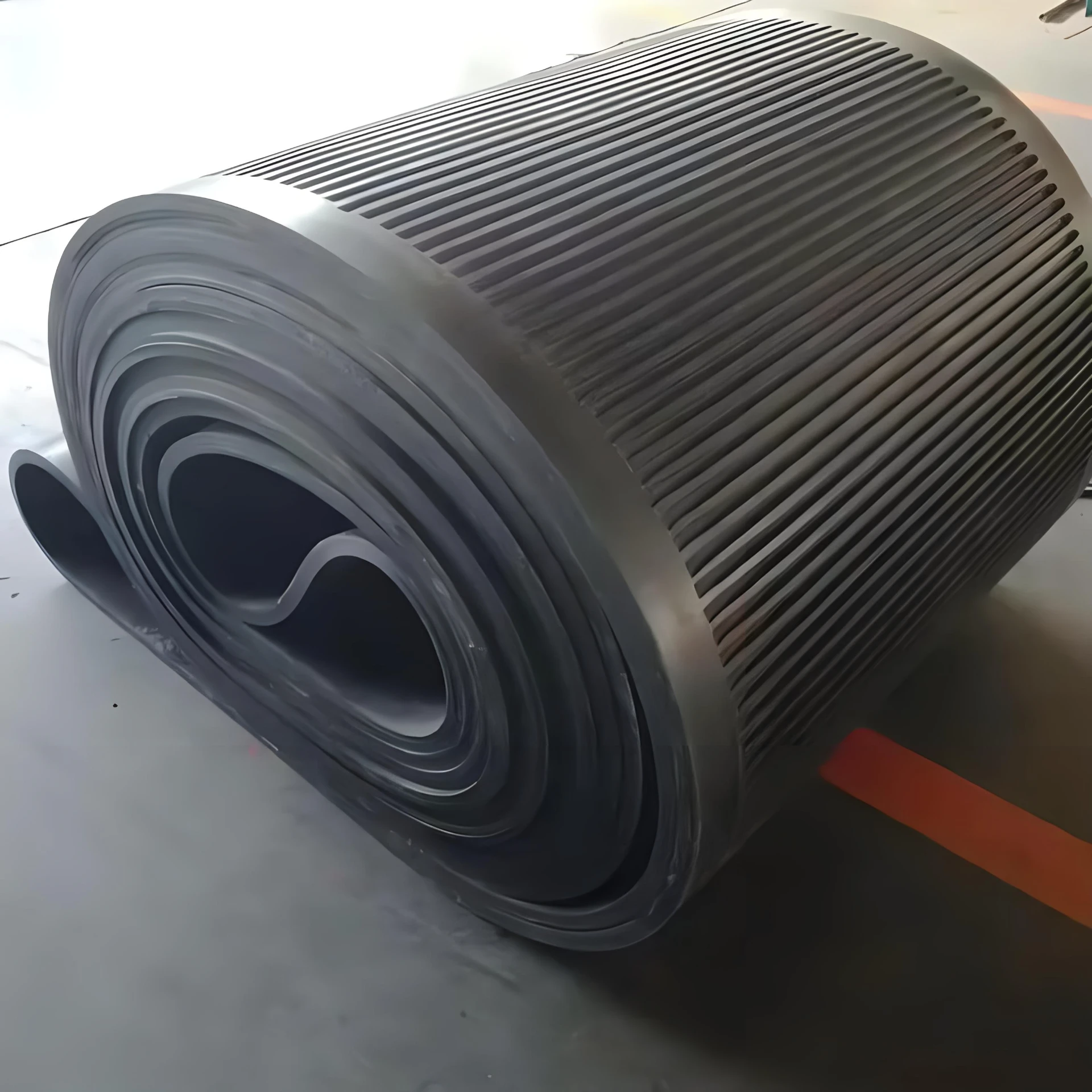
From my experience, one of the more interesting aspects is how far design and materials have come. Decades ago, conveyor belts were often made with very basic rubber compounds; today, innovation runs deep. You see modular belts, advanced polymer composites, flame-resistant materials, and low-friction surfaces that extend belt life and reduce downtime. It feels like each new generation is engineered not just for durability but for efficiency, safety, and adaptability.
A quick anecdote: years ago, I visited a bulk handling plant where the client was constantly battling belt slippage due to moisture and debris. They switched to a belt with a patented grip surface and specialized cleats. The difference was night and day — throughput improved by nearly 15%, and the maintenance crew suddenly had time to focus on preventative measures instead of reacting to breakdowns.
Breaking Down the Specs: What Really Matters
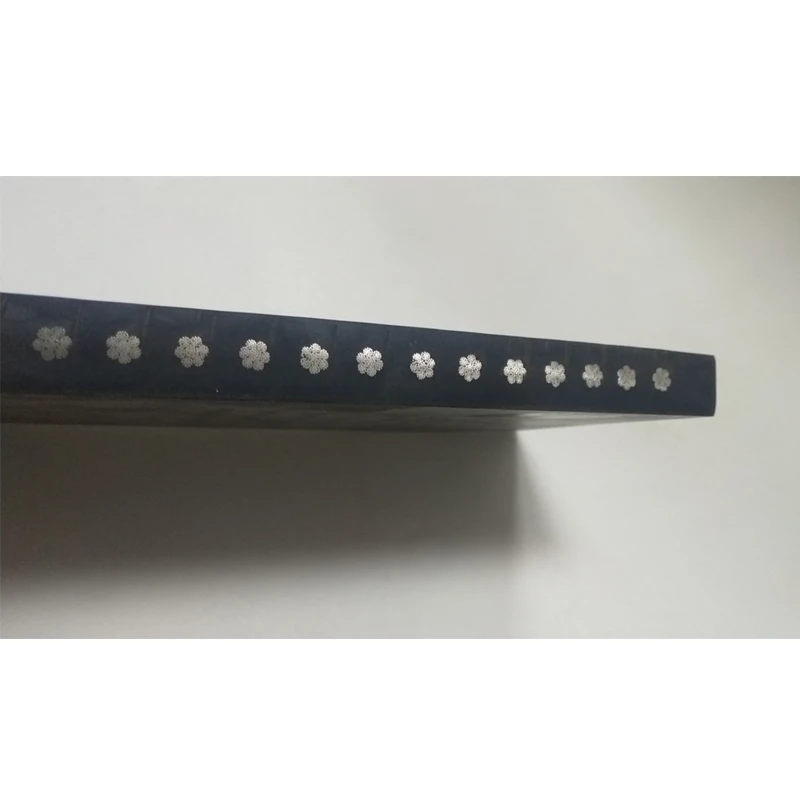
You’ll often hear about belt width, speed, and load capacity — the basic metrics that get put on any spec sheet. But in real terms, things like tensile strength, resistance to abrasion and impact, and even ease of splicing or repair tend to matter most on the factory floor. Below is a table summarizing the typical product specs for a mid-range industrial belt system I’ve worked with recently:
| Specification | Value |
|---|---|
| Belt Width | 800 mm (approx. 31.5") |
| Max Speed | 3 m/s (meters per second) |
| Tensile Strength | 1600 N/mm |
| Material | Nitrile Rubber with Polyester Core |
| Abrasion Resistance | Medium to High |
| Operating Temperature | -20°C to +70°C |
Vendor Comparison: What Sets Providers Apart?
Having worked with a handful of material conveyor systems vendors, I’ve noticed that pricing, quality control, customer support, and customization options tend to be the main differentiators. Here’s an easy comparison of three major suppliers I’ve encountered over the years:
| Feature | Vendor A | Vendor B | Vendor C |
|---|---|---|---|
| Custom Belt Widths | Yes | Limited | Yes |
| Lead Time | 3–5 weeks | 2–4 weeks | 4–6 weeks |
| Material Options | Broad, including flame-resistant | Standard only | Medium range |
| Warranty | Up to 3 years | 1 year | 2 years |
| Technical Support | 24/7 hotline + onsite | Email & phone, limited hours | Business hours phone only |
What I find compelling — and frankly essential — is the vendor's willingness to engage before the sale. Many engineers say, “I want flexibility, service, and long-term partnership.” Vendor A consistently ticks these boxes, which is partly why they’re a favorite among seasoned professionals.
Of course, your specific needs will differ. Some operations prioritize cost above all else, while others need exacting specs for extreme environments. Whatever your case, when considering a material conveyor system, remember it’s an investment with ripple effects across your whole process.
Finally, don’t underestimate the value of support and easy maintenance. In one of my past roles, a client overlooked this and ended up with costly downtime. Lesson learned: The cheapest belt isn’t always the best choice.
So, if you want to explore truly reliable material conveyor systems that have stood the test of time in demanding industrial settings, do your homework, ask tough questions, and weigh the full lifecycle costs.
In conclusion, conveyor belts might seem like a simple commodity — but the right system can make a measurable difference. I’ve seen firsthand how small improvements lead to big gains in productivity and safety. So, it’s worth your while to pick carefully and keep an eye on innovation.
Here’s hoping this practical overview nudges your next conveyor choice toward smooth operations and fewer headaches.
References:
1. Industry insights gathered over 20+ years in manufacturing.
2. Case studies from bulk handling facilities (unnamed for confidentiality).
3. Vendor spec sheets and product testing results (publicly available).