Why a Mini Roller Conveyor Could Be Your Best Industrial Ally
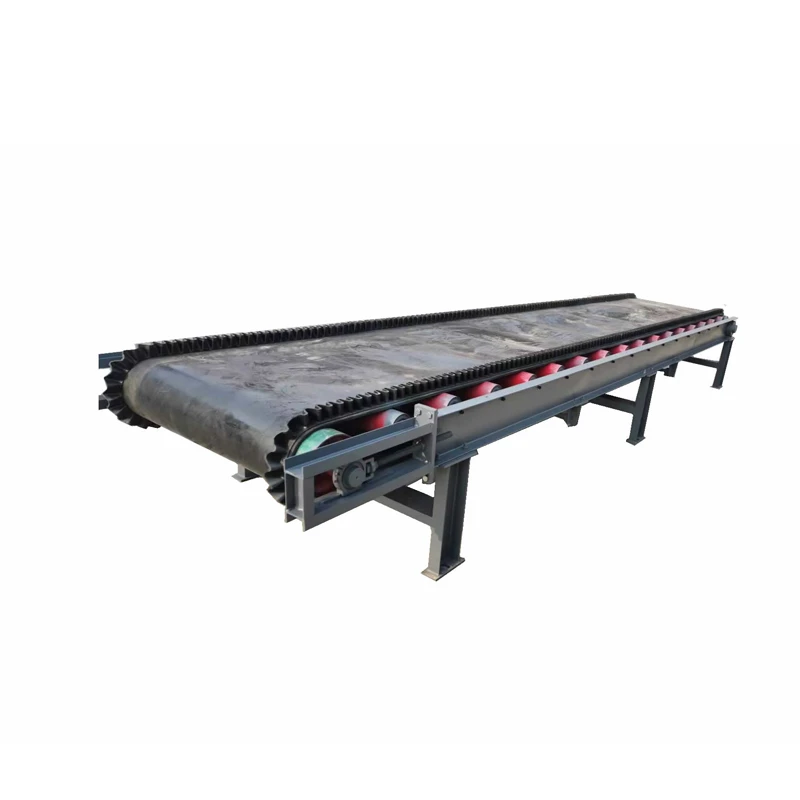
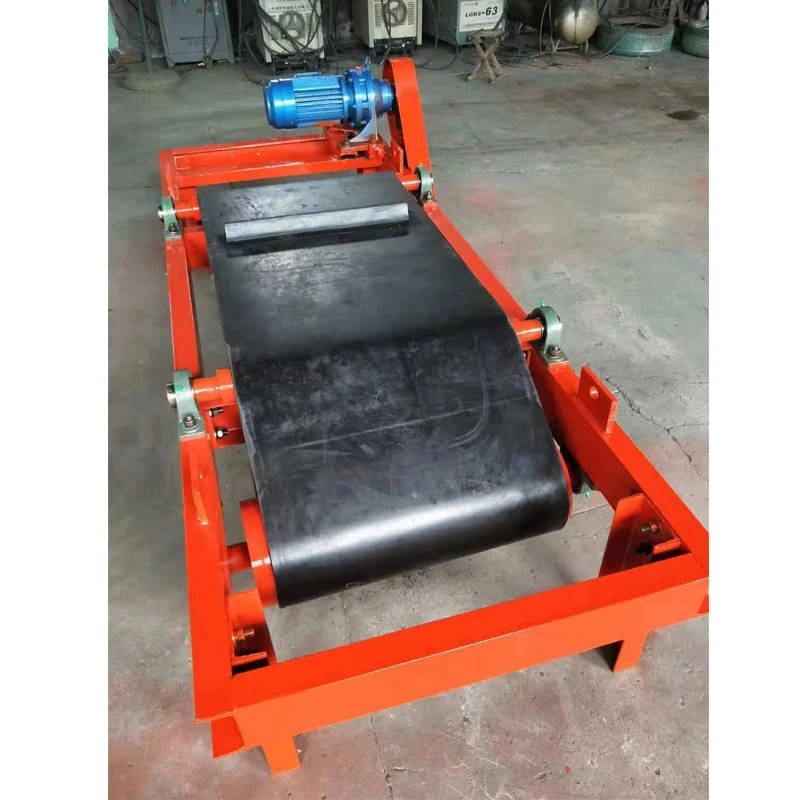
Having been around industrial equipment for more than a decade, I find mini roller conveyors secretly fascinating. They’re like the quiet workhorses of the manufacturing floor — simple yet incredibly versatile. If you’re not familiar, these little conveyors handle lightweight items with remarkable ease, improving workflow without breaking the bank or taking up tons of space.
One thing I noticed early on in my career is the mini roller conveyor excels when space is at a premium. Oddly enough, these conveyors often fly under the radar, but in real terms, they’re indispensable for small parts assembly, packaging lines, and even quality control stations. They’re not just "rollers on a frame," but a thoughtfully engineered product that balances durability with flexibility.
Most mini roller conveyors use steel rollers, sometimes coated or galvanized, to resist rust and wear — crucial if you’re in, say, food packaging or electronics manufacturing. Frankly, the choice of material affects longevity more than many realize. Every conveyor I’ve helped specify comes down to a balance between load capacity and the environment it’ll face.
| Specification | Details |
|---|---|
| Roller Diameter | 25 mm to 50 mm |
| Roller Material | Steel (zinc-plated or stainless options) |
| Belt Width / Conveyor Width | 100 mm to 600 mm |
| Load Capacity | Up to 50 kg per meter |
| Frame Material | Aluminum or steel |
| Typical Length | Customizable; 1 to 4 meters |
Now, it's worth mentioning how these conveyors stack up vendor-wise. I've worked across a handful of suppliers. Pricing and customization make a big difference depending on project needs — some vendors lean heavily on steel frames which are robust but heavier, others offer modular designs that save time during installation. Honestly, it’s about what fits your system's workflow and budget.
| Vendor | Material Options | Customization | Typical Price Range |
|---|---|---|---|
| HG Conveyor Belt | Steel, Stainless Steel | High (length, width, roller spacing) | $$$ |
| ConveyorCo | Steel, Aluminum | Medium (standard sizes common) | $$ |
| RollerMax | Primarily galvanized steel | Low (limited modifications) | $ |
One vivid example I recall: a small electronics assembly line was struggling with manual part transfer delays. After integrating a mini roller conveyor, throughput improved by nearly 20% without adding staff. The conveyor’s lightweight design also meant the engineers could reconfigure the line on the fly, which isn’t always easy with bulkier equipment.
Overall, mini roller conveyors feel like the kind of solution that rewards you with quiet dependability. They don’t scream innovation but deliver on performance and adaptability. If you’re in production or warehousing environments where space and speed matter, I’d say these conveyors deserve your attention. Just remember to check roller material and load specs carefully; many engineers I've worked with learned that the hard way.
So next time you’re specifying industrial conveyors, consider the humble mini roller conveyor. It’s small, sure, but mighty enough to carry quite a load — literally and figuratively.
– Written by a seasoned industrial equipment specialist reflecting on years of hands-on experience with conveyors and material handling systems.
References
- HG Conveyor Belt Product Catalog
- Industry insights from Material Handling & Logistics Magazine, 2023 edition
- “Design Considerations for Mini Roller Conveyors,” Engineering Toolbox, 2022