Understanding Automated Warehouse Conveyor Systems: Transforming Global Logistics
Automated warehouse conveyor systems — sounds a bit like something out of a sci-fi movie, doesn’t it? Yet, these systems have become essential cogs in the global supply chain, quietly revolutionizing how goods move from factory floors to your doorstep. In a world where delivery speed and cost efficiency often make or break businesses, grasping what these conveyor systems do and why they matter feels almost mandatory. Beyond the buzzwords, their impact resonates globally — improving warehouse safety, boosting operational efficiency, and even contributing to sustainability goals.
The Global Context: Why Automated Warehouse Conveyor Systems Matter Today
Logistics and warehousing contribute about 8% of global GDP (World Bank, 2023), and as e-commerce and manufacturing scale up, so does the pressure on warehousing operations. Automated conveyor systems have become a frontline answer to the enduring challenges of handling increasing parcel volumes and diverse products quickly and accurately.
Oddly enough, rising labor costs plus a global shortage of warehouse workers (International Labour Organization) have accelerated the trend toward automation. Automated conveyor belts reduce human error, minimize workplace injuries, and help companies meet the speed demands of modern consumers — making these systems a global game-changer, from sprawling distribution centers in North America to evolving warehouses in Asia and Europe.
What Exactly Are Automated Warehouse Conveyor Systems?
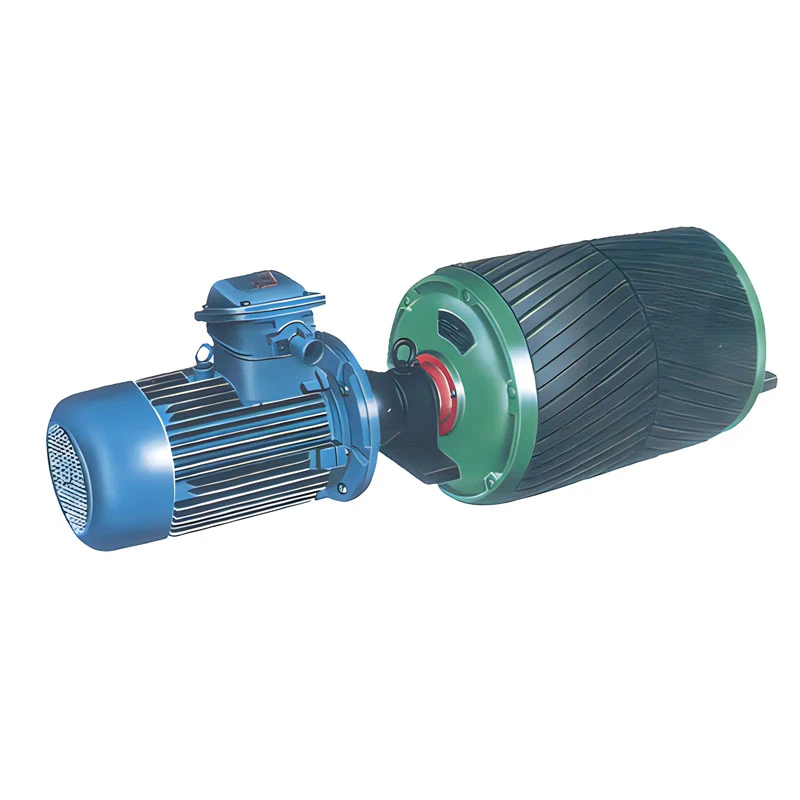
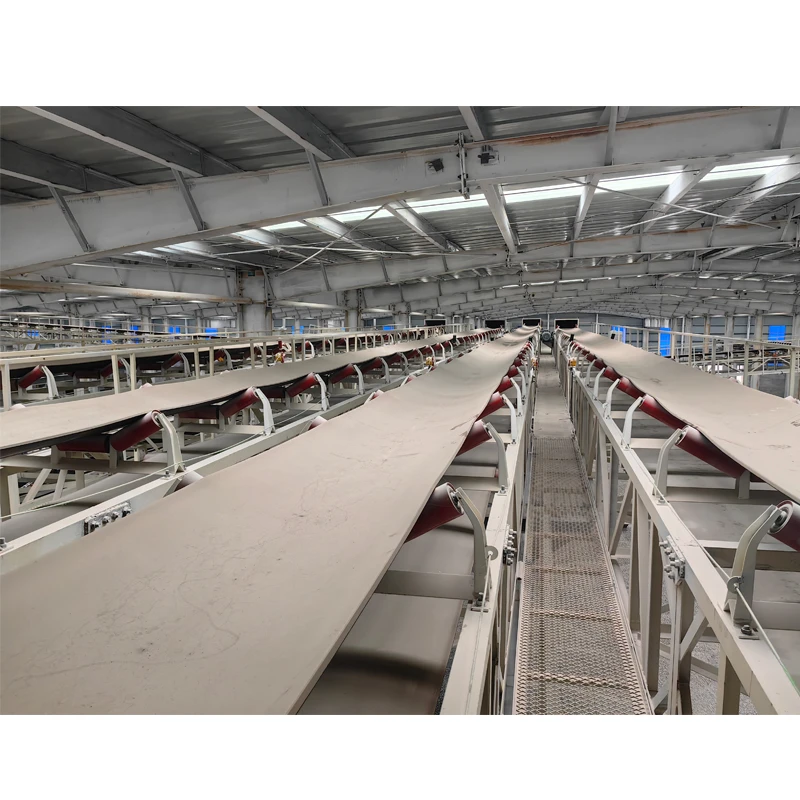
Put simply, these are networks of powered belts, rollers, or chains designed to move goods through a warehouse with minimal human intervention. Sensors, motors, and programmable logic controllers (PLCs) coordinate motion, route items, and integrate with warehouse management systems (WMS). This combination helps streamline sorting, packing, and shipping processes.
In humanitarian settings—think disaster relief or mass vaccination campaigns—automated conveyors enable rapid distribution of medical supplies or relief goods, which can literally save lives by cutting manual sorting times dramatically.
Key Components and Factors in Automated Conveyor Systems
Durability and Material Quality
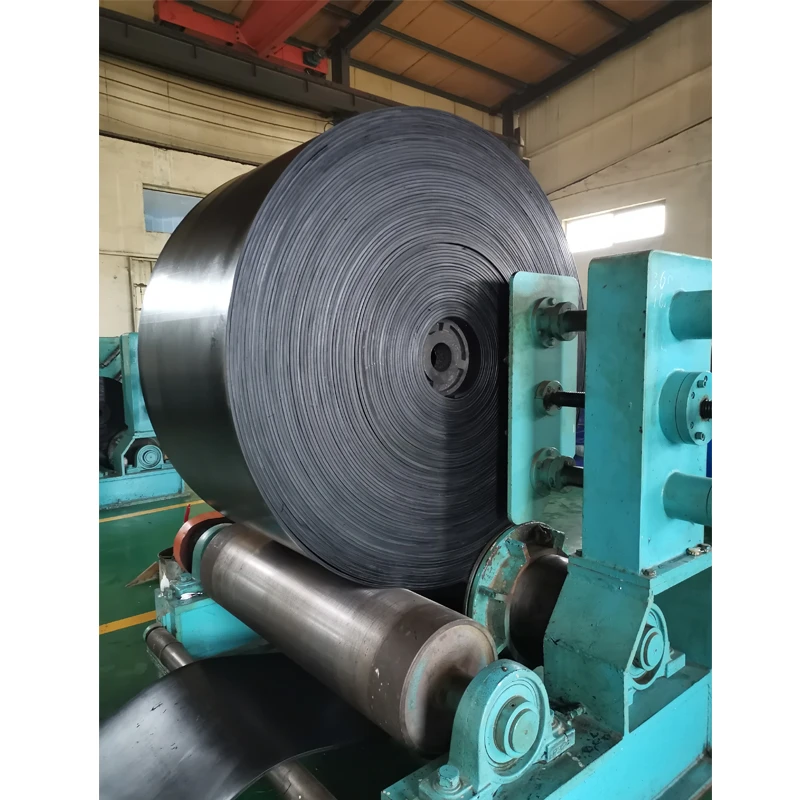
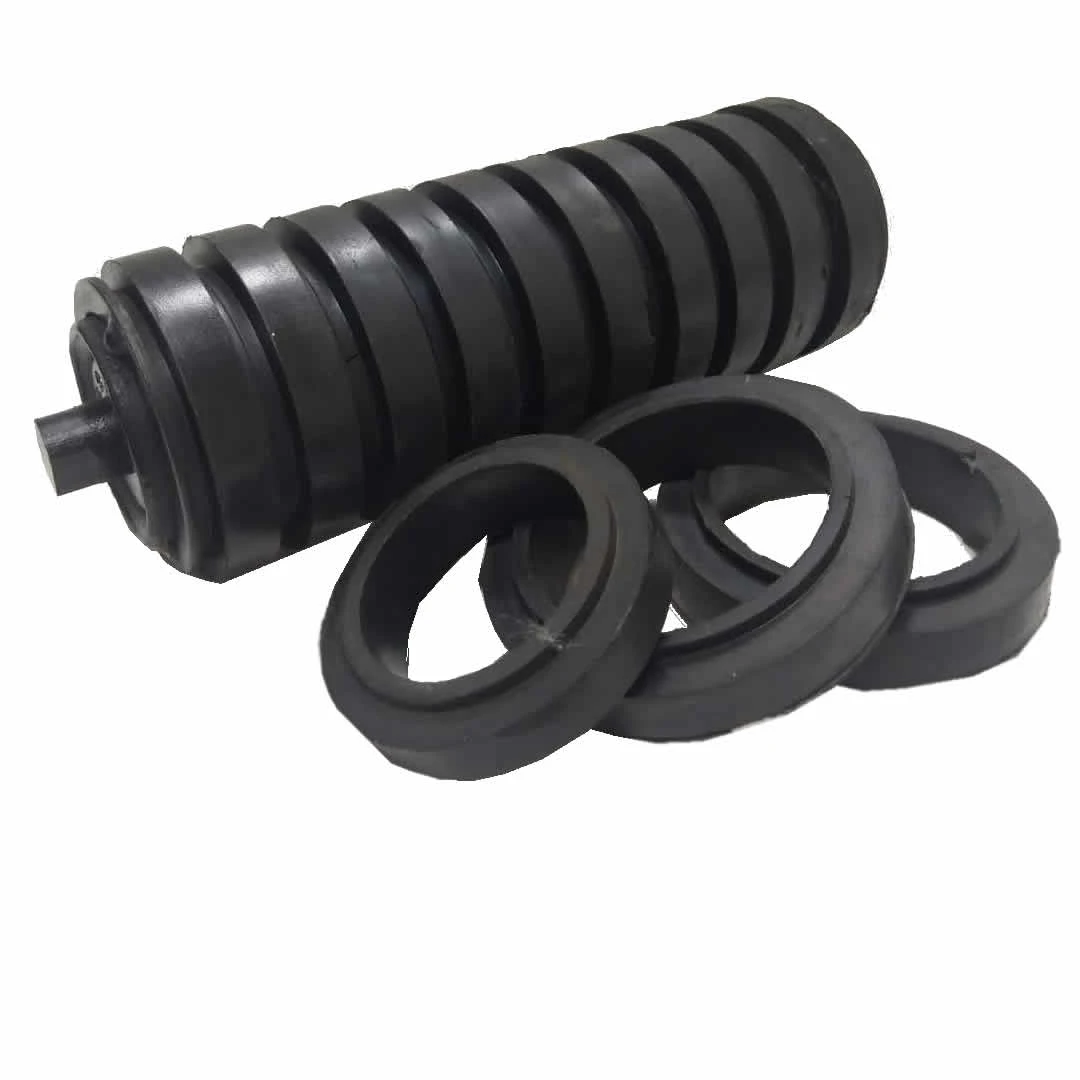
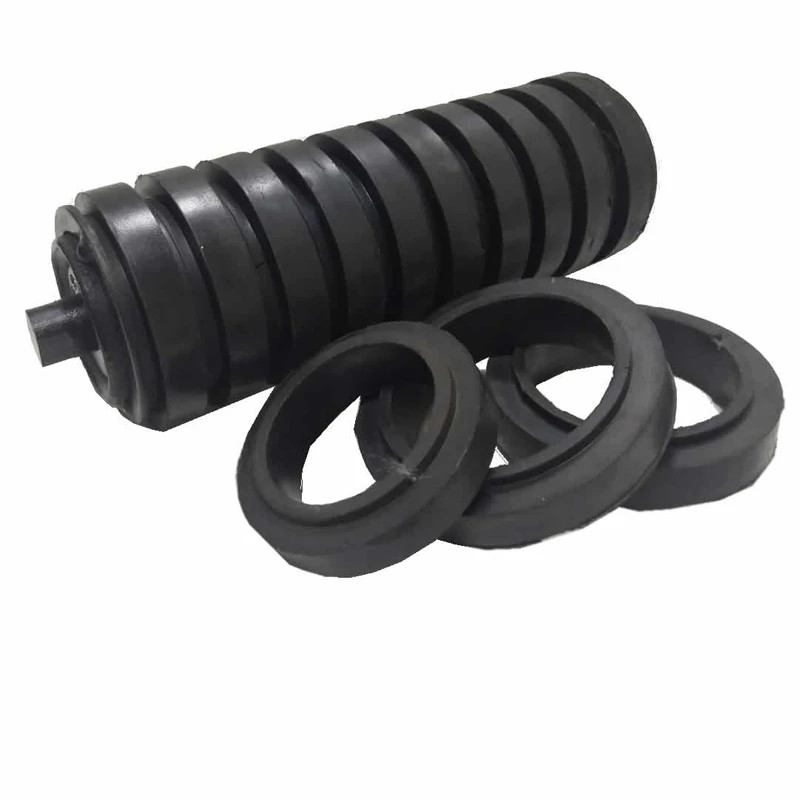
The durability of conveyor belts and rollers directly affects uptime and maintenance costs. Most systems use materials like PVC, rubber, or modular plastic which resist abrasion and chemical wear. For instance, food-grade conveyors employ FDA-compliant materials ensuring hygiene standards.
Scalability and Modularity
Warehouses vary in size and throughput, so modular conveyor designs that can easily expand or reconfigure are highly prized. Scalable systems allow businesses to start small and grow without costly overhauls.
Energy Efficiency
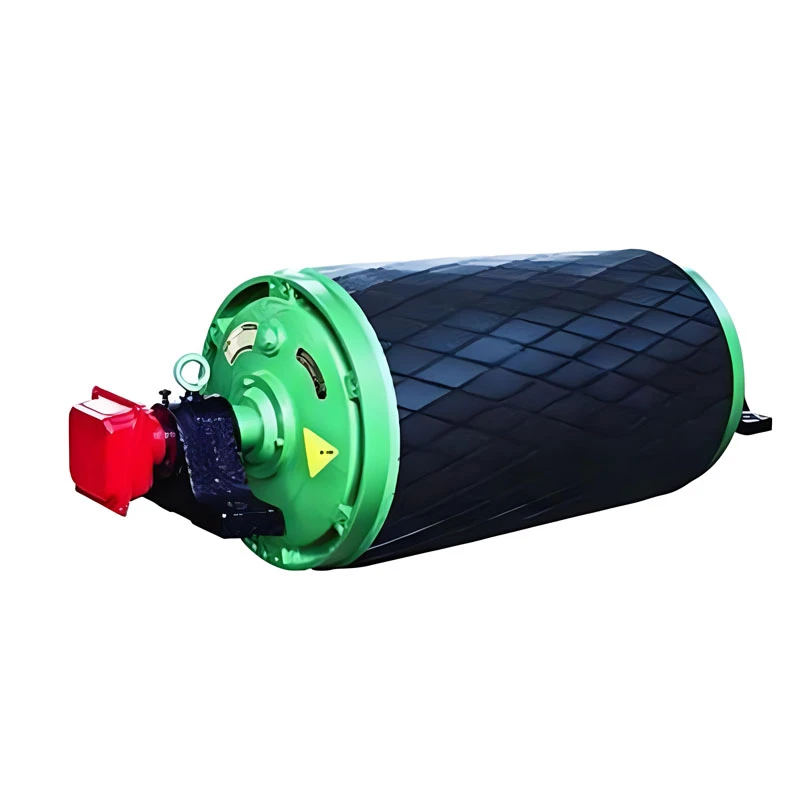
Because conveyors run almost continuously, energy costs pile up. Advanced drives, energy recovery systems, and intelligent controls help keep power consumption minimal — which matters for both bills and corporate sustainability.
Integration with Warehouse Automation
Modern conveyor systems don’t operate in isolation; they integrate with automated sorters, robots, and inventory tracking for a seamless flow. Real-time data feedback and IoT sensors optimize routing and detect jams before they happen.
Cost Efficiency Over Lifecycle
While initial investments can be steep, the reduction in labor costs and error rates typically balances out over 3–5 years. Maintenance contracts and remote monitoring services also help keep disruptions low.
Product Specification Table: Typical Automated Conveyor System
| Specification | Standard Value | Notes |
|---|---|---|
| Belt Width | 300 - 1200 mm | Varies by application |
| Maximum Load | Up to 150 kg/meter | Depends on belt and motor specs |
| Speed Control | Adjustable 0.1–3 m/s | Variable frequency drives (VFD) |
| Power Supply | 380V / 3 Phase / 50Hz | Industrial standard |
| Control Interface | PLC with HMI touchscreen | Enables system monitoring |
How Are Automated Conveyor Systems Used Worldwide?
From sprawling e-commerce giants like Amazon in the US and Alibaba in China to traditional manufacturers in Germany and Japan, automated conveyor belts underpin rapid, reliable logistics across industries. In perishable goods warehouses, they minimize product handling time, preserving freshness.
Oddly enough, in humanitarian aid locations like remote refugee camps, some NGOs employ simplified conveyor setups to speed up distribution of food and water supplies, helping bypass bottlenecks caused by manual sorting.
These systems’ flexibility means they suit diverse sectors from aerospace part assembly to pharmaceutical packaging. If you want to learn about optimized automated warehouse conveyor systems tailored to specific needs, checking out vendor catalogs often reveals surprising customization options.
Vendor Comparison Table: Key Automated Conveyor System Providers
| Company | Specialization | Innovation Highlights | Geographic Reach |
|---|---|---|---|
| ConveyX Technologies | E-commerce order fulfillment | AI-based sorting & IoT integration | North America, Europe |
| Global Mobility | Heavy-duty industrial conveyors | Energy-efficient drives & modular design | Asia, Middle East |
| EcoRoll Systems | Sustainable and green conveyors | Recycled materials, solar-powered options | Europe, North America |
Advantages and Long-Term Value of Automated Conveyor Integration
- Cost Reduction: Reduction in labor costs plus fewer packing errors translate into real savings.
- Improved Safety: Automation lessens physical strain and accidents, promoting worker wellbeing.
- Operational Reliability: Automated systems run consistently and reduce downtime caused by human factors.
- Sustainability: Energy-saving motors and material choices contribute to lower environmental impacts over time.
- Enhanced Customer Satisfaction: Faster order fulfillment builds trust and brand loyalty.
In real terms, companies often find these systems offer a compelling blend of emotional and financial returns, giving them a competitive edge that’s hard to replicate.
Emerging Trends in Automated Warehouse Conveyor Systems
Looking forward, automated warehouse conveyor systems are embracing digital transformation — smarter sensors, AI-powered monitoring, and predictive maintenance lead the way. Green energy use, like solar-powered conveyors and low-friction designs, also gain momentum as sustainability becomes more than just a buzzword.
There’s also growing interest in modular robotic conveyors that adapt on the fly to changing product types or warehouse layouts, offering unparalleled flexibility. It feels like automation in warehousing is finally hitting its stride.
Challenges and How Experts Are Tackling Them
Despite their promise, these systems face hurdles. High upfront costs and complexity can deter small and mid-size firms. Technical glitches or system integration issues cause delays during adoption phases. Plus, workers sometimes resist automation fearing job loss.
Experts recommend phased rollouts and hybrid models combining automation with skilled labor, alongside retraining initiatives that position employees as supervisors of automated lines. Vendors also develop more user-friendly controls and “plug and play” modules to ease installation pains.
FAQ: Automated Warehouse Conveyor Systems
- Q: How quickly can automated conveyor systems be installed in an existing warehouse?
- A: Typical installations range from weeks to a few months depending on scale and customization. Modular designs can speed up deployment considerably.
- Q: Are these systems energy-intensive?
- A: Many modern conveyors incorporate energy-efficient motors and can operate on low power, balancing performance with sustainability.
- Q: Can automated conveyors handle fragile or irregular-shaped goods?
- A: Yes. Systems can be tailored with softer belt materials, adjustable speeds, and sensors to handle delicate or awkward items safely.
- Q: What maintenance is required to keep systems running smoothly?
- A: Routine belt inspections, motor tuning, lubrication of rollers, and software updates are typical. Many providers offer remote monitoring services to predict failures early.
- Q: Is it possible to integrate automated conveyors with existing warehouse management software?
- A: Absolutely, most systems support common industry protocols and APIs allowing seamless integration with WMS and ERP systems.
Conclusion: The Future of Efficiency Lies with Automated Conveyor Systems
Automated warehouse conveyor systems are more than just equipment — they embody a shift toward faster, safer, and more sustainable logistics worldwide. Their ability to empower businesses large and small while supporting humanitarian efforts is quite inspiring. If optimizing your operations is on the horizon, exploring these systems might just open new doors.
For a deeper dive into how tailored solutions can fit your needs, I suggest visiting our website. There’s a world of innovation waiting to streamline your warehouse today.
Oddly enough, sometimes the best way forward in industry is to let the machines quietly do the heavy lifting… and the conveyors are leading the charge.
Takeaway: Automated warehouse conveyor systems are the unsung heroes of modern logistics — blending innovation, efficiency, and sustainability to meet the global market’s ever-growing demands.