Automated Conveyor Systems: A Veteran's Insight into Industrial Efficiency
Having spent well over a decade in the industrial equipment sector, I've seen conveyor technology evolve immensely. Automated conveyors, frankly, have revolutionized how factories move materials—reducing manual handling, speeding operations, and improving safety. Oddly enough, the smartest conveyors aren't just all about pushing items along; they're adapting to complex production needs.
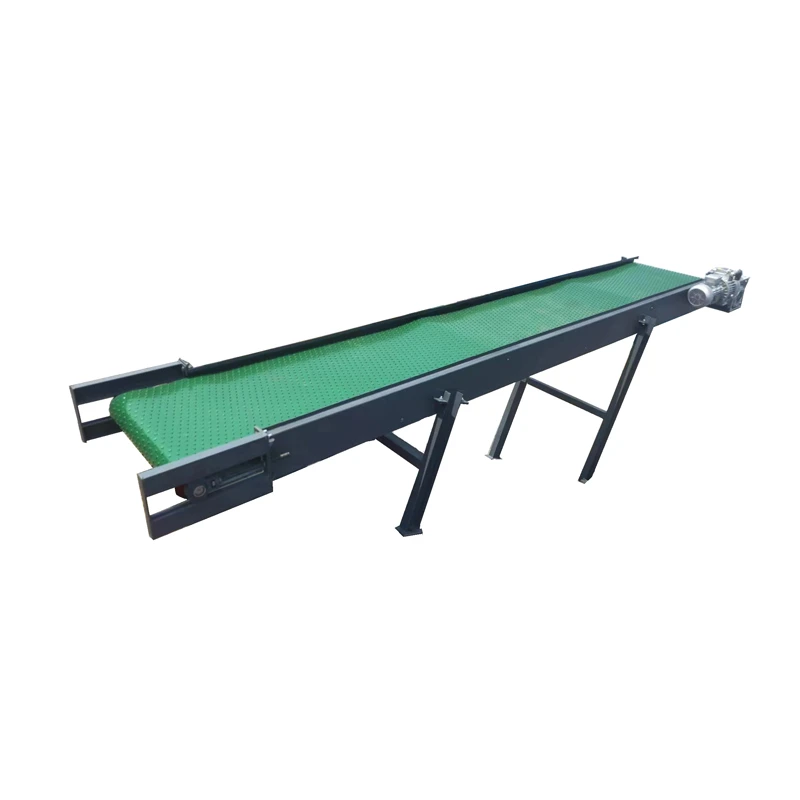
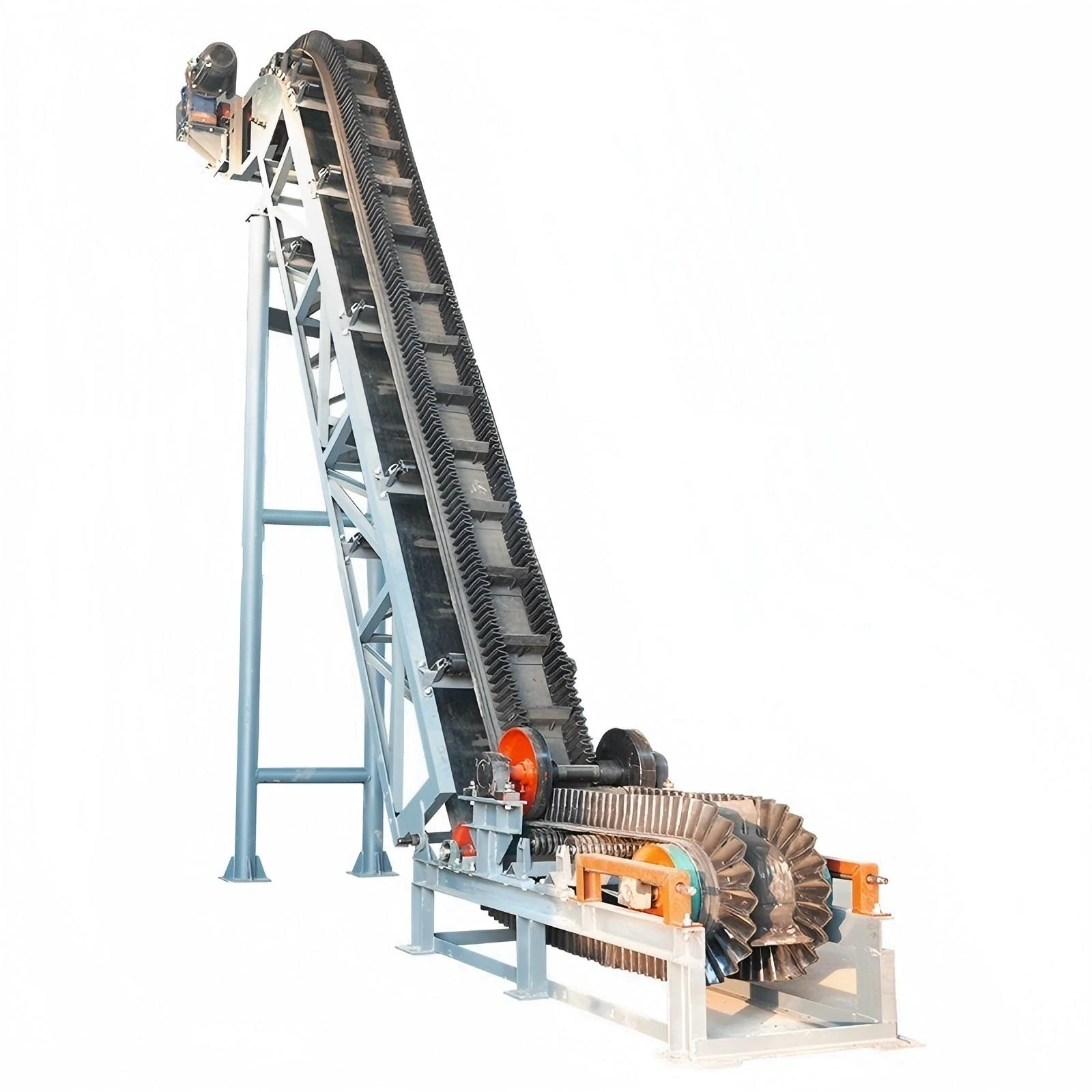
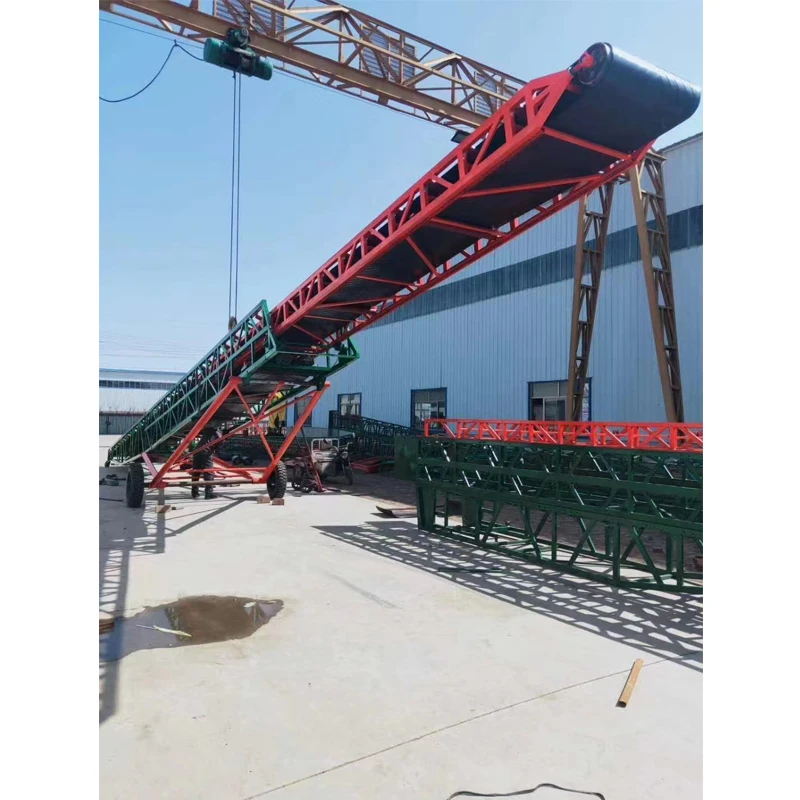
When I think about automated conveyor systems, it feels like stepping into a world where mechanical precision meets adaptability. Initially, conveyors were rigid and simplistic. But today, with advancements in sensor tech, IoT, and modular design, we see conveyors that “think” — adjusting speed, diverting packages, and even self-diagnosing faults.
Material choice is no small geeky detail either. Conveyors need to be sturdy yet versatile. In many plants, belt materials range from PVC, rubber composites, to food-grade polyurethane, depending on the application—whether it’s handling sharp metal parts or delicate pharmaceuticals. I once worked on a line where switching to a bacteria-resistant belt saved tons of cleaning labor and downtime. These seemingly small material decisions often determine long-term success.
Testing conveyors—yeah, that’s a chapter that’s often glossed over. Real-world stress testing, endurance under temperature fluctuations, and belt tracking adjustments can take days. A conveyor that looked flawless in specs might struggle under the rush-hour load at a plant. That’s why trusted vendors emphasize thorough testing protocols.
| Feature | Specification |
|---|---|
| Belt Width | 300 mm - 1200 mm |
| Motor Power | 0.75 kW - 5 kW |
| Speed Range | 0.1 to 3 m/s (variable) |
| Material Options | PVC, Rubber, PU, Metal Mesh |
| Automation Features | Sensors, PLC Control, IoT Integration |
| Load Capacity | Up to 500 kg/meter |
One vendor comparison worth noting—because, honestly, not all conveyance providers are created equal. When I last helped select a supplier, we looked at three major players focusing on reliability, customization, and post-sale service. Here’s a quick rundown:
| Vendor | Customization | Warranty | After-Sales Support | Price Range |
|---|---|---|---|---|
| HG Conveyor Belt | High – tailored builds | 2 years standard | 24/7 technical support, remote diagnostics | Mid-range to premium |
| ConveyX Solutions | Medium – modular options | 1 year | Business hours support only | Affordable |
| Swift Convey | Low – standard models | 6 months | Limited to regional centers | Budget-friendly |
Now, one story sticks with me: A small manufacturer wanted to increase throughput without hiring more people—sound familiar? We worked closely with automated conveyor experts who customized a solution that integrated seamlessly with their existing line. After installation, output rose 30%, and safety incidents dropped. It’s the kind of practical win that keeps me excited about this sector.
In real terms, investing in an automated conveyor system isn’t just about efficiency. It’s about trusting a technology ecosystem that grows with your needs. These systems are a bit like the unsung heroes of production floors: quietly relentless, always working, and saving you headaches in the long run.
So, if you’re looking to modernize your facility, I’d say start by exploring suppliers who offer genuine customization and robust after-sales support. And if you ask me, automated conveyor solutions from experienced vendors make all the difference.
Keep an eye on integration with your other automation systems, too—that’s where we’re headed, really.
———
References:
1. Industrial Conveyor Technology Overview, TechJournal (2022)
2. Material Handling Trends Report, Factory Insights (2023)
3. Case Study: Conveyor Automation Success, Manufacturing Today (2024)