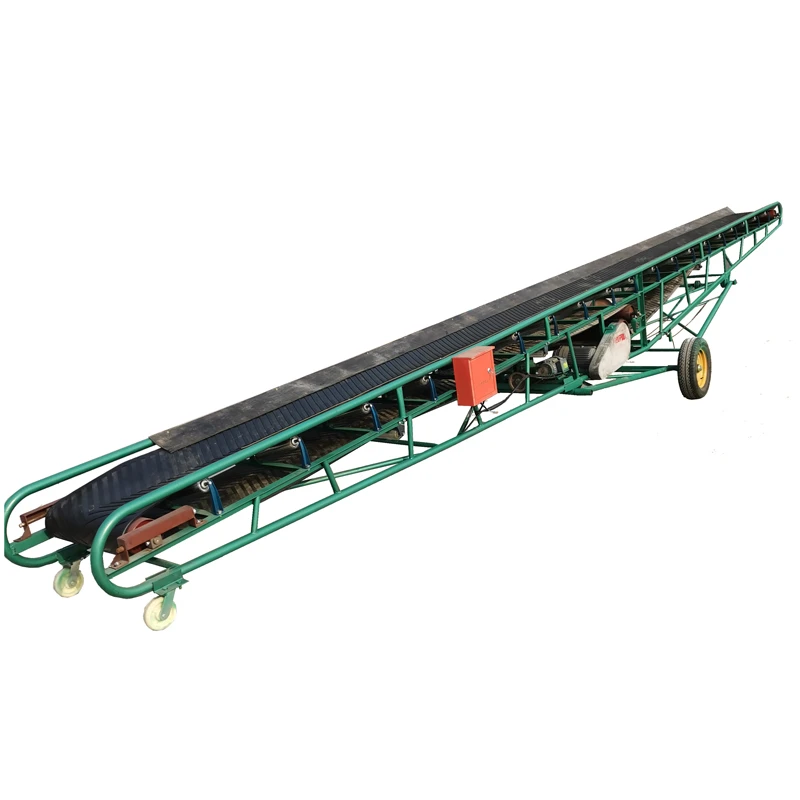
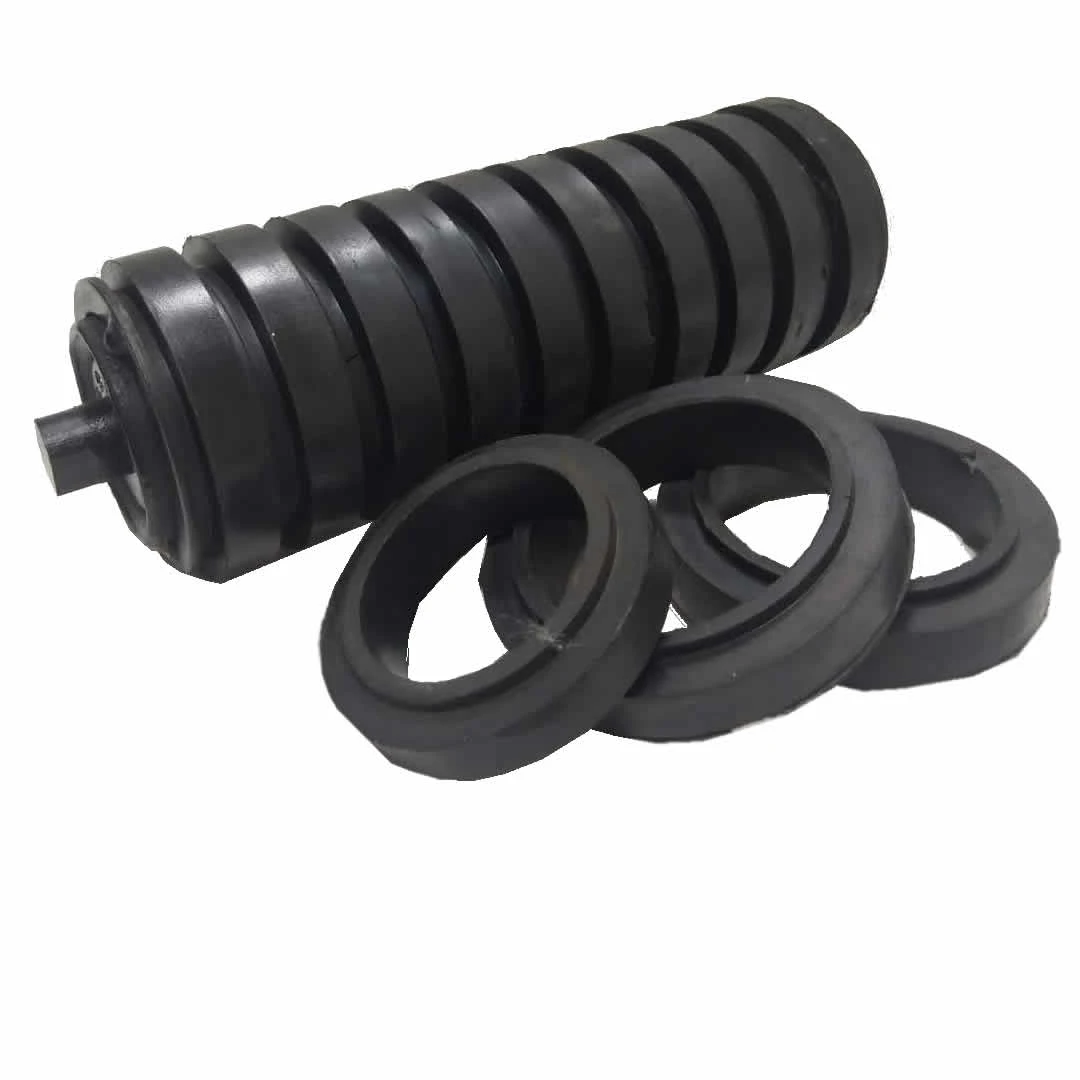
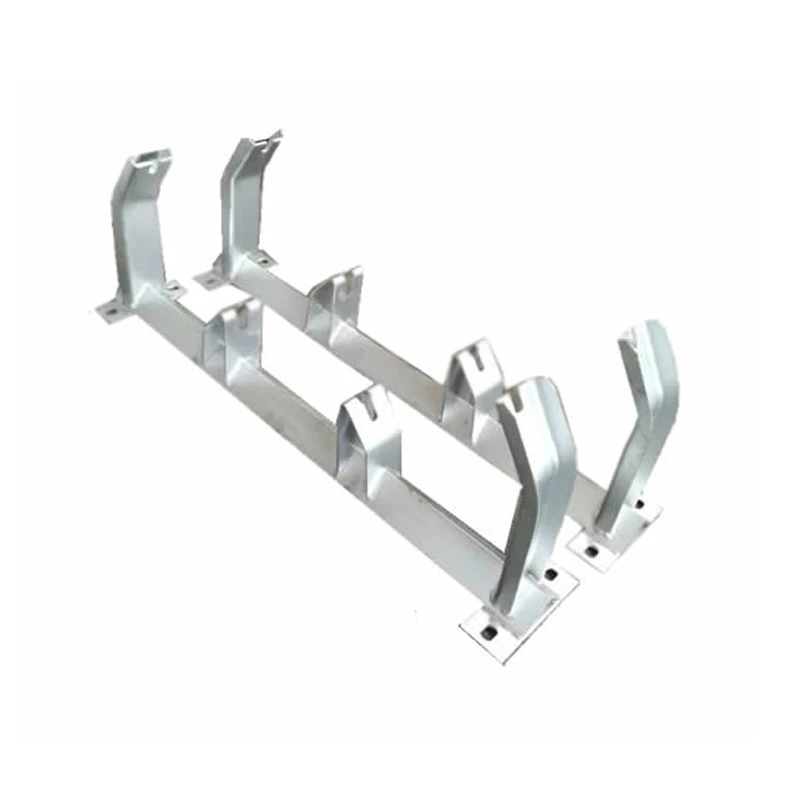
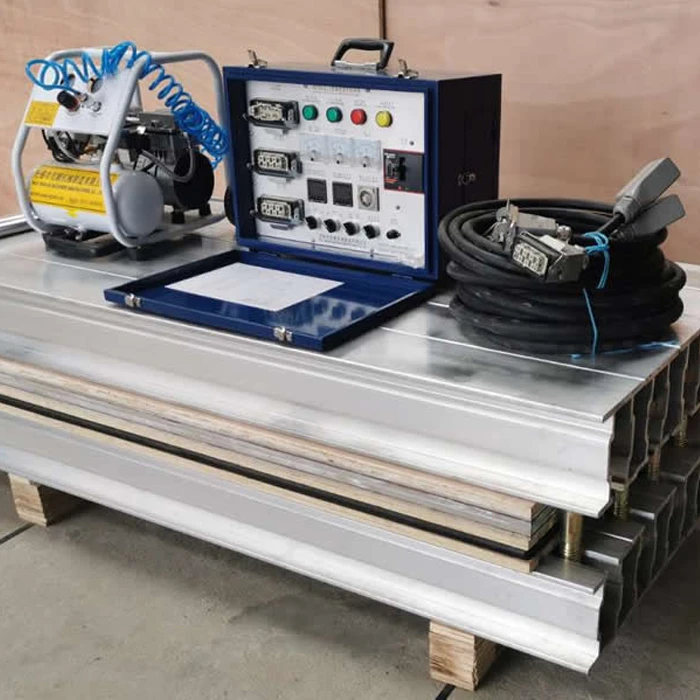
Aluminum Roller Conveyor is a key solution in the industry, specifically within logistics, warehousing, and light manufacturing. This article explores how https://www.hgconveyorbelt.com supports professionals with durable, high-performance products, and explains why this product is an ideal choice for businesses in these sectors.
Table of Contents
- Aluminum Roller Conveyor Overview
- Benefits & Use Cases of Aluminum Roller Conveyor
- Cost, Maintenance & User Experience
- Sustainability & Market Trends
Aluminum Roller Conveyor Overview
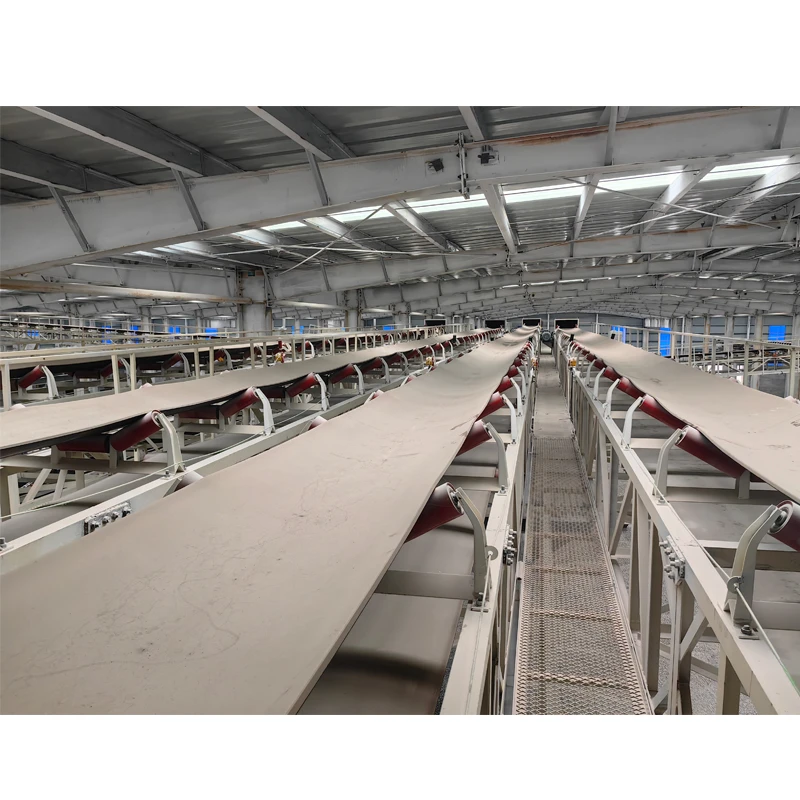
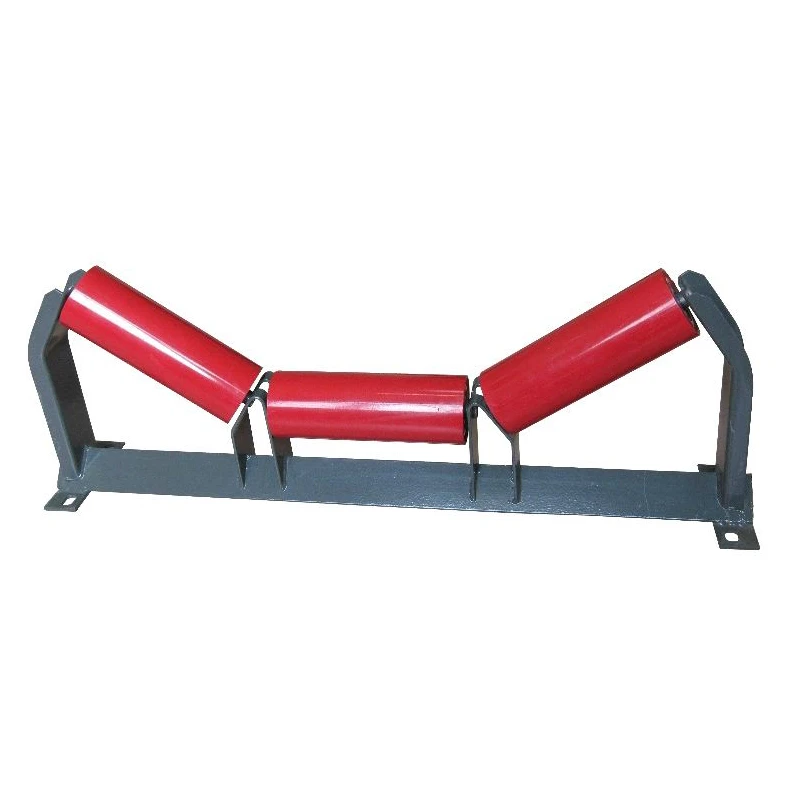
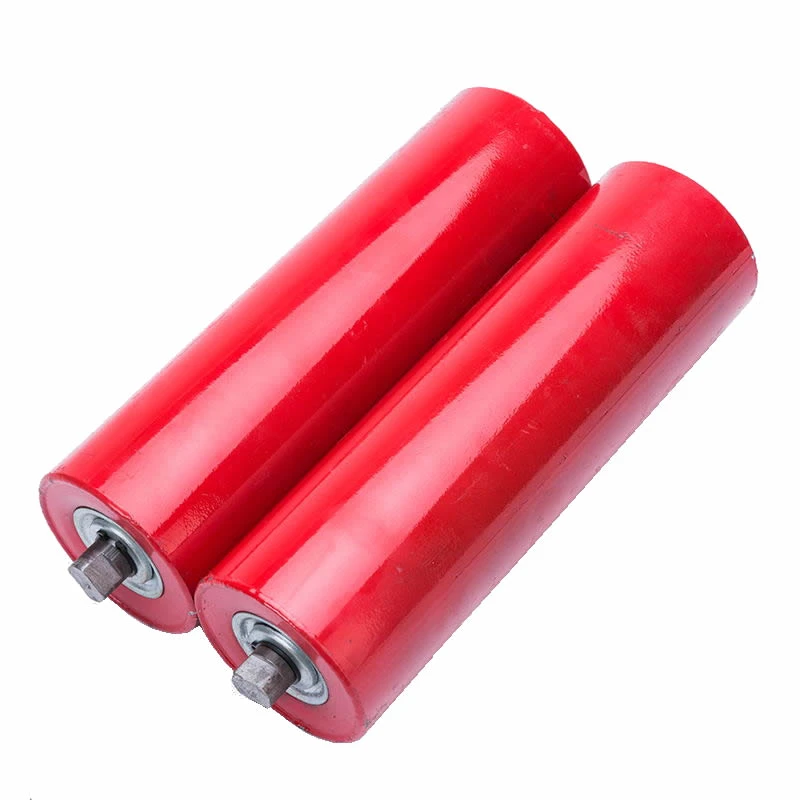
In real terms, an Aluminum Roller Conveyor is a type of conveyor system constructed mainly from lightweight but sturdy aluminum components with rollers allowing for smooth transportation of goods. It’s a workhorse in environments where moderate to heavy loads need moving efficiently — think parcel handling, assembly lines, or even distribution centers. What I find compelling is how aluminum, as a material, offers resistance to corrosion and strikes an appealing balance between strength and weight, making it easier to install and maintain over time.
- The typical specs from HG Conveyor Belt include roller diameters ranging between 38mm to 76mm and custom lengths from 1 to 8 meters, adapting well to diverse workflow needs.
- A small case in point: a warehouse in Shenzhen switched to aluminum roller conveyor systems from HG for its light manufacturing units and reported noticeably lower downtime thanks to the durable design and ease of replacement.
| Feature | Specification |
|---|---|
| Roller Diameter | 38mm - 76mm |
| Belt Width | 300mm - 1200mm |
| Frame Material | High-grade Aluminum Alloy |
| Load Capacity | Up to 150kg per meter |
| Customization | Available on request |
Benefits & Use Cases of Aluminum Roller Conveyor
I suppose the biggest draw of aluminum roller conveyors is their combination of lightness and strength—pretty crucial when you’re moving products every day across a factory floor. Oddly enough, many systems are modular, so businesses can adapt layouts as needs shift, which feels like a no-brainer for flexible operations. A few industries where this tool really shines include food packaging, e-commerce distribution centers, and light assembly plants.
- The corrosion resistance makes it ideal for food-grade environments where cleanliness and repeated washdowns are a must.
- The quiet operation of aluminum rollers is a subtle but nice ergonomic benefit for warehouses concerned about noise pollution.
Vendor Comparison Table
| Vendor | Material Quality | Customization | Price Range | Lead Time |
|---|---|---|---|---|
| HG Conveyor Belt | High-grade Aluminum Alloy | Full (custom sizes & layouts) | $$ | 2-4 weeks |
| Competitor A | Standard Aluminum | Limited | $ | 4-6 weeks |
| Competitor B | Mixed Metals | Moderate | $$$ | 3-5 weeks |
Cost, Maintenance & User Experience
When talking cost, an aluminum roller conveyor may seem pricier off the bat compared to cheaper steel or plastic alternatives — but I’ve noticed many operational managers emphasize the total cost of ownership instead. Why? Because the lifespan and low maintenance requirements often mean fewer interruptions and less spending on repairs or replacement parts. HG Conveyor Belt clients have remarked on how the ROI translates well over mid- to long-term periods — particularly with reduced energy costs thanks to lower friction rollers.
- The lightness means easier handling during installation or reconfiguration, which cuts labour expenses.
- Customer feedback points to improved workflow speed and less downtime, contributing to overall productivity gains.
Sustainability & Market Trends
Looking forward, sustainability in conveyor manufacturing is no longer optional. Aluminum itself scores well on environmental credentials because it is highly recyclable without degradation of quality. This feature aligns with increasingly stringent regulations and industry pressure to reduce carbon footprints, especially in supply chains. Frankly, companies that invest now in eco-friendly materials like aluminum roller conveyors position themselves better in the market with customers and regulators alike.
- The market for aluminum conveyor systems is expected to grow steadily as automation and modular systems become more prevalent.
Frequently Asked Questions about Aluminum Roller Conveyor
- What is Aluminum Roller Conveyor and how does it work?
- It’s a conveyor system mainly made from aluminum that uses rollers to move products along a path, typically with gravity or motorized assistance. The light material keeps the whole system manageable yet sturdy enough for heavy loads.
- What are the main benefits of using Aluminum Roller Conveyor in industrial applications?
- Benefits include corrosion resistance, lightweight construction, easy customization, and lower maintenance compared to steel or plastic alternatives. These features improve operational efficiency and lifespan.
- How does Aluminum Roller Conveyor compare to traditional alternatives?
- Compared to traditional steel rollers, aluminum models are lighter and less prone to rust. Plastic rollers might be lighter still but tend to carry less weight and degrade faster, so aluminum often strikes a better balance.
- What industries can benefit most from Aluminum Roller Conveyor implementation?
- Industries like e-commerce fulfillment, food and beverage packaging, pharmaceuticals, and light manufacturing all benefit from aluminum roller conveyors because they demand efficiency, hygiene, and adaptability.
Conclusion on Aluminum Roller Conveyor from china
Overall, the Aluminum Roller Conveyor stands out as a smart investment for businesses looking to improve logistics efficiency while keeping maintenance manageable and factoring in sustainability. The product’s combination of lightness, durability, and customizable options makes it a versatile partner in many sectors. For those exploring reliable conveyor systems, I’d recommend checking out HG Conveyor Belt’s offerings—and see how their solutions fit your workflow.
- Explore more details and custom options at https://www.hgconveyorbelt.com
Final thought: The future of conveyor systems feels aluminum-rich — practical, smart, and a bit eco-friendly.
- Industry Report on Conveyor Materials, TechInsights 2023
- Customer Case Study: Shenzhen Logistic Warehouse, HG Conveyor Belt Internal Data 2023
- Material Sustainability Trends in Manufacturing, GreenTech Review 2024