Extruded Aluminum Conveyor: Why It’s Still a Top Pick in Material Handling
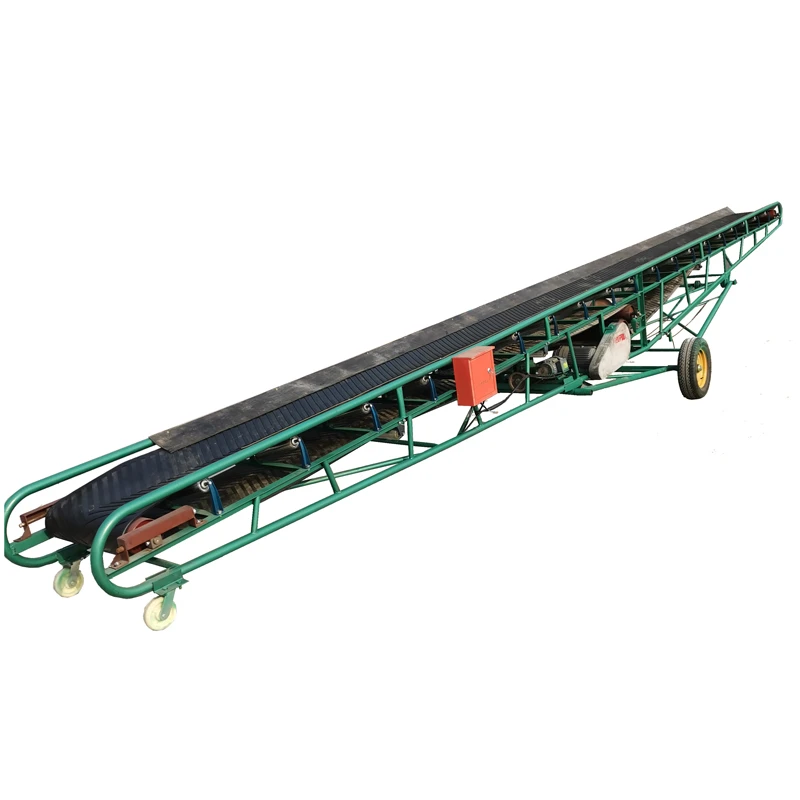
Having spent a good part of my career around industrial equipment, I’ve come to appreciate the understated strengths of an extruded aluminum conveyor. It might not sound flashy, but in real terms, this workhorse keeps factories humming smoothly. Oddly enough, while the market is filled with high-tech conveyor alternatives, the reliability and adaptability of extruded aluminum profiles mean they’re still the backbone of many production lines.
So, what’s behind this enduring popularity? Let me walk you through the main points, from design to deployment, and why engineers still often lean toward aluminum extrusion for conveyor frames.
A Quick Look at Extruded Aluminum Conveyor Basics
To start, extruded aluminum profiles are crafted by pushing heated aluminum billets through a shaped dye, creating long, consistent cross-sections – sort of like squeezing toothpaste out of a tube but way fancier. This process offers incredible flexibility in design, letting engineers customize widths, heights, and channel shapes quickly, without the hefty weight of steel.
What I appreciate most is aluminum’s combination of strength and weight. It’s strong enough to handle heavy loads but light enough to make assembly and rebuilding less of a pain. Plus, the natural corrosion resistance means less maintenance over years of operation.
Product Specifications at a Glance
| Specification | Details |
|---|---|
| Material | 6063 T5 Aluminum Alloy |
| Standard Profile Dimension | 30mm x 30mm, 40mm x 40mm, 45mm x 90mm |
| Tensile Strength | 180 MPa minimum |
| Finish | Natural anodized or powder coated options |
| Load Capacity | Up to 200 kg/m (varies by design) |
| Customization | Modular accessories, varied lengths, slot configurations |
By the way, when I was on the floor with some plant engineers recently, many emphasized how the modular nature of extruded aluminum conveyors lets them tweak line layouts in a snap without calling in specialists or waiting weeks. This is honestly one of the biggest wins in fast-paced or frequently changing production environments.
Comparing Top Vendors: What Sets Each Apart?
Choosing the right supplier is critical, and I’ve seen firsthand how vendor differences can impact cost, quality, and support.
| Feature | HG Conveyor Belt | Competitor A | Competitor B |
|---|---|---|---|
| Customization Options | Extensive modular profiles & accessories | Limited to standard profiles | Moderate customization with extra cost |
| Delivery Time | 2-3 weeks typical | 4-6 weeks | 3-4 weeks |
| Quality Consistency | High (QC checks every batch) | Variable; reports of occasional defects | Good but less rigorous QC process |
| Customer Support | Responsive, knowledgeable team | Standard support hours only | Some delays reported |
In my experience, HG Conveyor Belt distinctly stands out for their flexible solutions and hands-on customer care. They’re not just selling conveyor parts; they are focused on real-world usability. Honestly, that’s the kind of vendor relationship you want when a production line’s uptime is on the line.
Where Extruded Aluminum Conveyors Really Shine
Let me just say, the little things matter: ease of installation, the ability to reconfigure without heavy tools, or the fact that aluminum doesn’t rust in typical factory environments. You get a conveyor system that feels versatile. A small automotive parts supplier I worked with once switched their entire line to extruded aluminum conveyors and recounted how their maintenance time dropped by about 30%. That kind of operational efficiency can feel like winning the lottery in industry circles.
With ongoing trends pushing for customizable, lightweight, yet durable materials, extruded aluminum conveyors fit the bill nicely. They also harmonize well with other modular systems — and integrate smoothly with automation upgrades.
Anyway, I suppose it’s no surprise these conveyors continue to be a mainstay. If you want something practical and flexible that carries its weight (pun intended) in your warehouse or production line, extruded aluminum conveyor systems remain a safe bet.
For those curious, take a closer look here. You’ll find plenty of options that reflect years of industry know-how packed into solid engineering.
That’s all from my side — thanks for reading!
References / Further Reading
- Aluminum Extrusion Profiles in Conveyor Systems, Industrial Design Journal, 2020
- Material Handling Trends Report 2023, Manufacturing Today
- Quality Management Practices in Conveyor Manufacturing, Engineering Digest, 2022