Sludge Conveyor: The Unsung Hero of Industrial Waste Management
Having spent over a decade in the industrial equipment sector, I've seen my fair share of gear that quietly keeps operations humming behind the scenes. Among these unsung heroes, the sludge conveyor stands out — it’s not flashy, but its role is crucial when you’re dealing with the messy, sticky stuff that nobody wants to handle manually.
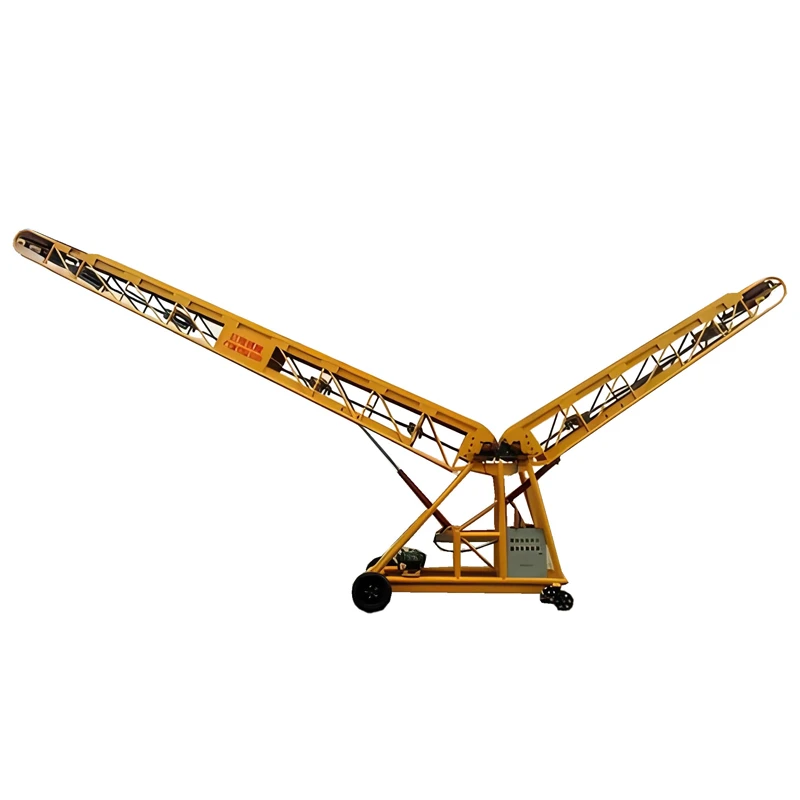
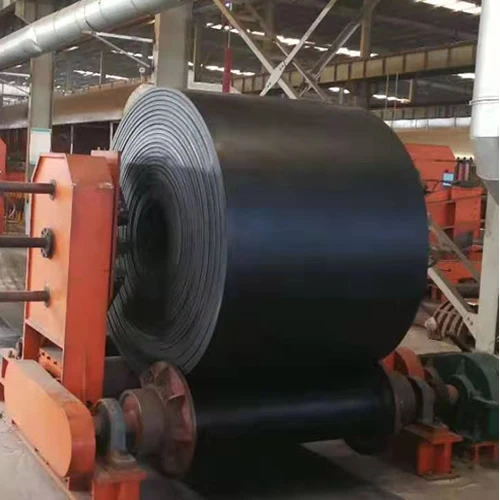
Sludge conveyors, in simple terms, are specialized conveyor belts designed to transport sludge safely and efficiently, especially in wastewater treatment plants, mining operations, and chemical processing facilities. I recall one project where a bottleneck in sludge removal was causing daily delays that were frustrating everyone. After upgrading to a sturdier, more custom-configured sludge conveyor, productivity picked up remarkably.
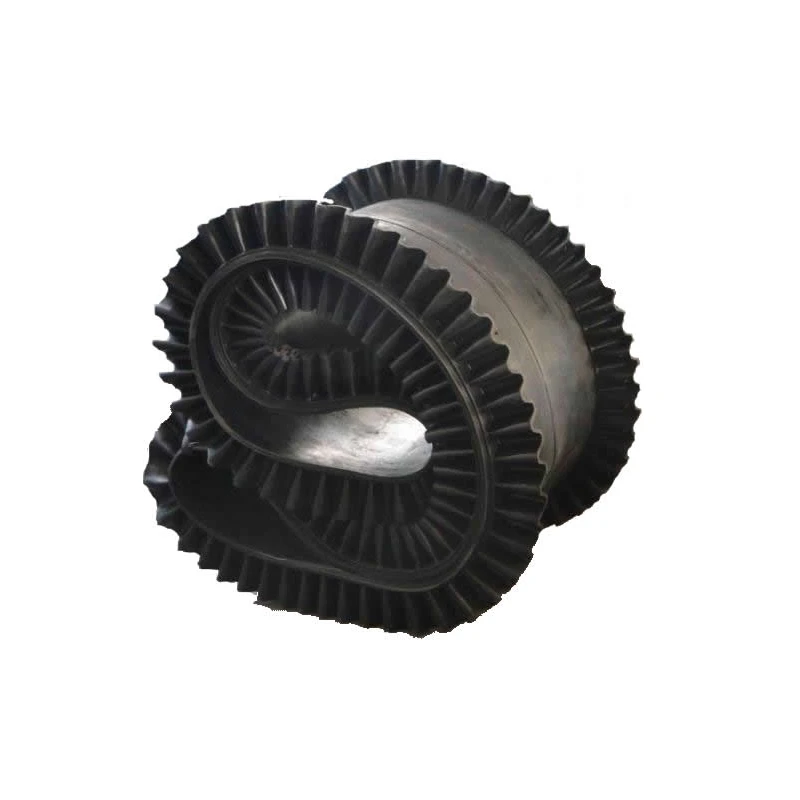
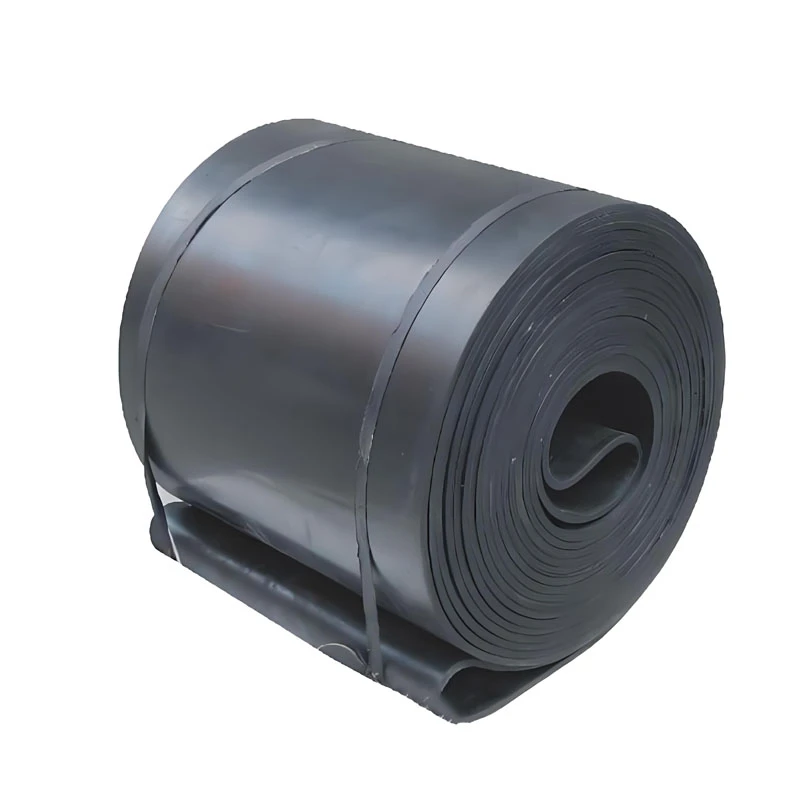
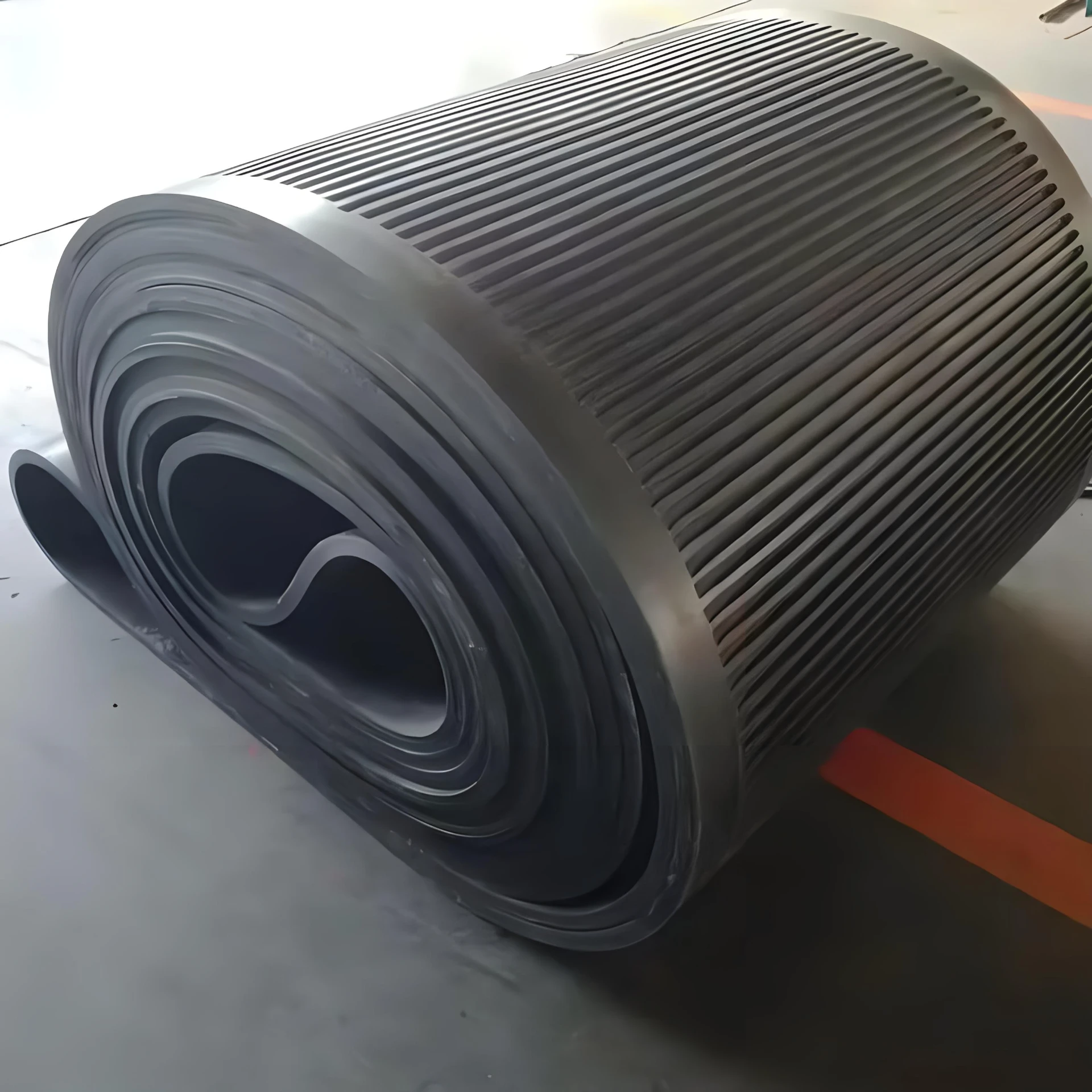
Now, what really makes a sludge conveyor tick? Frankly, the material choice and belt design are critical. Most sludge is heavy, abrasive, and full of moisture. So, manufacturers generally use abrasion-resistant rubber compounds with carcasses reinforced by steel cords or polyester fabric to handle the strain without premature wear. On one job, I noticed the switch from a standard belt to a modular, cleated design made sludge handling far more reliable — it minimized slippage and buildup.
In real terms, the loading and discharge points’ geometry and the conveyor's speed must be finely balanced too. Too fast, and the sludge splashes; too slow, and you risk backup. Many engineers I’ve talked to swear by variable speed drives (VSDs) incorporated in these systems - they offer the flexibility to adapt to different sludge consistencies.
Of course, testing these conveyors is no straightforward affair. It’s not just about running the belt under load. The equipment must demonstrate resistance to corrosive chemicals, temperature fluctuations, and occasional shock loads. That’s why good manufacturers emphasize full-scale trials and onsite startup assistance.
| Feature | Description |
|---|---|
| Belt width | 500 mm to 2000 mm |
| Belt material | Abrasion and chemical-resistant rubber compound |
| Carcass | Steel cords or polyester fabric reinforced |
| Cleat height | 20 mm - 50 mm (optional, for incline transport) |
| Max incline angle | Up to 30 degrees |
| Operating temperature | -20°C to +70°C |
| Drive type | Electric motor with VSD (optional) |
But, not all sludge conveyor suppliers are created equal. When I compare a few prominent vendors over the years, features like belt durability, custom tailoring/patterning, service quality, and installation support separate the leaders from the also-rans. Here's a quick comparative snapshot based on my experience and client feedback:
| Vendor | Belt Quality | Customization | After-sales Support | Pricing |
|---|---|---|---|---|
| HG Conveyor Belt | Excellent (abrasion & corrosion resistant) | High (tailor-made for sludge type) | Responsive, global reach | Competitive |
| Vendor A | Good | Medium | Moderate response time | Moderate |
| Vendor B | Fair | Low | Limited support | Low |
I suppose the takeaway here is that when you select a sludge conveyor, don’t just think “belt.” Consider the full package — materials, design, service, and how well the vendor understands your site's nuances. Oddly enough, after years in this field, the most reliable equipment comes from those who listen closely to users and adapt rather than just push standard specs.
In one memorable installation, the choice to work with a supplier that offered on-site belt adjustment and quick replacement parts saved a client from weeks of downtime after unexpected sludge aggression chewed through their original belt — a costly lesson reinforced.
So, if you’re navigating sludge conveyor options for your next project, remember it’s not just about moving gunk around — it’s about keeping your entire process flowing smoothly and safely. And frankly, picking the right conveyor belt can make all the difference between a headache and a hassle-free system.
A final note: good sludge conveyors might not make headlines, but they sure make operations possible.
- Industry reports on conveyor longevity – International Journal of Material Handling, 2021.
- Case study: Wastewater treatment plant upgrades – WaterTech Insights, 2020.
- HG Conveyor Belt product manual and customer testimonials, 2023.