Dewatering Conveyor: The Unsung Hero of Modern Industry
At first glance, a dewatering conveyor might sound like dry, technical jargon—no pun intended. But its role in industries around the world is critical, quietly keeping processes efficient, costs down, and the environment safer. In a global landscape where resource management and sustainability are on everyone’s minds, understanding what a dewatering conveyor does is more important than you might expect.
Global Importance of Dewatering Conveyors
Water management is a cornerstone of many industrial activities—from mining to wastewater treatment. According to UN Water, billions of cubic meters of water are involved in industrial processes annually, with significant demand to remove excess water effectively. This is where dewatering conveyors come in, addressing a persistent challenge: how to efficiently separate water from solids in a continuous, automated way.
Without efficient dewatering solutions, industries face higher operational costs, environmental risks, and regulatory penalties. For example, mining operations in Australia and Canada have seen significant improvements in tailings management thanks to modern conveyor belt systems designed specifically for dewatering. The ability to process sludges and solids swiftly minimizes water usage and reduces landfill footprint—big wins on sustainability goals.
What Exactly Is a Dewatering Conveyor?
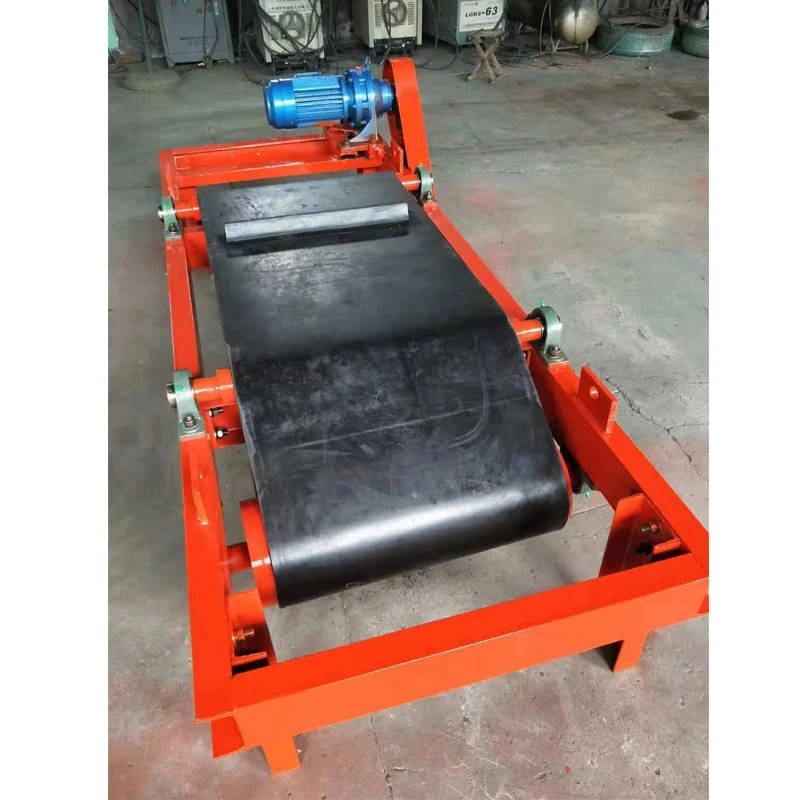
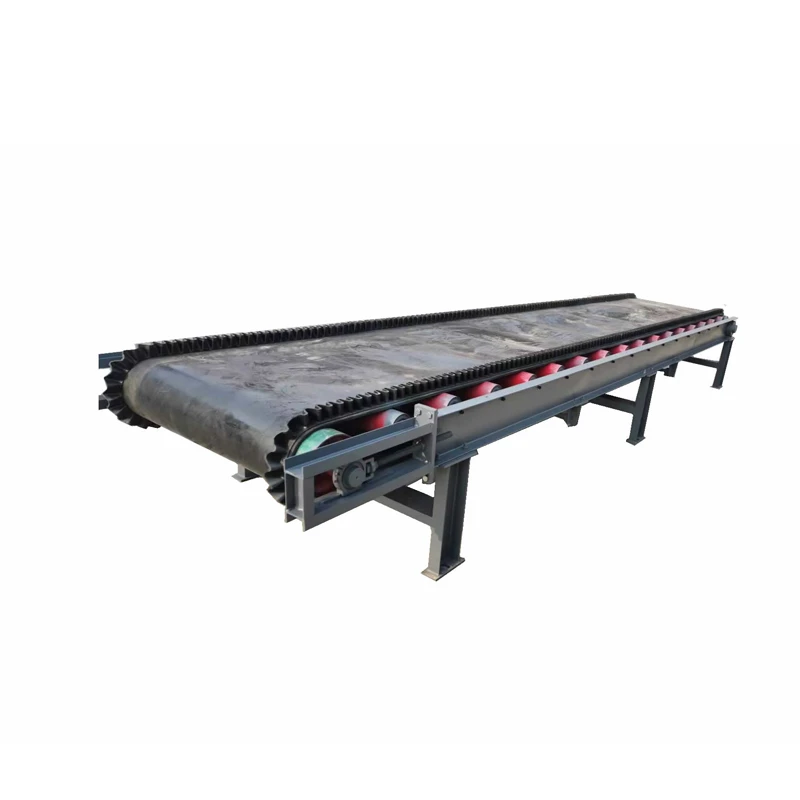
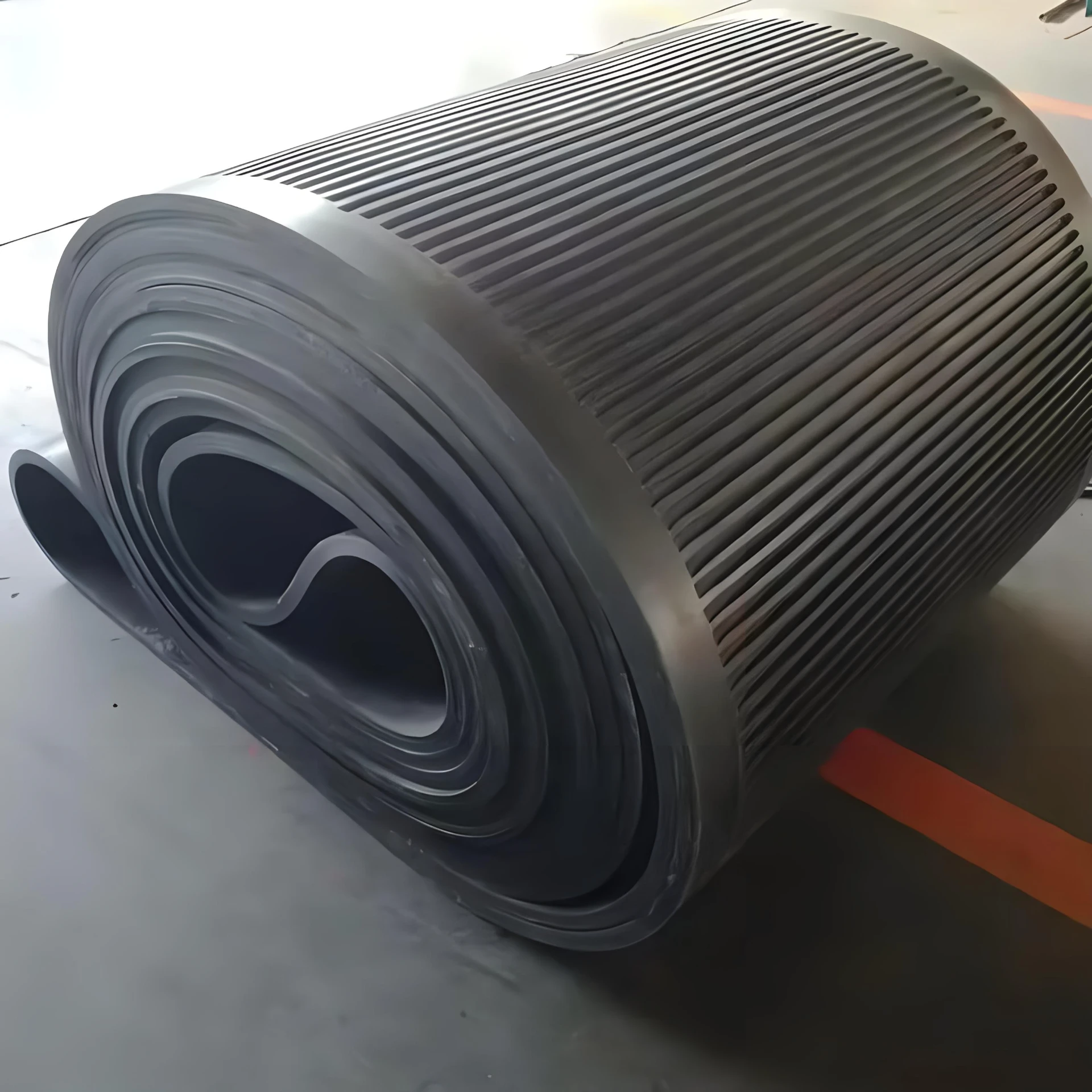
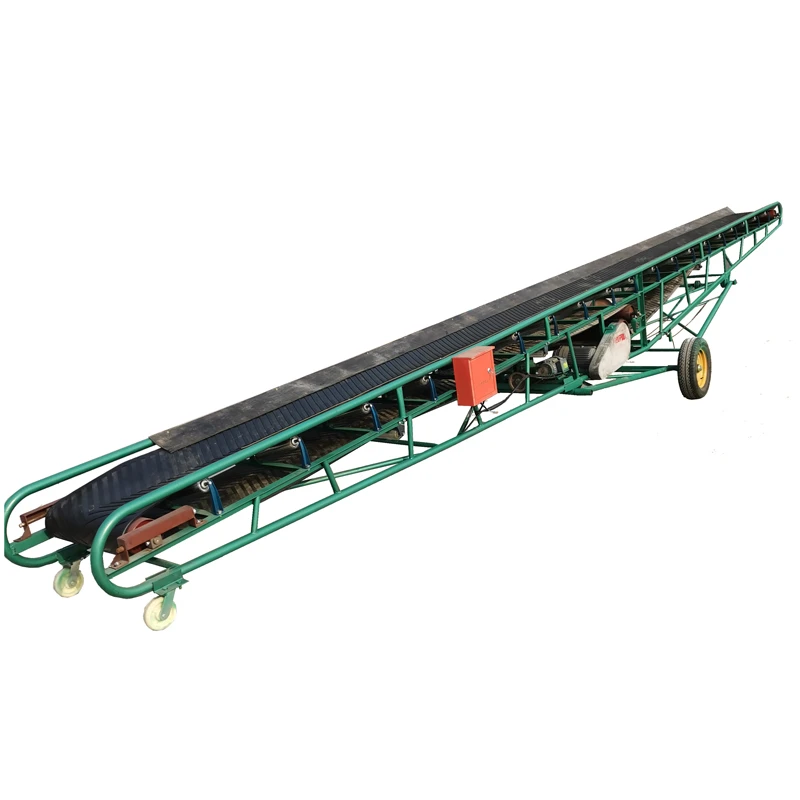
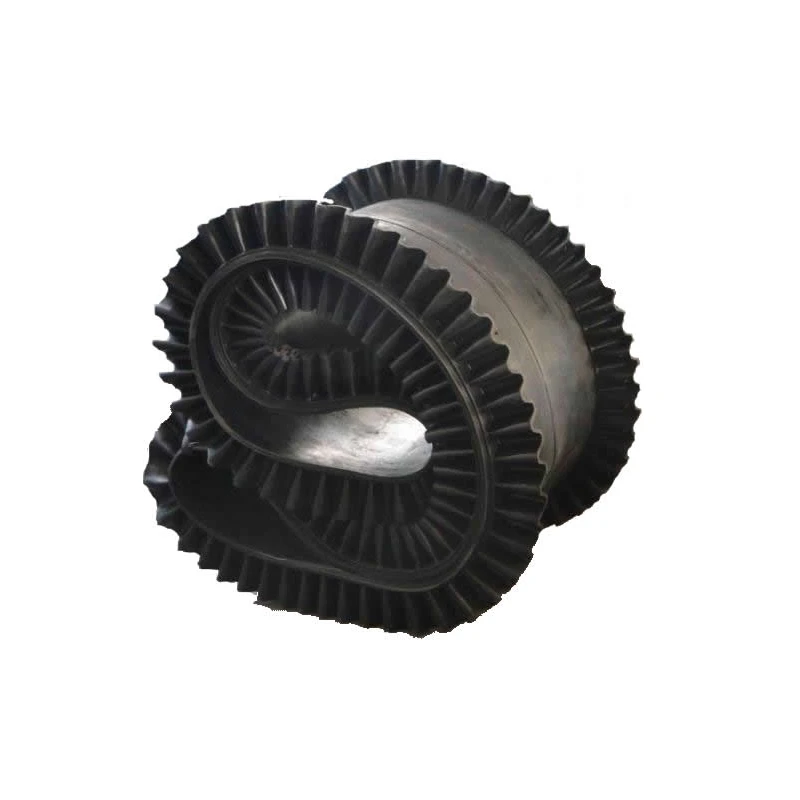
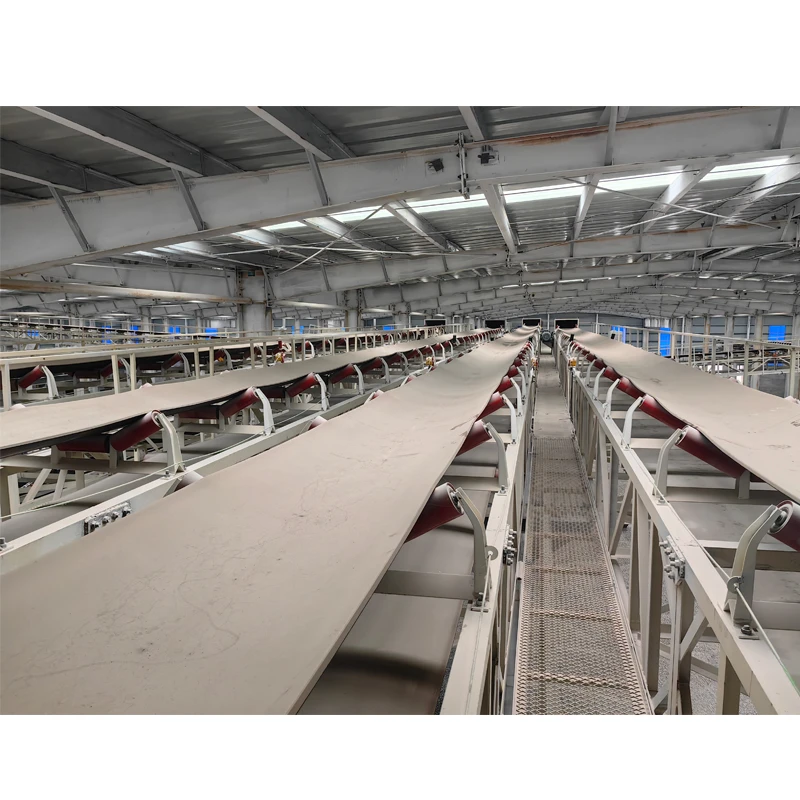
Simply put, a dewatering conveyor is a type of conveyor belt system designed to separate excess water from solids—think mud, sludges, or slurries—and move the solid material away for further processing or disposal. Unlike regular conveyors, these systems incorporate drainage belts, sometimes layered with special meshes or fabrics, allowing liquids to drain through while solids are transported.
These conveyors aren’t just machinery; they’re vital cogs in industries needing to keep water circulation in check. Whether it’s protecting downstream equipment from damage or reducing environmental contamination, the role of a dewatering conveyor is both practical and critical.
Key Components & Factors of Dewatering Conveyors
1. Durability
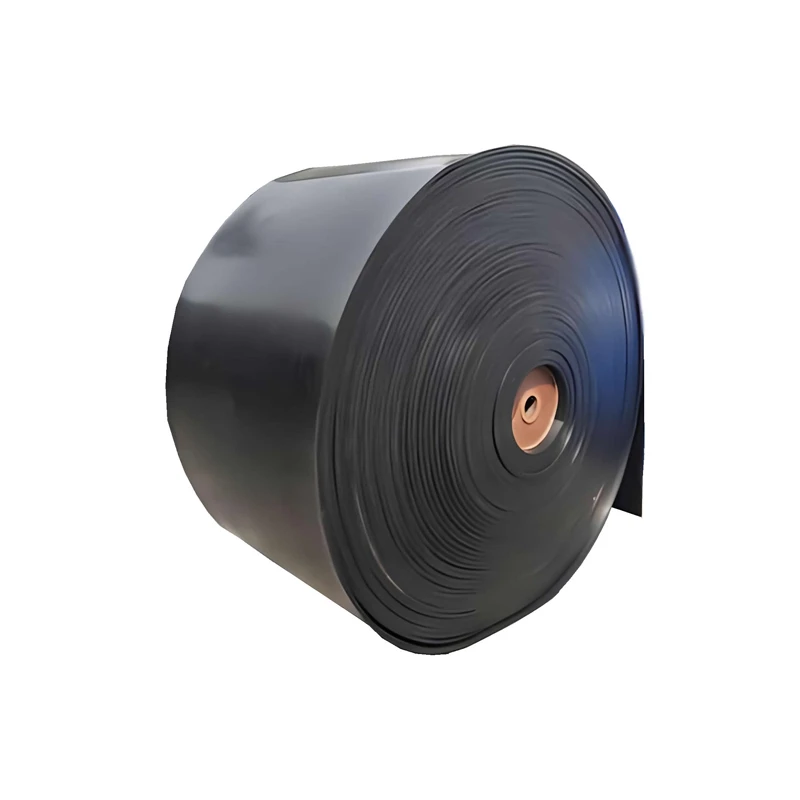
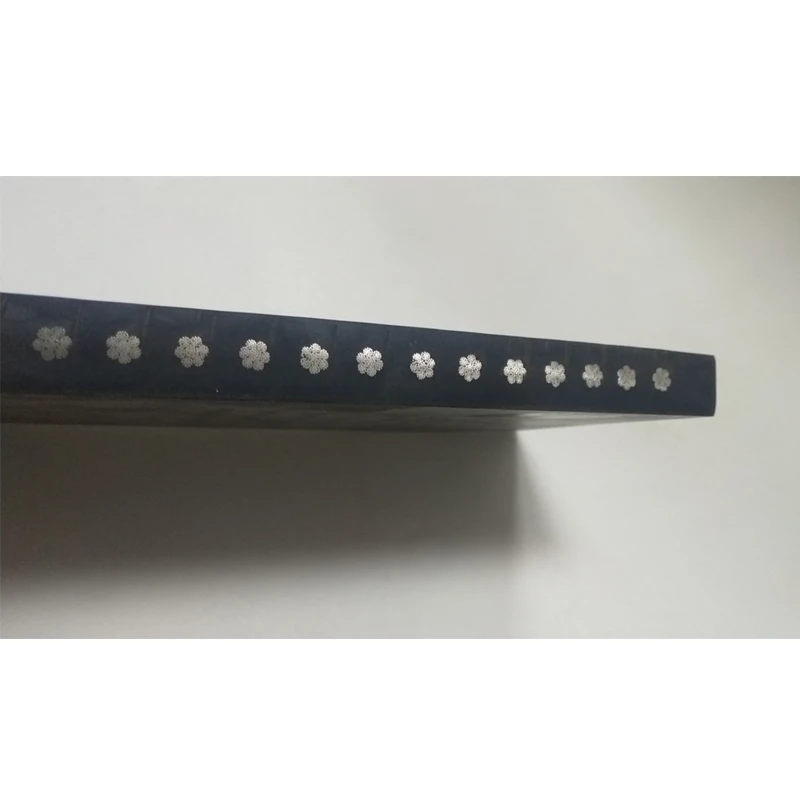
Dewatering conveyors operate in harsh environments — wet, abrasive, and often chemically challenging. The belts are designed with special materials such as polyester or PVC with drainage holes and resistant to wear and tear. This ensures the belt doesn’t degrade quickly, which would otherwise cause downtime and repairs.
2. Scalability
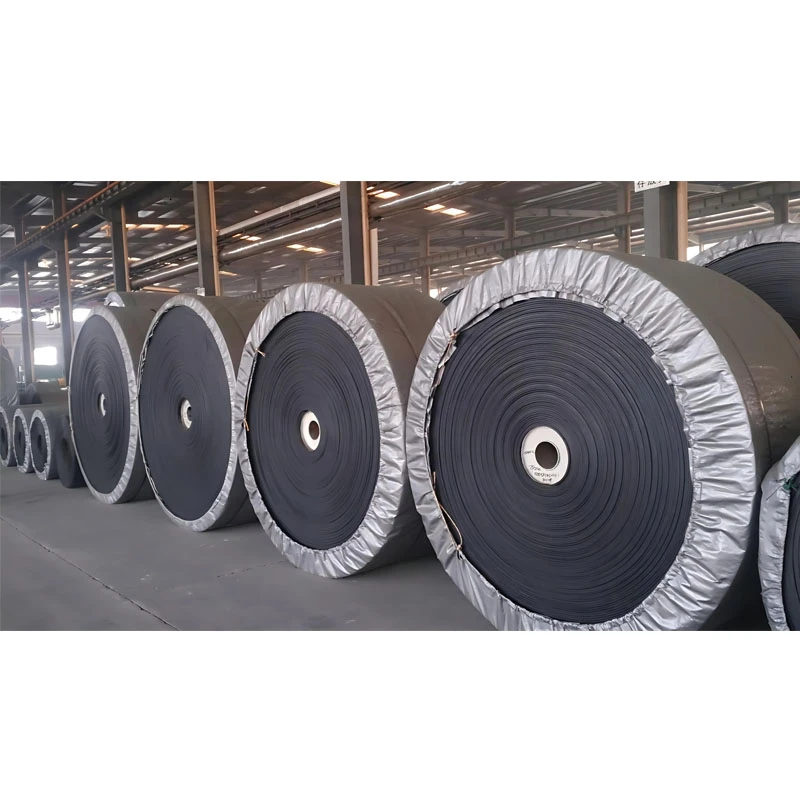
From small wastewater plants to large-scale mining operations, dewatering conveyors come in a myriad of sizes and configurations. Scalability means the system can be tailored for throughput capacity, belt width, and speed, depending on the material being processed.
3. Cost Efficiency
While initial investments can be significant, the return on investment is substantial when factoring in water recycling, reduced hauling costs for wet solids, and lower regulatory compliance expenses.
4. Maintenance Simplicity
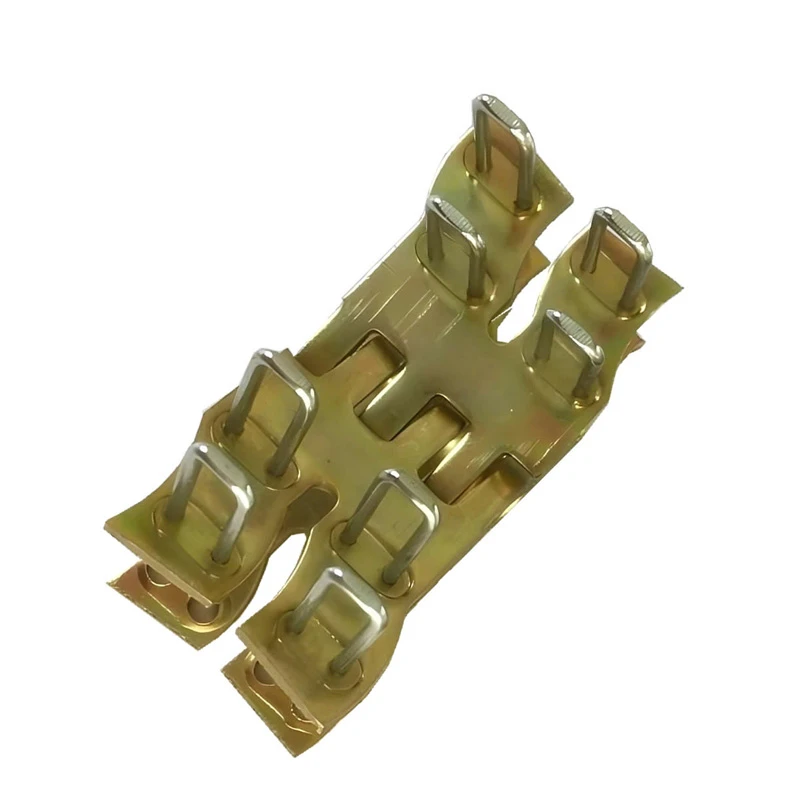
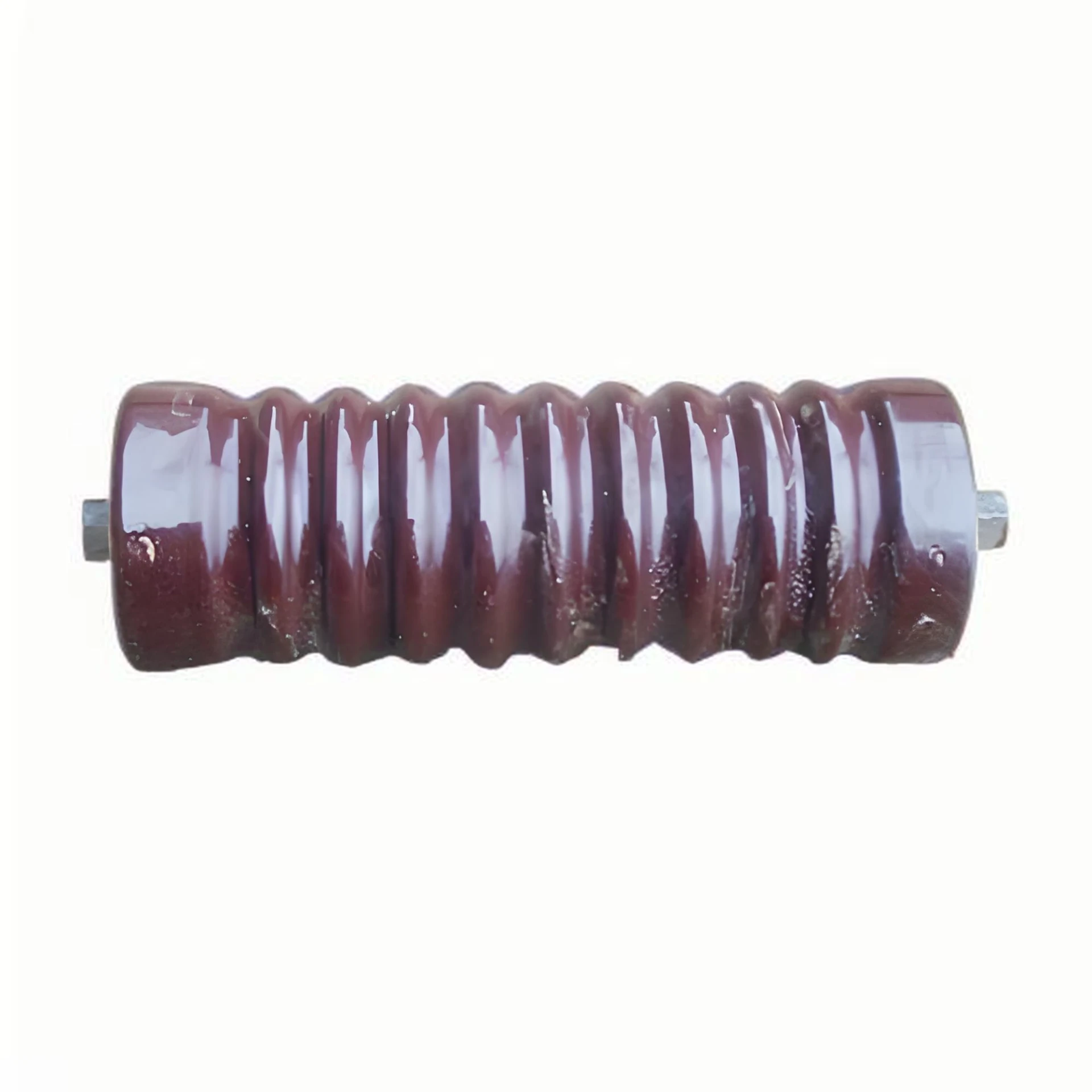
Because they run continuously, downtime is expensive. Modern dewatering conveyors have modular components and easy-to-replace belts, making upkeep more straightforward for operators.
5. Environmental Compliance
Facilities using these conveyors can meet strict wastewater discharge standards by effectively lowering moisture content before further processing or disposal.
Typical Product Specifications of a Dewatering Conveyor
| Specification | Details |
|---|---|
| Belt Width | 600mm – 2000mm |
| Belt Type | PVC, PU with perforations |
| Load Capacity | Up to 15 tons/hour |
| Operating Speed | 0.5 – 3.5 m/s |
| Material Thickness | 3mm – 10mm |
| Maximum Operating Temperature | 70°C |
Mini takeaway: A dewatering conveyor is a nuanced blend of specialized materials, engineering, and adaptable design, making it fit to tackle tough industry-specific challenges effectively.
Global Applications and Real-World Use Cases
This technology isn’t just for mines or big industrial plants. In fact, the dewatering conveyor finds use in several diverse environments worldwide. Let me give you a few examples:
- Mining sites in Canada & Australia: Tailings dewatering conveyors reduce water use and help with safer waste containment.
- Wastewater treatment plants in Europe: These conveyors assist in sludge handling, allowing for more efficient solid-liquid separation.
- Food processing industries: Where washing and dewatering steps are vital, such as in vegetable or seafood processing.
- Post-disaster cleanup projects: In places hit by floods, dewatering conveyors help rapidly separate silt and debris, speeding recovery efforts.
Oddly enough, they often go unnoticed because they quietly support huge operational gains—once you’ve seen a plant without one, you realize how inefficient life can be!
Advantages & Long-Term Value of Dewatering Conveyors
The business case for investing in robust dewatering conveyor systems stacks up nicely:
- Cost savings: Less water in solids means lighter loads and cheaper transport or disposal.
- Sustainability: Promotes water recycling, reducing environmental impact.
- Reliability: Industry-proven designs lead to less downtime and maintenance hassles.
- Safety & Compliance: Decreasing wet materials lowers slip hazards and helps meet stringent regulations.
On a human level, it fosters trust and safety in communities around large industrial sites, preserving dignity by preventing water contamination and resource wastage.
Emerging Trends and Innovations in Dewatering Conveyor Technology
Manufacturers are keenly focused on making dewatering conveyors smarter, more sustainable, and energy-efficient. Some trends include:
- Integration with IoT sensors: Real-time monitoring of moisture and belt health to preempt failures.
- Use of bio-based or recycled belt materials: Aligning with circular economy principles.
- Automation and AI analytics: To optimize dewatering processes dynamically.
- Hybrid power options: Solar-assisted conveyor drives for remote locations.
I suppose it’s safe to say the future of these conveyors is less about just moving stuff and more about intelligent environmental stewardship.
Common Challenges and How Experts Overcome Them
Like all tech, dewatering conveyors face hurdles:
- Belt clogging or damage: Using modular designs and better drainage meshes helps reduce downtime.
- Handling sticky or variable materials: Adjustable belt tension and speed controls are innovations tackling this.
- Initial investment costs: ROI-focused project design and leasing options help ease budget barriers.
Many operators emphasize diligent maintenance and supplier partnerships as the real secret sauce to overcoming these challenges.
FAQs About Dewatering Conveyor
- Q: What industries benefit most from dewatering conveyors?
A: Mostly mining, wastewater treatment, food processing, and industrial waste management, where separating solids from liquids efficiently is crucial. - Q: How do dewatering conveyors differ from regular conveyors?
A: They have perforated or mesh belts designed to drain liquids as solids move, unlike solid belts that transport dry goods. - Q: Can dewatering conveyors be customized for different waste materials?
A: Absolutely. Engineers tailor belt material, width, speed, and drainage properties based on the material type and process requirements. - Q: Are dewatering conveyors environmentally friendly?
A: Yes. They reduce water waste and help industries recycle water, supporting sustainability efforts.
Conclusion: Harnessing Efficiency & Sustainability with Dewatering Conveyors
So, whether you’re managing tailings in a sprawling mine or processing sludge at a municipal plant, the dewatering conveyor plays a quietly powerful role. It’s a blend of smart design, durable materials, and practical engineering that saves money, conserves resources, and keeps industries safer and cleaner.
If you want to deepen your understanding or explore tailored solutions, don’t hesitate to visit our website—there’s a whole world of conveyor technology waiting to serve your needs better.
Vendor Comparison: Leading Dewatering Conveyor Suppliers
| Vendor | Product Range | Innovation Features | Price Range |
|---|---|---|---|
| HGC Conveyor | Customizable belts, modular units | Eco-friendly materials, IoT integration | $$ - $$$ |
| ABC Industrial | Standard belts, fixed sizes | Durability focus | $ - $$ |
| Global Conveyor Co. | Wide industrial range | AI-based process optimization | $$$ |
Final thought: Choosing the right partner for your dewatering needs isn’t just about specs — it’s about matching expertise and innovation with your unique challenges.
References:
1. UN Water - Industrial Water Statistics
2. Wikipedia - Conveyor Belt
3. International Organization for Standardization (ISO) - Environmental Standards