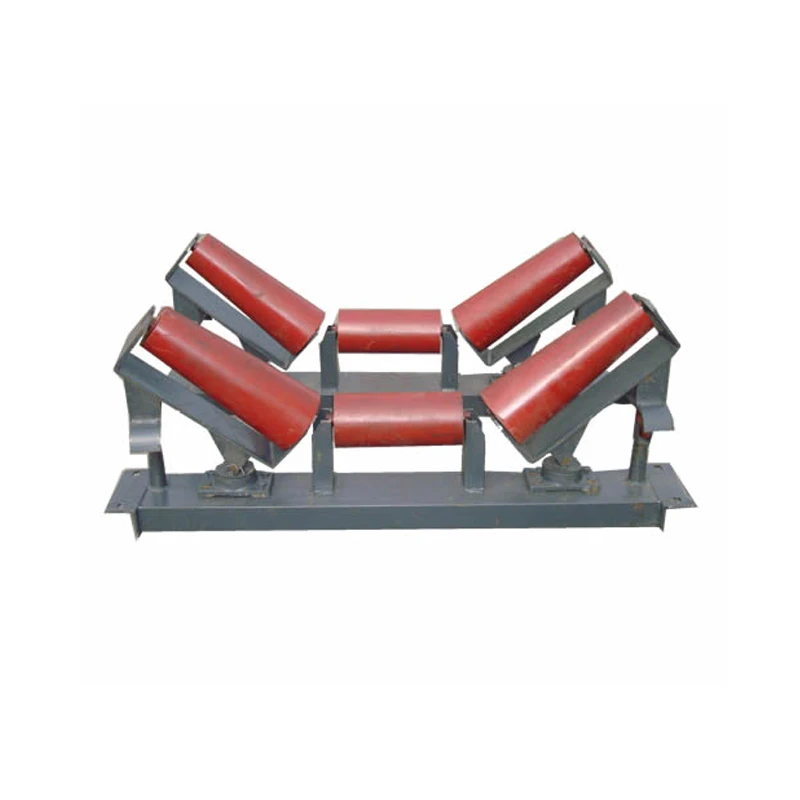
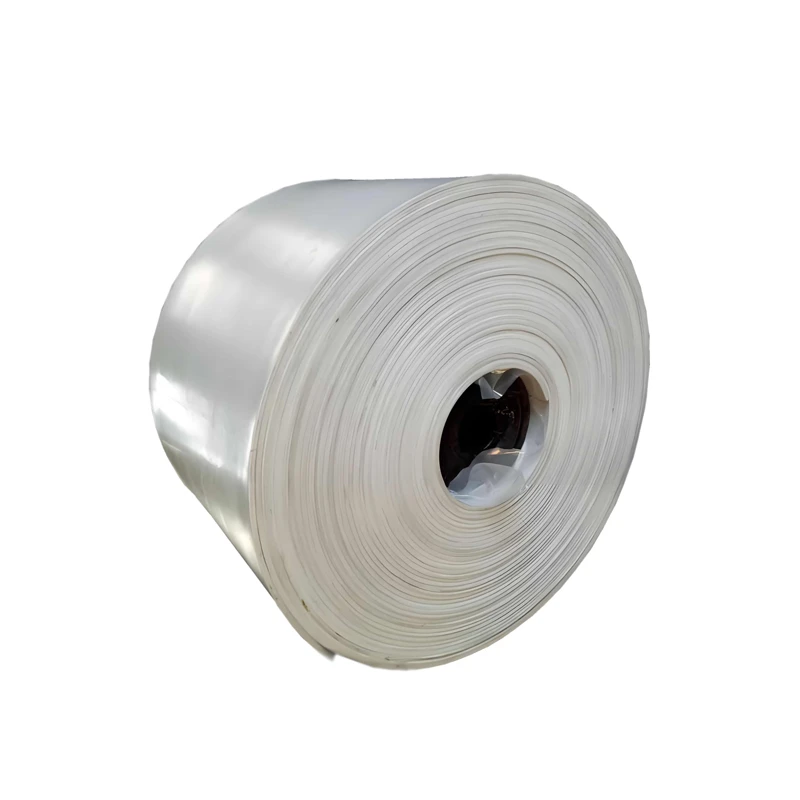
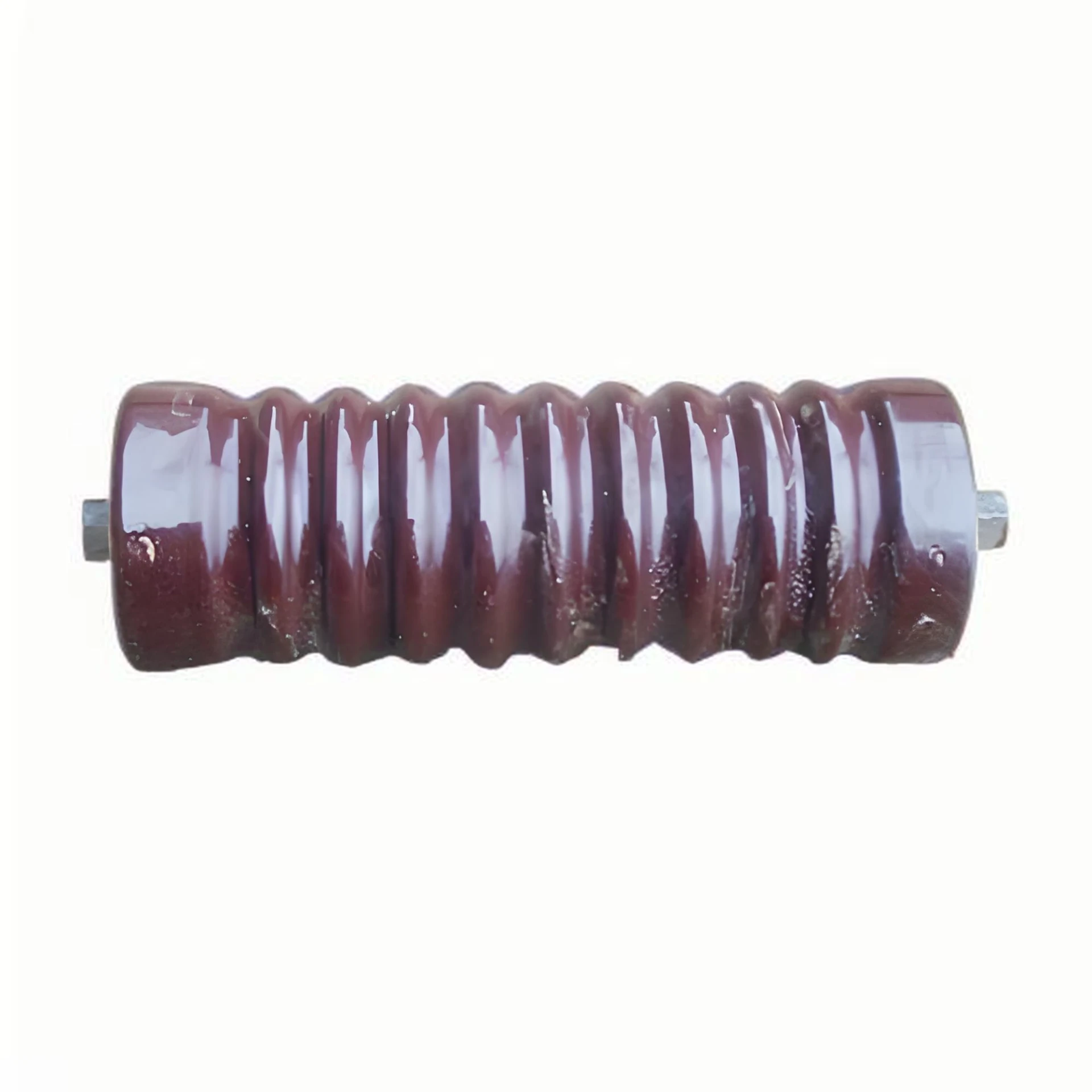
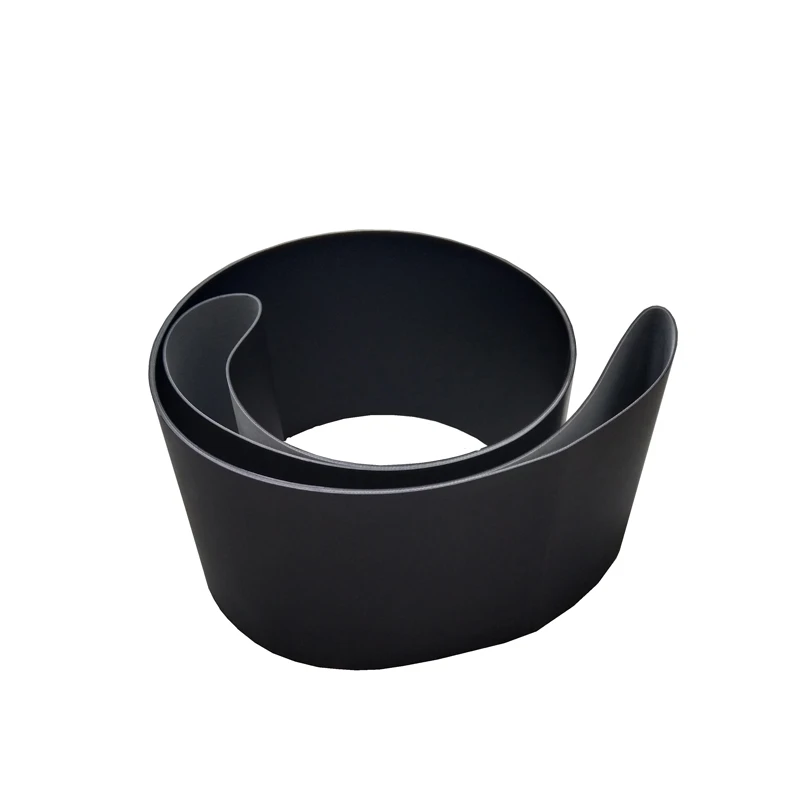
Rubber Roller Conveyor is a key solution in the industry, specifically within material handling and manufacturing sectors. This article explores how https://www.hgconveyorbelt.com supports professionals with durable, high-performance products, and explains why this product is an ideal choice for businesses in these sectors.
Table of Contents
- Rubber Roller Conveyor Overview
- Benefits & Use Cases of Rubber Roller Conveyor
- Cost, Maintenance & User Experience
- Sustainability & Market Trends
Rubber Roller Conveyor Overview
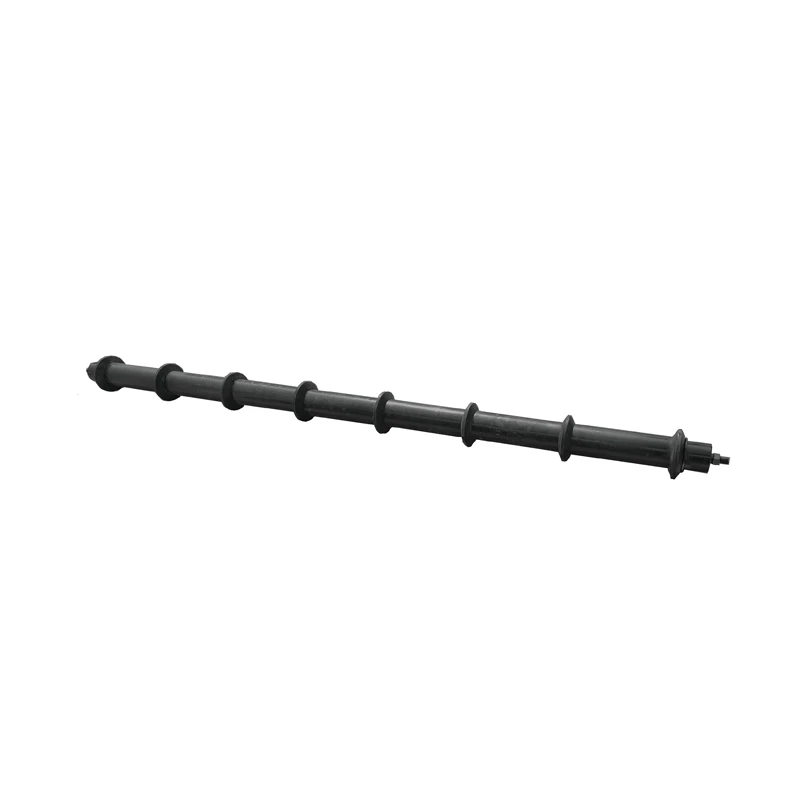
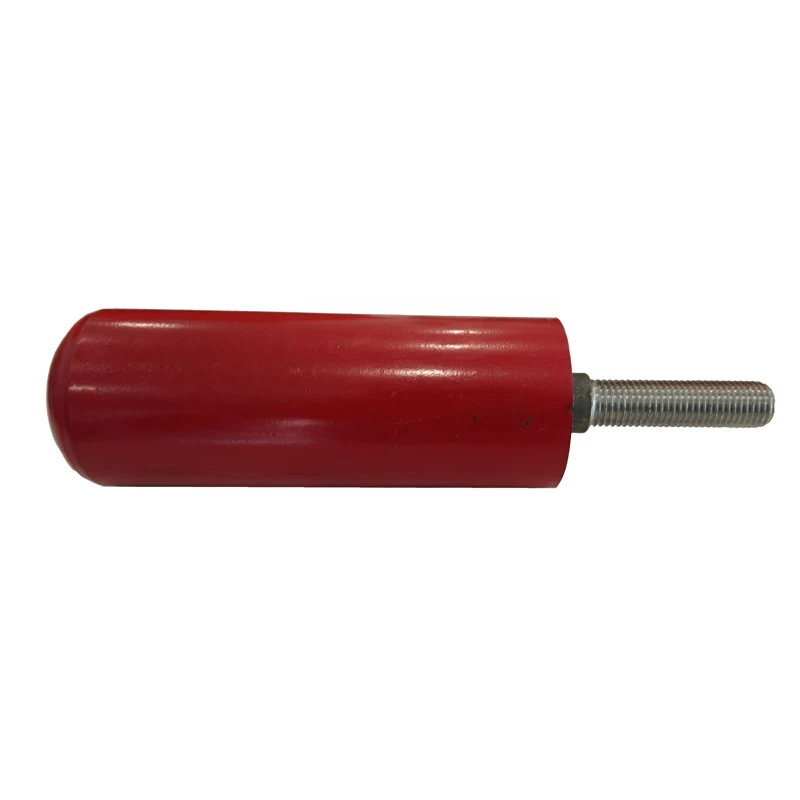
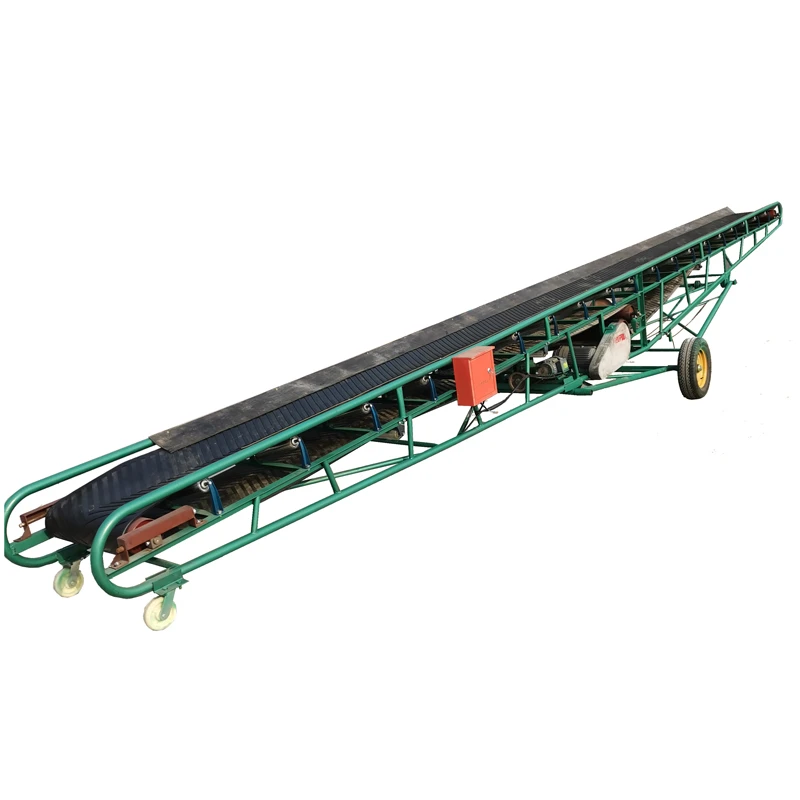
At its core, a Rubber Roller Conveyor is a transport system where rollers covered with rubber facilitate the smooth movement of goods and materials across manufacturing and distribution facilities. The rubber surface isn’t just for grip — it dampens vibrations and reduces noise, offering a gentler touch for delicate items. If you've ever seen conveyor systems in logistics hubs or automotive plants, there's a good chance resources were gliding along rubber rollers without a fuss.
- The product’s technical specs typically include roller diameters from 50mm up to 120mm, rubber hardness measured around 60-70 Shore A, and load capacities often exceeding 100kg per roller.
- One notable case study from a packaging firm showed a 20% decrease in product damage after switching to rubber roller conveyors, thanks to their shock-absorbing properties.
Benefits & Use Cases of Rubber Roller Conveyor
Oddly enough, one of the biggest selling points of rubber roller conveyors isn’t just durability but their quiet operation – a feature that’s gained traction in e-commerce warehouses where ambient noise reduction improves worker comfort.
- Industries such as food processing, automotive assembly, and packaging rely heavily on these conveyors to handle products of varying weights and sensitivities without marking or damaging them.
- Compared to steel rollers, rubber rollers provide better grip, which means less slippage and a decrease in frequent product stoppages — boosting overall throughput.
| Specification | Value |
|---|---|
| Roller Diameter | 50mm - 120mm |
| Rubber Hardness (Shore A) | 60 - 70 |
| Load Capacity per Roller | Up to 100kg |
| Temperature Range | -20°C to 80°C |
| Typical Material | Natural & Synthetic Rubber |
Cost, Maintenance & User Experience
Taking a step back to costs — rubber roller conveyors often come with a higher upfront price than traditional steel rollers, but the ROI tends to make up for that quickly. Their durability means they rarely require premature replacement, and maintenance is usually straightforward with simple cleaning and periodic inspections.
- Many users report a reduction in downtime by up to 15% compared to conventional conveyors, largely because rubber rollers resist wear and tear better in harsh environments.
- In real terms, operators appreciate the smoother transport and the lower noise level, which contributes to a better workplace atmosphere.
Sustainability & Market Trends
Sustainability is no longer just a buzzword in manufacturing; it’s a mandate. Rubber materials used in modern conveyors are increasingly sourced with recycled or eco-friendlier compounds. Companies like HG Conveyor Belt actively innovate rubber formulations to reduce environmental impact while maintaining performance.
- Strict industry regulations are pushing conveyor manufacturers to prioritize durability to reduce waste and extend service life.
- Market analysts project steady growth in rubber roller conveyor demand, driven by expanding e-commerce and automated distribution centers.
Frequently Asked Questions about Rubber Roller Conveyor
- What is Rubber Roller Conveyor and how does it work?
- Simply put, a Rubber Roller Conveyor is a system that moves materials using cylindrical rollers coated with rubber. The rubber surface grips items gently while allowing them to roll smoothly, minimizing damage and noise during transport.
- What are the main benefits of using Rubber Roller Conveyor in industrial applications?
- Key benefits include reduced product damage due to shock absorption, quieter operation, improved grip for varying product weights, and enhanced durability in harsh conditions compared to bare metal rollers.
- How does Rubber Roller Conveyor compare to traditional alternatives?
- Rubber rollers absorb vibration and provide better traction versus traditional metal rollers, resulting in less product slippage and wear. They’re also quieter and reduce the risk of damaging sensitive goods, although initial costs can be slightly higher.
- What industries can benefit most from Rubber Roller Conveyor implementation?
- Core industries are logistics, automotive, food & beverage processing, pharmaceuticals, and packaging—any sector where product integrity and smooth, quiet transport are priorities.
Conclusion on Rubber Roller Conveyor from china
To wrap up, Rubber Roller Conveyors are a versatile, reliable choice for many B2B operations seeking to optimize material flow. Their balance of durability, quiet operation, and lower product damage can translate directly to operational gains. If you’re exploring options, visit our website: https://www.hgconveyorbelt.com for robust rubber roller conveyor solutions made in China with quality and customization in mind.
- Robust construction and proven performance in global industrial sectors.
- Customizable to fit varied facility layouts and product types.
| Vendor | Price Range | Customization | Lead Time | Sustainability Initiatives |
|---|---|---|---|---|
| HG Conveyor Belt | Medium | High – tailored solutions | 4-6 weeks | Uses recycled rubbers & eco-friendly tech |
| Vendor B | Low | Limited | 8-10 weeks | Minimal |
| Vendor C | High | Moderate | 3-4 weeks | Some use of eco-materials |
In reflection, the evolution of rubber roller conveyors mirrors the industrial need for smarter, quieter, and more sustainable material handling systems. Choosing the right vendor goes beyond specs — it’s about trust, experience, and forward-thinking design.
Sources:
1. Industry whitepapers on conveyor technology trends.
2. HG Conveyor Belt official product materials.
3. Case studies from logistics sector clients.
“Ultimately, the right conveyor can make all the difference — it’s those quiet, steady rollers that keep your business running smoothly.”