The Salt Conveyor: Backbone of Bulk Salt Handling
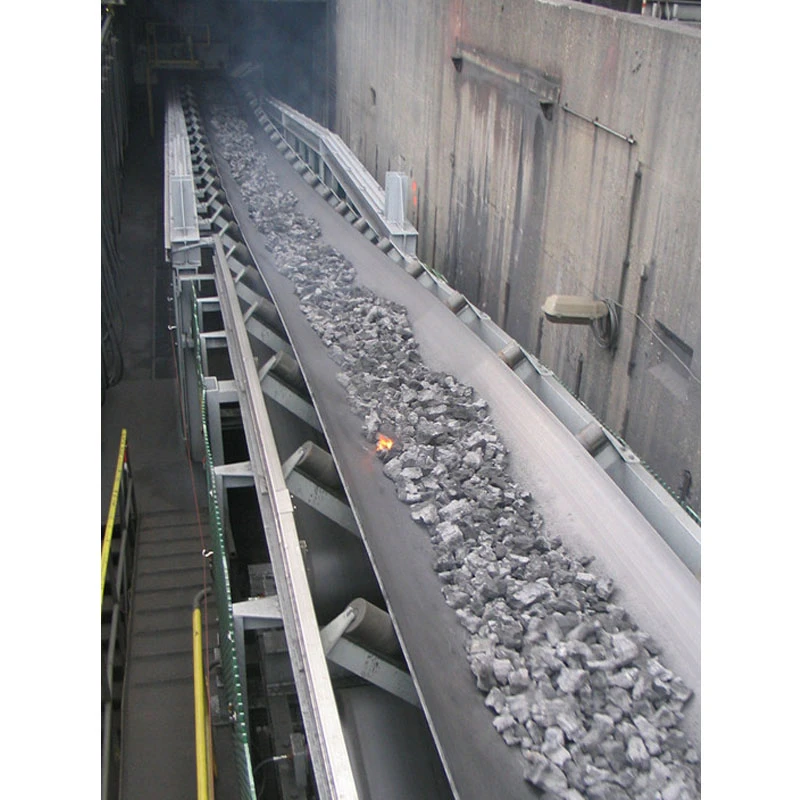
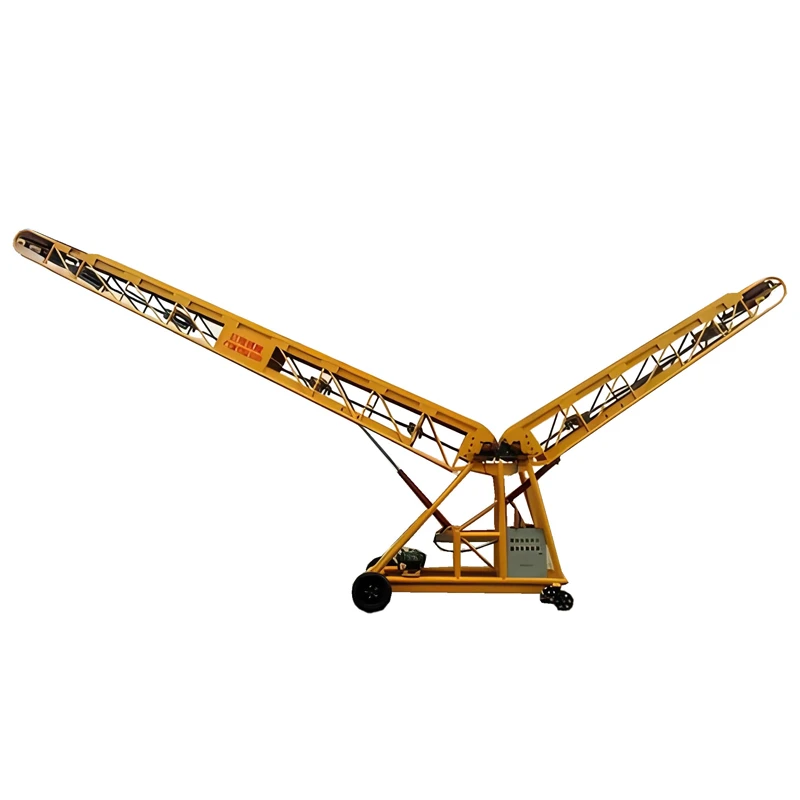
Having spent a good chunk of my working life in the trenches of industrial equipment, I can confirm one thing: handling salt in bulk isn’t as straightforward as it sounds. Salt is peculiar — it’s abrasive, corrosive, and demands special conveyor solutions that far surpass your standard belt systems. Oddly enough, it salt conveyor systems often get overlooked, despite being essential in everything from winter road maintenance to chemical plants.
In real terms, the design criteria for a conveyor moving salt usually revolve around corrosion resistance and material robustness. You might think, "It's just salt, how hard can it be?" But harsh environments and salt's corrosive nature mean typical conveyor components rust or degrade faster than you’d expect — which, frankly, can be costly to fix down the line.
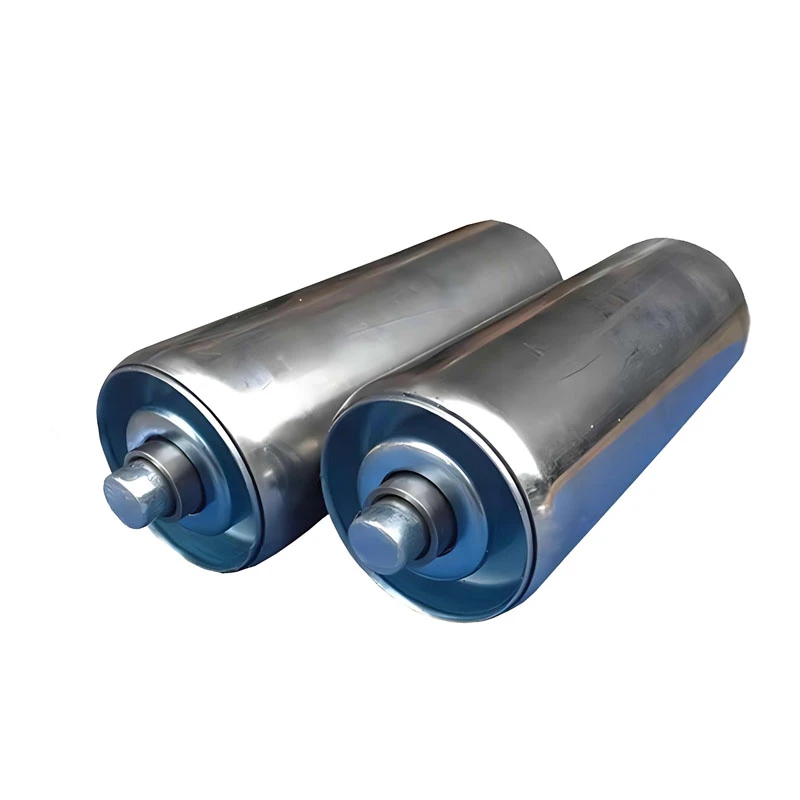
Back when I was consulting for a salt production facility in the Midwest, they opted for stainless steel components combined with heavy-duty conveyor belts embedded with anti-corrosive coatings. Their reasoning? To reduce downtime and extend operational lifespan — and it paid off remarkably well. The conveyor systems handled fine and coarse salt granules without clogging or accelerated wear. Plus, with sealed idlers and rust-resistant fasteners, maintenance frequency reduced by nearly 30%. Not bad, right?
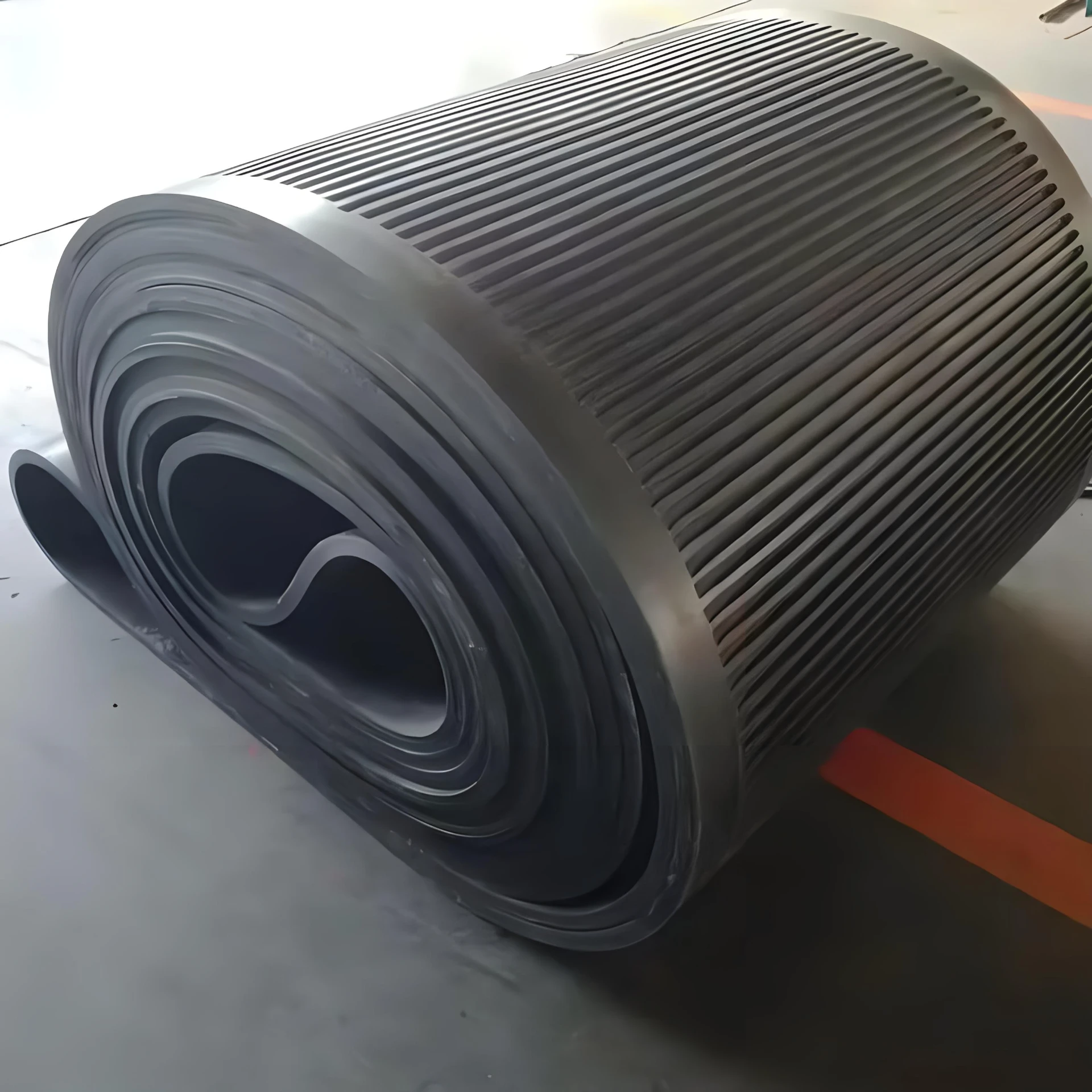
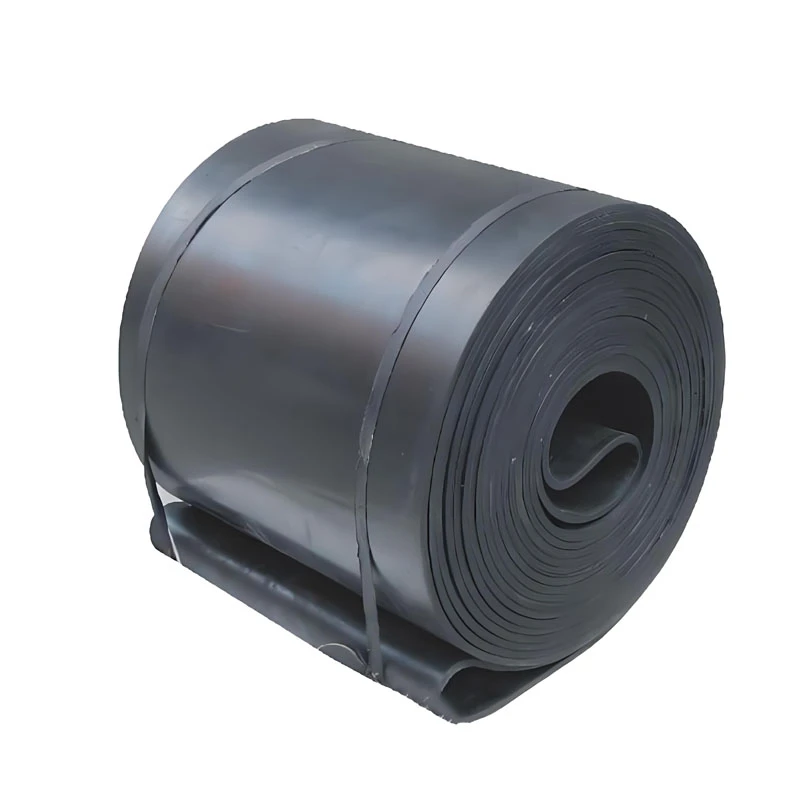
Many engineers also mention the importance of belt material. Polyurethane and PVC belts often come up as favorites because they resist abrasion and chemical damage. And if you’re inclined, modular plastic belts are a neat option for easy cleaning, especially if the salt is mixed with moisture or additives. In colder climates, heat tracing on rollers or belts can prevent salt build-up from freezing, which is a subtle but super helpful feature.
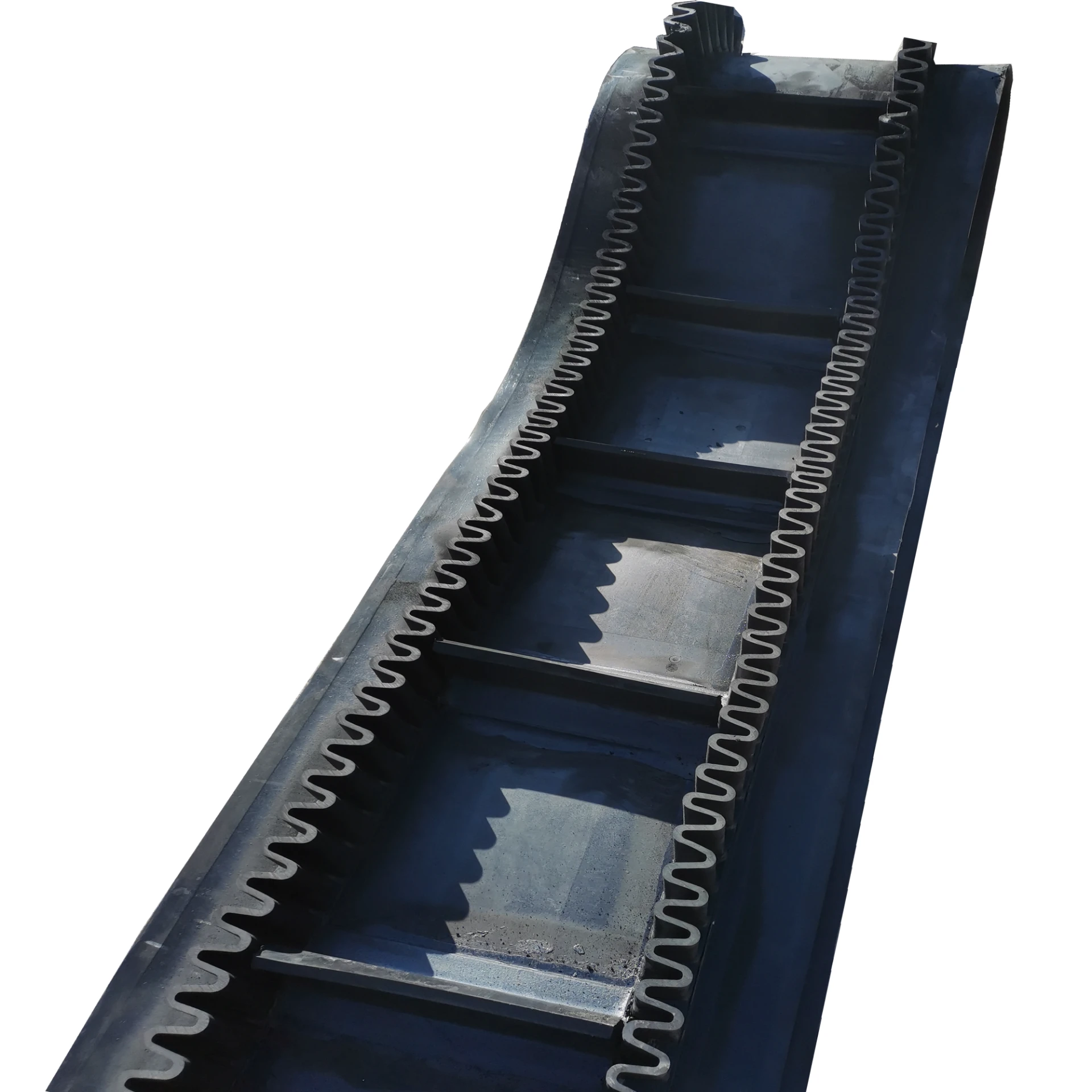
Of course, one size never fits all. Customization is king here. Conveyor length, incline angles, loading points, and discharge mechanisms all need to match your plant’s workflow. One notable innovation is variable speed drives which allow operators to control throughput based on demand — nice for energy saving and reducing product spillage.
| Spec | Typical Value | Notes |
|---|---|---|
| Belt Material | Polyurethane with anti-corrosive coating | Abrasion and salt resistant |
| Frame Material | Stainless steel 304 or 316 | Corrosion-resistant |
| Drive Type | Variable frequency motor | Energy efficiency, speed control |
| Load Capacity | Up to 2000 kg/hr | Depends on belt width and speed |
| Operating Temperature | -20°C to 60°C | Suitable for outdoor use in winter |
When sourcing such systems, choosing the right vendor is key. Here's a quick comparison of a few reputable suppliers in this niche. Now, I've seen firsthand how a responsive supplier can make a world of difference — from quick adaptations to rigorous testing protocols.
| Vendor | Material Options | Customization | Lead Time | Warranty |
|---|---|---|---|---|
| HG Conveyor Belt | PU, PVC, Modular Plastics | High, custom specs available | 4-6 weeks | 12 months |
| Alpha Industrial | Stainless steel frames, standard belts | Moderate | 6-8 weeks | 9 months |
| BulkEquip | PVC belts, galvanized steel | Low | 3-5 weeks | 6 months |
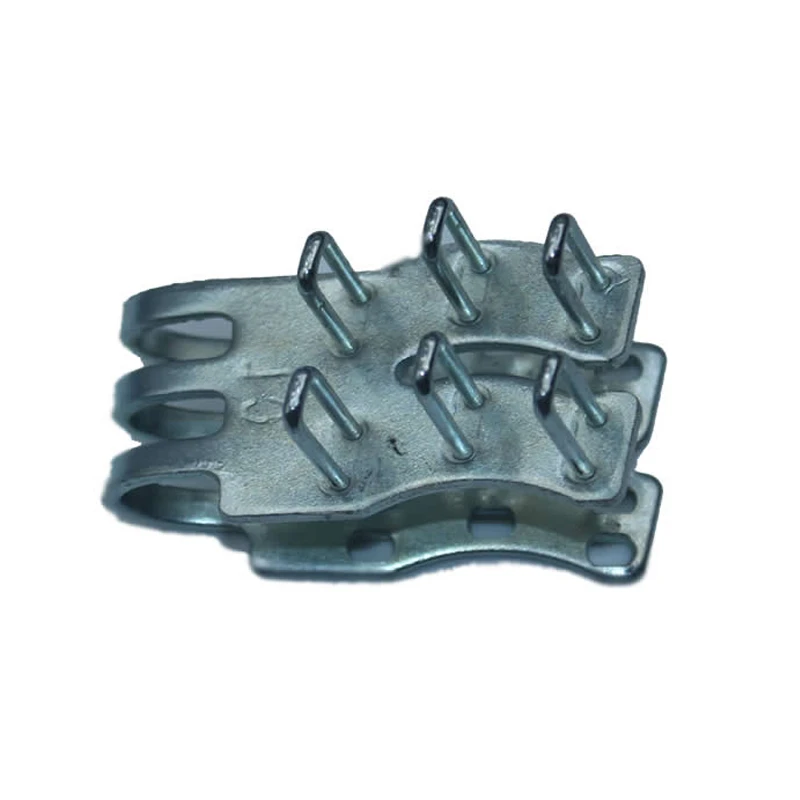
Honestly, what I noticed most over the years is that salt conveyor reliability often rests on small details. The right belt splice, the patience in testing the system under actual environmental conditions, and proper maintenance protocols. Skimping on these means higher replacement costs and more unplanned downtime, which nobody enjoys.
So if you ever find yourself picking out a salt conveyor for your plant, think about those details. It feels a bit like an art form—balancing reliability, cost, and environmental toughness.
I'd say it's always worth chatting with vendors who get the idiosyncrasies of salt handling. Sometimes, their experience is the difference between a conveyor that just moves salt and one that moves your business forward without a hiccup.
In closing, salt conveyors may seem like a small cog in a vast industrial machine, but treating them as such is a mistake. The right conveyor means smoother operations, less hassle, and a longer service life — and frankly, that’s the kind of peace of mind anyone in this field appreciates.
References:
- Industry case studies from salt production plants, 2021–2023
- Manufacturer technical datasheets, HG Conveyor Belt Co.
- Field interviews with maintenance engineers (2022)