Why Nylon Rollers Are a Game-Changer in Conveyor Systems
Having worked a good chunk of my career around conveyor lines and material handling equipment, I can honestly say that nylon roller technology has quietly revolutionized how we think about durability and efficiency in this space. If you told me 15 years ago that lightweight polymer rollers would soon challenge steel ones on many fronts, I might have raised a skeptical eyebrow. But here we are.
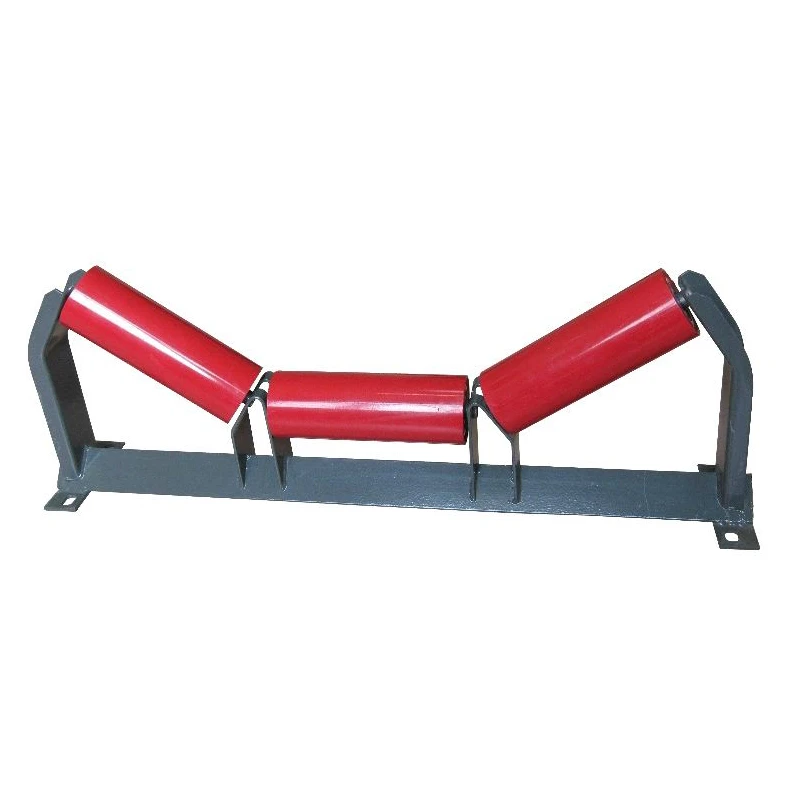
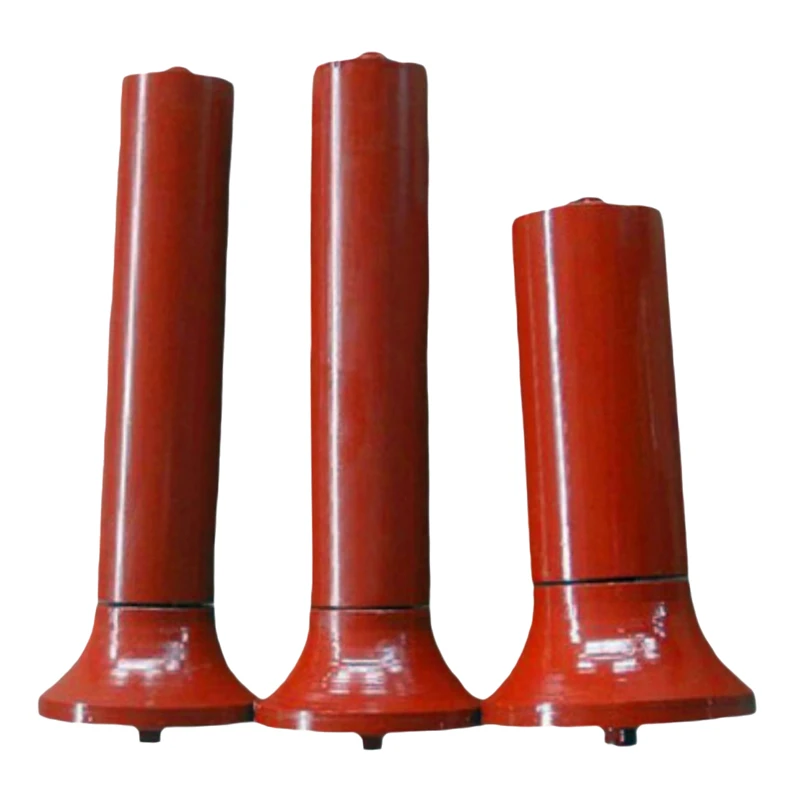
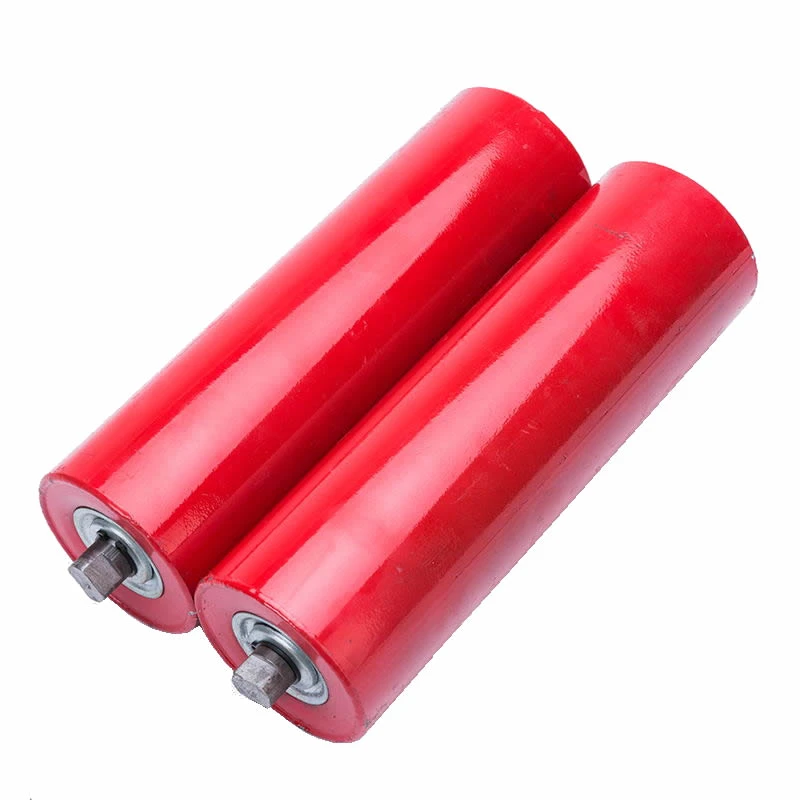
Nylon rollers combine some neat attributes—lightweight, surprisingly strong, and wear-resistant materials—that really help reduce noise and fatigue on the entire conveyor setup. Plus, they cope well with moisture and chemicals, which isn’t always the case with metal rollers. Oddly enough, sometimes those ‘high-tech plastics’ don’t get the credit they deserve in heavy-duty environments.
Material Advantages and Real-World Performance
Nylon isn't just plastic; I mean, it’s a polymer engineered to withstand stress that would give a typical plastic a one-way ticket to deformation. When tested against impact and abrasion, many engineers say nylon rollers outperform even certain metal counterparts—especially when you factor in corrosion resistance. That’s critical if your conveyor’s exposed to humid conditions or occasional splashes from hydraulic fluids.
One of the best insights came from a customer I helped who ran an automotive parts plant. They switched from steel rollers to nylon rollers primarily to reduce maintenance downtime caused by rust and bearing failures. Months later, the difference in operational smoothness and noise level was palpable. Those subtle gains in efficiency stack up to real cost savings.
| Specification | Nylon Roller |
|---|---|
| Material | High-grade Nylon 6/6 Polymer |
| Outer Diameter | 50mm to 200mm (customizable) |
| Length | 100mm to 1500mm |
| Bearing Type | Sealed Ball Bearings, optional stainless steel |
| Operating Temperature | -40°C to +80°C |
| Load Capacity | Up to 300 kg per roller |
| Weight | Roughly 60% lighter than steel rollers |
Choosing Between Vendors: What to Look For
Let’s face it—anyone can slap “nylon rollers” on a datasheet, but the devil’s in the details. From my years visiting plants and talking with maintenance crews, quality differences in vendors mostly boil down to:
- Material grade and formulation
- Precision machining and tolerances
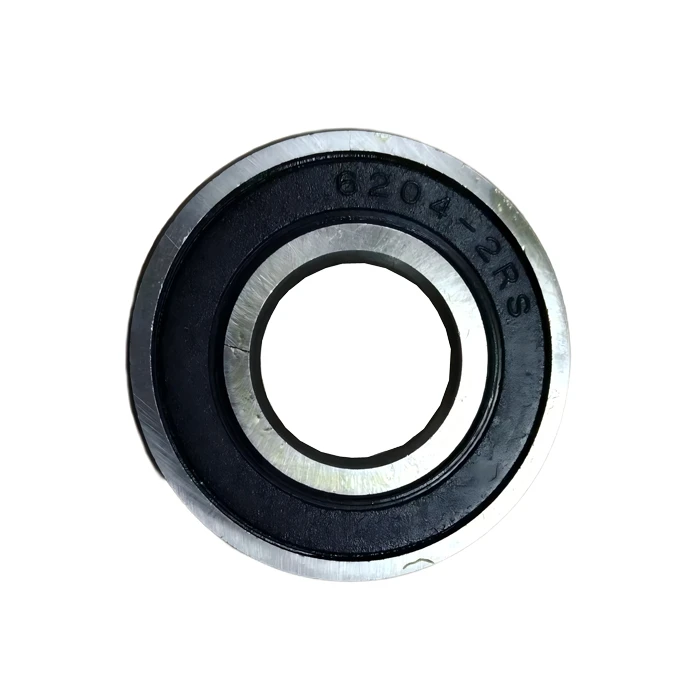
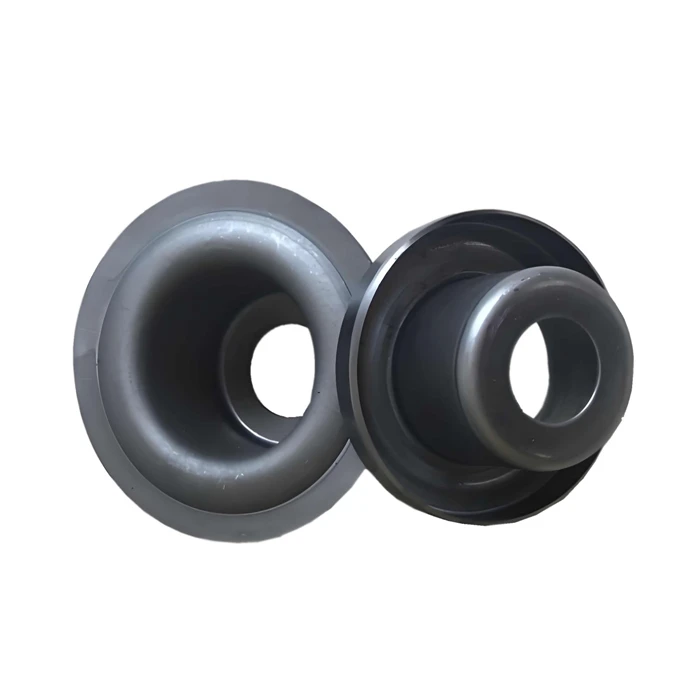
- Type and sealing of bearings
- Customization options to fit your exact conveyor specs
Here’s a quick vendor comparison table I found useful when consulting with clients recently.
| Feature | Vendor A | Vendor B | Vendor C |
|---|---|---|---|
| Nylon Grade | Nylon 6/6 (ultra wear-resistant) | Standard Nylon 6 | Enhanced Nylon Blend (anti-static) |
| Bearing Quality | Sealed stainless steel | Basic ball bearings | High-temp ceramic bearings |
| Customization | Full custom sizes available | Standard sizes only | Limited custom options |
| Lead Time | 2-3 weeks | 1 week | 4-5 weeks |
| Price | $$$ (premium quality) | $ (budget-friendly) | $$ (mid-range) |
In real terms, it’s a bit of a balancing act. If you want longevity and minimal maintenance, investing in better rollers upfront pays off. Cheap rollers can end up costing you more in downtime and part replacement. That said, some plants only need basic specs for light applications. So, it’s not a one-size-fits-all deal, honestly.
Before I wrap up, a quick shout-out to this company I’ve worked with a couple of times — they consistently deliver quality nylon rollers that stand up under tough conditions, and their customer service is pretty responsive. In this line of work, that’s worth more than it sounds.
So, next time your conveyor system needs an upgrade or replacement parts, give some thought to those humble nylon rollers. They might just be the unsung heroes keeping your line humming smoothly—lighter, quieter, and tougher than you’d expect.
A Few Final Thoughts
Nylon rollers have really grown on me over the years. Looking forward, as the conveyor industry embraces more automation and higher-speed lines, I expect materials like nylon to keep evolving—perhaps blended with even smarter polymers or improved bearing tech. It’s a fascinating space.
Anyway, that’s my two cents after years crawling under conveyor lines, fixing jams, and seeing firsthand what works and what doesn’t. Hope it’s helpful.
References & Personal Notes:
- Industry insights from field experience and customer case studies, 2009–2023.
- Material data sheets and engineering specs from nylon polymer suppliers.
- Vendor product catalogs and direct communications from HG Conveyor Belt and other manufacturers.