Why Parallel Rollers Still Matter in Today's Conveyor World
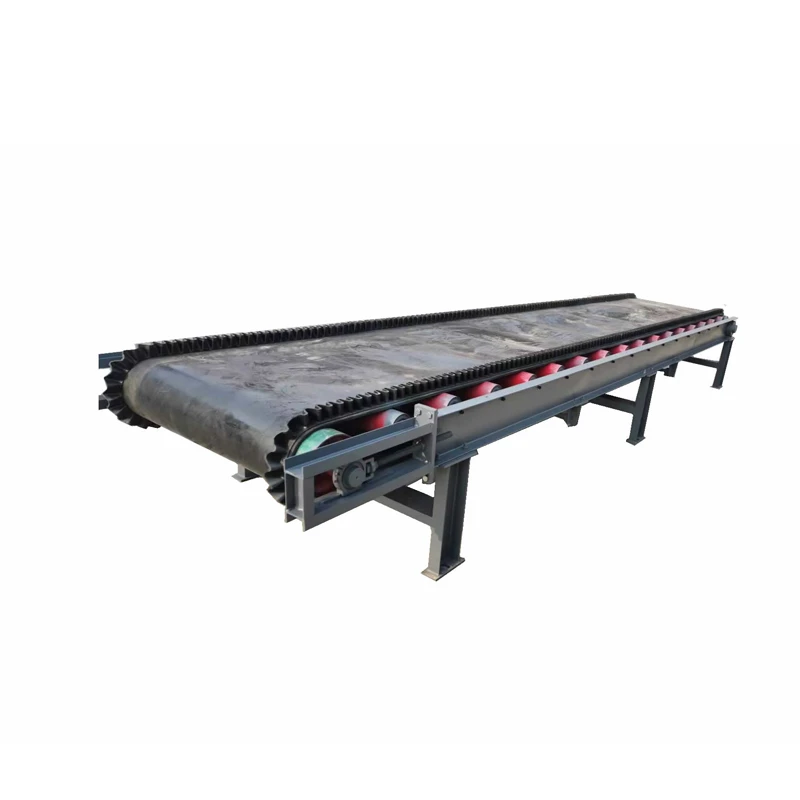
Working with conveyor systems for over a decade, I’ve seen the conveyor industry churn out all sorts of fancy gadgets and tweaks. Yet, something about the humble parallel rollers keeps drawing me back. Maybe it’s their mechanical simplicity or the robustness that feels almost unshakeable. Oddly enough, those rollers—those simple cylinders aligned in a row—are the unsung heroes in a lot of facilities.
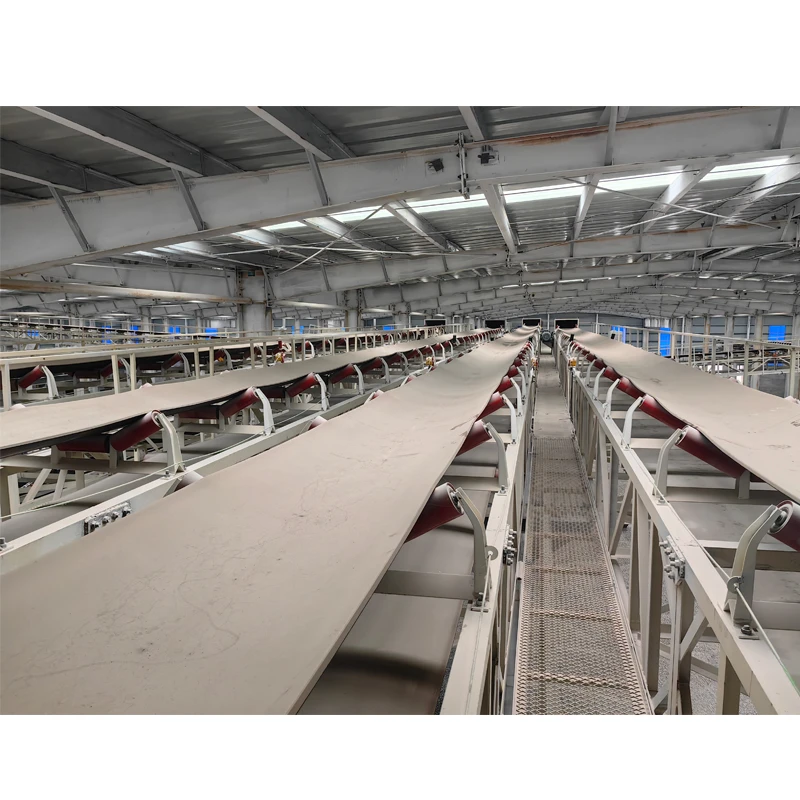
In real terms, parallel rollers provide consistent support and reduce friction when moving goods along assembly lines, sorting stations, or distribution centers. They hardly ever complain, which is why, frankly, many engineers swear by them for durability and smooth operation.
Key Advantages of Parallel Rollers in Industrial Settings
What I’ve noticed over the years is that parallel rollers are champions in these areas:
- Load Distribution: They evenly distribute weight, reducing wear on belts and surfaces.
- Reduced Operational Noise: Compared to other conveyor components, they maintain a quieter system.
- Easy Maintenance: With fewer moving parts, keeping them running is pretty straightforward.
- Flexible Customization: You can tweak diameters, materials, and lengths to suit almost any application.
Interestingly, the material choice often makes all the difference. Steel rollers suit heavy-duty environments, while polymer-coated ones are gentler on delicate items—something I always pay attention to when selecting parts. For sensitive electronics on a conveyor line? You bet I'd lean toward coated rollers to prevent damage.
Parallel Rollers Specs That Engineers Appreciate
Here’s a rough specs snapshot that tends to align with most popular models in the market:
| Specification | Typical Range/Value |
|---|---|
| Roller Diameter | 40mm to 127mm (1.5" to 5") |
| Roller Length | 100mm to 2000mm (4" to 79") |
| Materials | Steel, Stainless Steel, Plastic-coated Steel |
| Bearing Types | Ball Bearings, Roller Bearings |
| Load Capacity | Up to 2000 kg (4400 lbs) per roller |
Comparing Leading Parallel Roller Suppliers
Having worked with different vendors over the years, I tend to look beyond just specs. Service, delivery times, and custom options often clinch the deal.
| Vendor | Customization Options | Typical Lead Time | Pricing | Customer Support |
|---|---|---|---|---|
| HG Conveyor Belt | Extensive; custom lengths, coatings | 1–2 weeks | Competitive | Responsive & knowledgeable |
| RollerWorks Inc. | Moderate; standard sizes | 2–3 weeks | Moderate | Good |
| Industrial Parts Co. | Limited; mostly catalog items | 3–4 weeks | Lower mid-range | Average |
A Quick Story: When Selection Made All the Difference
I recall a client in the food packaging industry who switched their line rollers to polymer-coated parallel rollers from a vendor offering excellent customization. They reported fewer jams and less product damage almost immediately. The catch? It wasn’t just the coating but the precise diameter and bearing selection that made handling delicate packaging easier. It feels like a small change but the impact rippled downstream across their whole line.
That’s why when I talk about parallel rollers, I’m talking about well-thought-out engineering combined with practical know-how. In conveyor design, details are everything.
Anyway, I suppose if you’re looking for reliability and versatility in your conveyor setup, don’t overlook these simple, dependable pieces of hardware. They might just surprise you.
References and thoughts:
- Industry insights from years working hands-on with conveyors
- Technical data sheets from leading roller vendors
- Customer case studies and direct feedback in food packaging lines