What Are Nylon Roller Wheels and Why Do They Matter?
In the world of industrial manufacturing and material handling, nylon roller wheels quietly keep the wheels turning—literally. But it’s not just about movement; it’s about efficiency, durability, and sometimes sustainability. Globally, industries that rely on conveyor systems need components that can handle the brutal demands of continuous use, yet stay light, cost-effective, and reliable. Nylon roller wheels exactly fit that bill, serving as the unsung heroes behind the scenes of supply chains, airports, and even humanitarian logistics. Understanding their role is key to optimizing operations and reducing downtime worldwide.
Mini takeaway: Nylon roller wheels are foundational components of modern industrial conveyors, prized for their balance of strength and economy.
Introduction: Why Nylon Roller Wheels Have a Global Footprint
The conveyor market alone is a multi-billion-dollar industry with annual growth fueled by urbanization, e-commerce, and factory automation. According to data from the International Organization for Standardization (ISO), conveying equipment reliability directly affects operational productivity. Nylon roller wheels have become favored since they reduce friction and resist corrosion compared to metal alternatives, all while remaining comparatively lightweight.
Globally, you’ll find conveyor belts running across continents—from the bustling ports in Rotterdam to the massive fulfillment centers in the US and the automotive factories in Japan. But a persistent challenge remains: balancing cost and durability while managing high throughput and harsh environments. This is where nylon roller wheels shine, thanks to their material properties and ease of customization. Those working in logistics or manufacturing will often face the same issues: wear, noise, and maintenance interruptions. Nylon wheels provide tangible relief in these areas.
Mini takeaway: Nylon roller wheels reduce operating costs and slow replacement cycles across global industries by addressing durability and maintenance challenges.
What Exactly Are Nylon Roller Wheels?
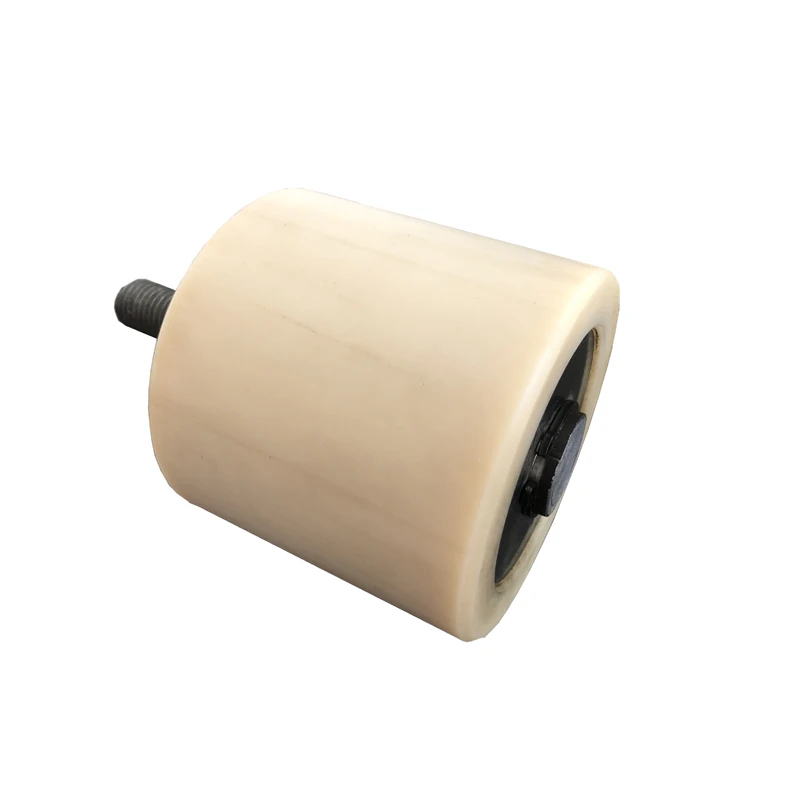
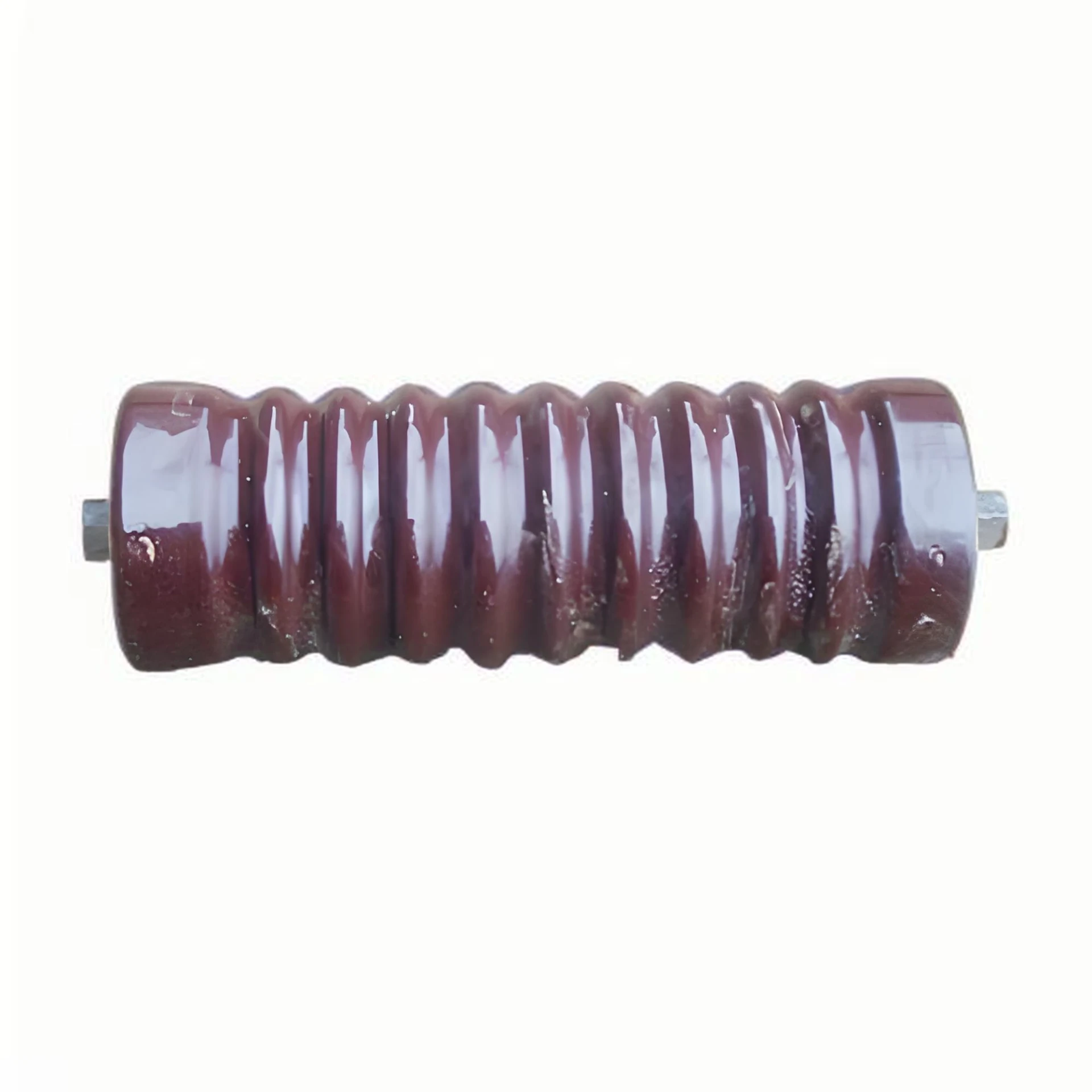
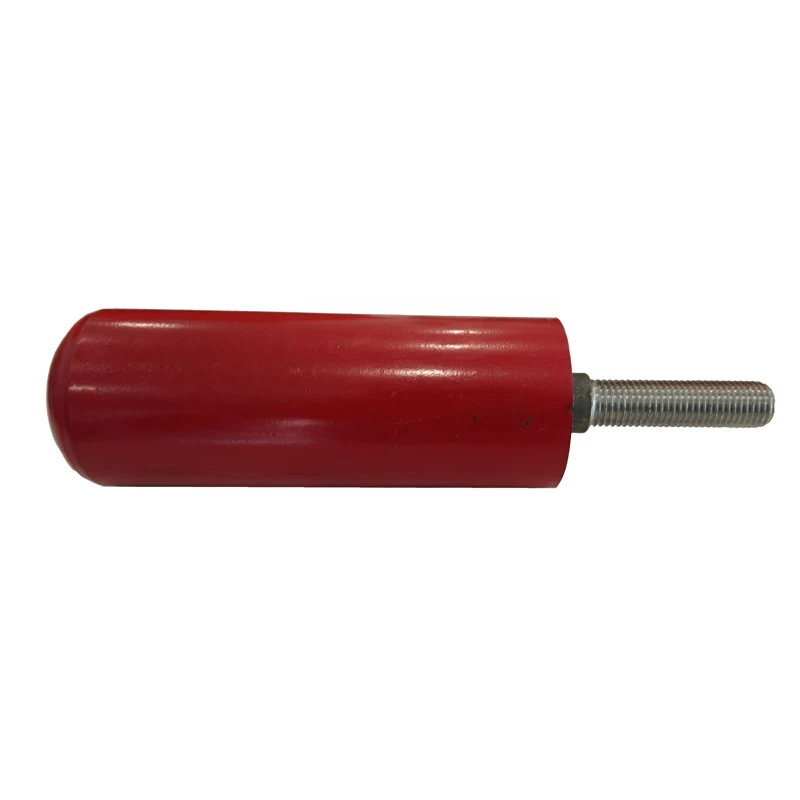
Simply put, nylon roller wheels are cylindrical components made predominantly from nylon resin—essentially a tough, semi-crystalline thermoplastic polymer. They rotate on axles and support conveyor belts or material loads, helping transfer goods smoothly from point A to B.
The beauty of nylon is in its blend of hardness and flexibility, combined with resistance to abrasion and many chemicals. In modern industries—whether it’s manufacturing, packaging, or humanitarian aid distribution—these wheels allow material handling lines to operate silently and reliably. They are often chosen over steel rollers when weight savings and corrosion resistance matter, especially in wet or humid environments.
Mini takeaway: Nylon roller wheels are durable plastic rollers that combine strength with chemical resistance to improve conveyor longevity.
Key Factors to Consider for Nylon Roller Wheels
Durability and Wear Resistance
Nylon’s inherent hardness and toughness mean that nylon roller wheels can resist damage from constant friction and impact better than many other plastics. This makes them ideal for long-term use in demanding industrial settings.
Weight and Load Capacity
These wheels strike a nice balance—light enough to reduce conveyor system stress, but strong enough to carry moderate to heavy loads. The engineering challenge is tuning the wheel size and nylon formulation to specific load needs.
Corrosion and Chemical Resistance
Unlike metal rollers, nylon won’t rust or corrode, especially useful in food processing or chemical manufacturing plants where exposure to liquids or contaminants is routine.
Noise Reduction
If you’ve ever worked near conveyor belts, you know the industrial noise can be draining. Nylon wheels absorb vibration and have a quieter roll than steel, improving workplace conditions.
Cost Efficiency
While initial costs might beat rubber or steel in some cases, nylon’s extended lifespan and lower maintenance deliver cost savings when viewed over operational cycles.
Customization and Compatibility
Because nylon is easy to mold, many vendors offer tailored roller wheels to fit specific conveyor widths, axle diameters, or special environments.
| Specification | Typical Value | Units |
|---|---|---|
| Wheel Diameter | 76 | mm |
| Axle Diameter | 20 | mm |
| Load Capacity | 250 | kg |
| Operating Temperature | -30 to 80 | °C |
| Material | Nylon 6/6 | - |
Mini takeaway: Understanding specifications such as durability, weight, and compatibility helps optimize nylon roller wheel selection.
Global Applications & Use Cases of Nylon Roller Wheels
Industries as diverse as packaging, mining, food processing, and airports all rely on nylon roller wheels for material flow. In Europe, automotive parts manufacturers use these wheels to speed assembly lines with minimal noise. In Southeast Asia—where humidity wreaks havoc—nylon’s corrosion resistance means fewer breakdowns.
Humanitarian organizations sometimes retro-fit nylon wheels on portable conveyor units to quickly move relief supplies in disaster zones, where reliability and ease of transport matter immensely. Oddly enough, one dense industrial zone in Eastern Europe now prefers nylon wheels because local steel is harder to source, proving that beyond specs, supply chain constraints matter.
For companies looking to upgrade or maintain conveyor efficiency without recurring costs, nylon roller wheels present a real option for long-term sustainability.
Mini takeaway: From global manufacturing floors to emergency relief logistics, nylon roller wheels serve myriad functions with proven durability.
Advantages and Long-Term Value of Choosing Nylon Roller Wheels
- Cost Savings: Reduced replacement frequency and maintenance means less downtime and expense.
- Sustainability: Nylon roller wheels can sometimes be recycled or repurposed, lowering environmental footprint.
- Reliability: Resistant to rust and abrasion, these wheels ensure smooth workflow.
- Workplace Safety: Less noise and vibration improve the overall environment.
- Trust & Innovation: Many engineers regard nylon wheels as a modern, proven solution boosting operational confidence.
Mini takeaway: Nylon roller wheels bring both tangible financial advantages and intangible benefits such as safer, quieter workspaces.
Future Trends & Innovations in Nylon Roller Wheels
The future looks interesting. Engineers are experimenting with nylon blends infused with carbon fiber or specialty fillers to push load capacity further. There’s also a push toward greener manufacturing processes and bio-based nylons that reduce carbon footprints. Automation and IoT sensors embedded into rollers to monitor wear remotely are already emerging in some advanced conveyor systems.
In other words: our humble roller wheel is quietly becoming smarter and greener, fitting well into the industry 4.0 narrative.
Challenges & How Experts Are Addressing Them
Despite many advantages, nylon roller wheels face some limitations such as vulnerability to UV degradation and performance drops in extreme temperatures above 80°C. Some manufacturers mitigate this by adding UV stabilizers or combining nylon with other polymers. Additionally, larger heavy-duty applications may still require metal components, so hybrid solutions are becoming common.
You sometimes hear criticisms about initial cost or availability in niche sizes, but with expanding production worldwide, these bottlenecks are loosening.
Vendor Comparison: A Snapshot of Popular Nylon Roller Wheel Suppliers
| Vendor | Price Range | Customization Options | Lead Time | Regions Served |
|---|---|---|---|---|
| HGC Conveyor Components | $$$ | Size, material, axle diameters | 2-4 weeks | Global (focus Asia, Europe) |
| Industrol Inc. | $$ | Standard sizes, few customizations | 1-3 weeks | North America, Europe |
| RollTech Solutions | $$$ | Highly customizable, specialty nylons | 3-5 weeks | Global |
FAQ: Frequently Asked Questions About Nylon Roller Wheels
Q1: How do nylon roller wheels compare to steel rollers in harsh environments?
A: Nylon roller wheels resist corrosion and reduce noise better than steel, making them ideal for wet or chemical-rich settings. However, steel can handle higher loads and temperatures, so choosing depends on operational needs.
Q2: Can nylon roller wheels be used in food processing industries?
A: Yes, nylon's chemical resistance and ability to be cleaned comply with many food safety regulations. Some suppliers offer FDA-approved nylon grades suitable for these applications.
Q3: What is the typical lifespan of nylon roller wheels under continuous operation?
A: Lifespan varies by load and environment, but good-quality nylon roller wheels generally last 2-3 years in standard applications, often longer with proper maintenance.
Q4: Are nylon roller wheels recyclable or environmentally friendly?
A: Many nylon formulations can be recycled, and newer bio-based nylons reduce environmental impact. Always check with the manufacturer about specific recycling programs.
Q5: Where can I source high-quality nylon roller wheels?
A: Trusted suppliers like HGC Conveyor Components provide reliable, customizable nylon roller wheels suitable for diverse industrial needs.
Conclusion
Given the growing demands on conveyor systems worldwide, choosing the right roller wheels can crucially affect productivity and costs. Nylon roller wheels offer an elegant solution that balances durability, cost efficiency, and operational reliability. They continue evolving alongside industry trends toward smarter, greener manufacturing.
Curious to explore quality nylon roller wheels for your applications? Visit our website and find tailored solutions to speed up your operations with confidence.
References: