Understanding Cast Nylon Rollers: Why They Matter in Modern Industry
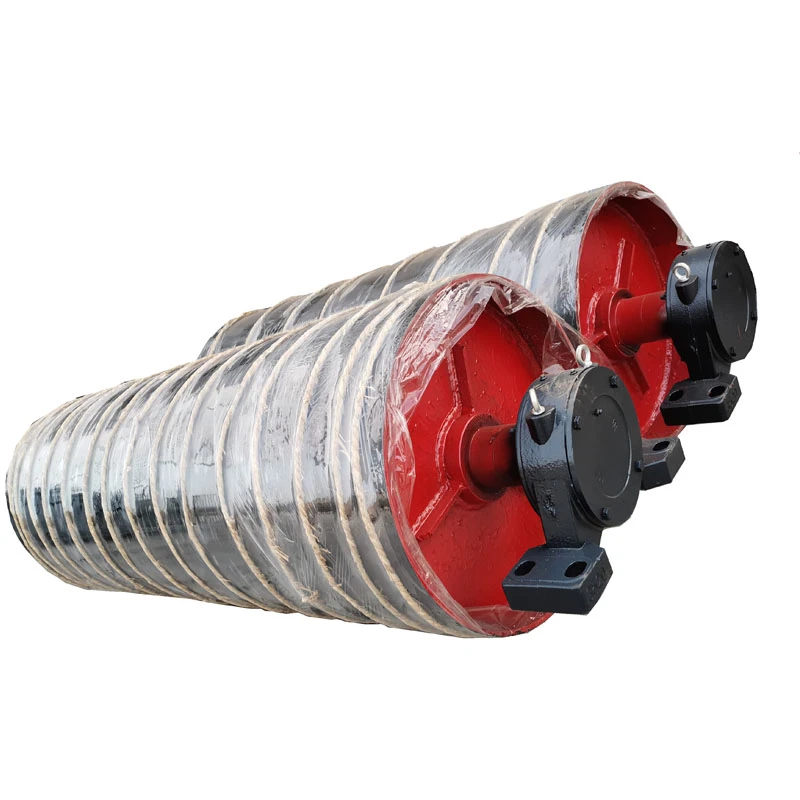
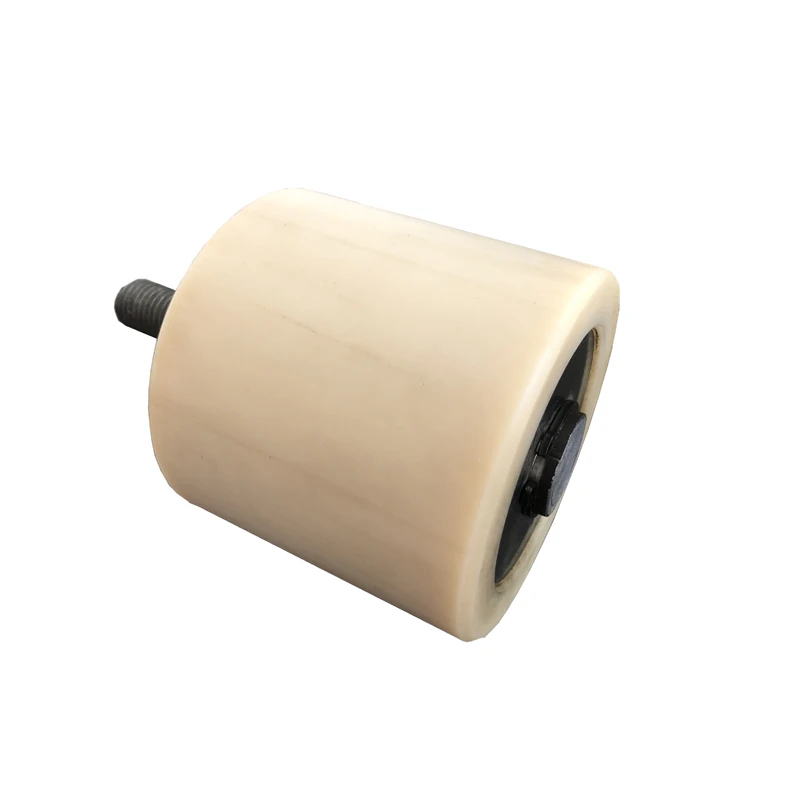
If you work in manufacturing, logistics, or material handling, chances are you’ve come across the term cast nylon roller. But what are these rollers exactly, and why do they keep surfacing in industry conversations worldwide? Simply put, cast nylon rollers are indispensable components made from a cast cast nylon polymer that serve as bearings or conveyor parts. Their importance stretches across industries — from mining to packaging, and even humanitarian logistics — because they combine durability, lightness, and resistance in a way few materials can match.
Globally, the demand for smoother, more efficient conveyor systems keeps rising. According to the International Organization for Standardization (ISO), conveyor equipment components need to optimize productivity while minimizing maintenance and environmental impact. This is where cast nylon rollers fit perfectly — they help reduce downtime and energy consumption thanks to their low friction and wear resistance.
In this article, I’ll walk you through what makes cast nylon rollers so vital, their main features, where they’re being used, and even peek into future trends. Along the way, I’ll highlight practical takeaways that anyone involved with industrial machinery or supply chains will find useful.
Mini takeaway:
- Cast nylon rollers play a crucial contemporary role in making industrial processes more efficient and sustainable.
- Understanding their qualities helps industries worldwide cut costs and environmental footprints.
Why Cast Nylon Rollers Are Critical: A Global Perspective
On a global scale, industrial production and transportation networks rely heavily on conveyor technology. The UN’s 2022 Industrial Development Report noted that as manufacturing hubs expand—particularly in Asia and Africa—the need for robust, cost-effective machine parts is more significant than ever.
The challenge? Many roller materials fail too quickly or require frequent lubrication, causing expensive downtime and maintenance. For industries in harsh environments—like mining operations in Australia or packaging plants in Europe—this is a significant headache.
Cast nylon rollers answer these problems by offering lightweight yet tough components that resist abrasion, chemicals, and impact. Roughly 60% less friction compared to steel rollers means less energy used. Plus, the polymer material doesn’t corrode like metal, boosting longevity.
Mini takeaway:
- High demand for reliable conveyor parts is a worldwide issue, with cast nylon rollers providing a key solution.
- Energy savings and maintenance reduction improve both economic and environmental outcomes.
What Exactly Is a Cast Nylon Roller?
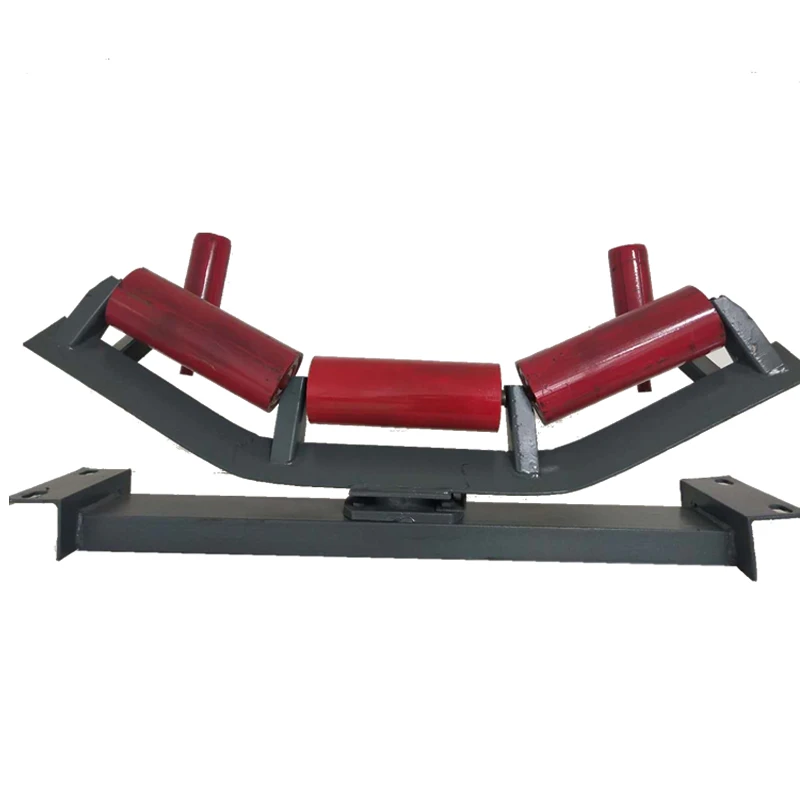
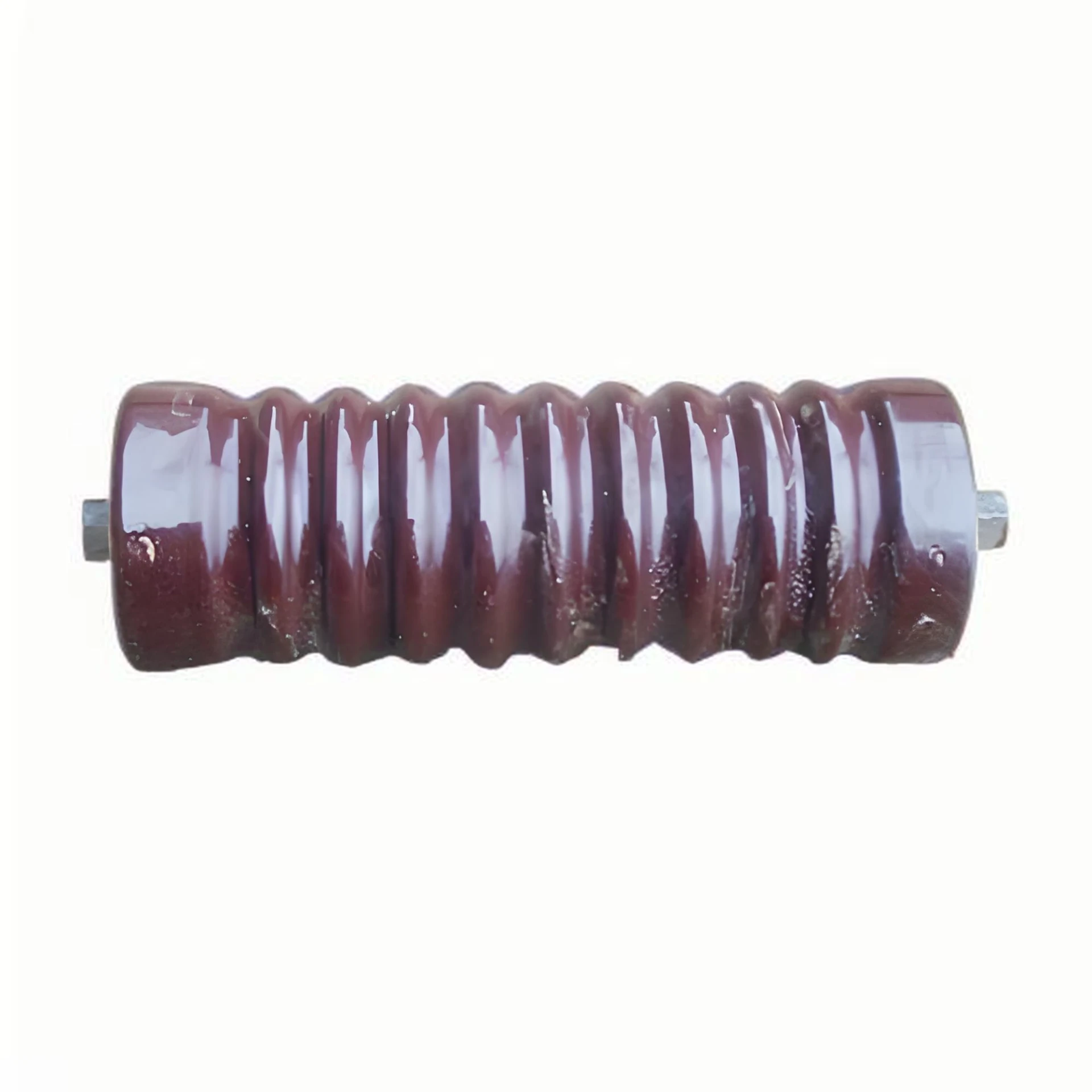
In plain terms, a cast nylon roller is a cylindrical component created by pouring molten nylon into molds and allowing it to solidify. Cast nylon, also called cast polyamide, is a synthetic polymer known for its exceptional mechanical properties. Once cured, the roller offers a smooth, hard surface capable of carrying heavy loads while maintaining high structural integrity.
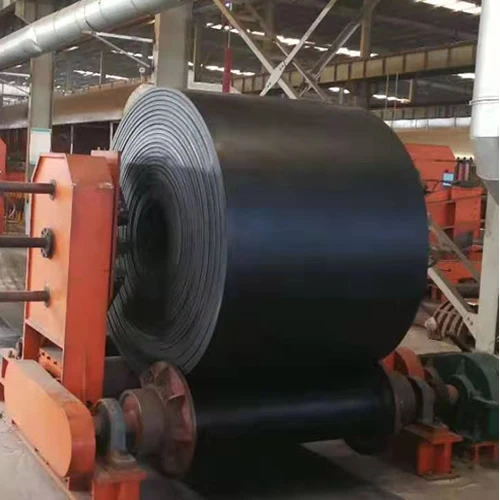
These rollers serve as low-friction guides or bearings in conveyor belts, guide rails, or handling systems. They’re often linked to sectors that require hygiene and durability — food processing, pharmaceuticals, and humanitarian organizations that deploy logistics in disaster zones, for example. Here, reliability isn’t just about efficiency; it’s about maintaining supply chain dignity and safety.
Mini takeaway:
- Cast nylon rollers are molded polymer cylinders offering toughness and smooth operation.
- They’re widely used where reliability and durability are non-negotiable, spanning industries from food to disaster relief.
Key Attributes That Make Cast Nylon Rollers Stand Out
1. Durability and Wear Resistance
One of the main reasons engineers swear by cast nylon rollers is their tremendous wear resistance. Nylon’s molecular structure forms a dense, crystalline matrix that withstands abrasion and impact better than common plastics. Tests show they can last up to 3x longer than standard rubber or metal rollers under similar conditions.
2. Low Friction and Noise Reduction
Cast nylon provides a low coefficient of friction (around 0.25), so conveyors run smoother and quieter. This means less upkeep and a friendlier environment for workers who’d otherwise endure loud, vibrating machinery all day.
3. Chemical and Corrosion Resistance
Unlike steel rollers prone to rust, cast nylon stands firm against oils, solvents, and even some acids. This chemical resistance makes them invaluable in industries like chemical processing or offshore logistics.
4. Weight and Energy Efficiency
Being lighter than metals, nylon rollers cut conveyor system weight substantially, reducing drive motor loads and power consumption. This energy saving cascades into lower operating costs and a better carbon footprint.
5. Customizability and Precision
Manufacturers can mold cast nylon rollers in different sizes, hardness grades, and finishes. This flexibility meets the precise needs of various conveyors or material handling setups, ensuring optimal performance.
Mini takeaway:
- Durability, low friction, chemical resistance, and lightweight design are the pillars of cast nylon roller performance.
- The versatility in customization means these rollers fit a broad spectrum of industrial tasks.
Where Cast Nylon Rollers Are Making a Difference Globally
From automated warehouses in North America to textile mills in India, the cast nylon roller is quietly doing the hard work.
- Mining in Australia: Operating in dusty, abrasive environments, cast nylon rollers last longer under heavy loads in conveyor belts moving ore and gravel.
- Food & Beverage in Europe: Hygienic nylon rollers ensure contamination-free transport lines, thanks to their chemical inertness and cleanability.
- Disaster Relief Logistics: NGOs and UN supply chains rely on these rollers in temporary warehouse belt systems — light, durable, and easy to maintain in tough conditions.
- Packaging Plants in China: High-speed sorting lines benefit from the rollers’ smooth rotation and low friction, boosting efficiency.
You can even find them in cast nylon roller suppliers guiding conveyor manufacturers in custom projects worldwide.
Mini takeaway:
- Cast nylon rollers have true global reach, fitting niches from mining to humanitarian aid with unique demands.
- They help solve logistical challenges where durability, hygiene, and energy use all matter.
Advantages & Long-Term Value of Using Cast Nylon Rollers
When companies decide on cast nylon rollers, they’re investing in more than just machinery parts. The extended service life and fewer repairs translate directly into reduced operational costs. Plus, lighter conveyor systems mean less energy consumed — a small but powerful step toward sustainability.
On the human side, quieter, smoother rollers improve workplace conditions and safety, reducing accidents from noisy, unpredictable equipment. Managers report better trust and morale among workers when machinery runs reliably.
Emotionally, for industries working in delicate areas like food or pharmaceuticals, the assurance that rollers resist contamination conveys dignity and care — things that industry numbers don’t always capture.
Mini takeaway:
- Cast nylon rollers save money, energy, and time in the long run.
- They improve workforce wellbeing and uphold product integrity, critical in sensitive industries.
Future Trends & Innovations in Cast Nylon Roller Technology
Looking ahead, trends in digital manufacturing and material science promise exciting leaps for cast nylon rollers. For example:
- Green Polymers: Bio-based nylons are emerging, lessening environmental impact even further.
- Smart Rollers: Embedded sensors could monitor wear in real-time, predicting failures before they happen.
- Automation Integration: Rollers designed specifically for smart conveyor systems that communicate with factory IoT networks.
- Surface Engineering: Nanocoatings applied to rollers to further reduce friction and chemical buildup.
These changes bid to make operations even more efficient, sustainable, and safe going forward.
Challenges & Solutions in Current Usage
Even the best materials have limitations. For cast nylon rollers, one occasional hiccup is sensitivity to ultraviolet (UV) exposure, which can degrade some grades over time. Also, extreme heat can soften nylon, limiting use in very high-temperature environments.
Thankfully, manufacturers tackle these issues by adding UV stabilizers and blending nylons with heat-resistant polymers. Additionally, hybrid rollers combining cast nylon shells with metal cores balance durability and thermal resistance.
Quick FAQ About Cast Nylon Rollers
- Q: How long do cast nylon rollers typically last in industrial use?
- A: Depending on conditions, they can last 3-5 years or more, often tripling the lifespan of metal or rubber rollers in similar roles.
- Q: Are cast nylon rollers suitable for food processing environments?
- A: Yes, their chemical resistance and smooth finish make them ideal for hygienic settings where contamination risks are critical.
- Q: Can cast nylon rollers be customized for specific conveyor systems?
- A: Absolutely, manufacturers offer tailored dimensions, hardness levels, and finishes to meet unique operational needs.
- Q: What’s the typical difference in maintenance cost compared to metal rollers?
- A: Cast nylon rollers typically reduce maintenance costs by up to 30% due to their wear resistance and corrosion-free properties.
Specification Table: Typical Cast Nylon Roller Properties
| Property | Value | Unit |
|---|---|---|
| Tensile Strength | 55 - 75 | MPa |
| Flexural Modulus | 1700 - 2800 | MPa |
| Density | 1.14 - 1.15 | g/cm³ |
| Coefficient of Friction (Dry) | 0.20 - 0.30 | – |
| Max Operating Temperature | 90 | °C |
Vendor Comparison: Leading Cast Nylon Roller Suppliers
| Supplier | Product Range | Customization Options | Average Lead Time | Global Reach |
|---|---|---|---|---|
| HG Conveyor Belt Co. | Standard & Custom Nylon Rollers | Diameter, hardness, finish | 2–4 weeks | Asia, Europe, Americas |
| RollerTech Inc. | High-Performance Industrial Rollers | Custom polymers, integrated sensors | 3–6 weeks | Worldwide |
| PolyRoll Solutions | Eco-friendly Cast Nylon Rollers | Bio-based nylons, UV resistance | 4–5 weeks | Europe, North America |
Wrapping It Up
In real-world terms, cast nylon rollers represent a deceptively simple but game-changing piece of industrial tech. Their blend of durability, low friction, and chemical resistance tackles many headaches from maintenance costs to energy use. Whether in heavy industry, food processing, or even the frontline of humanitarian aid, they quietly keep things moving — and often unseen, which is a testament to just how smooth and reliable they are.
If you’re considering upgrading your conveyor components, or just curious about how to boost efficiency sustainably, looking into cast nylon roller options is a smart move. They’re more affordable than you think and proven to pay for themselves quickly.
Thanks for reading! Happy rolling.