Understanding Hot Splicing Conveyor Belts: A Crucial Industrial Component
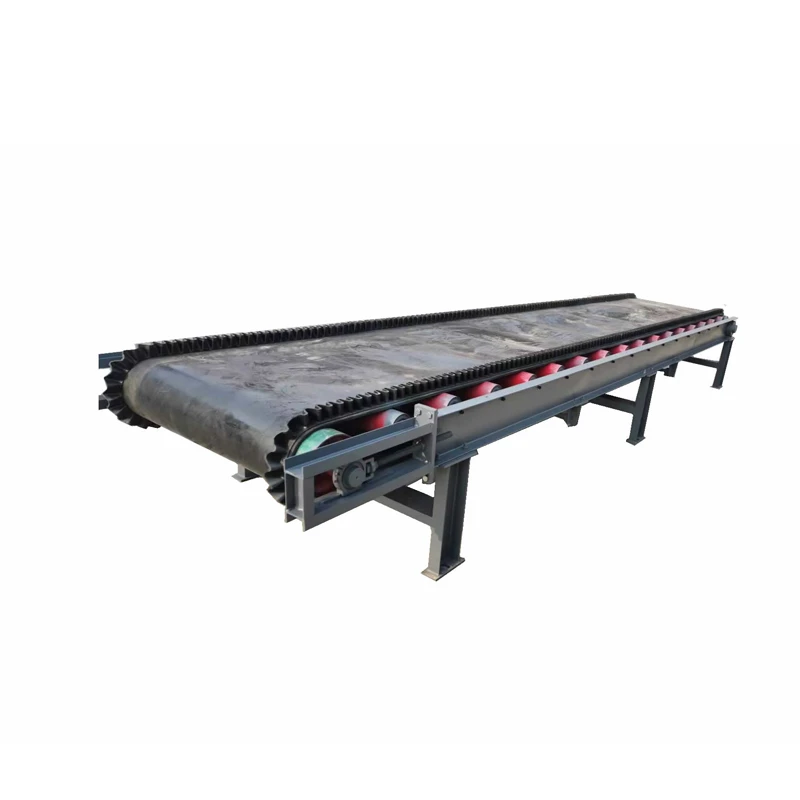
Conveyor belts may not be the flashiest element in industrial operations, but when it comes to maintaining continuous, efficient workflows—especially in tough environments—hot splicing conveyor belts emerge as a quiet hero. Understanding what hot splicing entails and why it matters globally helps industries keep production humming, reduce downtime, and improve safety. Let’s unravel the significance of hot splicing conveyor belts, why they’ve become essential worldwide, and why technical teams care deeply about this process.
Why Hot Splicing Conveyor Belts Matter Globally
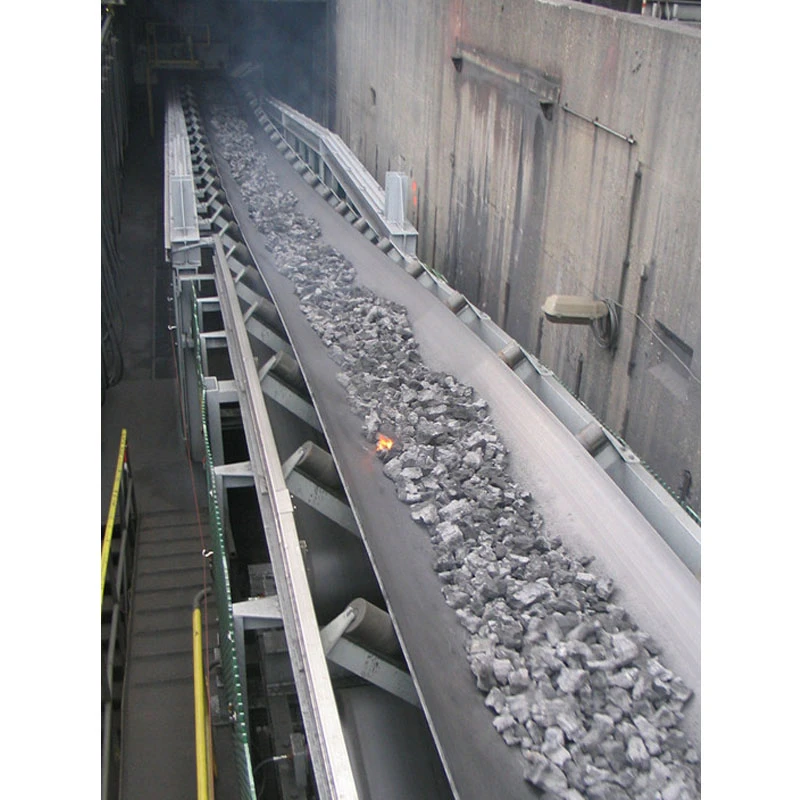
Globally, industries like mining, manufacturing, and logistics rely heavily on conveyor belt systems to shuttle materials, parts, and products. According to the International Organization for Standardization (ISO), conveyor belts must meet stringent durability and safety standards to support high-volume transportation. When a conveyor belt tears or requires joint repair, halting the entire line results in costly downtime that cascades into delayed deliveries and production losses.
Hot splicing offers a reliable technique to join conveyor belts without removing the belt from the system, enabling faster repairs. This is vital for industries ranging from coal mining in remote regions to massive ports handling goods day and night. It’s estimated that downtime for conveyor belts clocks millions of dollars annually in lost productivity across global supply chains, making quick and durable splicing an imperative.
What Is Hot Splicing Conveyor Belt?
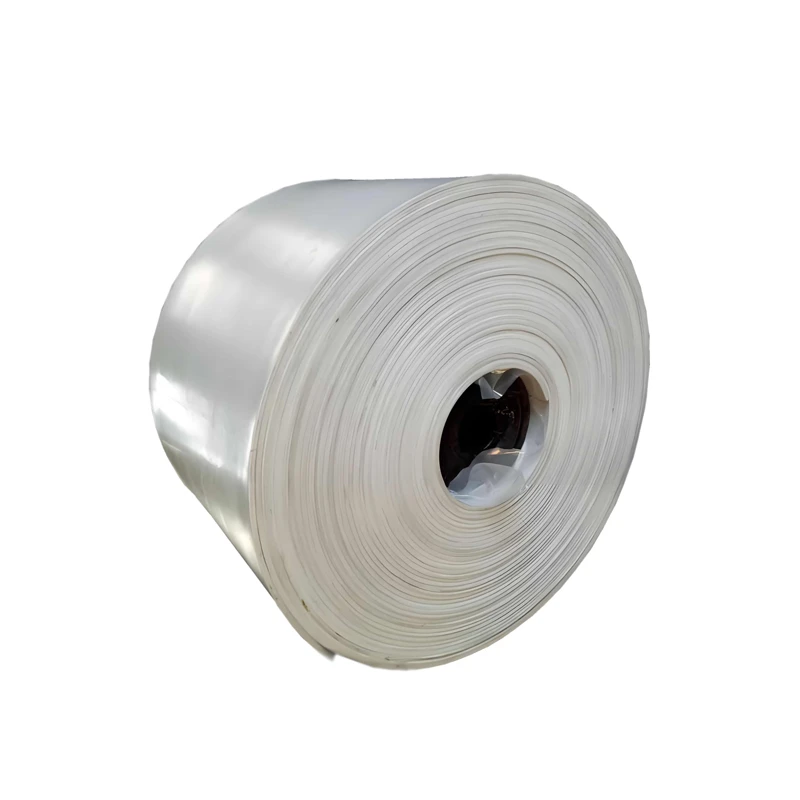
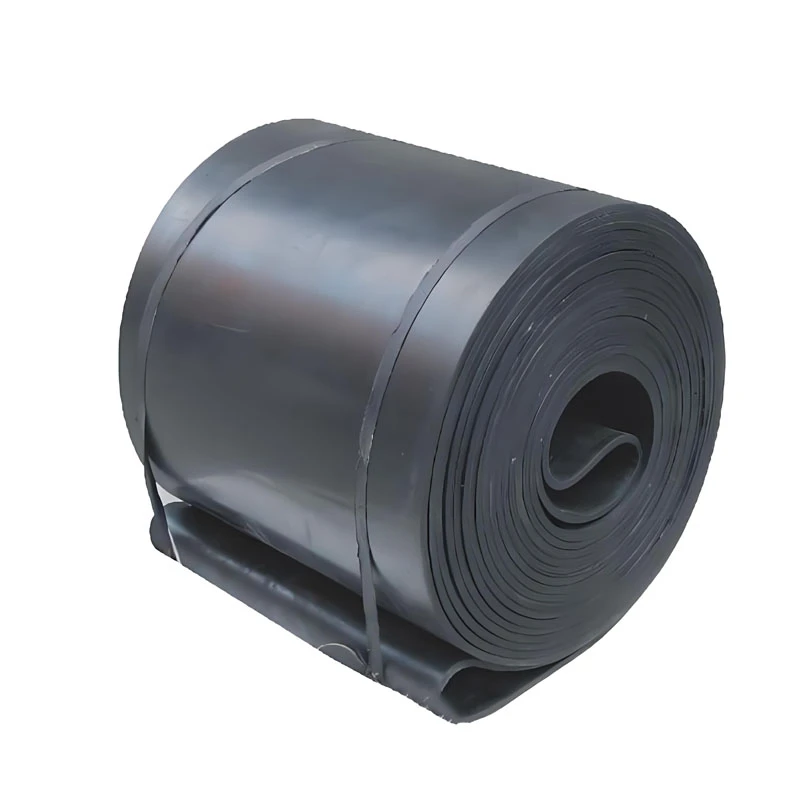
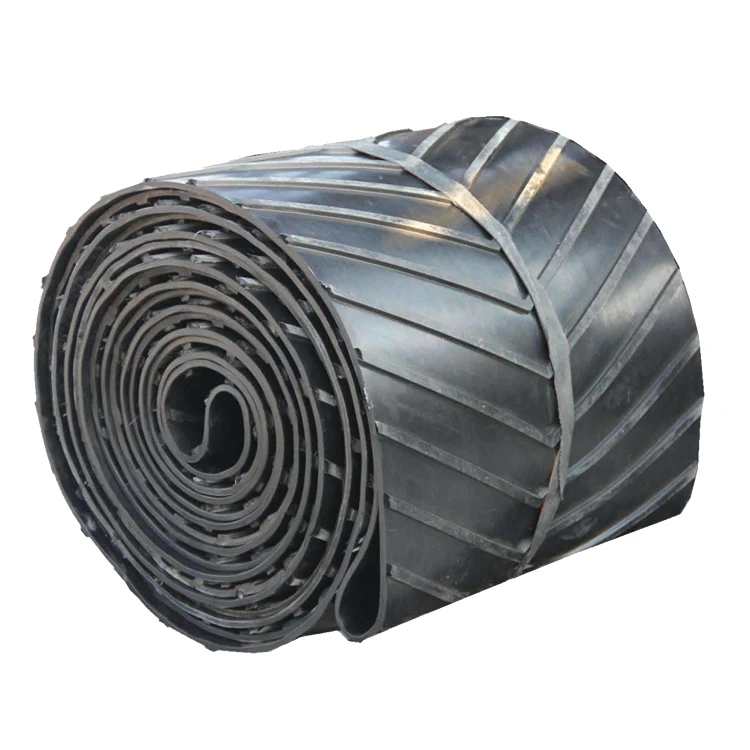
Simply put, hot splicing conveyor belt refers to the process of welding or vulcanizing two ends of a conveyor belt together using controlled heat, pressure, and time. Unlike mechanical splicing (which uses clamps or fasteners), hot splicing fuses the belt’s rubber and fabric layers to create a seamless, durable joint that almost mimics the original belt’s strength. Frankly, it’s like giving your conveyor belt a strong stitch that holds up under stress and harsh conditions.
This technique supports modern industries' need for minimal disruption, safer maintenance practices, and longer belt lifespans—necessities that align with humanitarian goals when conveyor belts are part of disaster relief logistics or large-scale infrastructure deployment.
Key Components of Hot Splicing Conveyor Belts
1. Durability
The hot splice joint typically offers 80-100% of the original belt's tensile strength. This durability ensures that once repaired, the belt will not succumb easily to wear, reducing frequent maintenance.
2. Heat-Resistant Materials
The belt layers usually consist of layers of synthetic fabric embedded in rubber compounds that can withstand different temperatures, which makes hot splicing feasible and reliable.
3. Precision Equipment
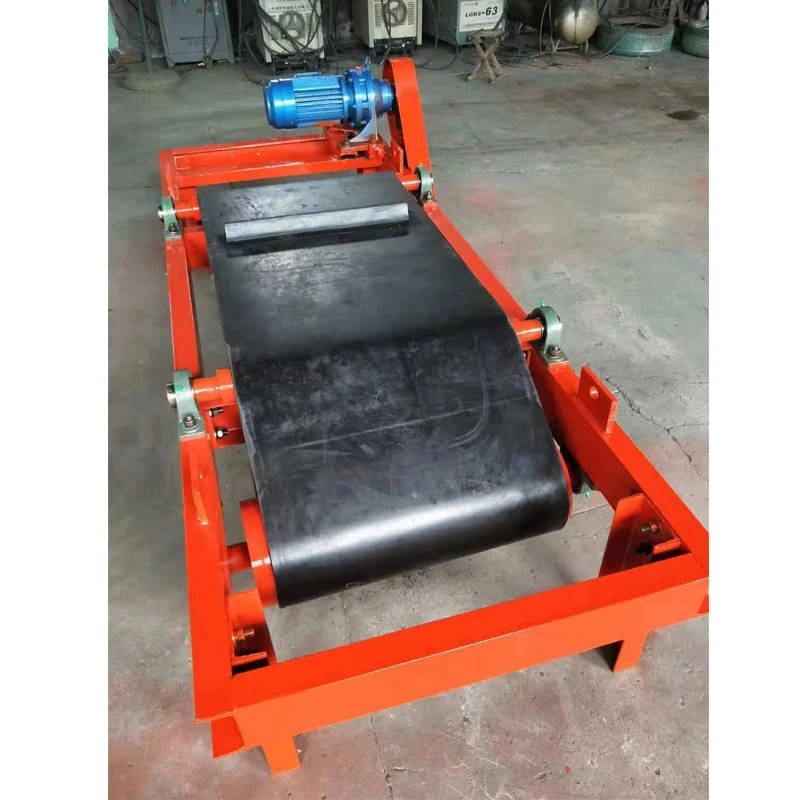
Successful hot splicing requires vulcanizing presses and heaters calibrated to apply the right combination of heat, time, and pressure. This exactness is crucial for joint integrity.
4. Scalability
Hot splicing technology is flexible and can be applied to conveyors of many widths and types, from narrow food-processing belts to massive industrial carriers.
5. Cost Efficiency
While mechanical splicing might appear cheaper in the short term, hot splicing reduces long-term costs related to belt damage, downtime, and subsequent repairs.
6. Safety & Environmental Considerations
Because the process creates smooth joints without protruding bolts or clamps, it lowers injury risk and reduces belt contamination, crucial in food or pharmaceutical sectors.
Mini takeaway: Hot splicing conveyor belts blend materials science, engineering precision, and operational practicality to deliver dependable belt repairs and extensions essential in critical industries.
Hot Splicing Conveyor Belt: Real-World Applications Across the Globe
Hot splicing sees widespread use in industries that cannot afford extended downtime—think mining in Australia's Pilbara region, where tens of thousands of tons of ore move daily. Without reliable hot splicing, even a short shutdown could have ripple effects across markets.
Similarly, ports in Rotterdam or Singapore deploy hot spliced belts in container handlers, essential for continuous operations. Oddly enough, even humanitarian constructs benefit; in remote post-disaster zones, conveyor belts repaired through hot splicing can facilitate the swift movement of construction materials, aiding recovery efforts.
This scope highlights how this technology isn’t just “industrial” but connects with global supply chains, environmental sustainability (via reduced waste), and social infrastructure development.
Advantages and Long-Term Value of Hot Splicing Conveyor Belts
- Reliability: Spliced sections retain strength and reduce unexpected failures that can endanger workers or damage equipment.
- Cost savings: Lower downtime plus longer belt life equals better return on investment.
- Sustainability: Extending belt life reduces raw material consumption and landfill waste.
- Safety: Fewer mechanical joins mean smoother operations and lower hazard risk.
- Innovation: As new vulcanizing technologies develop, the process becomes cleaner, faster, and more eco-friendly.
Mini takeaway: Hot splicing is a blend of smart engineering and economic sense, yielding benefits for industry, environment, and people.
Upcoming Trends & Innovations in Hot Splicing
Technology doesn’t stand still, and neither does hot splicing. New developments such as digital heating controls allow technicians to tailor temperature profiles precisely to belt materials, improving bond quality. The use of warm vulcanization presses powered by renewable energy is gaining traction, aligning with broader corporate sustainability goals.
Moreover, robotics and AI are starting to automate splicing operations, which could standardize quality and speed up repairs. Materials science is another frontier — bio-based rubbers and compounds designed for faster or lower-temperature vulcanization could reduce emissions in the process.
Common Challenges & Expert Solutions
Hot splicing isn’t without its hurdles. For one, the process requires specialized operators with training and experience, or else the joint quality can suffer. Also, field conditions—extreme cold, humidity, or dust—may complicate the process. To overcome this, mobile vulcanizing trailers and weatherproof splicing kits have become standard.
Material compatibility occasionally poses issues, especially when belts from different manufacturers are joined. Expert insights encourage keeping belt specifications consistent and conducting compatibility testing before splicing.
Product Specifications Table: Typical Hot Splicing Conveyor Belt Key Specs
| Feature | Specification |
|---|---|
| Belt Width | 400 mm – 2400 mm |
| Tensile Strength | 10 – 315 N/mm |
| Operating Temperature Range | -20°C to +80°C |
| Splice Strength (hot vulcanized joint) | >80% of original belt strength |
| Typical Vulcanizing Time | 30–45 minutes |
Vendor Comparison Table
| Vendor | Splicing Method | Max Belt Width | Typical Cure Time | Service Availability |
|---|---|---|---|---|
| Supplier A | Hot Vulcanization | 2200 mm | 35 minutes | 24/7 Field Support |
| Supplier B | Cold Vulcanization + Hot Splicing | 2000 mm | 40 minutes (hot) | Regional Availability |
| Supplier C | Hot Vulcanization | 2400 mm | 30 minutes | Global Service Network |
Frequently Asked Questions About Hot Splicing Conveyor Belts
Q1: How durable is a hot splice compared to the original conveyor belt?
A hot splice typically achieves over 80% of the original belt's tensile strength, sometimes matching it fully when done correctly. This ensures the joint is strong enough for demanding industrial workloads.
Q2: Can hot splicing be performed on-site without removing the conveyor belt?
Yes, one of the main advantages of hot splicing is that it can be done on-site, often without dismantling the belt system, which drastically reduces downtime and labor costs.
Q3: What safety precautions should be taken during hot splicing?
Proper use of heat-resistant gloves, eye protection, and training to handle vulcanization equipment is essential. Also, the area should be well-ventilated to avoid inhaling fumes from heated rubber compounds.
Q4: Is hot splicing suitable for all types of conveyor belts?
While hot splicing is ideal for rubber conveyor belts with fabric reinforcement, it may not be suitable for plastic modular belts or those with specific coatings. Always verify manufacturer guidelines.
Q5: How long does it take to hot splice a conveyor belt?
The vulcanization process usually takes between 30 and 45 minutes, varying by belt thickness and width. Preparation adds some time, but overall, it’s one of the fastest permanent repair methods.
Conclusion
Hot splicing conveyor belts embody a blend of science, skill, and practicality that keeps industries moving globally. From mining operations to humanitarian logistics, these splices represent durability and efficiency, minimizing costly downtime and safety risks. Investing in quality hot splicing techniques and equipment not only safeguards productivity but also pushes companies toward more sustainable and socially responsible operations.
If you’re interested in mastering or implementing superior hot splicing conveyor belt solutions, I encourage you to visit our website: hot splicing conveyor belt. It's packed with resources, expert advice, and support to help optimize your operations.
A tiny reflection: When was the last time you really appreciated how a simple joint, made with heat and precision, keeps the wheels of industry turning?