Understanding the Z Conveyor Belt: An Industrial Backbone
If you’ve spent much time around manufacturing floors or logistics hubs, you’ve probably seen a z conveyor belt in action, even if you didn’t know what it was called. But why does this seemingly simple piece of equipment matter on a global scale? Well, the z conveyor belt plays a crucial role in increasing efficiency and safety across industries — from heavy manufacturing in Germany to food processing in Southeast Asia.
Globally, efficient material handling is a challenge that directly impacts supply chain costs, customer satisfaction, and energy consumption. According to the International Federation of Robotics (IFR), worldwide demand for automation equipment, including conveyors, is expected to grow nearly 10% annually through 2025. Understanding the z conveyor belt is key for businesses aiming to streamline operations while upholding sustainability goals.
Mini takeaway: The z conveyor belt is more than just a tool — it’s a vital contributor to global industrial progress and sustainability.
Introduction: The Global Relevance of Z Conveyor Belts
Conveyor systems handle roughly 98% of all bulk materials moved worldwide, according to the U.S. Bureau of Labor Statistics and backed by ISO standards related to material handling systems. The z conveyor belt, with its characteristic zig-zag layout, addresses a specific problem: how to move products vertically or up steep inclines within limited floor spaces. This is a challenge in dense factories, ports, and warehouses worldwide.
Frankly, these conveyors are a game-changer in environments where horizontal space is sparse but vertical elevation is necessary. From grain elevators in Canada to electronics assembly lines in Japan, they've solved a long-standing spatial dilemma.
What Exactly Is a Z Conveyor Belt?
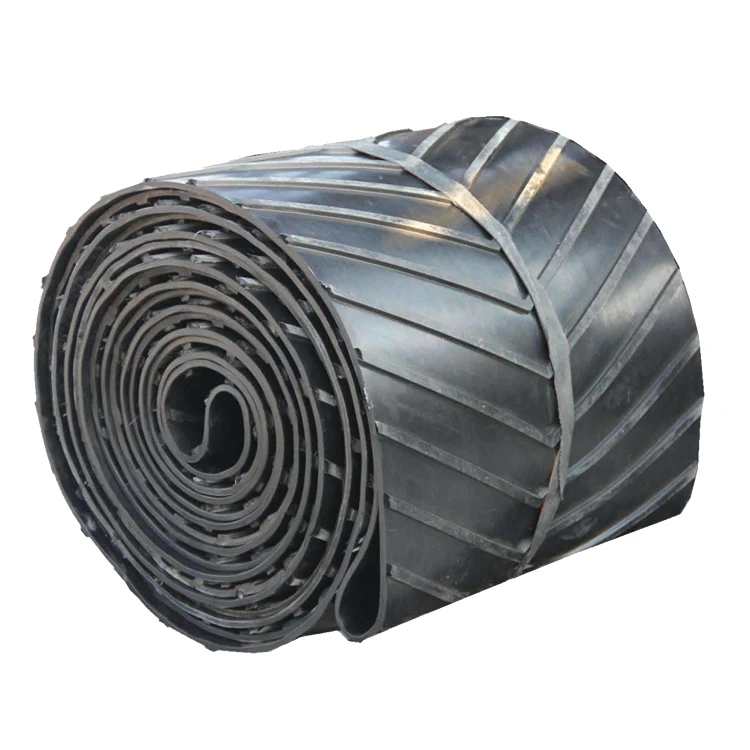
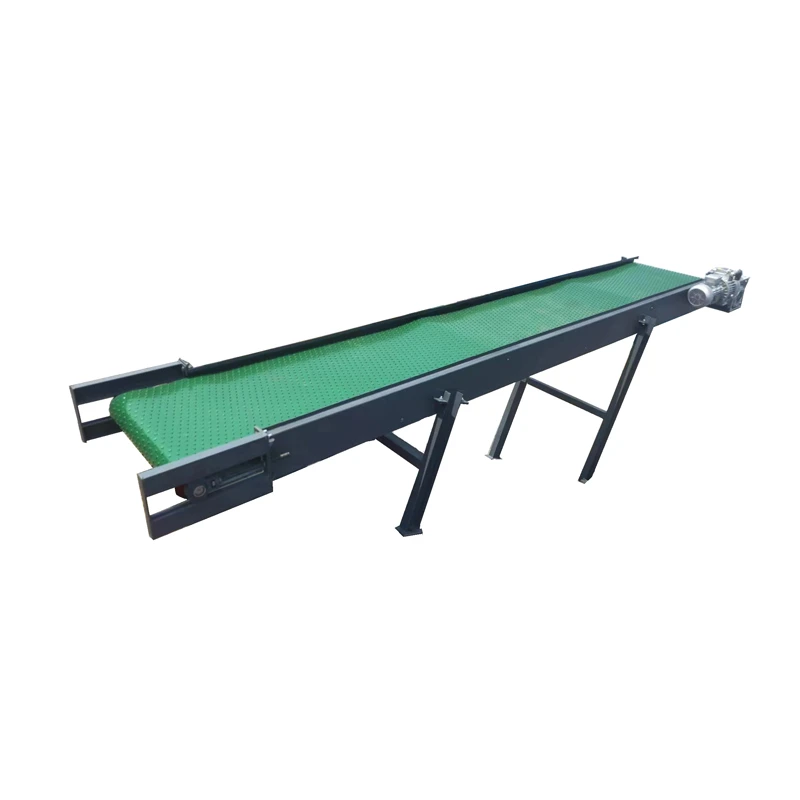
In simple terms, the z conveyor belt is a conveyor system shaped in segments resembling the letter “Z,” designed to carry materials up or down within a confined area. The segmented design allows it to change elevation without requiring a lot of horizontal floor space.
It’s particularly indispensable in modern industries that require compact, scalable solutions for moving goods safely and efficiently—whether that's packages, vegetables, or automobile parts. In humanitarian contexts, the z conveyor belt can also aid in rapid disaster response logistics by efficiently sorting and moving supplies.
Core Components & Key Factors
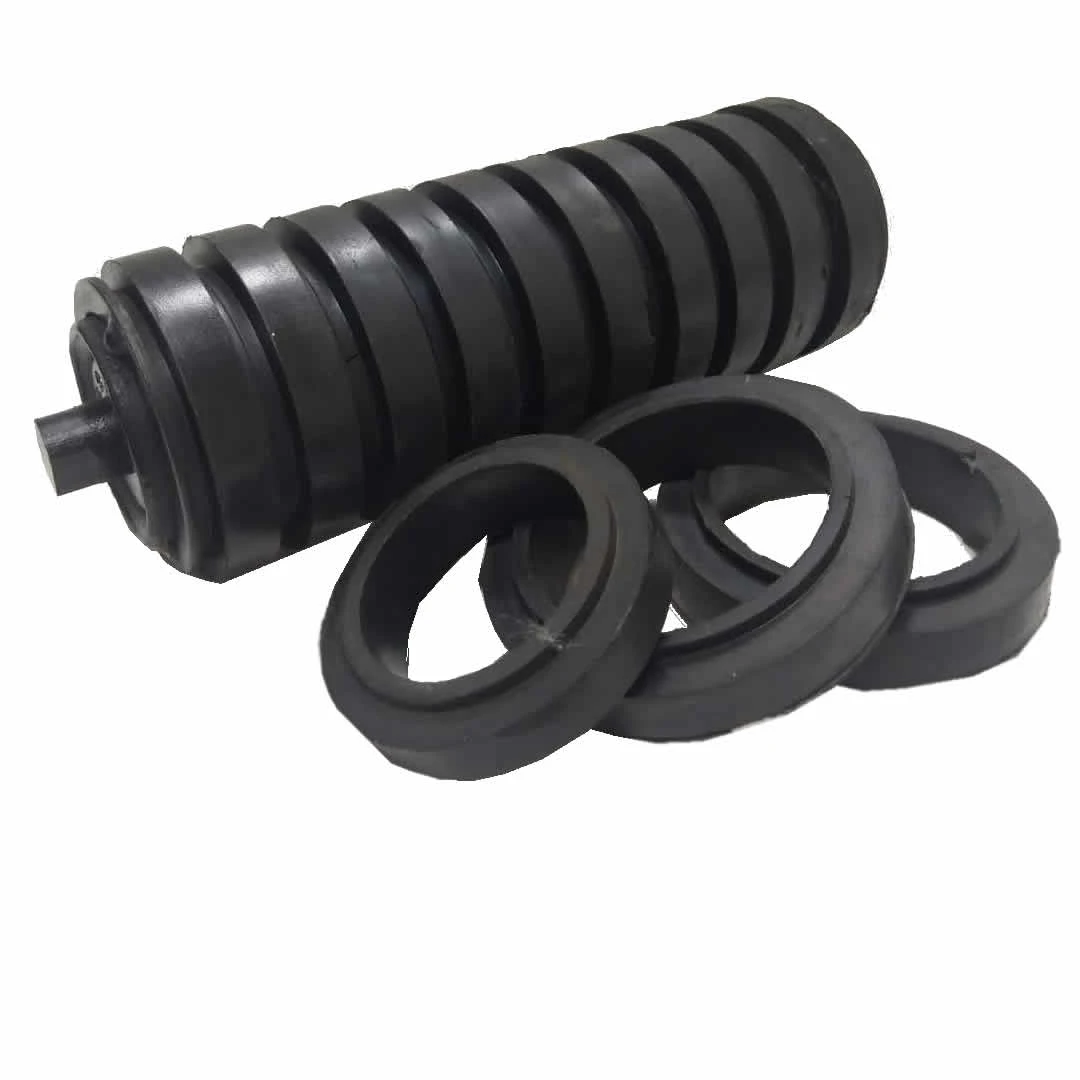
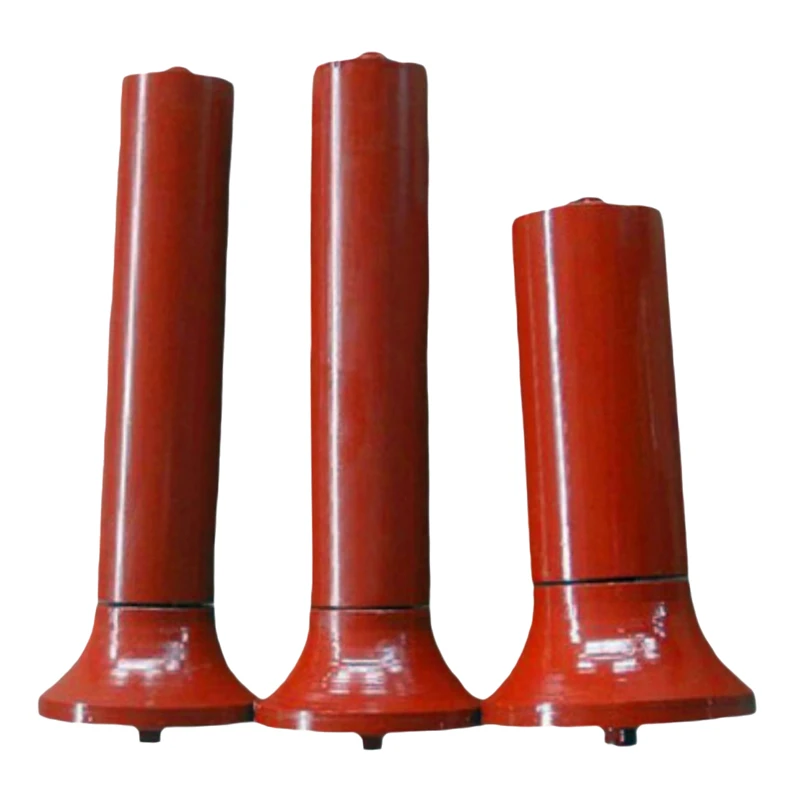
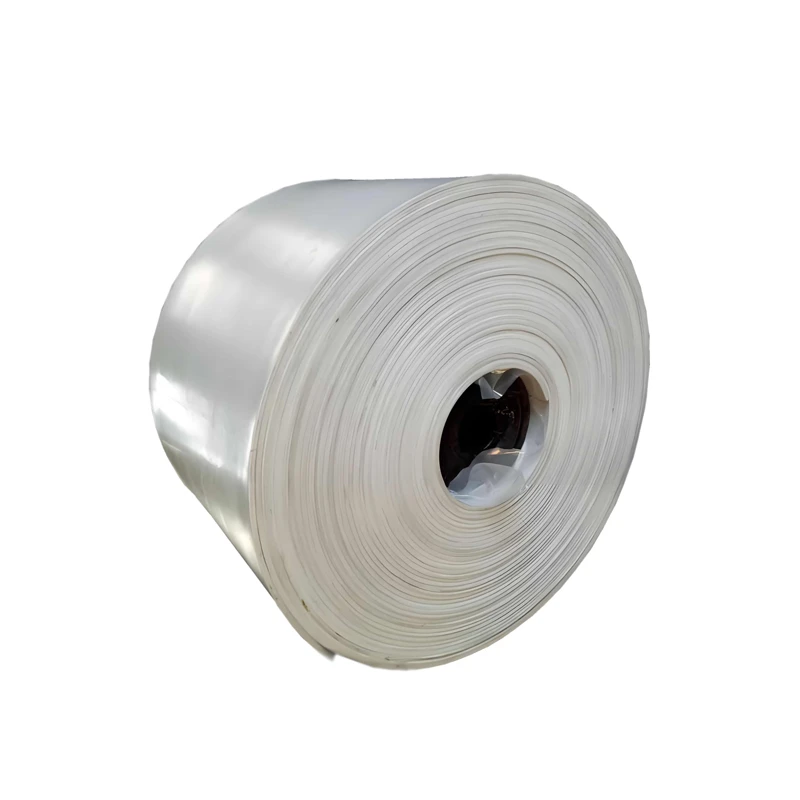
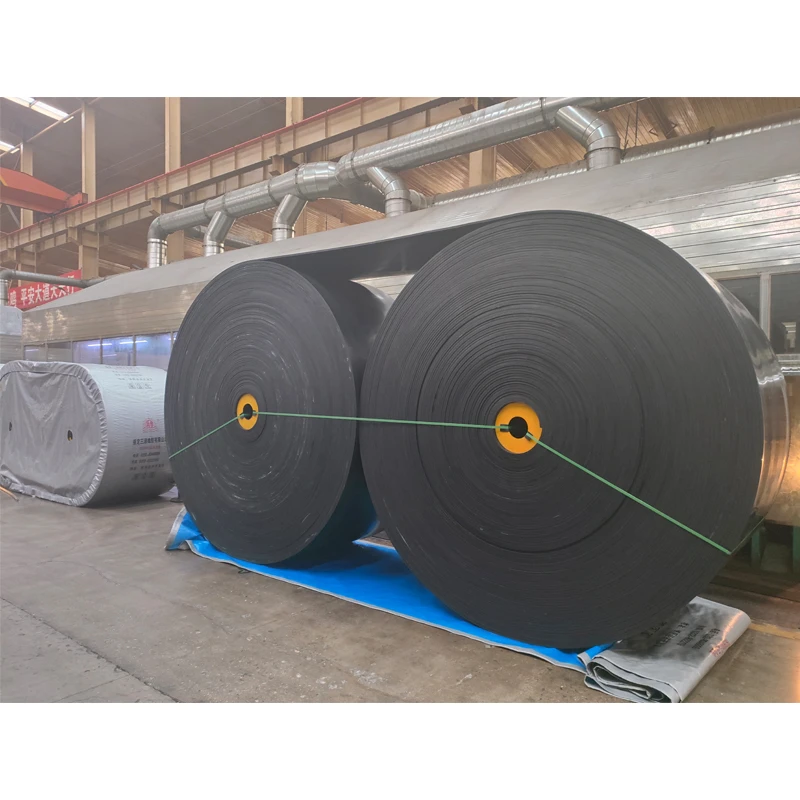
- Durability: Made with abrasion-resistant belts and sturdy rollers, built to handle thousands of cycles without failure.
- Scalability: Modular components allow companies to customize length, incline, and speed to fit their unique needs.
- Energy Efficiency: Some modern z conveyor belts incorporate variable frequency drives reducing power consumption during low-load periods.
- Safety: Integration of sensors and guards complies with ISO 13849 safety standards, protecting operators.
- Maintenance Ease: Accessible tension systems and wear indicators simplify upkeep, reducing downtime.
These factors translate into reliable, flexible solutions that can evolve alongside manufacturing demands.
Product Specifications: A Typical Z Conveyor Belt Model
| Specification | Details |
|---|---|
| Belt Width | 300mm to 1200mm |
| Incline Angle | Up to 45 degrees |
| Speed | Up to 60 meters/minute |
| Motor Power | 0.75 kW to 5 kW |
| Material | PVC/PU belts with steel frames |
Global Applications & Use Cases
In real terms, the z conveyor belt is everywhere — silently moving goods vertically in compact settings.
- Food Processing: In Europe and North America, conveyor belts elevated at zig-zag angles move fresh produce efficiently through washing, sorting, and packaging lines.
- Port Facilities: Z conveyors speed up container handling at Asian ports, where space is at a premium.
- Mining & Quarrying: In Australia and South Africa, they help carry minerals uphill, minimizing manual handling.
- Disaster Relief Logistics: NGOs globally use portable z conveyor belts for swiftly moving supplies in constrained, urgent setups.
Mini takeaway: Whatever the region, the z conveyor belt adapts to unique industrial and humanitarian challenges.
Comparing Leading Z Conveyor Belt Vendors
| Feature | Vendor A | Vendor B | Vendor C |
|---|---|---|---|
| Belt Material | PU with anti-slip | PVC with reinforced fibers | Rubber composite |
| Modularity | Highly Modular | Moderate | Low |
| Safety Features | Advanced sensors, emergency stop | Basic guards | Standard |
| Lead Time | 4–6 weeks | 6–8 weeks | 8+ weeks |
| Price Range | $$$ | $$ | $ |
Advantages & Long-Term Value
The z conveyor belt’s appeal extends beyond just moving stuff up and down. Its cost efficiency reduces labor expenses and accidents by minimizing manual handling. In sustainability terms, energy-efficient motors and durable belts reduce waste and power use—helping companies hit ESG (Environmental, Social, Governance) targets. Emotionally, operators feel safer and more valued, which boosts workplace morale.
Future Trends & Innovations
Looking ahead, z conveyor belts are integrating smarter technologies like IoT sensors that monitor wear and predict maintenance needs, so companies avoid costly downtime. Material advances, such as bio-based belts and recyclable components, are emerging to align with circular economy principles. Plus, automation and robotics are increasingly meshing with z conveyors to form compact, highly adaptive sorting networks that improve logistics dramatically.
Challenges & Solutions
One tricky aspect is maintaining belt alignment over complicated conveyor paths — misalignment can cause damage and delays. Engineers often tackle this by employing auto-tracking rollers and real-time monitoring systems. Another challenge is adapting designs for extremely heavy or abrasive loads without sacrificing speed, which calls for customized frame reinforcements and belt materials. Thankfully, ongoing R&D continues to address these with innovative solutions.
FAQ: Frequently Asked Questions About Z Conveyor Belts
- Q: How steep can a z conveyor belt safely operate?
A: Typically, these belts handle inclines up to 45 degrees, depending on the belt material and cleat design to prevent slipping. Custom solutions can sometimes go steeper. - Q: Are z conveyor belts suitable for food-grade applications?
A: Yes, many come with FDA-approved belts and stainless steel frames to comply with hygiene standards required in food processing. - Q: What maintenance is required for a z conveyor belt system?
A: Regular checks on belt tension, roller condition, and motor lubrication are standard. Some modern systems feature automated alerts for wear and alignment issues. - Q: Can the conveyor speed be adjusted?
A: Most systems utilize variable frequency drives (VFDs) allowing operators to adjust speed for delicate or heavy products. - Q: How do I choose the right vendor for my z conveyor belt needs?
A: Consider modularity, safety features, lead time, and after-sales support. Reviewing vendor portfolios and getting references is recommended.
Conclusion
To sum it up, the z conveyor belt is a deceptively simple yet highly sophisticated solution that solves real challenges worldwide — optimizing space, enhancing safety, and promoting sustainability. It’s been fascinating to see how these systems evolve — and frankly, investing in a well-designed conveyor belt means investing in smoother, more reliable operations for years to come.
If you want to explore a variety of robust, efficient z conveyor belt options, visit our website. You might find exactly what your facility needs to step up its material handling game.
Just a small thought to leave you with: in many ways, these conveyors quietly shape how our world’s products move, grow, and reach us every day.
References:
1. Wikipedia – Conveyor Belt
2. ISO 7149:2004 - Chain conveyors and associated equipment — Safety requirements
3. International Federation of Robotics (IFR): Industrial Robots Report 2023