Understanding the Recycled Conveyor Belt: A Practical Guide
At first glance, the phrase recycled conveyor belt might evoke images of a rugged industrial component repurposed for a second life. And honestly, that's not far off. But this seemingly humble product is quietly making waves in industries globally, blending sustainability with cost-efficiency in ways you might not expect. From reducing waste in manufacturing to powering remote mining operations more responsibly, recycled conveyor belts are a subtle yet powerful innovation.
Why It Matters Globally
To put things in perspective, the global conveyor belt market is booming, valued at over $4 billion annually (according to industry reports). Yet, with billions of tons of rubber and material waste piling up worldwide (UN Environment Programme estimates over 30 million tons of tire waste annually), there's a pressing need to rethink how these materials are handled. Recycling conveyor belts tackles not just industrial waste but also energy consumption – a meaningful step towards circular economies and a lower carbon footprint.
Oddly enough, many sectors emphasize efficiency but overlook environmental costs. The recycled conveyor belt offers a neat solution by reusing durable materials, cutting down landfill mass, and lowering resource consumption. Plus, they usually come with comparable or even superior performance to new belts - a win-win.
What Is a Recycled Conveyor Belt?
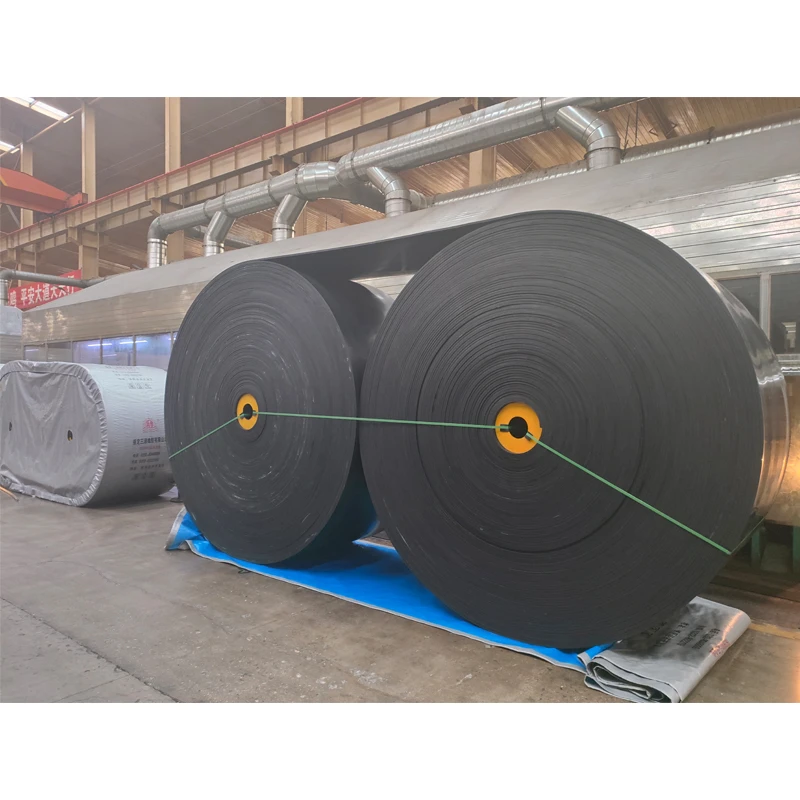
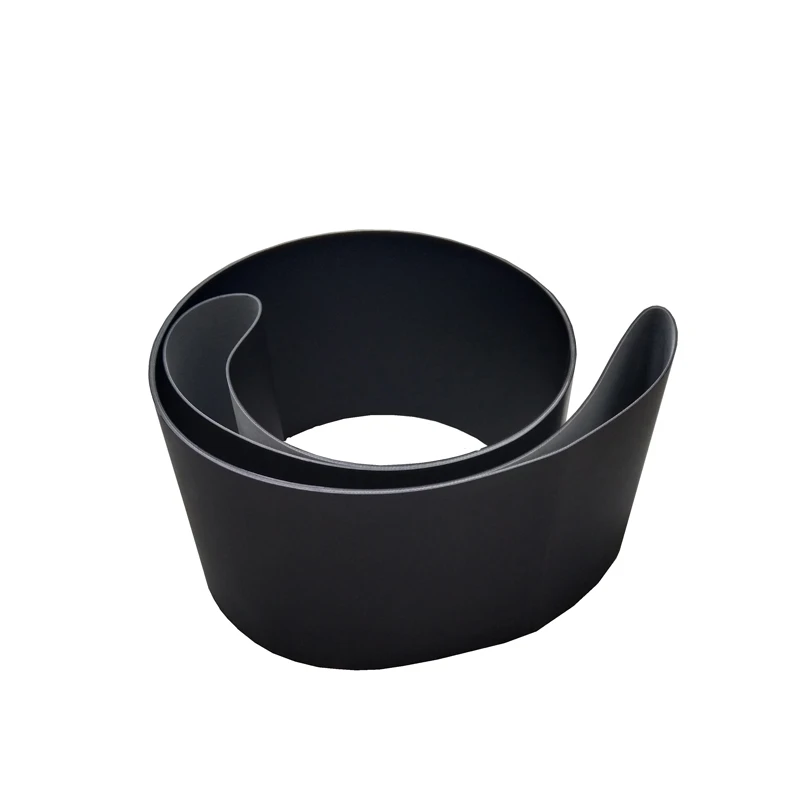
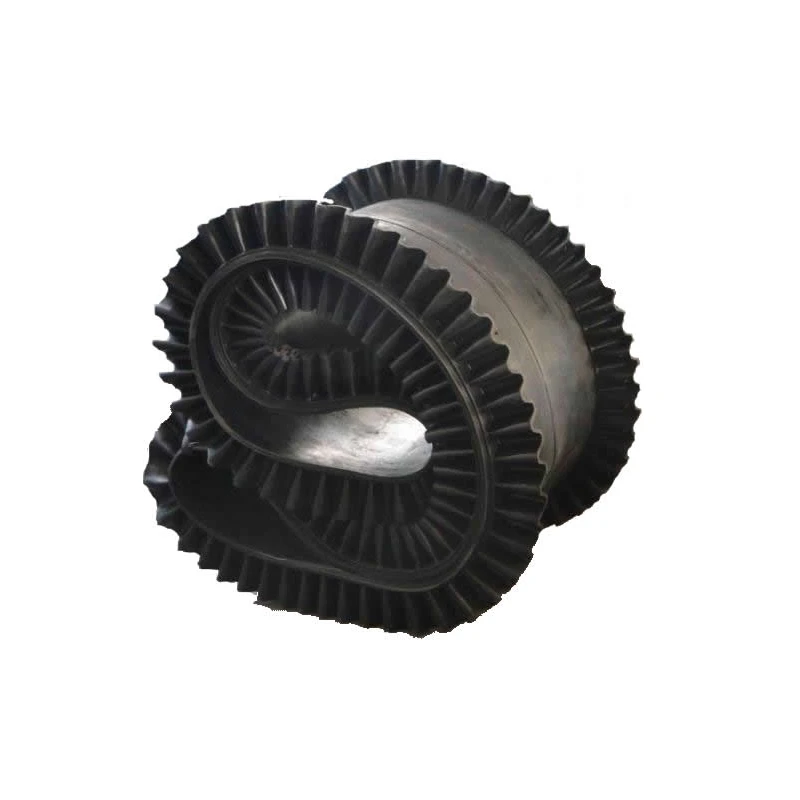
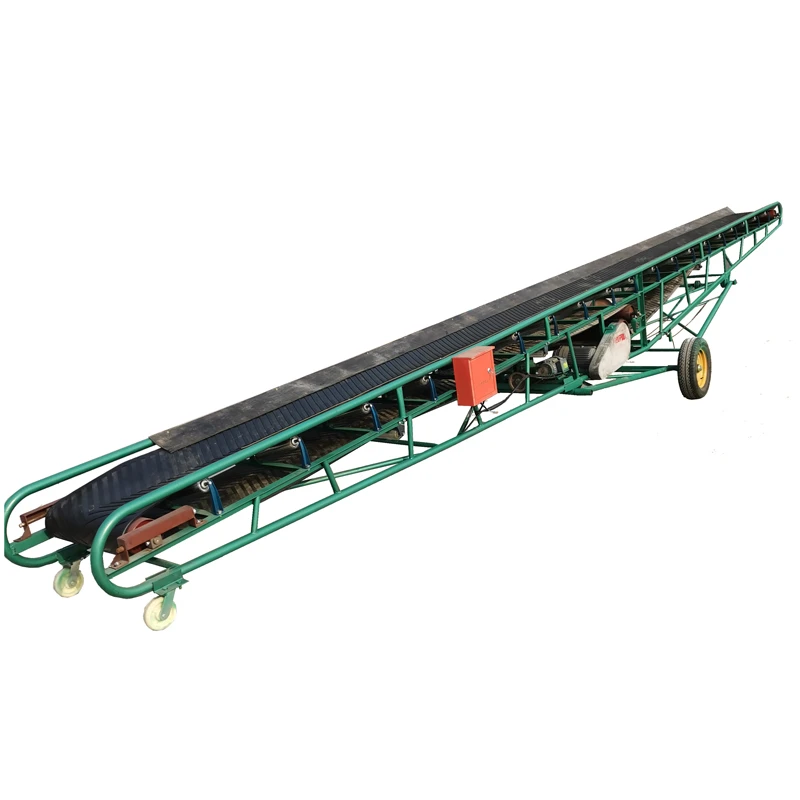
Simply put, a recycled conveyor belt is an industrial belt produced by reclaiming used conveyor belt materials, often from discarded or end-of-life belts. The process involves cleaning, conditioning, and sometimes blending the recovered rubber, fabric, and steel reinforcements to craft new belts or secondary products. The connection to modern industry is strong: it’s about bringing sustainability into the logistics of material transport, be it mining, agriculture, or manufacturing.
On a humanitarian note, recycled conveyor belts occasionally find second lives in innovative projects such as emergency shelter flooring or rugged outdoor surfaces in disaster zones — practical examples of material reuse reaching beyond pure industry.
Core Components and Key Factors
1. Durability and Strength
Recycled conveyor belts tend to retain much of their original tensile strength. Engineers prioritize quality in reclaiming materials, so wear-resistant layers and plies remain robust. This durability means they perform reliably in tough conditions, especially where abrasion resistance is critical.
2. Cost Efficiency
Arguably the biggest draw. Recycled belts cost significantly less than brand-new alternatives. Companies benefit from lower upfront capital expense and reduced maintenance costs—helpful when operating in price-sensitive sectors like small-scale mining.
3. Environmental Sustainability
By diverting industrial waste from landfills, recycled conveyor belts lessen pollution and conserve raw materials. This factor aligns with ISO 14001 environmental management standards, increasingly required in industrial supply chains.
4. Scalability and Customization
Recycled belts come in various sizes and thicknesses; manufacturers often customize compounds based on usage. From light-duty packaging lines to heavy-duty quarry conveyors, the adaptability is impressive.
5. Safety and Compliance
Modern reclaimed belts meet stringent safety norms, sometimes including flame retardancy and chemical resistance. This compliance is critical in hazardous environments like oil refineries or chemical plants.
Specifications of a Typical Recycled Conveyor Belt
| Parameter | Specification |
|---|---|
| Width | 500 mm – 2000 mm (customizable) |
| Thickness | 6 mm – 20 mm |
| Tensile Strength | Up to 2500 N/mm |
| Material Composition | Rubber (natural & synthetic), textile plies, steel cords |
| Abrasion Resistance | Class M (ISO 4649) |
Global Applications & Use Cases
Recycled conveyor belts have found homes across multiple continents and industries:
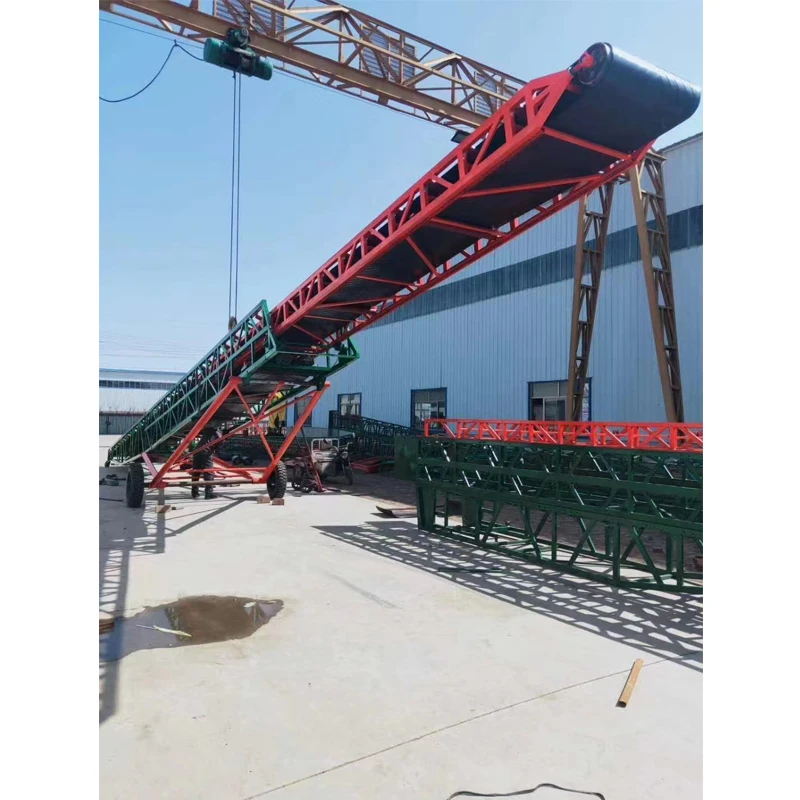
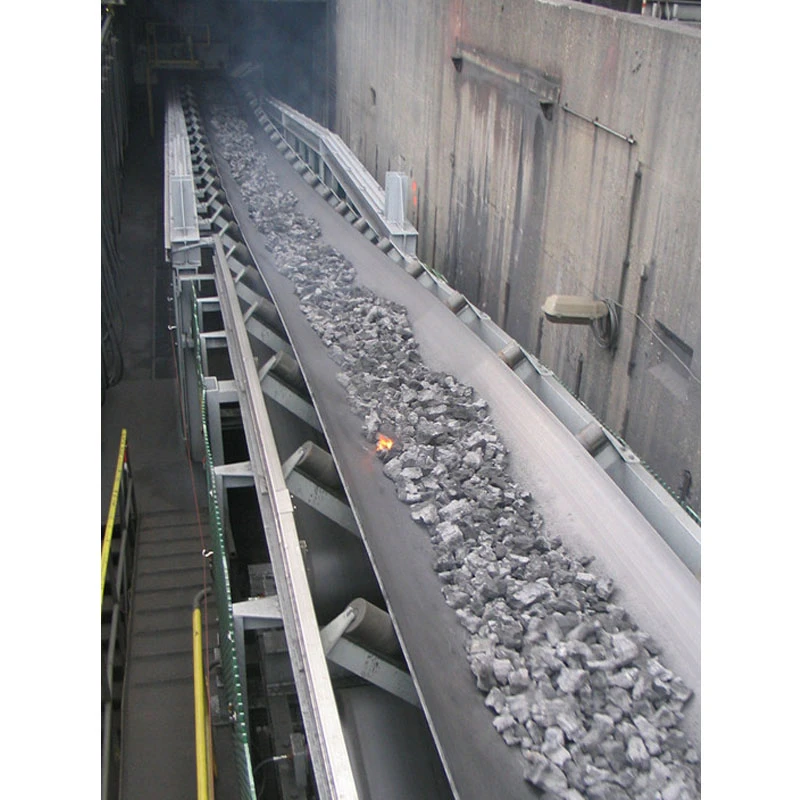
- Mining operations in South Africa and Australia use them for cost-effective material handling, especially suited to harsh, abrasive environments.
- Agriculture sectors in North America benefit from lightweight, flexible belts for grain and seed transport.
- Recycling centers often integrate recycled conveyor belts themselves, forming a neat loop of sustainability.
- Interestingly, NGOs deploying recycled conveyor belt materials have adapted them into rugged flooring solutions in remote refugee camps.
In post-disaster relief operations, quick deployment of durable transport systems is invaluable. Recycled conveyor belts offer an off-the-shelf, eco-friendly way to rebuild supply lines rapidly.
Vendor Comparison Table
| Vendor | Material Quality | Price Range | Customization | Environmental Certification |
|---|---|---|---|---|
| EcoBelt Industries | High-grade rubber & steel | $$$ | Fully customizable | ISO 14001 |
| GreenLoop Belts | Medium-grade mixed rubber | $$ | Limited customization | Pending |
| ReBelt Solutions | Reclaimed textile-heavy belts | $ | Basic sizes only | No certification |
Advantages & Long-Term Value
The long-run benefits are tangible and, frankly, quite compelling. First, the lower costs mean operations become financially sustainable without sacrificing safety or efficiency. Then there’s the environmental mindset — the emotional satisfaction and social responsibility that come with recycling offset some of the harsher impacts of industrialization.
Safety-wise, recycled conveyor belts often feature enhanced abrasion resistance due to the matured compound in the reclaimed rubber. Trust grows when clients see not just a cheaper product but one that holds up equally well in the field for years. And that reliability leads to less downtime, which, anyone who’s managed logistics knows, saves headaches and money.
Future Trends & Innovations
Looking ahead, digital transformation is tapping into the recycled conveyor belt market with smart sensors and IoT for predictive maintenance — no longer will belts just move material; they’ll tell operators when they need servicing.
New green energy initiatives push for even cleaner recycling processes, using renewable power for manufacturing. Additionally, advances in bio-based rubber alternatives could someday make fully compostable conveyor belts possible, an exciting but still emerging field.
Challenges & Practical Solutions
That said, not everything is rosy. Some hurdles include variable material quality depending on the source of recycled components and occasional limitations in belt lifespan compared to virgin materials. Also, compliance with industry standards can be inconsistent, especially among smaller vendors.
Experts suggest rigorous third-party testing and tighter certification controls could help. Plus, tighter collaboration between manufacturers and end-users ensures products meet specific demands. Custom formulation tweaks and blending recycled with virgin materials help achieve better consistency.
FAQ: Frequently Asked Questions About Recycled Conveyor Belts
- How durable are recycled conveyor belts compared to new ones?
- Generally, recycled belts maintain about 80-90% of the tensile and abrasion resistance strength of new belts. This varies by material source and processing quality but is sufficient for most industrial uses.
- Are recycled conveyor belts suitable for all industries?
- While widely applicable, some highly specialized industries (like pharmaceutical or food-grade processing) might require virgin belts for compliance. But mining, construction, and recycling centers use recycled belts without issue.
- How can a company ensure the recycled conveyor belt meets environmental standards?
- Look for vendors with ISO 14001 certification or those that provide detailed material sourcing and testing documentation. Site audits and lab analyses are also good practices.
- What is the typical lead time for custom recycled belts?
- Depending on specification complexity, lead times range from 2 to 8 weeks. Some suppliers maintain stock belts for faster delivery.
- Can recycled conveyor belts be repaired or refurbished again?
- Yes, with proper maintenance, many recycled belts can be patched, and some manufacturers offer refurbishing services to extend service life.
Conclusion
Recycled conveyor belts represent a pragmatic, sustainable choice in today’s industrial landscape. They blend environmental stewardship with cost savings and reliable performance. If you’re considering integrating sustainable solutions into your operations, a recycled conveyor belt is definitely worth exploring. For detailed specs, vendor advice, or a custom quote, visit our website.
It feels like a small thing, but this simple reuse embodies broader global goals for circular economies and responsible industry. And frankly, the more these materials keep rotating, the better off we all are.
Mini Takeaways:
- Recycled conveyor belts reduce industrial rubber waste and lower costs without sacrificing strength.
- Global industries from mining to humanitarian shelters benefit from their durability and eco-credentials.
- Future trends include smart sensors and greener materials ensuring longevity and sustainable innovation.
References: