Understanding the Flexowell Conveyor Belt: A Global Industrial Workhorse
The flexowell conveyor belt might not be a household term, but in industries worldwide, it’s something of an unsung hero. This specialized type of conveyor belt transforms how bulk materials are handled—making operations safer, more efficient, and sometimes downright revolutionary. As globalization continues to fuel supply chain complexities and environmental standards tighten, grasping what flexowell conveyor belts bring to the table is becoming crucial for engineers, logistics teams, and sustainability advocates alike.
Why Does the Flexowell Conveyor Belt Matter Globally?
Thanks to rising demand for faster, safer material transport solutions—whether in mining, agriculture, or manufacturing—flexowell belts are carving out a significant niche. According to ISO standards governing conveyor systems, the ability to mold conveyors to complex environments without spillage or excessive wear is a major quality factor. Moreover, the World Bank's data on industrial automation hints at a 10-15% annual growth rate in conveyor tech adoption in Asia and Africa, where infrastructure challenges demand bespoke solutions.
That’s where flexowell conveyor belts come in—tackling those challenges like steep inclines, sharp curves, and environmentally sensitive zones.
Definition & Meaning: What Exactly Is a Flexowell Conveyor Belt?
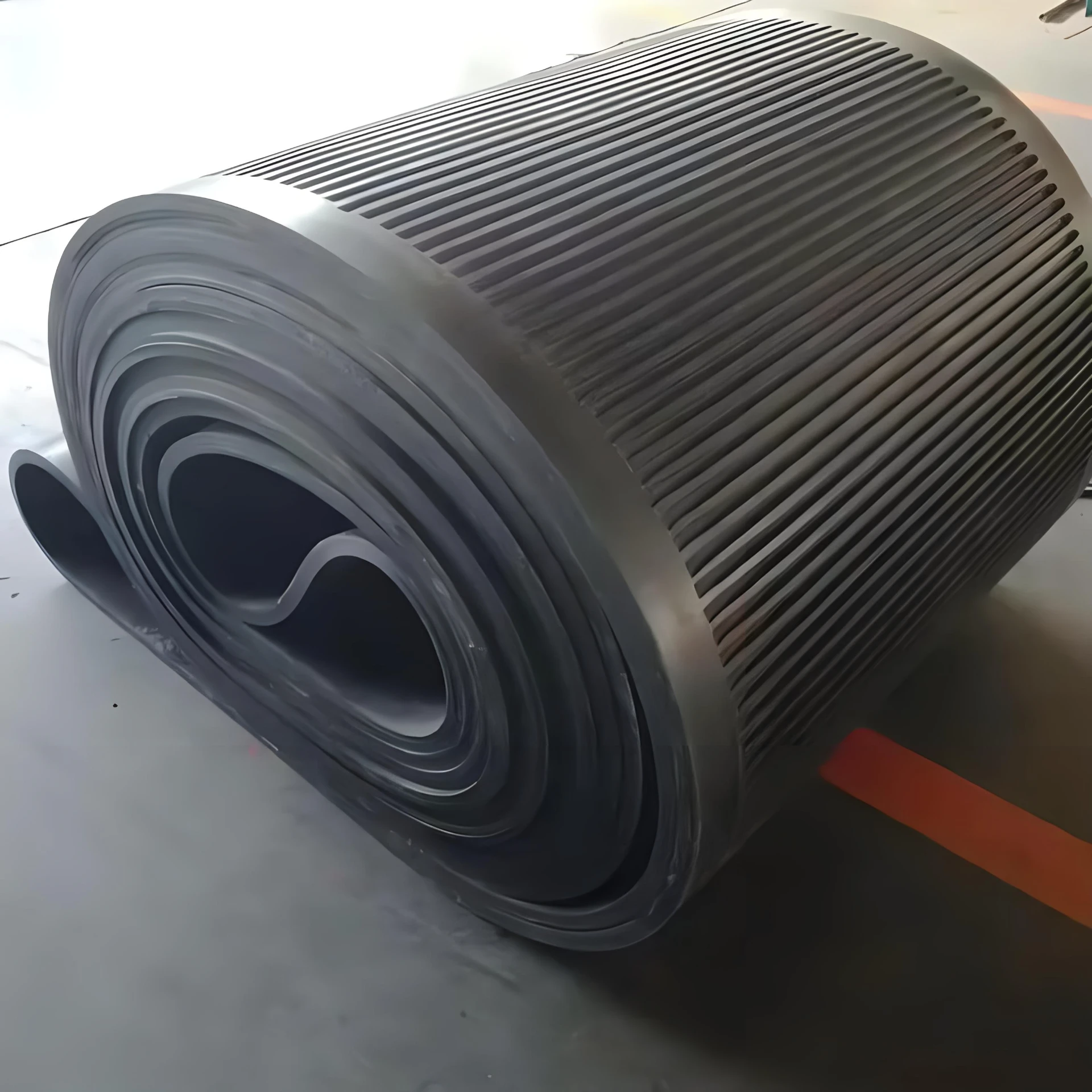
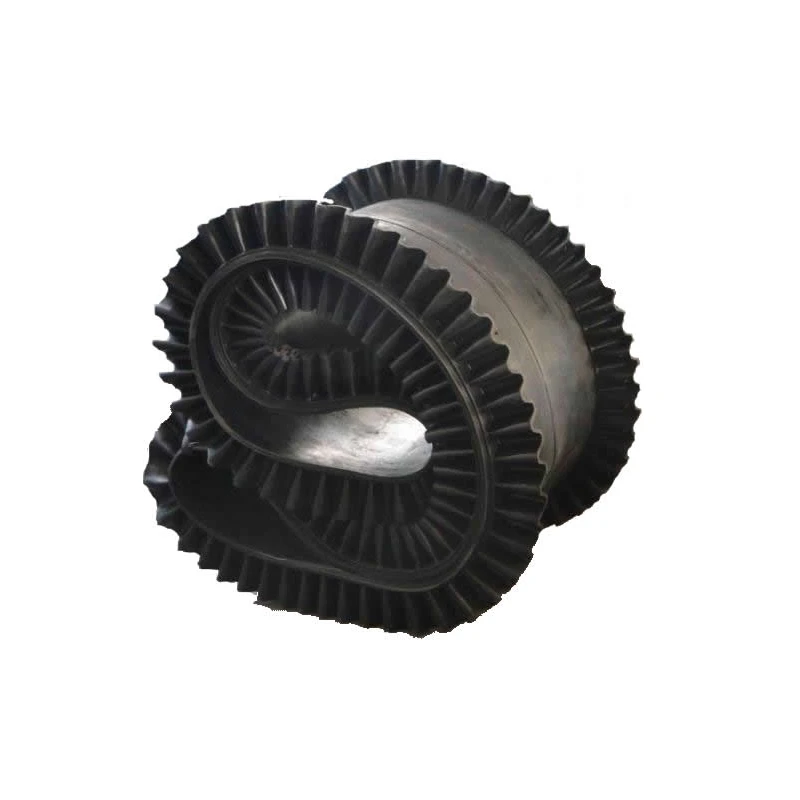
Simply put, a flexowell conveyor belt is a type of belt with integrated, flexible troughing sidewalls that form a series of longitudinal pockets, or “wells.” These wells securely carry bulk materials, preventing spillage especially on inclines or curved paths. Think of it like a segmented canal that bends and flexes, unlike traditional flat belts.
This design innovation is particularly important where traditional conveyor belts just fail—say, in hilly terrain or confined industrial zones, where spillage causes operational delays and safety hazards.
Core Components & Key Features of Flexowell Conveyor Belts
1. Durability & Material Composition
Most flexowell conveyor belts feature layers of synthetic rubber compounded with fabrics and sometimes steel reinforcements. This structure balances strength with pliability. The well sections themselves are highly resistant to wear caused by abrasive materials like coal or ore—for which these belts are a godsend.
2. Flexibility & Maneuverability
Unlike rigid conveyor setups, the flexowell conveyor belt can handle tight bends and steep gradients—up to 35° or more—without spilling cargo. This is thanks to its segmental construction and flexible trough walls that shift in unison as the belt moves.
3. Scalability & Customization
These belts come in various widths and lengths and can be customized for application-specific needs. From tiny industrial plants to massive mining complexes, scalability is built into the system.
4. Cost Efficiency Over Time
While upfront costs might be a bit higher than a standard flat belt, the long-term savings from reduced downtime, lower spillage cleanup, and extended belt lifespan more than pay off.
5. Environmental & Safety Benefits
Minimizing spillage means less contamination of surrounding environments and safer work conditions for operators, a big plus in both industrialized and developing regions.
Product Specifications at a Glance
| Feature | Details |
|---|---|
| Material | Synthetic rubber & fabric layers |
| Flexibility | Suitable for bends up to 35° incline |
| Width Range | 300 mm to 2000 mm |
| Temperature tolerance | -30°C to +80°C |
| Belt Speed | Up to 5 m/s |
Global Applications & Use Cases
The flexowell conveyor belt excels in numerous scenarios:
- Mining operations in South Africa and Australia use these belts extensively to transport abrasive ores safely uphill and through curves in mines.
- Agricultural processing plants in Brazil rely on flexowell belts to handle grains without spillage, reducing waste and contamination.
- Post-disaster relief logistics often use modular conveyor setups with flexowell belts to quickly move supplies through uneven terrain, say in mountainous Nepal.
- Manufacturing plants in Europe with limited floor space use flexowell belts for their ability to snake through complex layouts without losing product.
Such diversity is why it’s become a staple in both emerging and mature industrial ecosystems.
Advantages & Long-Term Value
One major advantage is operational reliability. It feels like a safety net for engineers who know that spillage equals downtime and safety risks. Over time, less material loss means a greener footprint and more profitable returns.
On an emotional level, workers appreciate the lowered clean-up burden—reducing injuries and air quality issues. This breeds trust in the system, which leads to better maintenance and longevity.
Trend Watch: Innovations Shaping the Future of Flexowell Conveyor Belts
Oddly enough, the conveyor belt world is seeing exciting tech influences:
- Eco-friendly materials: New composites and recycled rubber components make modern belts lighter and greener.
- Digital monitoring: Sensors embedded in belts can now relay wear data and tension changes in real-time, aligning with Industry 4.0 trends.
- Automation-friendly designs: Flexowell belts are increasingly integrated within automated sorting and packaging systems.
There’s also talk in engineering circles about belts optimized for hydrogen-related industries, but that’s still early days.
Common Challenges & Clever Solutions
Despite benefits, flexowell conveyor belts do face hurdles like:
- Initial installation complexity: Precise alignment is key; otherwise, the flexible wells deform.
- Maintenance of segmented edges: These require periodic inspection to avoid tears.
However, many vendors offer modular kits and detailed assembly training. Recent synthetic rubber advances also enhance resistance to chemicals and UV, reducing wear.
Vendor Comparison: Leading Flexowell Conveyor Belt Providers
| Vendor | Material Quality | Customization Options | Global Reach | Support & Training |
|---|---|---|---|---|
| ConveyorTech Inc. | High-grade synthetic composites | Extensive | North America, Europe | Comprehensive |
| FlexoBelt Solutions | Standard synthetic rubber | Moderate | Asia, Australia | Basic Online Support |
| HG Conveyor Belt | Premium eco-friendly materials | Highly customizable | Global | In-person & Remote Training |
FAQ: Your Questions About Flexowell Conveyor Belts Answered
- What industries benefit most from flexowell conveyor belts?
- Mining, agriculture, manufacturing, and disaster relief logistics are top users. Anywhere bulk materials need to be transported safely uphill or around corners, flexowell belts are invaluable.
- How do flexowell conveyor belts compare to regular conveyor belts?
- Flexowell belts feature trough-shaped wells that prevent spillage, especially on inclined or curved paths—something traditional flat belts can’t handle well.
- Are these belts easy to maintain?
- They require regular inspection of well edges and proper tensioning to avoid deformation. Many suppliers also offer maintenance training, which makes upkeep straightforward.
- Can flexowell conveyor belts help with green initiatives?
- Absolutely. Newer materials reduce waste and energy use. Plus, minimizing material loss decreases environmental contamination—one reason they’re favored in sustainable industry setups.
Conclusion: Why Invest in a Flexowell Conveyor Belt?
The flexowell conveyor belt isn’t just a piece of industrial equipment; it’s a flexible, durable solution engineered to tackle some of the most stubborn bulk transport challenges worldwide. While it might represent a higher initial investment, the long-term operational savings, environmental benefits, and reliability make it a smart choice for industrial stakeholders aiming for quality and sustainability. So if you’re serious about optimizing your material handling and reducing waste, flexowell conveyor belts deserve a serious look.
Explore more about these innovative belts and how they can fit your operation—visit HG Conveyor Belt’s website for expert insights and tailored solutions.
In real terms, it feels like one of those innovations that quietly change the game—making heavy lifting a bit lighter for all.