Understanding Belt Conveyor Belts: The Backbone of Modern Material Handling
When you think about the silent heroes keeping industries moving, belt conveyor belts certainly deserve a nod. They’re everywhere — from sprawling mining sites in Australia to high-tech manufacturing floors in Germany and even disaster relief zones across Southeast Asia. This humble component, basically a continuous loop of durable material, carries heavy loads seamlessly and efficiently. Why does this matter globally? For starters, the belt conveyor belt is critical in boosting productivity, cutting down manual labor risks, and enabling rapid movement of bulk materials. Whether it’s coal, grains, or airport luggage, understanding the ins and outs of belt conveyor belts can unlock huge value in logistics, safety, and sustainability across industries.
Global Industry Context
The global bulk material handling market was valued at over $30 billion in 2023 (ISO data), with belt conveyors representing a sizeable chunk. As industries push for faster, safer, and more automated solutions, conveyor belts have evolved beyond their humble fabric-and-rubber origins. Oddly enough, despite being so essential, there remain challenges—wear and tear, energy waste, and replacing belts in harsh conditions all demand smarter solutions. With the UN estimating billions in global freight moving daily, even small efficiency gains translate into major savings and lower carbon footprints.
What Exactly Is a Belt Conveyor Belt?
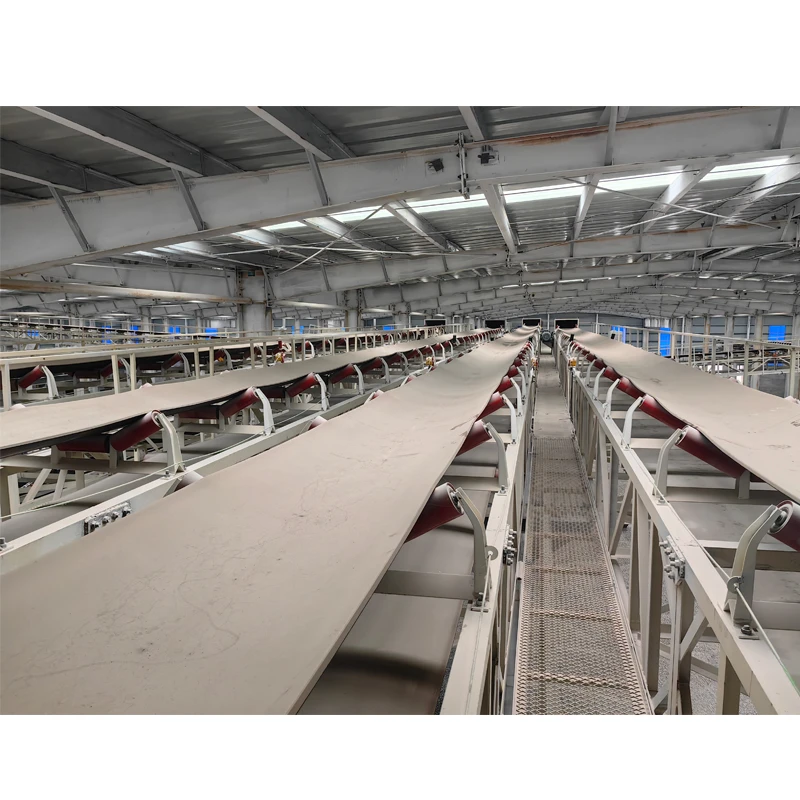
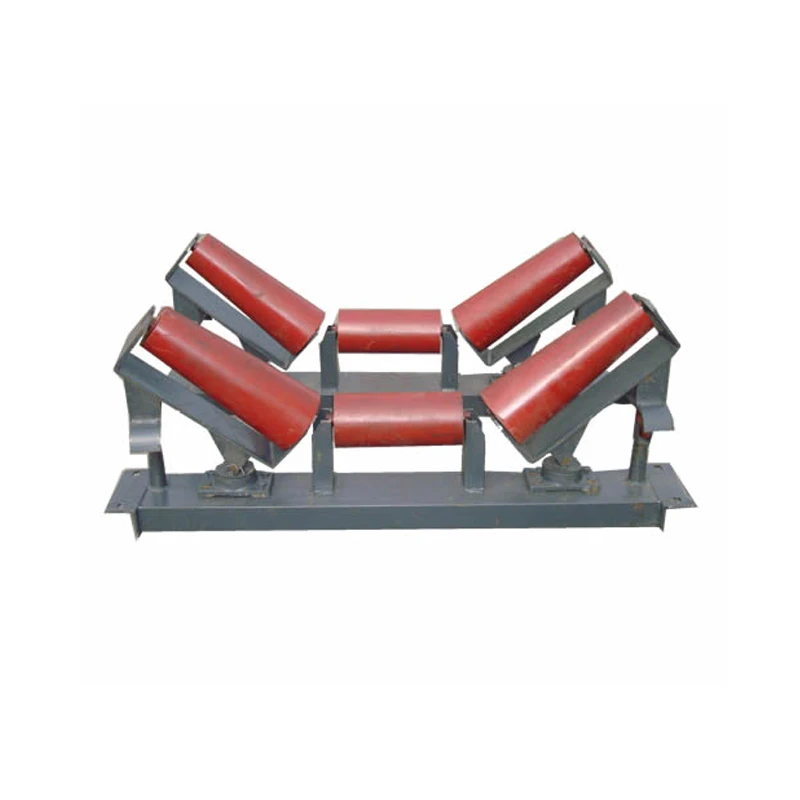
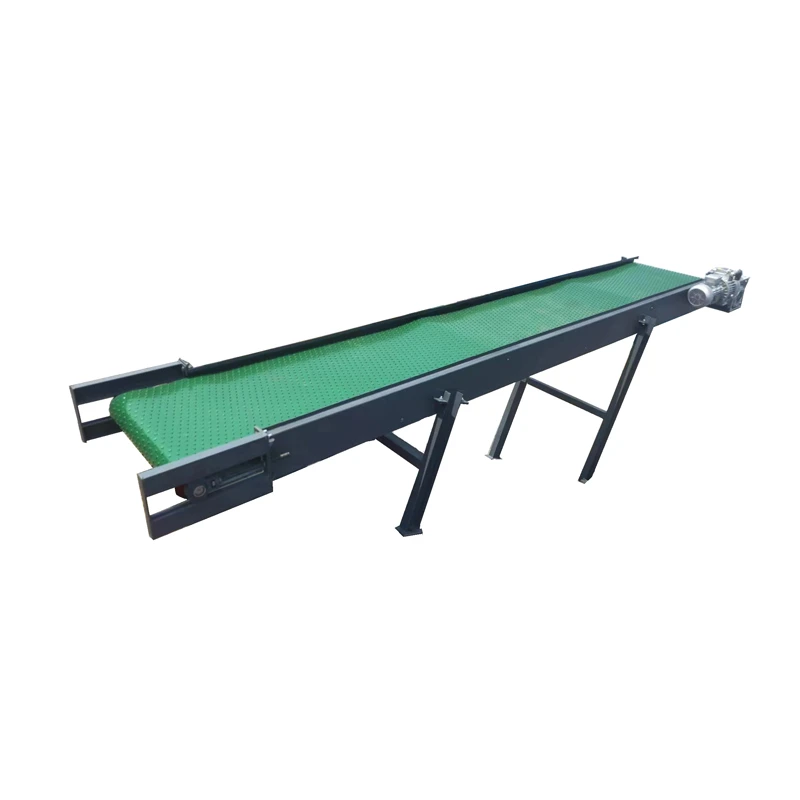
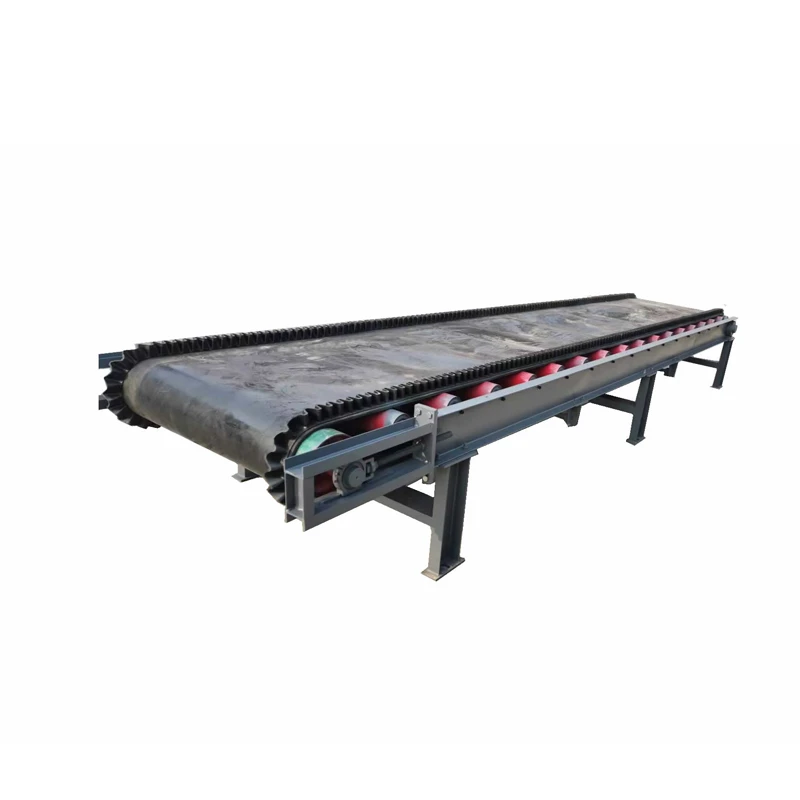
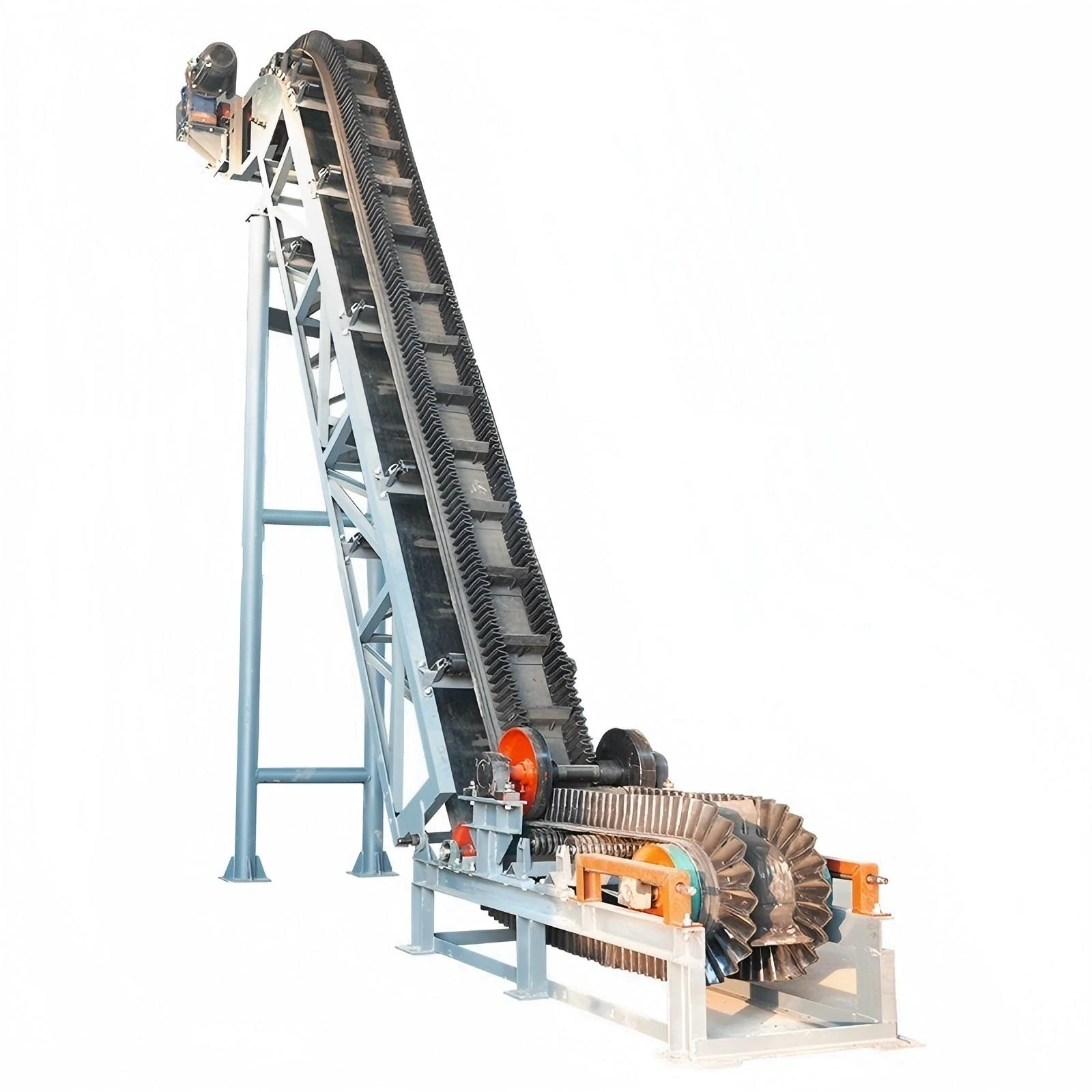
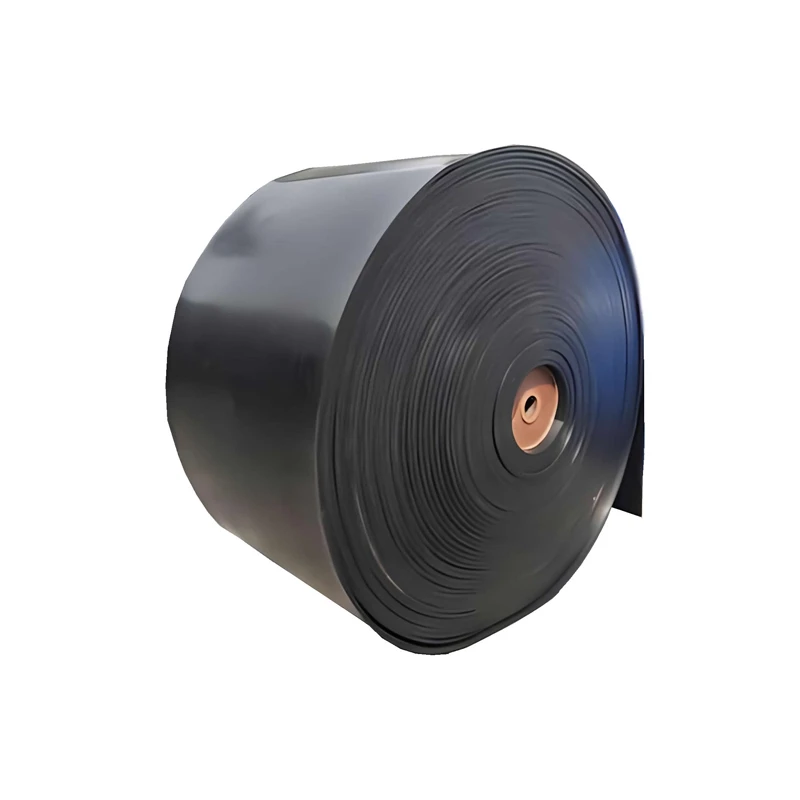
Simply put, a belt conveyor belt is a continuous loop of material (often rubber, PVC, or fabric composites) that moves over rollers or pulleys to transport goods. Picture a long, moving treadmill, but designed to haul everything from tiny components to huge iron ore chunks. The belt’s tensile strength, durability, and flexibility make it invaluable for industries where bulk handling is the norm. It’s no exaggeration to say modern industry—and even humanitarian supply chains—rely on them to keep goods flowing efficiently, sometimes across rugged terrain or in extreme environments.
Core Components and Key Factors of Belt Conveyor Belts
Durability
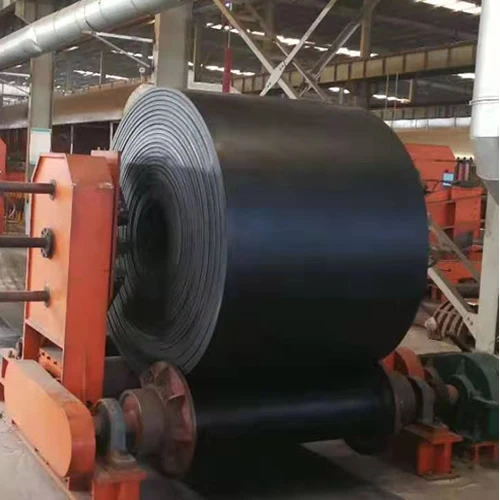
Belt conveyor belts need to withstand constant friction, various weights, and environmental conditions like heat or moisture. Most belts are reinforced with layers of polyester or steel cords to resist stretching and tearing. For example, mining applications require belts that endure abrasive minerals, while food-grade conveyors need belts that meet hygiene standards.
Scalability
One of the beauties of conveyor belts is their modular nature—designers can scale lengths and widths to fit everything from a small packaging line to a massive port terminal. This flexibility also helps companies adapt quickly to growing or changing demands without huge capital costs.
Cost Efficiency
Investing in quality belts reduces downtime due to wear, maintenance, or accidents. The long-term costs often offset the upfront investment, especially when using higher-grade materials that last longer and consume less energy.
Safety
Modern belt conveyor belts integrate features like fire-resistance and low-slip surfaces to protect workers and cargo. Automated sensors can detect belt misalignment or overloads early, preventing accidents before they happen.
Environmental Impact
Manufacturers increasingly use eco-friendly materials and energy-efficient designs. Recycling old belts and reducing plastic-based components are growing priorities in line with global sustainability goals.
Product Specification Example
| Spec | Standard Model | Heavy Duty Model |
|---|---|---|
| Material | PVC with polyester reinforcement | Rubber with steel cord reinforcement |
| Max Load Capacity | 500 kg/m | 1500 kg/m |
| Operating Temperature Range | -10°C to 60°C | -20°C to 80°C |
| Industry Use | Packaging, agriculture | Mining, heavy industry |
| Fire Resistance | Standard | Enhanced |
Global Applications & Real-world Use cases
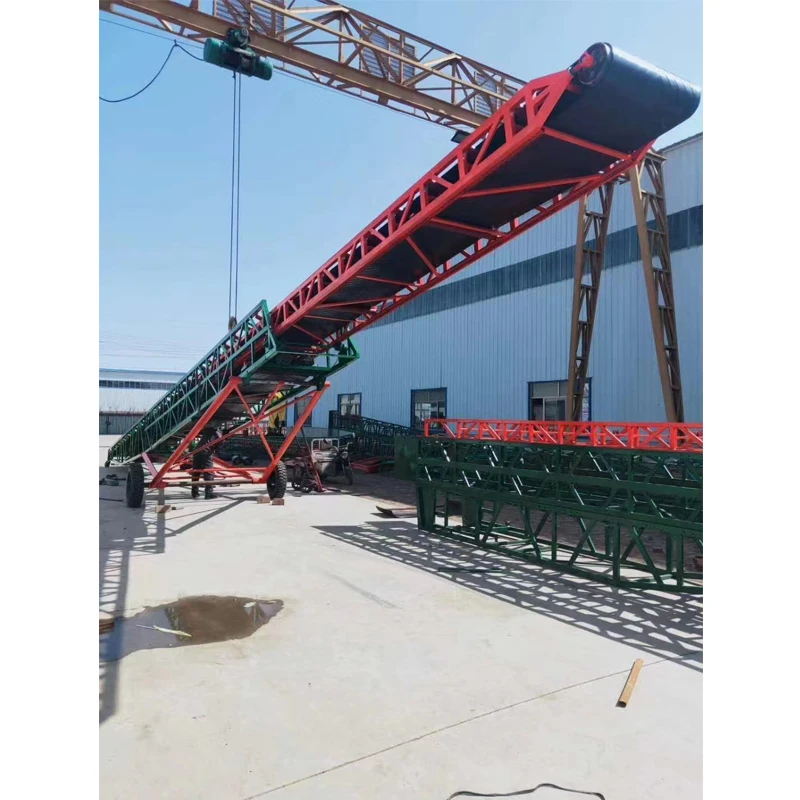
Across continents and sectors, belt conveyor belts are quietly indispensable. In the Australian outback, rugged belts keep iron ore moving from mines to ports. In Swiss manufacturing plants, thin, precise belts handle delicate electronic components without damage. Oddly enough, even in disaster relief zones, portable conveyor systems have been deployed to transport supplies rapidly through rough terrain where roads are damaged, helping NGOs deliver food and medicine quicker than ever.
Examples:
- Mining: Conveyor belts transport tons of coal or minerals safely across large distances, reducing reliance on trucks.
- Food Industry: Hygienic belts ensure contamination-free handling of grains and produce.
- Airport Logistics: Conveyor systems streamline baggage handling to improve passenger experience.
- Disaster Relief: Makeshift conveyor setups help move critical supplies in areas with poor infrastructure.
Advantages and Long-Term Value
Using a robust belt conveyor belt isn't just about moving stuff from A to B. There’s a deeper value in reduced manpower injuries, operational reliability, and cost savings. Companies report up to 30% improvement in material throughput and considerable energy savings with upgraded belts. There’s an emotional side, too — workers feel safer, trust grows in the equipment, and innovation blossoms from dependable logistics infrastructure. It’s a mix of practicality and dignity that’s often overlooked.
Future Trends & Innovations
Look ahead, and you’ll find exciting developments shaping belt conveyor belts. Materials science is introducing ultra-light composites with even longer lifespans. Digital tech and IoT sensors embedded within belts enable real-time monitoring of wear and load, reducing unexpected downtime. Green energy integration (solar-powered conveyors) along with recycling programs for end-of-life belts are gaining traction, aligning with global sustainability goals (UN Sustainable Development Goals).
Challenges & Solutions
Of course, no system is without flaws. Belt conveyor belts face issues like misalignment, environmental degradation, and costly replacement cycles. Many engineers advocate for predictive maintenance using AI-powered diagnostics to preempt failures. Others promote modular belt designs for easier patching and recycling to lower environmental impact. Frankly, the greatest challenge is balancing cost, durability, and eco-friendliness — but the progress is steady.
Vendor Comparison Table
| Vendor | Material Types | Customization | Price Range | Lead Time |
|---|---|---|---|---|
| Alpha Conveyors | Rubber, PVC, Nylon | High | $$$ | 4-6 weeks |
| Beta Materials | PVC, Polyester fabric | Medium | $$ | 3-5 weeks |
| Gamma Tech | Steel-cord reinforced Rubber | Low | $$$$ | 6-8 weeks |
FAQ: Frequently Asked Questions About Belt Conveyor Belts
- What materials are commonly used for belt conveyor belts?
- Most belts are made of rubber, PVC, polyurethane, or composites reinforced with fabric or steel cords to provide strength and flexibility, depending on the load and environment.
- How often should conveyor belts be inspected or replaced?
- Inspection frequency varies by usage, but typical checks occur every 3-6 months. Replacement depends on wear patterns but usually ranges from 2 to 5 years under regular industrial conditions.
- Can belt conveyor belts be customized for specific industries?
- Absolutely. Belts can be adapted in width, thickness, material composition, and surface texture to meet needs—from food safety requirements to heavy mining durability.
- Are conveyor belts environmentally friendly?
- Newer belts increasingly incorporate recycled materials and are designed for longer life cycles, reducing waste. Additionally, manufacturer’s recycling programs are on the rise.
- How do I choose the right vendor for my conveyor belt needs?
- Consider your application’s specific needs, potential customization, price, delivery lead times, and after-sale support. Comparing vendors, like in the table above, can help clarify options.
Conclusion
In sum, the belt conveyor belt might seem a simple tool, but it’s a vital cog in the machinery of modern industry and humanitarian efforts alike. Harnessing their strength, adaptability, and innovation leads to safer workplaces, efficient transportation, and greener outcomes. If you’re in the market or simply curious, don’t forget to visit our website: https://www.hgconveyorbelt.com and learn more about the latest in conveyor technology.
It’s funny how something so “basic” can be so crucial. The next time you see a belt conveyor belt in action, you might just feel a bit of awe for these industrial workhorses.
References: