Leather Conveyor Belt: Durable Solutions for Modern Industry
Conveyor belts might not grab headlines every day, but the humble leather conveyor belt holds a surprisingly significant role, especially in sectors demanding unmatched durability and flexibility. With industries evolving rapidly worldwide, understanding what sets leather conveyor belts apart isn’t just academic—it matters for supply chains, manufacturing, even humanitarian logistics.
Why Leather Conveyor Belts Matter Globally
Globally, conveyor systems facilitate over 70% of material handling in factories and logistic centers, according to statistics from the International Organization for Standardization (ISO). Among these, leather-based belts, prized for their sturdiness and resilience, stand out in niche applications where synthetic belts might falter. In mining regions of South America or manufacturing hubs across Europe, leather conveyor belts extend equipment life cycles and reduce downtime, translating to tangible cost savings.
Yet, with challenges around sustainability and evolving industrial needs, the leather belt market is adapting too. Frankly, it feels like a balancing act—maintaining traditional strengths while embracing innovation.
What Is a Leather Conveyor Belt?
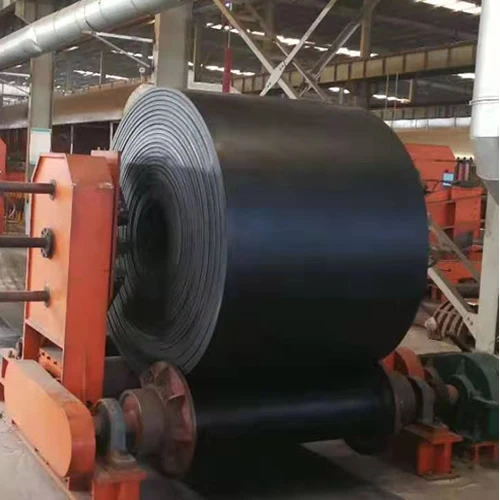
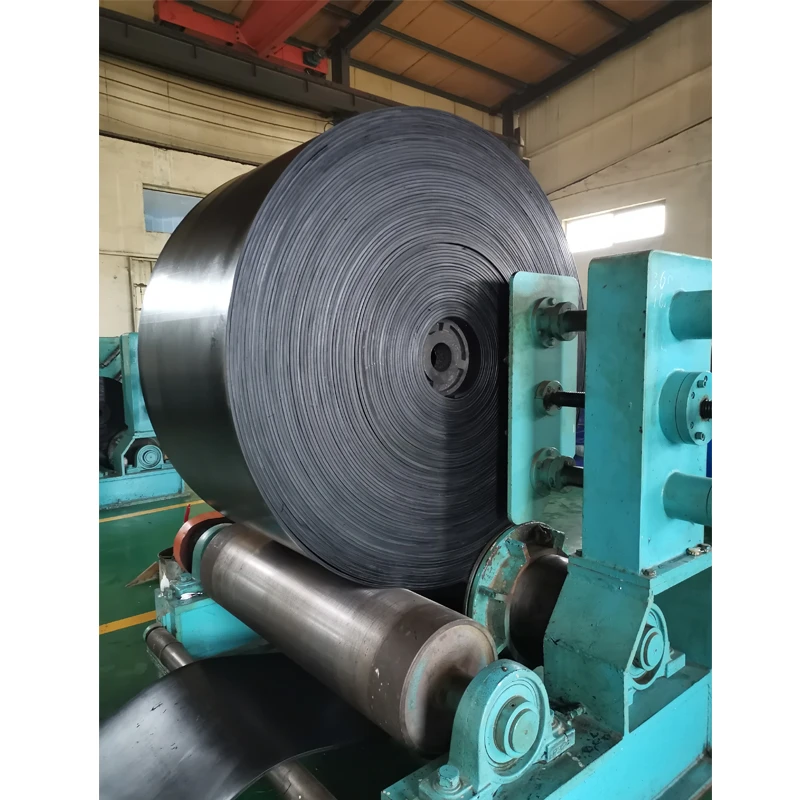
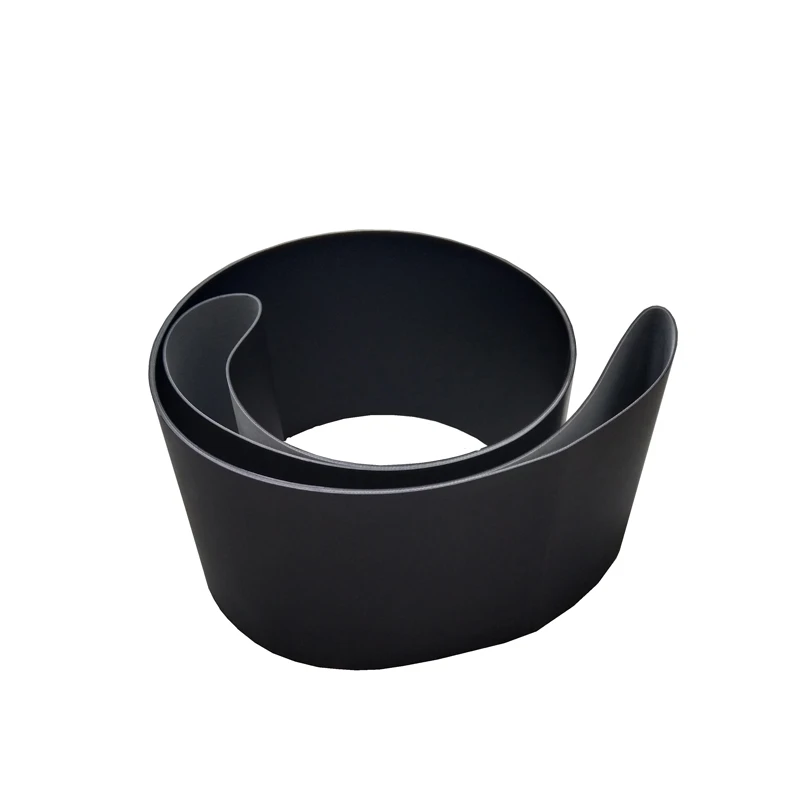
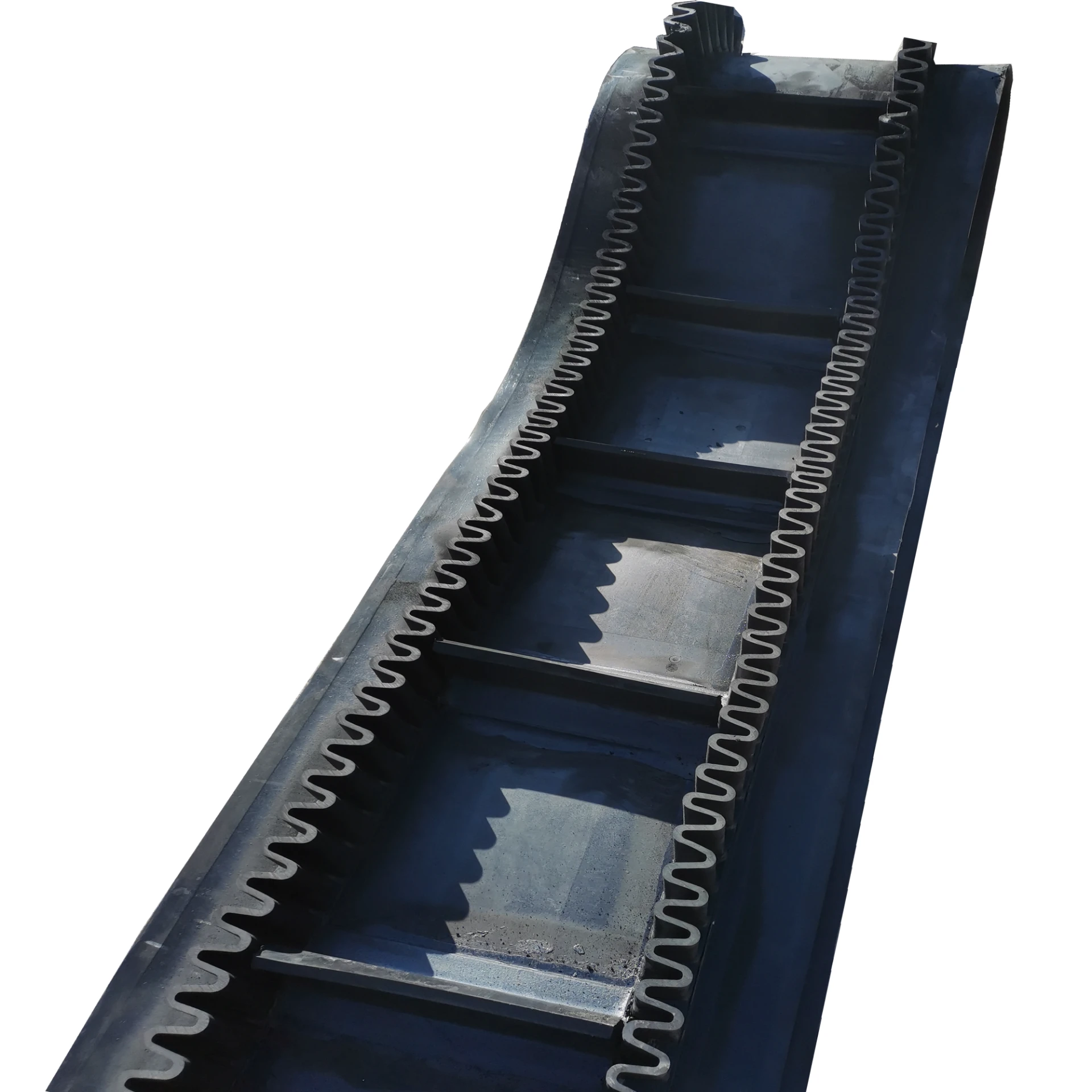
Simply put, a leather conveyor belt is a flat conveyor component made from thick, layered leather, often reinforced with fabric, designed to move goods or materials efficiently across distances. Unlike rubber or PVC belts, the natural fibers and dense hides offer exceptional resistance to abrasion and heat.
This ancient material, with roots tracing back centuries, surprisingly finds modern industrial and even humanitarian uses — think of fragile cargo in disaster relief missions where reliability is key.
Core Components and Key Factors
1. Durability
Leather conveyor belts are renowned for their resistance to wear and tear, especially in environments where abrasive materials are common. Many engineers note that these belts can last up to three times longer than some synthetic alternatives.
2. Flexibility and Scalability
Because leather bends easily without cracking, it suits conveyor designs requiring sharp turns or complex routing. This flexibility means industries can scale or adapt their conveyor layouts more freely.
3. Cost Efficiency
While upfront costs may be higher, the extended lifespan and lower maintenance frequency often compensate in long-term cost calculations, especially for heavy-duty operations.
4. Resistance to Heat and Chemicals
Certain treated leather belts can withstand moderate heat and chemical exposure, useful in manufacturing sectors dealing with oils or solvents.
5. Environmental Considerations
Oddly enough, despite being a natural product, leather conveyor belts have a relatively low carbon footprint when sourced responsibly, especially compared to synthetic polymer belts made from petrochemicals.
| Feature | Specification |
|---|---|
| Material | High-grade bovine leather, multi-ply |
| Thickness | 4 to 12 mm |
| Width | Up to 2000 mm |
| Temperature Resistance | -10°C to 80°C |
| Tensile Strength | > 5 MPa |
| Typical Applications | Light to medium-duty material handling, food industries, restoration projects |
Global Applications & Use Cases
Leather conveyor belts have a distinctly global footprint. In Eastern Europe’s timber processing sector, these belts carry rough-sawn lumber with less damage than synthetics. Over in India, leather belts remain popular in textile mills for smooth material transfer. Then, there’s the rather niche but impactful use in post-disaster relief efforts — agencies rely on robust conveyor belts to swiftly move supplies like blankets and medical kits where road infrastructure is poor.
In fact, I recently read a case where a humanitarian NGO in Southeast Asia used leather conveyor belts to help unload cargo in remote flood zones, because their durability and low maintenance meant less downtime. So it’s not just about factories — sometimes it’s about urgent aid.
Advantages & Long-Term Value
- Cost savings: Lower replacement frequency and repair needs offset initial investment.
- Sustainability: Natural material is biodegradable and often sourced as a byproduct of leather goods industries.
- Reliability: Consistent performance even in challenging environments, earning user trust.
- Social impact: Supporting industries that employ artisanal tanners promotes local economies.
It feels like leather conveyor belts offer both a practical and an ethical angle — marrying innovation with tradition.
Vendor Comparison: Leather Conveyor Belt Suppliers
| Supplier | Material Grade | Customization Options | Average Lead Time | Price Range (USD/m²) |
|---|---|---|---|---|
| HG Conveyor Belt Co. | Premium bovine leather | Thickness, width, and reinforcement options | 2–3 weeks | $50–$90 |
| Classic Belting Ltd. | Standard leather, moderate quality | Limited to standard sizes | 1–2 weeks | $40–$70 |
| EcoLeather Solutions | Eco-certified leather blend | Custom treatments for heat and oil resistance | 4 weeks | $65–$110 |
Future Trends and Innovations
The leather conveyor belt industry is quietly embracing greener tanning methods and integrating smart diagnostics — sensors embedded in belts to monitor wear and stress signals in real-time. Automation is pushing customization too: manufacturers can now rapidly prototype belt configurations to suit specific use cases.
In the coming decade, expect more sustainable production—think vegetable tanning replacing chrome treatments—and perhaps hybrid belts blending leather with recycled polymers for optimal performance.
Challenges & Solution Pathways
Of course, leather belts aren’t perfect. They require careful maintenance to prevent drying or cracking, and aren’t ideal for highly acidic environments. Some buyers worry about supply chain transparency or animal welfare.
Industry experts emphasize sourcing leather from ethical, certified suppliers and employing protective finishes that extend belt life. There's also a growing trend of combining leather with advanced textiles to address environmental weaknesses.
FAQ: Frequently Asked Questions About Leather Conveyor Belts
- What industries benefit most from leather conveyor belts?
- Leather conveyor belts excel in timber, textiles, light manufacturing, and food handling industries, where their durability and flexibility reduce downtime and product damage.
- How long can a leather conveyor belt typically last?
- With proper maintenance, a leather conveyor belt can span 5 to 10 years, often outlasting synthetic alternatives in abrasive environments.
- Are leather conveyor belts environmentally friendly?
- Yes, particularly when using responsibly sourced leather and modern eco-friendly tanning processes, leather belts offer a biodegradable, lower carbon footprint alternative to synthetics.
- How do I ensure my leather conveyor belt is suited for chemical exposure?
- Consult with suppliers offering treated or hybrid leather belts designed to resist oils and mild chemicals — untreated leather isn’t ideal for harsh substances.
- Can leather conveyor belts be customized?
- Absolutely. Manufacturers provide options for thickness, width, reinforcement, and surface finishes to match specific application needs.
Conclusion
To sum up, leather conveyor belts offer an intriguing blend of durability, flexibility, and sustainable sourcing. Their strong industrial track record, combined with rising eco-conscious innovation, positions them well for decades ahead. If you’re considering robust conveyor solutions, leather belts deserve a close look.
Explore our full product range and technical resources at HG Conveyor Belt. Your next reliable belt might just be crafted from leather.
Mini takeaway: Embracing leather conveyor belts means investing in durability and sustainability with an old material that never quite lost its edge.